
Reviewed · MUSEUMS
Toast to the Morning After: Zagreb Museum of Hangovers Visit
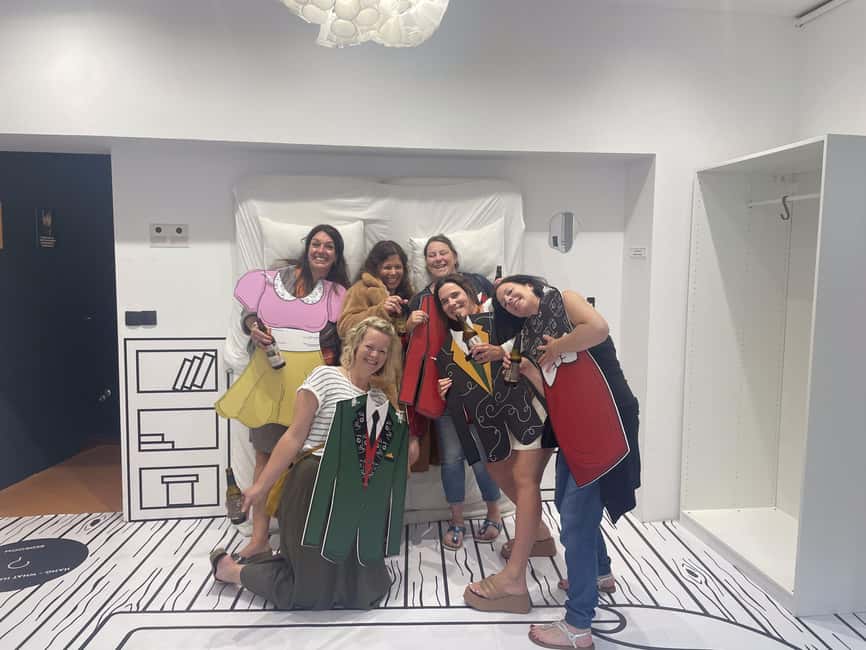
Morning-after culture gets its own museum. Zagreb’s Museum of Hangovers turns drinking folklore into a funny, hands-on visit, with stories, international cures, and playful tests of how alcohol affects your senses. I like the interactive drunk-walking and drunk-driving displays, and I like that your ticket includes a local shot and a flashlight for the blackout room. The main drawback is simple: if you prefer traditional museums, some exhibits may feel more amusing than substantial.
You should also know that the museum visit can be quite short. One recent booking took about an hour, while a faster reader could finish sooner. The paid beer, wine, or rakia option adds to the fun, but it is not included in the $15 admission.
In This Review
- Key things to know before you go
- Finding the Museum of Hangovers at Vlaska 55
- Starting with hangover history
- Testing your balance in the interactive displays
- Exploring cures from around the world
- Seeing the hangover through art
- The blackout room and included local shot
- Sharing stories without needing a formal tour
- How long the visit takes
- Is the $15 price fair?
- Who will enjoy this Zagreb experience?
- My final call on the Museum of Hangovers
- FAQ
- Where is the Museum of Hangovers located?
- How much does the Museum of Hangovers cost?
- How long should I plan for the visit?
- Is a drink included with admission?
- What activities are included?
- Is the Museum of Hangovers suitable for children and wheelchair users?
- Can I cancel my booking?
Key things to know before you go
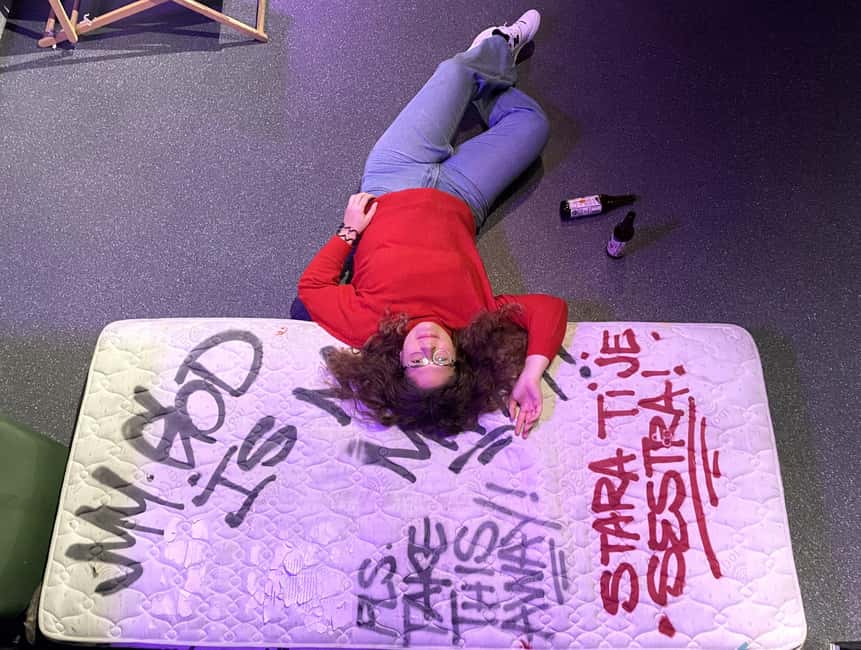
- A museum with a drink in hand: You may buy beer, wine, or rakia to enjoy while exploring, but the drink costs extra.
- Hands-on alcohol effects: The drunk-walking and drunk-driving activities turn a serious subject into a memorable lesson.
- A local taste is included: Your ticket includes a shot glass of a local drink at the end.
- Look for the dark entrance: Enter the passage at Vlaska 55 and use the dark door on the right, around the middle.
- Plan roughly an hour: You can move faster or slower depending on how much you read and how many activities you try.
- Not for every visitor: Children under seven and wheelchair users cannot take part.
Finding the Museum of Hangovers at Vlaska 55
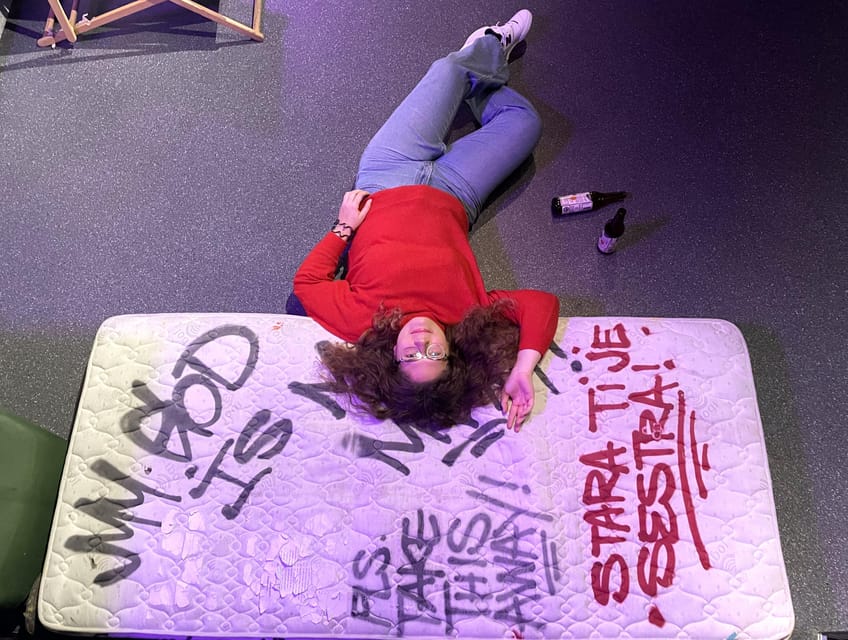
The first challenge is finding the door. The Museum of Hangovers is at Vlaska 55 in central Zagreb, but you need to enter the passage and look for the dark door on the right, around the middle. This is worth noting because a normal-looking storefront is not the clue you want.
Once inside, you receive a welcome and can begin at your own pace. The setting is designed for a short, informal visit rather than a formal guided tour with a fixed script. A Croatian or English-speaking host or greeter is available, so you can ask questions and get oriented before exploring.
The museum’s central idea is clear from the start: hangovers are not only a private problem. They are tied to customs, folk medicine, bad decisions, social rituals, and plenty of morning-after storytelling. That gives the visit more range than a collection of jokes about drinking.
More museums and galleries in Zagreb:
- Zagreb: Skip-the-Ticket-Line Museum of Broken Relationships
★ 4.5 · 847 reviews - Zagreb: Nikola Tesla Technical Museum Ticket
★ 4.5 · 520 reviews - Zagreb: Museum of Illusions Entrance Ticket
★ 4.0 · 261 reviews
Starting with hangover history
The first part looks at how different societies have dealt with the effects of excessive alcohol. You can expect displays about the ways people have tried to feel better, avoid the problem, or explain it over time.
This section works best if you enjoy cultural oddities. It is not a medical course, and you should not treat the exhibits as health advice. Instead, they show how people turn an everyday problem into a custom, a remedy, or a story worth passing along.
I like this approach because it gives the museum a reason to exist beyond novelty. The subject becomes a small window into human behavior. People everywhere have developed ideas about food, drinks, rituals, and rest after a night out. The museum brings those ideas together in a light way.
The amount of reading is up to you. If you stop at each display, you will get more context. If you are mainly there for the games and photos, you can move through this part quickly. That flexibility helps explain why one person might spend about an hour here while another finishes sooner.
Testing your balance in the interactive displays
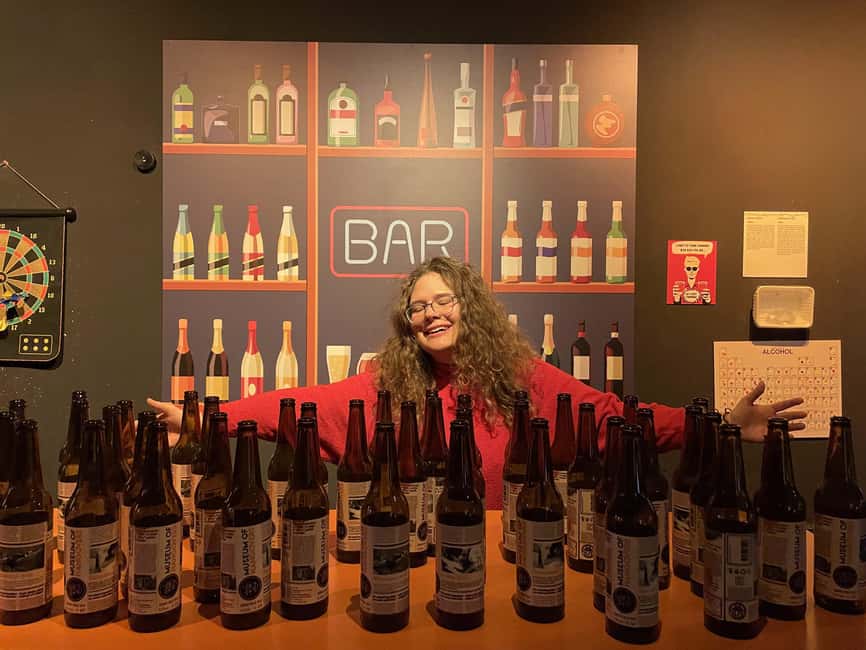
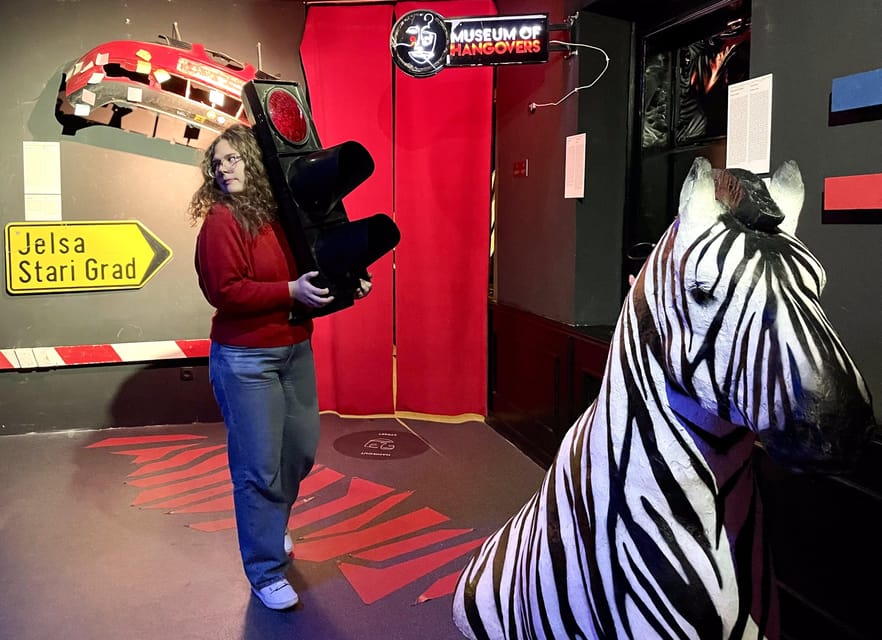
The museum’s most memorable feature is its hands-on side. The drunk-driving and drunk-walking activities let you test coordination and judgment in a playful setting.
The point is not to copy the experience of actual impaired driving. It is to make the effects of alcohol easier to understand through your own movement and reactions. You may know, in theory, that alcohol affects balance and decision-making. Trying to complete a simple task while your senses are distorted makes the lesson more immediate.
This is also where the museum works well for mixed groups. One person can read about hangover customs while another tries an activity. Friends can compare their results, laugh at their mistakes, and move on without needing to follow a strict order.
The tone remains playful, but the subject deserves care. The displays should be treated as a warning about alcohol’s effects, not as encouragement to drink and drive. That distinction matters, especially for families or groups with younger visitors.
The age rule is clear: children under seven are not allowed. The experience is not suitable for wheelchair users either, so check that point before booking if access needs are important to you.
Exploring cures from around the world
The global hangover cures section gives the museum its broadest cultural appeal. You can encounter remedies ranging from old customs to modern ideas about preventing or easing a hangover.
The value here is comparison. A cure that seems normal in one place may look strange in another, while a familiar remedy can appear in several countries with different explanations. This section encourages curiosity rather than presenting one magic answer.
You should keep your expectations realistic. The museum does not promise a guaranteed cure, and the supplied information does not identify every remedy on display. Think of this part as a collection of cultural practices and beliefs, not a prescription.
I find that distinction useful. Many people want a quick fix after drinking, but the museum’s real subject is how societies talk about the problem. The exhibits show how food, drinks, habits, and folk wisdom become part of social life.
If you are visiting Zagreb with friends, this is likely to become a conversation starter. You may recognize a remedy you have heard about, or discover one that sounds completely unfamiliar. The museum makes room for both the humor and the oddness of these traditions.
A few more Zagreb trips worth comparing
- From Zagreb: Plitvice & Rastoke Guided Day Trip with Ticket
★ 4.9 · 2,955 reviews - Zagreb: Rastoke & Plitvice Lakes Guided Tour with Ticket
★ 4.9 · 1,897 reviews - Communism & Croatian Homeland War Tour
★ 5.0 · 1,355 reviews - Best of Zagreb with the WW2 Tunnels
★ 5.0 · 973 reviews
Seeing the hangover through art
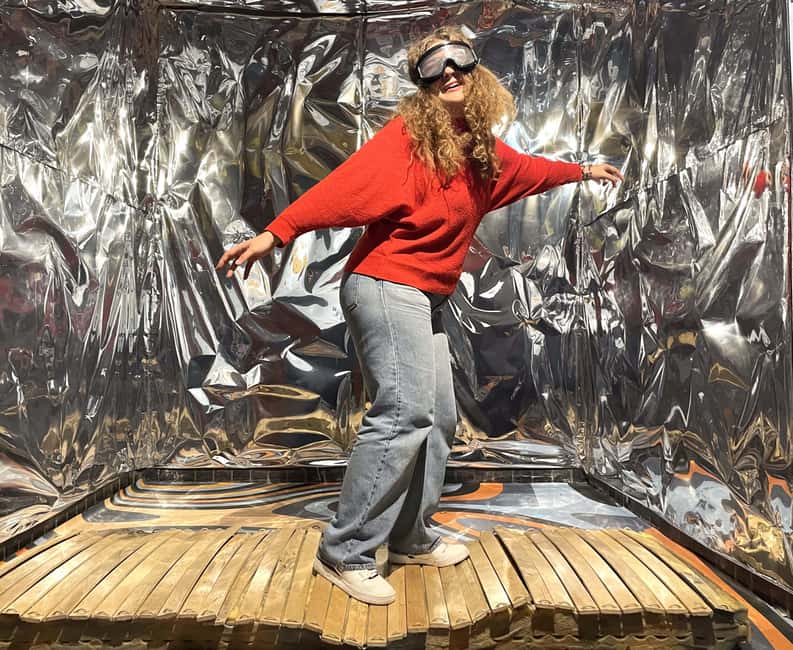
A gallery of hangover-inspired art adds a visual change of pace. Instead of reading only about remedies and effects, you can see how artists interpret the morning after.
The art helps broaden the experience. Hangovers can be uncomfortable, comic, regrettable, or strangely creative, and art can hold all those moods at once. You might find the gallery more interesting if you enjoy unusual themes and small museums that do not follow a standard historical format.
This is not a major art museum, and you should not book the experience expecting a large collection or serious gallery program. Its appeal comes from the subject and the setting. The art supports the museum’s main idea that an ordinary human experience can be examined from several angles.
For a short visit, that change matters. You are not looking at the same type of display from beginning to end. History, games, cultural remedies, and art each offer a different way into the theme.
The blackout room and included local shot
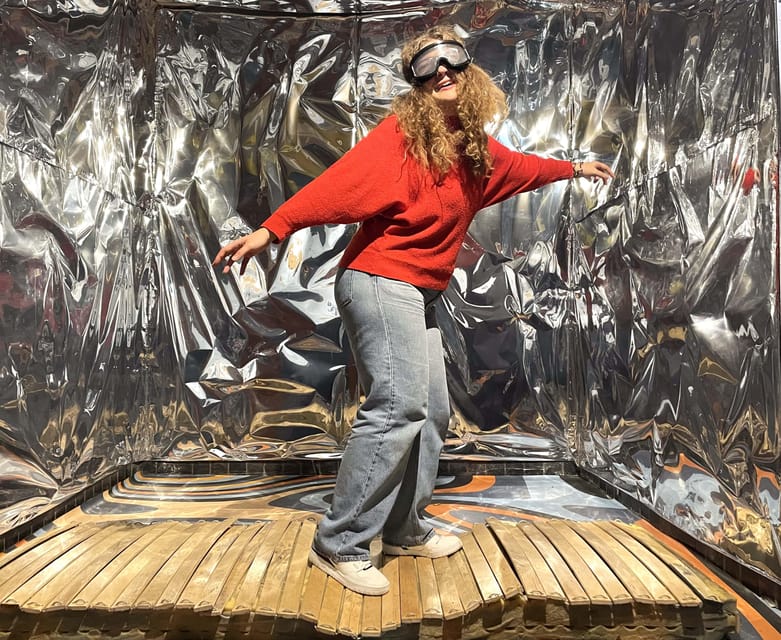
Two small details add character to the visit. Your ticket includes a flashlight to explore the blackout room, and a shot glass of a local drink is included.
The flashlight is more than a practical item. A blackout room fits the theme and gives you a simple task to complete in a darker setting. It also adds a sense of play without requiring a long activity.
The included shot is served at the end, according to the supplied details. This is one of the better value points in the admission price, especially if you want a taste of a local drink without buying a full beverage.
Still, pace yourself. The ticket includes a shot, not unlimited alcohol. Beer, wine, and rakia can be purchased separately during the visit, but those drinks are extra. If you choose that option, the museum becomes more of a social stop. If you skip it, you can still experience the displays and activities.
The paid drink feature is worth understanding before you arrive. The $15 price covers the museum experience and the included shot, but not the beer, wine, or rakia you may want to hold while exploring.
Sharing stories without needing a formal tour
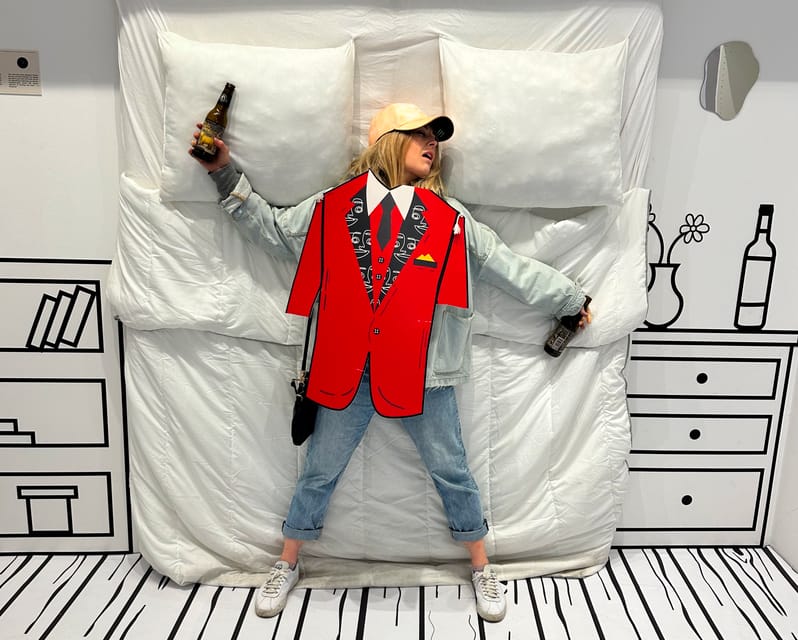
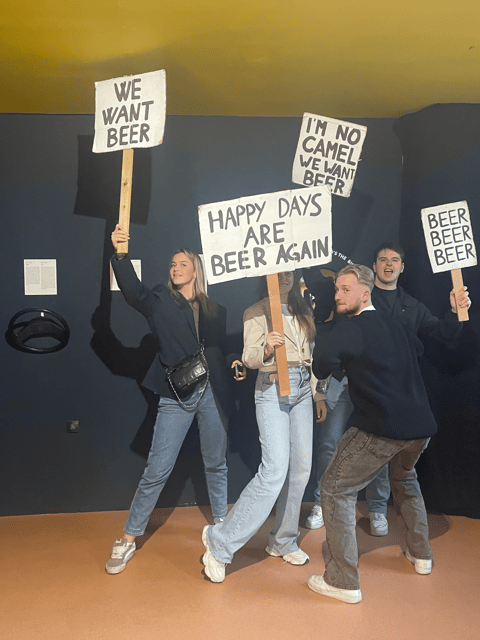
Story sharing is built into the mood of the museum. You can tell your funniest hangover story, listen to other people’s tales, or simply enjoy the atmosphere without joining in.
That social side is one reason the museum can work well for a group of friends. The subject gives everyone an easy opening line, and the activities create natural moments for laughter. You do not need special background knowledge to take part.
Solo visitors may find the experience different. Some activities are still available, but the humor may land better when you have someone to react with. The host or greeter can help create a friendly welcome, though the supplied information does not promise a private tour or a dedicated guide throughout.
The museum is also suitable for different levels of interest. You can read closely and compare remedies, or make the games your main focus. That makes the visit less demanding than a long museum program, but it also means the depth depends partly on how much attention you give it.
How long the visit takes
The activity is valid for one day, with entry times based on availability. In practical terms, do not plan it as a full-day attraction. Allow about an hour if you want to read, try the interactive displays, see the art, explore the blackout room, and finish with the included shot.
You can spend less time if you skim the text or skip an activity. One verified booking described a visit of around an hour, while also noting that the museum could be much quicker depending on what you read and participate in.
That short duration can be a strength. You can fit the museum between meals, shopping, or other central Zagreb sights. It is also a useful rainy-day stop or a relaxed activity when you do not want to commit to a long tour.
The limitation is value for visitors who expect several hours of entertainment. At $15 per person, the price is reasonable for a compact, unusual attraction, especially with the local shot included. If you measure value by time alone, it may feel less generous than a large museum with a full afternoon of exhibits.
Is the $15 price fair?
The admission price makes the most sense when you value novelty and participation. You are paying for a themed museum with interactive activities, cultural displays, art, and a small included tasting, not for a major collection or a long guided program.
I think the price is fair for couples, friends, and curious visitors who want something different from Zagreb’s usual sightseeing stops. The included local shot helps, and the activities give the visit more substance than a room of static panels.
The calculation changes if you plan to buy beer, wine, or rakia. Add those costs before deciding how much the experience fits your budget. You can visit without buying an extra drink, but the option is part of the museum’s social appeal.
The activity also offers free cancellation up to 24 hours before the start, and you can reserve now while paying later. Those policies help if your Zagreb plans are still shifting, but the central question remains whether you like the theme.
Who will enjoy this Zagreb experience?
I would recommend the museum most strongly to:
- Friends looking for a funny shared activity
- Couples who enjoy unusual museums
- Adults interested in drinking customs and folk remedies
- Visitors who want a short central Zagreb stop
- People who like interactive displays more than long lectures
- Groups who enjoy swapping stories and taking part in silly challenges
It is less suitable for anyone seeking a serious medical explanation of hangovers. It may also disappoint visitors who dislike alcohol-centered humor or prefer large museums with extensive collections.
Families need to read the age rule carefully. Children under seven cannot enter, and wheelchair users should not book this activity based on the stated access restriction. The available languages are Croatian and English.
My final call on the Museum of Hangovers
Book it if you want a short, social, unusual stop in Zagreb and the idea of testing drunk walking, comparing hangover cures, and seeing hangover-themed art makes you smile. The friendly atmosphere, included local shot, and playful displays are the experience’s strongest points.
Skip it if you want a traditional museum, a long cultural tour, or a detailed scientific treatment of alcohol. At $15, it offers good value for the right audience, but not every visitor will find the theme interesting for a full hour.
For most curious adults, I would place it in the category of a fun side visit rather than a must-see landmark. Pair it with other central Zagreb plans, allow about an hour, and remember that the extra drinks cost more.
FAQ
Where is the Museum of Hangovers located?
It is at Vlaska 55 in Zagreb County, Croatia. Enter the passage and look for the dark door on the right, around the middle.
How much does the Museum of Hangovers cost?
The price is $15 per person.
How long should I plan for the visit?
The activity is valid for one day, with starting times based on availability. A visit may take around an hour, though you can finish more quickly depending on how much you read and how many activities you try.
Is a drink included with admission?
A shot glass of a local drink is included. Beer, wine, and rakia are available for an additional charge.
What activities are included?
You can explore hangover history, try drunk-walking and drunk-driving activities, examine international hangover cures, view hangover-inspired art, explore a blackout room with a flashlight, and share stories.
Is the Museum of Hangovers suitable for children and wheelchair users?
Children under seven are not allowed, and the experience is not suitable for wheelchair users.
Can I cancel my booking?
You can cancel up to 24 hours in advance for a full refund. Reserve now and pay later is also available.
Just added around Zagreb
- Drava Rafting Safari★ 4.5 · 18 reviews
- From Split: Transfer to Zagreb with Stop at Plitvice Lakes★ 4.6 · 44 reviews
- Severin na Kupi: Canoeing and Kayaking on the Kupa River★ 4.6 · 22 reviews
- Rafting/Kayaking adventure river Kupa★ 4.4 · 21 reviews
- Private Walking Tour of Zagreb★ 4.9 · 5 reviews
- Jump into Zagreb: Walking Tour with local guide★ 4.8 · 3 reviews
- From Zagreb: Varazdin Baroque Town & Trakoscan Castle★ 4.9 · 38 reviews
- From Zagreb:Discover North Croatia, Museums, Castle and City★ 5.0 · 26 reviews
Museums, compared.
Blue Lagoon & Underwater Museum from Split with Lunch & Drinks
Read our review →
Skip-the-Ticket-Line Museum of Broken Relationships
Read our review →
PREMIUM Emperor’s Walking Tour for History Lovers + Museum
Read our review →
Klis Fortress GOT and Olive Museum Entry Tickets
Read our review →
Browse the lists this tour appears in