
Reviewed · ZAGREB TOURS
Best of Zagreb with the WW2 Tunnels
Zagreb’s old center rewards curious walkers. This private tour links the city’s main square, Dolac Market, cathedral, Stone Gate, St. Mark’s Square, and the Gric Tunnel while a local guide explains Croatian customs and everyday life. I especially like the small-group format and the stop at Dolac, where Zagreb’s daily routine feels more real than a string of monuments. The main consideration is the walking: hills, stairs, and uneven old-town streets are part of the deal.
The price is $23.98 per person, a fair charge for a private experience led by a certified local guide with more than 500 tours behind them. Guides such as Diana, Darko, Ena, Ivana, Iva, and Kristina have been praised for humor, clear English, personal stories, and a good pace. Just keep your schedule flexible, since some tours finish in about two hours even though the advertised duration is approximately two and a half to three hours.
In This Review
- The Zagreb details worth knowing first
- Starting beneath the Ban Jelačić statue
- Zagreb Cathedral and the effect of the earthquake
- Dolac Market, Zagreb’s Belly of the City
- Bloody Bridge and the route into the Upper Town
- St. Mark’s Square and Zagreb’s political center
- Inside the Gric Tunnel
- What the guides add to the route
- How much walking and time should you expect?
- Is $23.98 good value?
- Who should book this Zagreb walking tour?
- Final verdict: a smart first morning in Zagreb
- FAQ
- Where does the tour begin?
- Where does the tour end?
- What time does the tour start?
- How long does the tour last?
- Does the tour operate every day?
- What is the price?
- Is this a private tour?
- Is there a minimum number of people required?
- Is the tour suitable for most people?
- Can I cancel for a refund?
The Zagreb details worth knowing first
- Dolac Market shows Zagreb’s everyday side, with local specialties and the nickname Belly of the City.
- The Gric Tunnel adds a wartime layer to a walking route otherwise focused on squares, churches, and old streets.
- The private format keeps the guide focused on you, with a maximum group size of 15 people.
- St. Mark’s Square brings several major buildings together, including the colorful-roofed church, Parliament, and Government buildings.
- The route covers a lot in a short time, making it useful on a first visit or a brief stay.
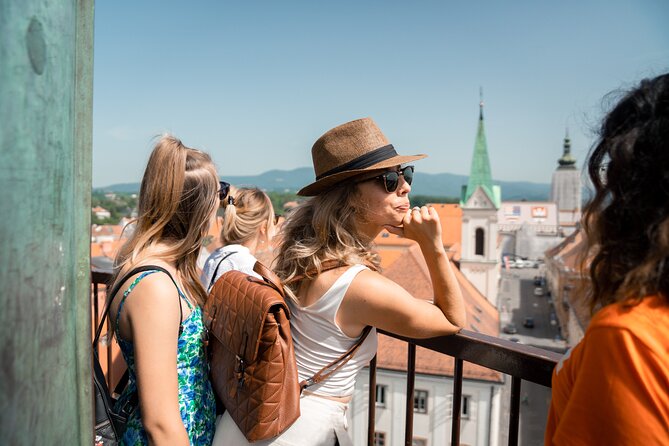
- You should expect hills and stairs, especially as the walk moves into Zagreb’s Upper Town.
Starting beneath the Ban Jelačić statue
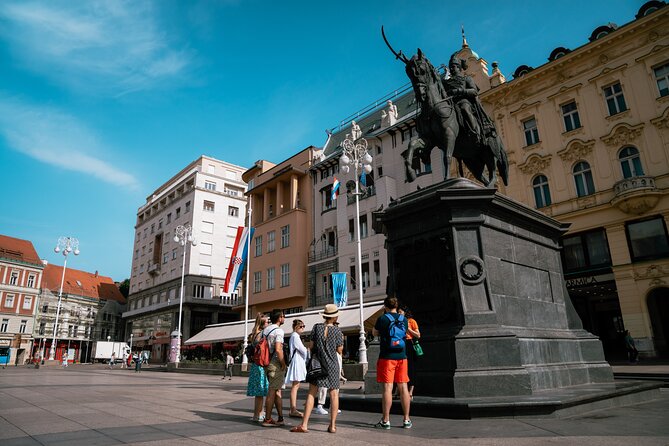
The meeting point is Ban Jelačić Square, Zagreb’s main city square. It is an easy place to find, and the tour begins with an introduction to the city and the plan for the walk.
This is a sensible starting point because the square helps you get your bearings. Rather than dropping you straight into a side street with no context, the guide begins in a central public space and places Zagreb’s old center around you. You can ask early questions about the city, Croatian life, or the route ahead.
The tour operates daily at 10:30 a.m. That morning start gives you a useful first look at Zagreb before spending the rest of the day on your own. Since the experience returns to the same square, you do not need to arrange a separate ride back from the Old Town.
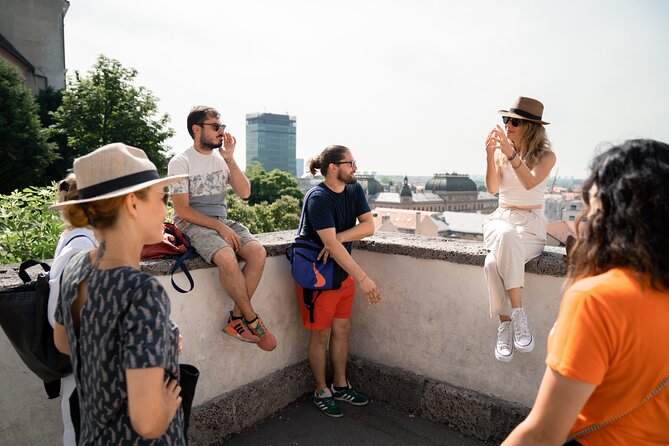
The private arrangement is important here. With only your booking party, or a group capped at 15 people, you can hear the guide more easily than on a large coach excursion. The guide’s role is not only to point at buildings. The strongest part of this experience is the explanation of how Zagreb works as a city and how local traditions fit into daily life.
A few more Zagreb trips worth comparing
- From Zagreb: Plitvice & Rastoke Guided Day Trip with Ticket
★ 4.9 · 2,955 reviews - Zagreb: Rastoke & Plitvice Lakes Guided Tour with Ticket
★ 4.9 · 1,897 reviews - Communism & Croatian Homeland War Tour
★ 5.0 · 1,355 reviews
Zagreb Cathedral and the effect of the earthquake
The next stop is Zagreb Cathedral, one of Croatia’s tallest and most impressive buildings. The guide spends about 20 minutes explaining its place in the city and its architecture.
This is one of the tour’s key landmarks, but you should set your expectations carefully. Damage from the 2020 earthquake has affected access to some churches and buildings in Zagreb. The cathedral and other sites may not offer the kind of full interior visit you might expect from a traditional sightseeing tour, and access conditions can change.
That does not make the stop pointless. A guide can still explain the cathedral’s importance, point out architectural details, and give you the wider setting. If entering historic churches is your main reason for booking, check current conditions before you go. If you want a broad introduction to Zagreb’s old center, the cathedral remains an important part of the route.
The tour does not depend on long interior visits. Its strength is the way it connects the major sights with stories about the city, its people, and its past.
Dolac Market, Zagreb’s Belly of the City
Dolac Market is one of the most useful stops on the walk. You spend about 10 minutes at the green market, known locally as the Belly of the City, and get a look at one of Zagreb’s most familiar meeting places.
The stop is brief, so do not expect a full food tour or a long tasting session. You may sample local street food specialties, and the guide can help explain the market’s role in local life. This is where the private format can pay off. You can ask what certain foods are, how the market fits into Zagreb’s routines, and where to eat after the tour.
I like this part because it gives the walk some texture. Monuments tell you about public history. A market tells you what a city eats, sells, and does on an ordinary morning.
The short timing also means you may want to return later if you want to browse at leisure. The tour gives you an introduction, not an extended shopping stop. Keep some room in your plan for a second visit if the stalls and local specialties catch your interest.
Bloody Bridge and the route into the Upper Town
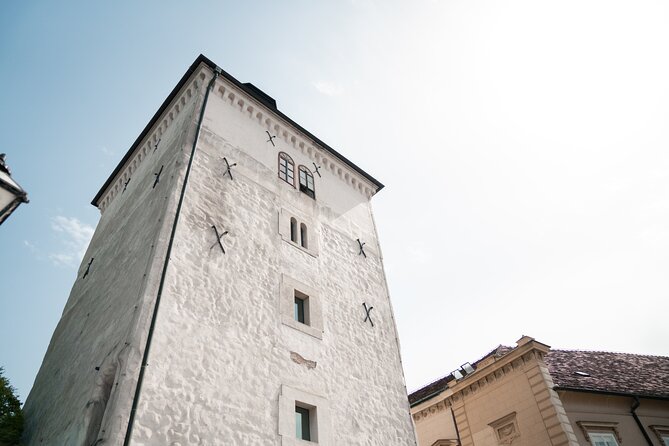
From Dolac, the walk continues to Krvavi Most, or Bloody Bridge. Today it is a street, but it was once a bridge and the scene of battles and disputes. The name alone gives the guide a natural opening for a story about conflict in Zagreb’s past.
This stop shows how much of Zagreb’s history is built into ordinary streets. You are not only looking at grand buildings. You are also walking through places whose names preserve older arguments, divisions, and events.
The route then reaches Petrini Pyli, a historic entrance to the Old Town. Here you see the chapel of the city’s patron saint and one of the world’s oldest pharmacies, according to the tour description. The stop lasts about 10 minutes.
These details are easy to miss if you walk alone. Zagreb’s Upper Town can look compact on a map, but its meaning is spread through gateways, small chapels, narrow routes, and old street names. A local guide helps you notice why these modest spots matter.
The practical catch is the terrain. One direct review describes plenty of walking, hills, and many stairs. Wear shoes that can handle a two-hour city walk, and be ready for a route that is active rather than leisurely.
Still Zagreb, at a slower pace:
- Plitvice Lakes with Ticket & Rastoke Guided Tour from Zagreb
★ 5.0 · 966 reviews - Zagreb: Small Group Walking Tour City Center and WW2 Tunnels
★ 4.9 · 895 reviews - Zagreb: Skip-the-Ticket-Line Museum of Broken Relationships
★ 4.5 · 847 reviews - Zagreb: City and WWII Tunnels Walking Tour
★ 4.9 · 845 reviews
St. Mark’s Square and Zagreb’s political center
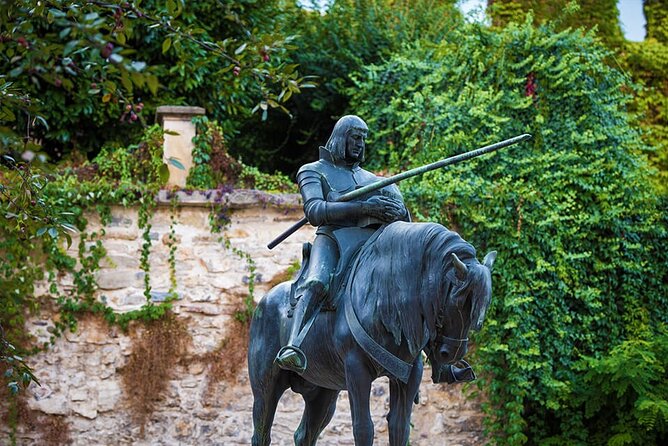
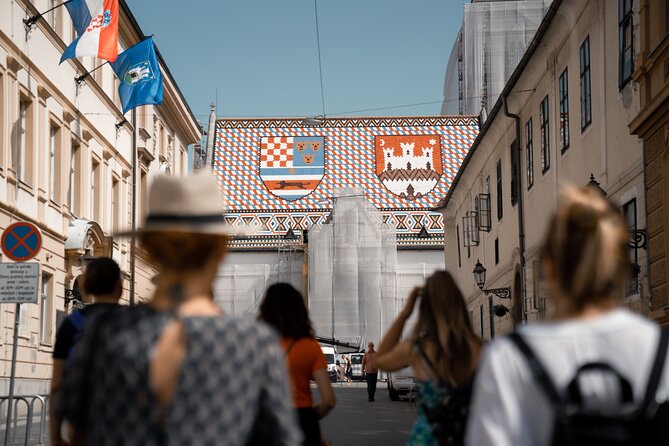
St. Mark’s Square receives about 20 minutes, making it one of the longer stops. Its centerpiece is St. Mark’s Church, recognized by its colorful tiled roof. The square also contains Croatia’s Parliament and Government buildings.
This is a powerful stop because religion, government, and national identity meet in one compact space. The roof draws your eye first, but the guide’s explanation gives the square more weight. You learn not only what you are looking at, but why this small Upper Town space matters to Croatia.
The tour’s local angle is especially useful here. Guides such as Darko and Diana have been praised for mixing facts with humor, while Ena has been noted for sharing personal observations about life in Zagreb and offering suggestions for places to eat and things to do afterward. That style can make political and historical subjects easier to follow.
Do not count on entering every building. Access to churches and historic sites can be limited, especially after earthquake damage. The value of the stop is the outside view, the setting, and the explanation.
Inside the Gric Tunnel
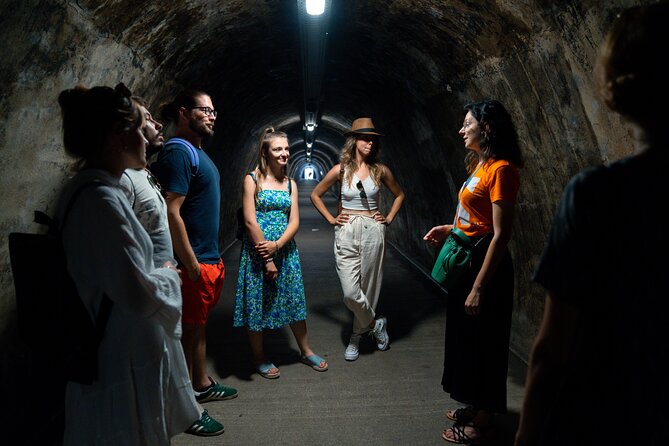
The Gric Tunnel gives this walk its most unusual stop. You spend about 20 minutes walking through tunnels built by the fascists during World War II.
After a route of markets, squares, and old stone buildings, the tunnel changes the mood. It gives you a physical sense of Zagreb’s wartime past instead of presenting the subject only through dates and names. The setting is also a welcome change from the usual city-center sightseeing route.
The tunnel is not a separate museum visit with a long presentation. It is part of the walking route, and the guide supplies the context. Kristina has been praised for making the WWII tunnel portion engaging and for combining it with a broader explanation of Zagreb’s past.
If wartime sites are important to you, this stop is a useful reason to choose this tour over a standard old-town walk. If you dislike enclosed spaces, note that the route includes a tunnel walk. The supplied details do not describe its exact length, lighting, or accessibility, so you may want to ask the operator if that matters to you.
What the guides add to the route
A city walk can be dull when it becomes a list of dates and façades. This tour seems to rely heavily on the personality of the guide, and that is a strength when you get someone like Diana, Darko, Ena, Ivana, Iva, or Kristina.
Diana has been praised for adding humor to her stories. Darko is described as friendly, proud of Croatia, and good at keeping a group engaged at a comfortable pace. Ena is noted for funny explanations, local suggestions, and a personal view of Zagreb. Ivana is praised for her enthusiasm and passion for the city, while Iva is recognized for explaining Croatian history and culture in excellent English.
Those details matter because the route itself is fairly concentrated. You are not crossing the whole city or visiting a long list of ticketed attractions. The guide’s stories are what turn the walk from a map-reading exercise into a useful introduction.
The operator provides a certified local guide with more than 500 tours of experience. That does not guarantee that every guide will have the same style, but it does suggest that the tour depends on people who know how to manage the route and speak about Zagreb with confidence.
How much walking and time should you expect?
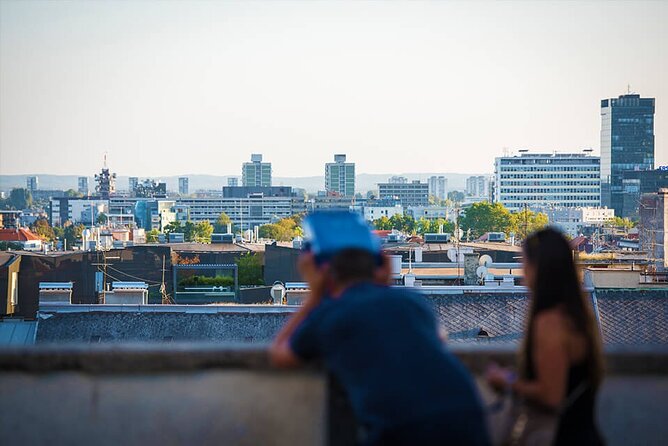
The stated duration is approximately two and a half hours, with the highlights also described as a three-hour private walk. One report of the experience finished after exactly two hours while still covering the planned stops.
That difference is worth noting when you arrange the rest of your day. I would reserve at least three hours around the start time, including the chance of a slower group, questions, and pauses. If your guide moves briskly, you may be free earlier.
The route includes Ban Jelačić Square, the cathedral, Dolac Market, Bloody Bridge, Petrini Pyli, St. Mark’s Square, and the Gric Tunnel. Several stops last 10 to 20 minutes, with the rest of the time used to walk and talk.
Because the tour is on foot, weather affects comfort. The supplied information does not list a weather policy, so check conditions before leaving and dress for a morning outside. The tour runs every day at 10:30 a.m., and it ends back at Ban Jelačić Square.
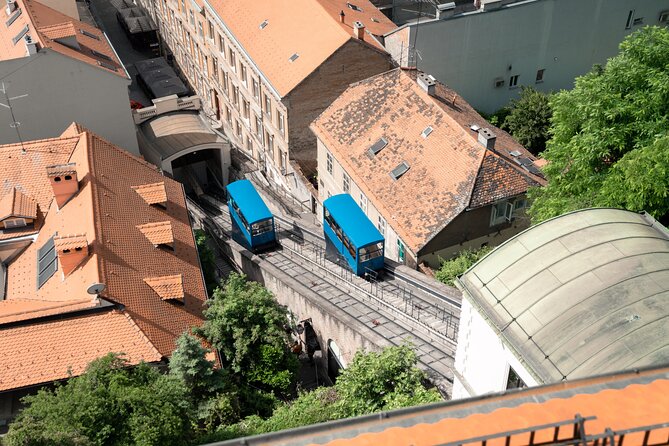
Most people can participate, and service animals are allowed. The meeting point is near public transportation, but the tour itself does not include a vehicle ride. The funicular is mentioned in the experience highlights as part of reaching the Old Town, though the provided stop-by-stop details do not specify a separate ticket or ride arrangement. Confirm that point with the operator if riding the funicular is essential to your plans.
Is $23.98 good value?
At $23.98 per person, this is priced as an affordable guided introduction rather than a full food tour or paid attraction package. The main thing you are buying is the guide’s time, local interpretation, and the convenience of seeing Zagreb’s central sights in a planned order.
The value is strongest if you are visiting Zagreb for the first time, have only a day or two, or prefer to understand a place before exploring on your own. A private guide can answer questions about food, customs, history, and practical places to visit afterward. That personal attention is harder to get on a large group walk.
The price is less compelling if you already know Zagreb well or want long interior visits. Admission to the listed stops is free, and the tour is mainly an outdoor walk with a tunnel visit. You are paying for explanation and organization, not a pile of entrance tickets.
The minimum booking requirement is two people. The maximum group size is 15, although the private format is designed to keep the guide’s attention on your party. Confirmation is normally issued at booking, subject to availability when booked within one day of the start.
Free cancellation is available if you cancel at least 24 hours before the local start time. Changes or cancellations inside that window are not accepted for a refund, and the operator may offer another date or a full refund if the minimum number of participants is not met.
Who should book this Zagreb walking tour?
I would choose this tour if you want a fast, story-led introduction to Zagreb rather than a day built around museums. It works especially well for first-time visitors, people staying briefly, families with older children, and anyone who wants a local voice before deciding where to eat and what to see next.
It can also suit teenagers. One guide’s humor and use of personal stories were specifically praised as effective for both younger people and adults. That matters on a walking route where attention can fade during long explanations.
You should think twice if stairs, hills, or enclosed spaces are difficult for you. The route is active, and some historic buildings may not be open because of earthquake repairs. You should also avoid booking it if you need a precise three-hour finish, since the walk may end closer to two hours.
Final verdict: a smart first morning in Zagreb
I would book Best of Zagreb with the WW2 Tunnels for a first look at the Croatian capital. The route covers the essential central sights, but the market, Bloody Bridge, old entrance, and wartime tunnel keep it from feeling like a simple monument checklist.
The biggest benefit is the guide. Diana, Darko, Ena, Ivana, Iva, and Kristina are all praised for warmth, humor, clear English, and local insight. Since the sights are close together and many are viewed from outside, the quality of the storytelling matters more than the number of stops.
Book it early in your Zagreb stay so you can use the guide’s suggestions afterward. Allow for hills and stairs, plan around a possible two-hour finish, and treat the cathedral and other interiors as uncertain because of earthquake repairs. For roughly $24 per person, this is a practical way to get your bearings, hear the city explained by someone from Zagreb, and leave with a better plan for the rest of your visit.
FAQ
Where does the tour begin?
The tour begins at Ban Jelačić Square, Trg bana Josipa Jelačića, in Zagreb.
Where does the tour end?
The activity ends back at Ban Jelačić Square, the same place where it starts.
What time does the tour start?
It starts at 10:30 a.m.
How long does the tour last?
The approximate duration is two and a half hours, and the experience is also described as a three-hour walk. One recorded tour finished after exactly two hours, so allow for some variation.
Does the tour operate every day?
Yes. The tour operates daily and starts at 10:30 a.m.
What is the price?
The listed price is $23.98 per person.
Is this a private tour?
Yes. It is presented as a private walking tour, with a maximum of 15 participants.
Is there a minimum number of people required?
Yes. A minimum of two people per booking is required.
Is the tour suitable for most people?
Most people can participate, but the walk includes hills and many stairs. Service animals are allowed.
Can I cancel for a refund?
You can cancel for a full refund up to 24 hours before the experience start time. Cancellations and changes made less than 24 hours before the start are not accepted for a refund.
Just added around Zagreb
- Drava Rafting Safari★ 4.5 · 18 reviews
- Toast to the Morning After: Zagreb Museum of Hangovers Visit★ 4.0 · 39 reviews
- From Split: Transfer to Zagreb with Stop at Plitvice Lakes★ 4.6 · 44 reviews
- Severin na Kupi: Canoeing and Kayaking on the Kupa River★ 4.6 · 22 reviews
- Rafting/Kayaking adventure river Kupa★ 4.4 · 21 reviews
- Private Walking Tour of Zagreb★ 4.9 · 5 reviews
- Jump into Zagreb: Walking Tour with local guide★ 4.8 · 3 reviews
- From Zagreb: Varazdin Baroque Town & Trakoscan Castle★ 4.9 · 38 reviews
Zagreb Tours, compared.
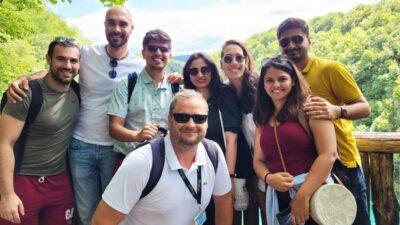
Plitvice & Rastoke Guided Day Trip with Ticket
Read our review →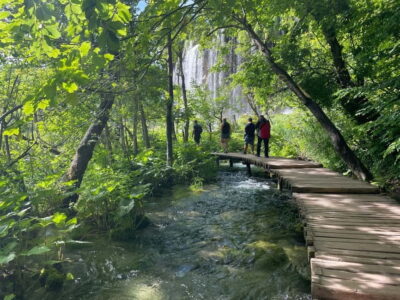
Rastoke & Plitvice Lakes Guided Tour with Ticket
Read our review →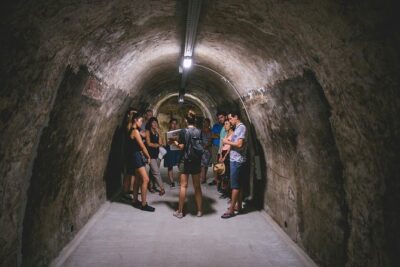
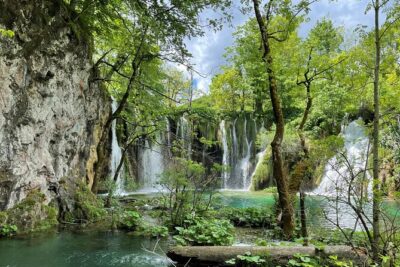
Plitvice Lakes with Ticket & Rastoke Guided Tour from Zagreb
Read our review →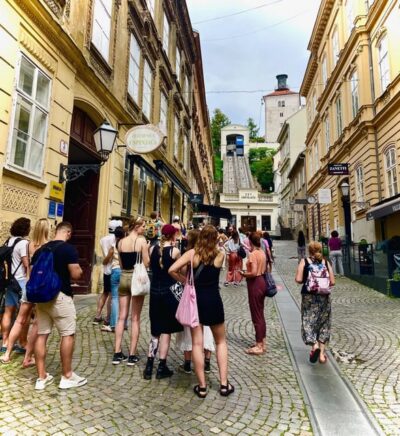
Small Group Walking Tour City Center and WW2 Tunnels
Read our review →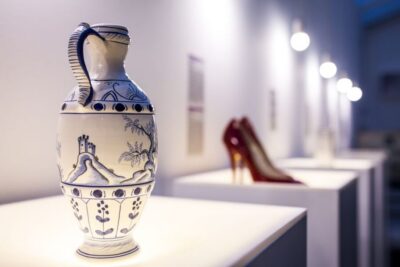
Skip-the-Ticket-Line Museum of Broken Relationships
Read our review →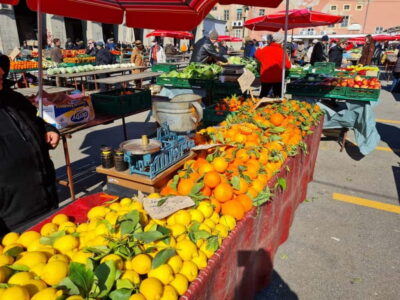
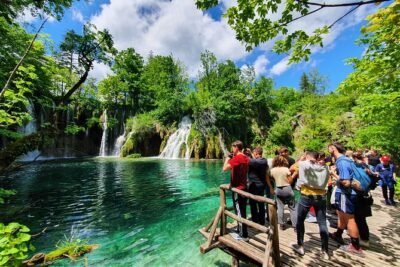
Plitvice and Rastoke day trip from Zagreb w/ticket (guar. dep.)
Read our review →Browse the lists this tour appears in