
Reviewed · MUSEUMS
Zagreb: Nikola Tesla Technical Museum Ticket
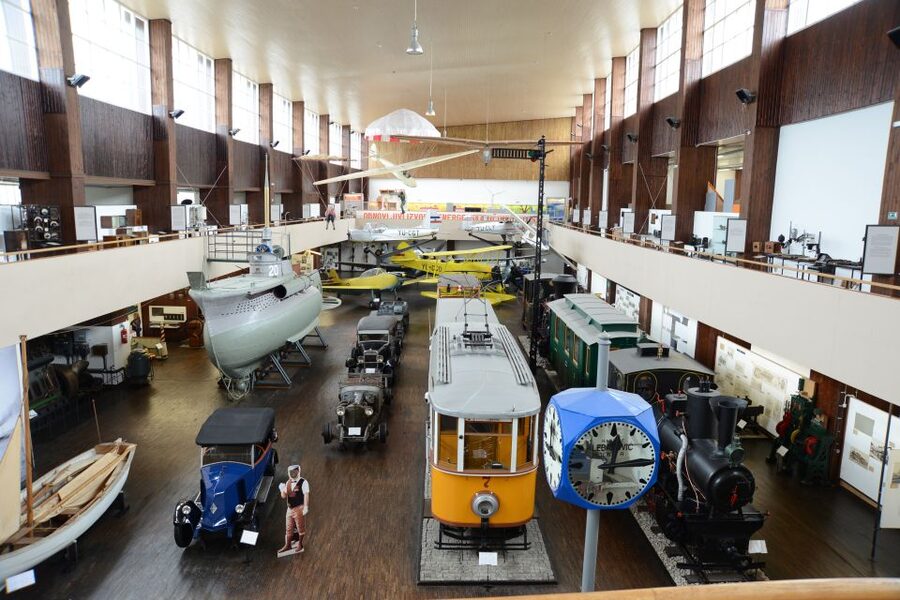
Electricity gets a stage here. Zagreb’s Nikola Tesla Technical Museum combines hands-on Tesla demonstrations with an enormous collection of engines, vehicles, aircraft, mining tools, and energy equipment. I like the Tesla Cabinet, where experiments turn science into a live show, and I like the real underground mine, which gives the museum a welcome sense of adventure. The only catch is that some displays have limited English information, so the free guided sessions are worth planning around.
At $8 per person, this is a strong-value stop for anyone interested in machines, science, transport, or industrial history. I would allow at least 90 minutes, and closer to two or three hours if you want to examine the turbines, cars, aircraft, spacecraft, farming equipment, and renewable-energy exhibits properly. The museum is less polished than Zagreb’s major art museums, but its huge specimens and practical demonstrations make it especially good on a rainy afternoon.
The best timing is 3:00 PM Tuesday through Friday or 11:00 AM Saturday and Sunday. Those times may include a free tour of the mine and a demonstration of Tesla’s experiments, including English presentations. Guides such as Eva and Tonka have earned praise for making the technical material lively and easy to follow.
In This Review
- Key points to know before you go
- Why the $8 ticket earns its place in Zagreb
- Start with the free Tesla demonstration
- Walk below ground in the museum mine
- Follow the machines from steam to electricity
- See Zagreb’s technical past on wheels and wings
- Explore energy, geology, and the less expected rooms
- Do not skip farming, bees, and renewable energy
- Language, timing, and comfort matter
- Getting there and parking advice
- Who will enjoy this museum most?
- Should you book the Nikola Tesla Technical Museum?
- FAQ
- How much does admission to the Nikola Tesla Technical Museum cost?
- How long is the ticket valid?
- Is a guided tour included?
- Are the Tesla demonstrations free?
- Is the guided demonstration available in English?
- Can wheelchair users visit the museum?
- Can I bring food and drinks inside?
Key points to know before you go
- Tesla’s experiments are the highlight: The cabinet uses live demonstrations to explain electricity, high voltage, and Tesla’s ideas.
- The mine is a real change of pace: You leave the exhibition halls and enter an underground section with a guided visit at set times.
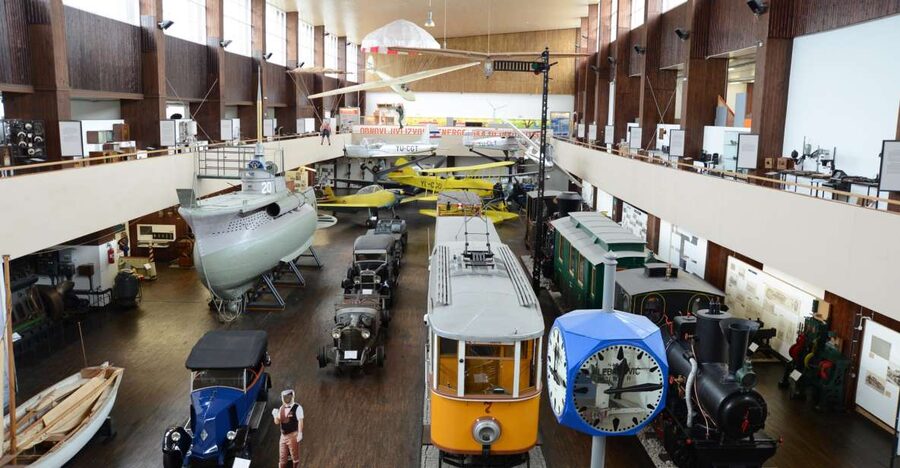
- The collection goes far beyond Tesla: Expect generators, turbines, cars, motorcycles, aircraft, railway equipment, radios, farming tools, and spacecraft.
- Plan around the free tours: The 3:00 PM weekday session and 11:00 AM weekend session can add much more meaning to the displays.
- English coverage is uneven: Many objects have English boards, but not all. Audio is available in several languages, though it may not be obvious when you arrive.
- Mobility is a concern: The experience is not suitable for wheelchair users or people with mobility impairments.
Why the $8 ticket earns its place in Zagreb
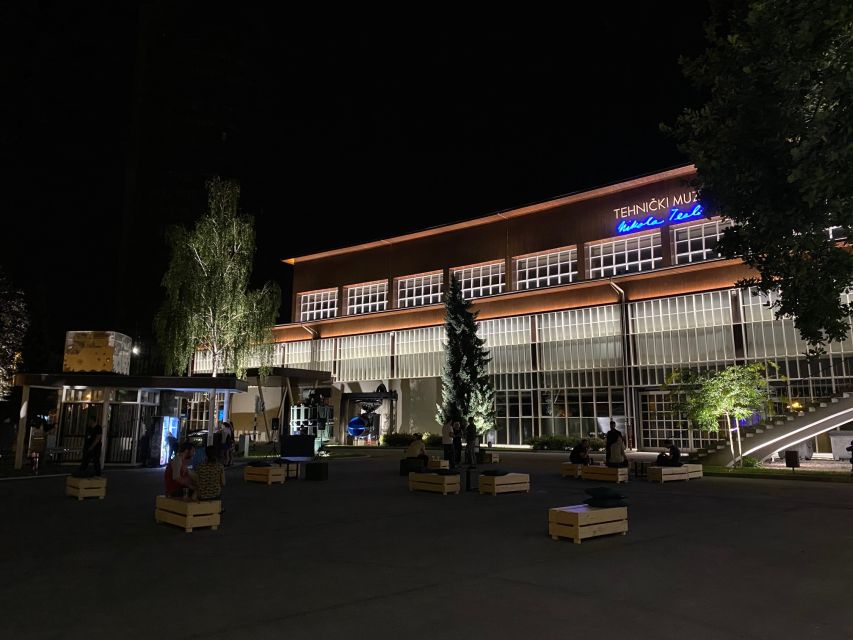
At $8, this is not a major financial gamble. The bigger question is your interest and available time. If you have only two or three days in Zagreb and prefer grand buildings, food, or art, this museum may not be your first choice. If you like seeing how machines work, though, the ticket buys access to a large collection rather than one narrow display.
I find the value strongest because the museum covers several centuries of practical technology. You can move from early mechanical equipment to electrical generators, transport, communications, nuclear technology, and renewable energy. The objects are often large and genuine, not tiny models behind glass. That scale gives the visit weight: a real engine or aircraft tells you more about engineering limits than a paragraph on a wall.
The ticket is valid for one day, so you have room to set your own pace. The museum is not a quick Tesla shrine. It is a technical museum with Tesla as one of its most exciting chapters. That distinction matters. If you arrive expecting a small collection devoted only to the inventor, you may be surprised by the size and range of the place.
More museums and galleries in Zagreb:
- Zagreb: Skip-the-Ticket-Line Museum of Broken Relationships
★ 4.5 · 847 reviews - Zagreb: Museum of Illusions Entrance Ticket
★ 4.0 · 261 reviews - Museum of Illusions Zagreb
★ 4.0 · 197 reviews
Start with the free Tesla demonstration
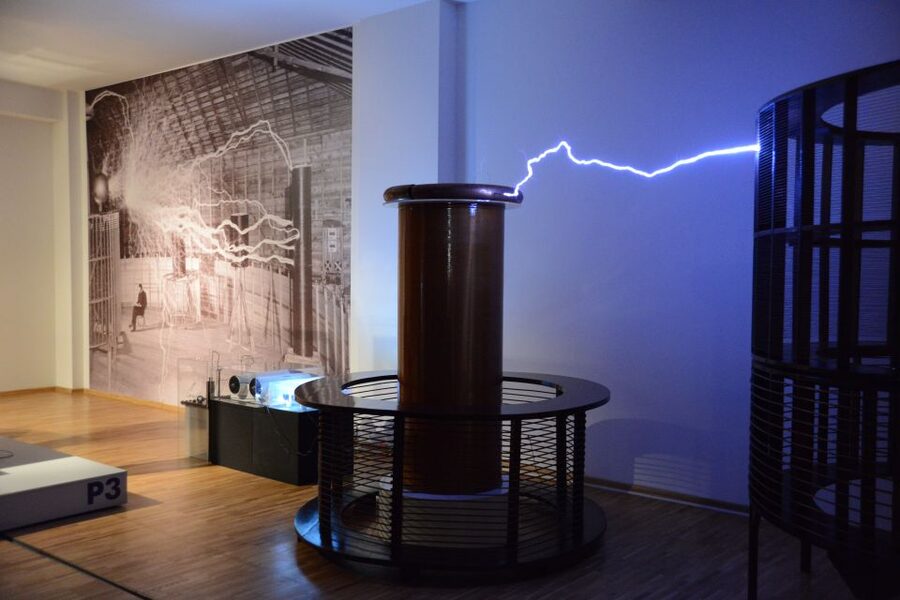
Tesla’s name draws most people through the door, and the Nikola Tesla Cabinet is the natural place to focus your visit. Its demonstrations let you see scientific principles in action instead of simply reading about them. High-voltage effects and Tesla coils are among the most memorable parts of the museum.
I especially like the way this section makes the subject accessible to children and adults who are not engineers. You do not need a technical background to appreciate a controlled burst of electricity or to understand why alternating current changed modern life. The demonstrations give shape to ideas that can otherwise feel dry on a museum label.
The best arrangement is to visit during the scheduled free demonstration. Aim for 3:00 PM from Tuesday to Friday, or 11:00 AM on Saturday or Sunday. The exact program can include both the mine tour and Tesla experiments, so check the available time before you arrive.
Ask if the demonstration is offered in English. It can be, and this makes a real difference if you cannot read Croatian. Eva has been praised for her clear guiding and local context, while Tonka has been noted for her strong command of the subject. The guide can turn a room of wires and coils into a story about invention, risk, and the way scientific ideas reach ordinary life.
One practical point: the Tesla Cabinet is not the whole museum. Give yourself time after the demonstration. It would be easy to spend the entire visit here and miss the transport halls, mine, energy displays, and older mechanical equipment.
Walk below ground in the museum mine
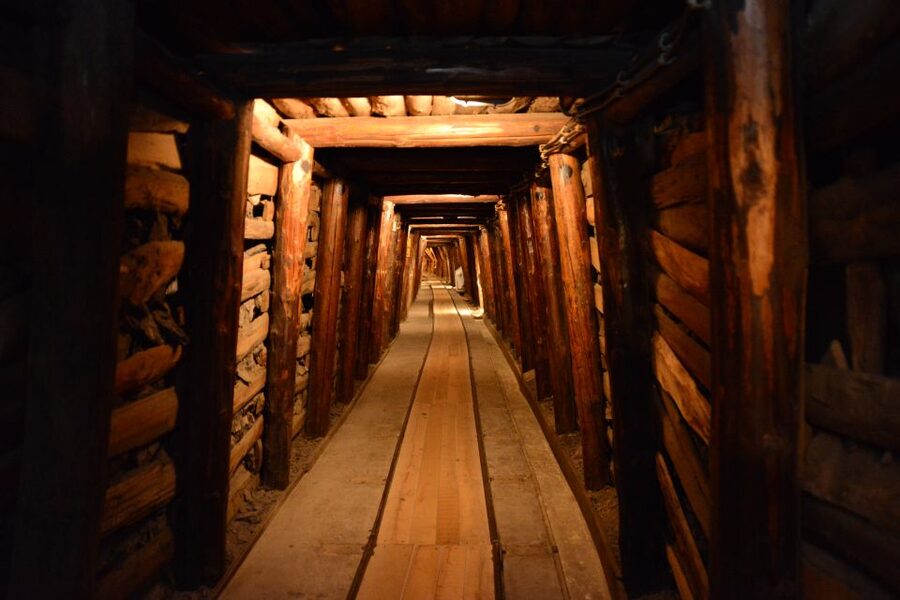
The underground mine adds a physical element that many technical museums lack. Rather than looking at mining tools from a distance, you walk through a purpose-built underground section and see how extraction spaces are organized.
This part is especially useful for families and anyone who learns better by moving through a place. The mine changes the rhythm of the visit. After rooms filled with machines, you enter a darker, more enclosed setting that shows the working conditions behind raw materials and industrial growth.
The mine visit is guided at the advertised times, so do not assume you can simply arrive whenever you like. If you reach the museum early, you may finish much of the general collection before the tour begins. One visitor arrived at 9:30 AM and had seen most of the displays by 10:30 AM, then missed the later tour and demonstration by leaving too soon. That is a useful warning: check the schedule first, then build your visit around it.
The mine may not suit people with limited mobility. The activity is specifically not suitable for wheelchair users or people with mobility impairments. If that applies to you, consider asking staff which exhibition areas are easiest to access before committing to the full visit.
Follow the machines from steam to electricity
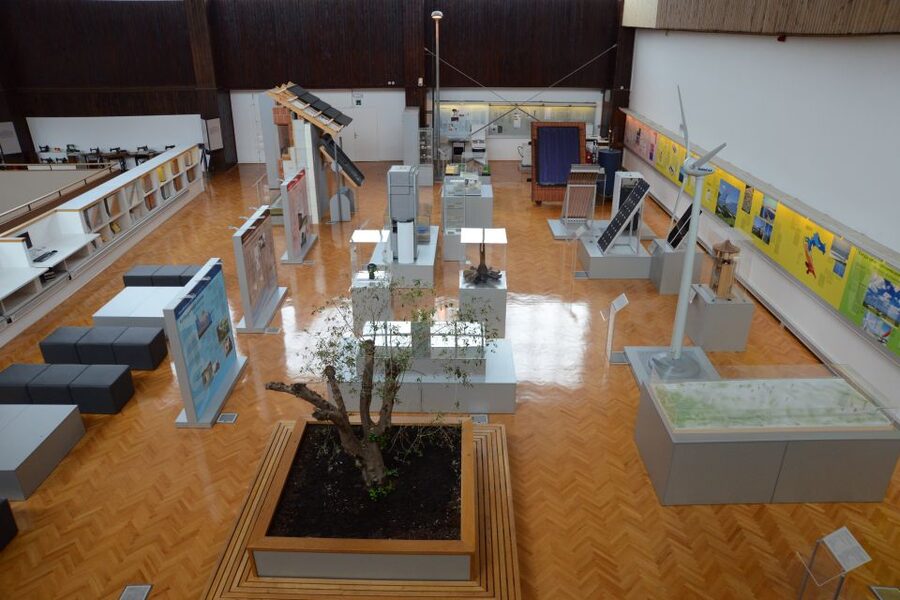
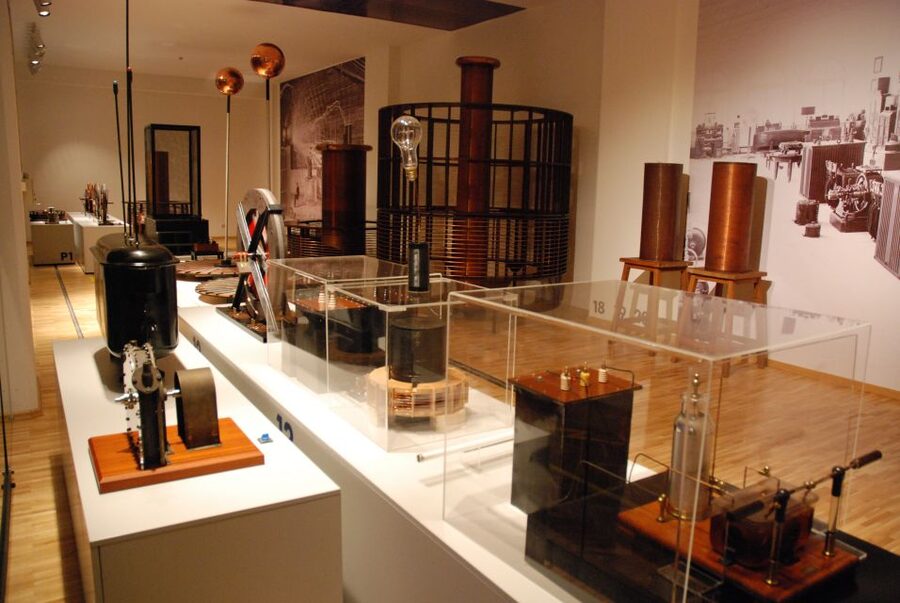
The museum’s strongest material is its machinery. The exhibition includes turbines, generators, engines, mills, motors, and other equipment that shows how energy became useful work.
I enjoy this section because it makes technological change visible. A machine that once represented the latest progress can look surprisingly old beside a modern example. The contrast helps you understand how quickly engineering moved during the last century, especially in power generation, manufacturing, transport, and computing.
Mechanical engineers and science students may want to spend much longer here. Large turbines and generators reward close inspection, with shapes and construction details that photographs cannot fully explain. You can see the physical scale of the systems that powered factories, transport networks, and electrical infrastructure.
The museum also connects these machines to agriculture. Old presses, farming tools, and other equipment show how technology changed food production. A large wine press from 1924, for example, offers a memorable comparison with modern grape-processing machinery. It is a simple way to picture how quickly farms and wineries adopted mechanization.
You might find some sections old-fashioned in presentation. Clearer labels and more consistent maintenance would help, especially for international visitors. Still, the objects themselves are the reason to come. I would rather see a genuine, slightly worn machine than a glossy display that hides how the thing was built.
A few more Zagreb trips worth comparing
- From Zagreb: Plitvice & Rastoke Guided Day Trip with Ticket
★ 4.9 · 2,955 reviews - Zagreb: Rastoke & Plitvice Lakes Guided Tour with Ticket
★ 4.9 · 1,897 reviews - Communism & Croatian Homeland War Tour
★ 5.0 · 1,355 reviews - Best of Zagreb with the WW2 Tunnels
★ 5.0 · 973 reviews
See Zagreb’s technical past on wheels and wings
The transportation department is one of the easiest sections to enjoy without specialist knowledge. It includes bicycles, motorcycles, cars, aircraft, and railway-related equipment. You can move through the changes in personal and public transport while seeing how design responded to speed, fuel, safety, and distance.
The cars and motorcycles appeal to visitors who may not care much about electrical theory. The aircraft add another sense of scale, while railway objects connect the museum to the movement of people and goods. The collection is broad enough that different members of a family can find separate favorites.
The aeroplane-engine displays are particularly useful if you want to understand what made flight possible. Instead of treating aviation as a glamorous subject, the museum shows the engines and technical systems that made it work. That practical focus fits the museum well.
You can get close to many of the objects, which helps you notice their size and construction. The displays are not always highly interactive, though. If you are bringing children, the Tesla demonstrations may hold their attention better than the static collections. The transport halls work best when you encourage children to compare old and modern machines or pick out the parts they recognize.
Explore energy, geology, and the less expected rooms
The museum spreads well beyond engines and vehicles. Its permanent exhibitions include geology and oil, geodetics, cadastre, firefighting, radioactive waste, radio and wireless communication, astronautics, and a planetarium.
That variety can feel surprising. One room may deal with measuring land, while another explains energy or displays equipment connected with space. I like this broad approach because it shows technology as a network of practical problems rather than a line of famous inventions.
The firefighting material gives a human scale to industrial technology. Geology and oil connect machines to the materials beneath the ground. Geodetics and cadastre show the technical systems used to measure and record land. These are not glamorous subjects, but they help explain how modern cities, farms, roads, and industries are organized.
The section on radioactive waste may appeal to visitors interested in nuclear energy and public safety. The astronautics and planetarium area takes the story in another direction, from the underground mine to outer space. That range is part of the museum’s charm, though it also means the visit can feel less tightly organized than a specialist museum.
Do not skip farming, bees, and renewable energy
Two of the most unexpected themes are agriculture and beekeeping. The museum includes foundations of agriculture and an apiary, showing that technology is not only about factories, power plants, and spacecraft.
I find these rooms useful because they broaden the meaning of technical progress. A tool used on a farm or in an apiary can change daily work just as much as a motor or generator. These exhibits may not be the reason you buy the ticket, but they add welcome variety to a long museum visit.
The renewable-energy and energy-efficiency displays bring the collection into the present. After seeing older engines and machines, you can consider how energy use affects current life and future choices. The subject does not sit apart from the museum’s older material. It is the next chapter in the same story: how people produce, move, store, and use power.
This part may interest environmentally minded visitors, though the displays are not all equally interactive. If you want a museum built around touch screens and constant participation, this is not that kind of place. Its strength is the combination of real equipment, demonstrations, and historical comparison.
Language, timing, and comfort matter
English information is available for many exhibits, but not every object has an English description. An audio guide is available in several languages, although it may not be clearly noticed until after you have started exploring. Ask about it when you enter so you can decide how much help you need.
The free guided sessions are the best answer to the language issue. They give you context that short labels cannot, and the Tesla demonstration can be presented in English. I would plan around one of these sessions rather than treating it as an optional extra.
Allow at least an hour and a half for a quick visit. Two hours is more comfortable, and a technically minded visitor could spend most of a day examining the engines, turbines, vehicles, aircraft, communications equipment, and energy displays.
Opening hours can limit what you see, particularly on Sunday. One-hour visits may feel rushed because the museum covers so much ground. Check the day’s hours before setting out and avoid arriving near closing time.
The building can also feel cold in winter. A December visit was described as uncomfortable because of a lack of heating, especially for small children. Spring and summer may be more pleasant, but the museum can also make sense as a rainy-day activity. Bring an extra layer in colder months.
Food and drinks are not allowed inside. Plan your snack or coffee before or after the visit.
Getting there and parking advice
The museum is in Zagreb, and visitors arriving by rental car should pay attention to the approach. Navigation may lead you to the entrance, but that does not mean you can park there.
A practical parking tip is to continue past the gate along the tram lane, take the first right, and stay to the right. A rear entrance behind the museum building leads toward parking, which has been reported at about 1.50 euros per hour. Treat that as a guide rather than a guaranteed current price.
If you are walking or using public transport, the key point is simply to allow enough time for arrival before a scheduled tour. Missing the 3:00 PM or 11:00 AM session can change the whole shape of your visit.
Who will enjoy this museum most?
I would recommend it first to people who like science, engineering, transport, industrial design, or the practical side of history. Mechanical engineers and science graduates can easily spend several hours with the turbines, motors, generators, engines, and aircraft.
Families can also have a good visit, especially if they attend the Tesla demonstration and mine tour. The live experiments create a clear focal point for younger visitors. The static exhibits are less suited to children who need constant activity, since not every object can be touched or operated.
The museum is a smart choice on a rainy day, or when you want something different from Zagreb’s churches, galleries, and historic streets. It is less urgent if you have only a short stay and no real interest in technology. I would not call it essential for every first visit to Zagreb, but I would call it one of the city’s best-value choices for curious minds.
Should you book the Nikola Tesla Technical Museum?
Book it if you want more than a Tesla biography. The real appeal is the combination of live electrical experiments, an underground mine, huge machines, transport displays, agriculture, communications, space technology, and renewable energy.
The $8 price is fair, and the free guided tour adds extra value when you time your visit well. I would reserve with the option to cancel up to 24 hours ahead if your Zagreb schedule is uncertain, and the reserve-now, pay-later option keeps your plans flexible.
Skip it if you dislike technical museums, need full wheelchair access, or have only a few hours in Zagreb and want to focus on the city’s best-known sights. For everyone else, check the guided-tour time, bring a little patience for uneven English labeling, and give the museum enough time to show its full range.
FAQ
How much does admission to the Nikola Tesla Technical Museum cost?
The ticket costs $8 per person.
How long is the ticket valid?
The ticket is valid for one day.
Is a guided tour included?
A free guided tour through the museum’s mine and a demonstration of Tesla’s experiments may be available at 3:00 PM Tuesday through Friday, or at 11:00 AM Saturday and Sunday.
Are the Tesla demonstrations free?
Yes. The Tesla experiment demonstration is free of charge when offered as part of the scheduled museum program.
Is the guided demonstration available in English?
The Tesla demonstration can be offered in English. English descriptions are available for many, but not all, exhibits, and an audio guide is available in several languages.
Can wheelchair users visit the museum?
The experience is not suitable for wheelchair users or people with mobility impairments.
Can I bring food and drinks inside?
No. Food and drinks are not allowed inside the museum.
Just added around Zagreb
- Drava Rafting Safari★ 4.5 · 18 reviews
- Toast to the Morning After: Zagreb Museum of Hangovers Visit★ 4.0 · 39 reviews
- From Split: Transfer to Zagreb with Stop at Plitvice Lakes★ 4.6 · 44 reviews
- Severin na Kupi: Canoeing and Kayaking on the Kupa River★ 4.6 · 22 reviews
- Rafting/Kayaking adventure river Kupa★ 4.4 · 21 reviews
- Private Walking Tour of Zagreb★ 4.9 · 5 reviews
- Jump into Zagreb: Walking Tour with local guide★ 4.8 · 3 reviews
- From Zagreb: Varazdin Baroque Town & Trakoscan Castle★ 4.9 · 38 reviews
Museums, compared.

Blue Lagoon & Underwater Museum from Split with Lunch & Drinks
Read our review →
Skip-the-Ticket-Line Museum of Broken Relationships
Read our review →
PREMIUM Emperor’s Walking Tour for History Lovers + Museum
Read our review →
Klis Fortress GOT and Olive Museum Entry Tickets
Read our review →

Browse the lists this tour appears in