
Reviewed · MUSEUMS
Zagreb: Skip-the-Ticket-Line Museum of Broken Relationships
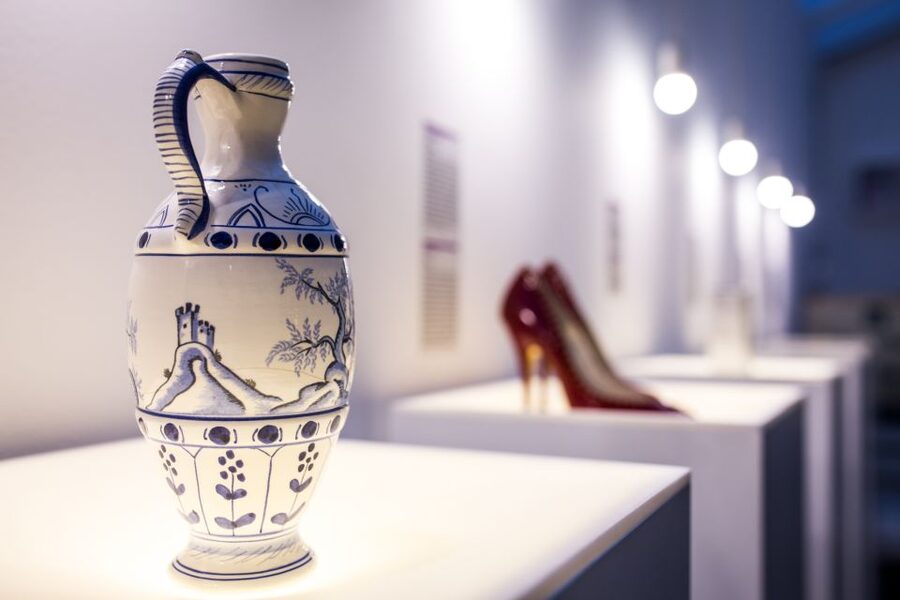
Heartbreak makes an unusual museum. Zagreb’s Museum of Broken Relationships turns ordinary objects into small windows on love, loss, family, friendship, addiction, and letting go. Each item comes with an anonymous story from its contributor, so the visit feels less like looking at old possessions and more like meeting people through the things they left behind.
I like the museum’s mix of sadness and humor, and I like that the stories come from people around the world rather than from famous figures. The $8 admission is fair for a central Zagreb stop, especially if you enjoy reading. The main drawback is size: you may finish in 30 to 45 minutes if you read selectively, though careful readers can spend about 1 to 1.25 hours.
In This Review
- Key points to know before you go
- What the Museum of Broken Relationships is really about
- Entering the exhibition with a skip-the-line ticket
- The first rooms: ordinary objects with surprising weight
- From laughter to tears in one short visit
- Why the anonymous stories work so well
- How long you should allow at the museum
- Is $8 a fair price?
- Practical details that affect your visit
- Who will enjoy this museum most
- Should you book the Museum of Broken Relationships?
- FAQ
- How much does entry to the Museum of Broken Relationships cost?
- How long does the visit take?
- Is the museum only about romantic relationships?
- Are the exhibits available in English?
- Is the museum wheelchair accessible?
- Can I bring food, drinks, or luggage inside?
- What is the last entrance time?
- Is the skip-the-line ticket always necessary?
- Can I cancel my booking?
Key points to know before you go
- About 100 personal stories on display: Each object is paired with an anonymous account of the relationship it represents.
- Not only about romantic breakups: The collection also includes stories involving parents, grandparents, friends, identity, and addiction.
- A strong mix of moods: Expect funny, strange, tender, uncomfortable, and genuinely sad moments in the same visit.
- Reading is the main activity: The objects are often simple, but their captions carry the meaning.
- Skip-the-line value depends on timing: Some visitors found no queue, while others liked having an online ticket for a smoother arrival.
- Allow 30 to 75 minutes: The museum is small, but the amount of text can slow you down.
What the Museum of Broken Relationships is really about
This is not a museum of grand romance. It is a museum of what remains after a relationship changes or ends.
The objects are often everyday things. Their power comes from the story attached to them. A plain item can suddenly feel heavy once you learn why someone kept it, gave it away, or donated it as a way to reach closure. The exhibition asks you to look past the object and consider the person who once held it.
That idea gives the museum its emotional pull. You do not need to know the contributors, and you are not given a full account of their lives. You get a fragment, usually anonymous, and enough detail to imagine the relationship behind it.
I like this restraint. The museum does not force one lesson about heartbreak. Some stories express anger. Others show regret, relief, revenge, affection, or graceful acceptance. A few are funny enough to break the tension. That change of mood keeps the visit from becoming one long sad walk.
The collection also avoids treating love as only romantic. You may encounter stories connected to family, friendship, identity, or addiction. That broader view matters because loss does not come in one shape. A breakup between partners is only one kind of separation.
More museums and galleries in Zagreb:
- Zagreb: Nikola Tesla Technical Museum Ticket
★ 4.5 · 520 reviews - Zagreb: Museum of Illusions Entrance Ticket
★ 4.0 · 261 reviews - Museum of Illusions Zagreb
★ 4.0 · 197 reviews
Entering the exhibition with a skip-the-line ticket
Your ticket provides entry to the museum and is valid for one day. The skip-the-line feature can be useful during a busy period, but it is not always essential.
Several people found little or no queue, especially during quieter times or close to closing. One person arrived 30 minutes early and was allowed in, which suggests the staff can be accommodating when space permits. At other times, online booking offered peace of mind and helped avoid an unexpected wait.
The museum is limited to a small group of up to 10 participants. That sounds comfortable, but the exhibition itself is small, so crowd levels still matter. One visit became too crowded and hot by the time the person was leaving. If you prefer a calm reading experience, choose a quieter time rather than assuming a skip-the-line ticket will solve every space problem.
The staff receive frequent praise for being kind and helpful. This is a self-guided museum experience rather than a standard guided tour, though a guide named Diana was specifically praised in one visit. Check the exact booking details if a guided option matters to you, since the basic admission includes the museum entry rather than a guaranteed personal tour.
The first rooms: ordinary objects with surprising weight
At the start, give yourself time to adjust to the format. You are not moving from one famous painting to another. You are reading short personal accounts beside objects that may look almost meaningless at first glance.
The first few displays explain how the exhibition works. A personal possession becomes a record of a relationship. The caption provides the emotional key, and your reaction may change quickly from amusement to sadness.
This is why I would not rush through the room. The objects do not always explain themselves. If you only glance at them, the museum can seem sparse. If you read the accompanying text, the displays gain a human scale.
The captions are in Croatian and English. Other languages are available through QR codes or booklets, which is useful if you are not comfortable reading English. Still, this is a text-led exhibition, so language access will affect how much you get from the visit.
Some people can read every description. Others will prefer to choose a few that catch their attention. Both approaches work, but the museum rewards patience. One visitor described reading every word and enjoying every minute, while another found the captions smaller than ideal. If your eyesight is limited, take your time and expect the labels to require close reading.
From laughter to tears in one short visit
The best feature of the museum is its emotional range. You may smile at one story, feel uncomfortable at the next, and then find yourself quietly sad a few steps later.
The humor is not there to make light of pain. It feels more like the humor people use when looking back at a difficult period. That balance gives the exhibition warmth. Without it, the museum could become exhausting.
Some accounts are deeply personal and may remind you of your own experiences. The museum describes an empathetic journey into the need for love and connection, and that can feel accurate when a story touches a familiar nerve. You do not need to have experienced a major breakup to connect with the displays, but people who have known heartbreak may find certain letters especially affecting.
The visit can also be disturbing at times. That is not a flaw, but it is worth knowing before you enter. This is not a cheerful collection of romantic souvenirs. It includes pain, anger, damaged trust, and difficult endings.
I would plan a little breathing room afterward if you know emotional exhibitions affect you strongly. On the other hand, the visit is not relentlessly bleak. Several accounts are unexpectedly uplifting, and the overall idea points toward connection, acceptance, and moving forward.
A few more Zagreb trips worth comparing
- From Zagreb: Plitvice & Rastoke Guided Day Trip with Ticket
★ 4.9 · 2,955 reviews - Zagreb: Rastoke & Plitvice Lakes Guided Tour with Ticket
★ 4.9 · 1,897 reviews - Communism & Croatian Homeland War Tour
★ 5.0 · 1,355 reviews - Best of Zagreb with the WW2 Tunnels
★ 5.0 · 973 reviews
Why the anonymous stories work so well
Anonymity changes the tone. You are not reading a celebrity confession or a polished memoir. You are reading something offered by an ordinary person who decided that an object and its story should remain in public memory.
That makes the displays feel intimate without becoming intrusive. You know enough to understand the emotion, but not enough to turn the contributor into a character in a drama. The distance is respectful.
The collection also crosses borders and cultures. A small object can carry a very different meaning depending on the person, family, or place behind it. At the same time, the basic emotions are easy to recognize. Anger, longing, embarrassment, relief, and affection need little translation.
That is the museum’s larger point. People may be divided by class, community, and culture, but the need for love and connection is widely shared. You do not have to agree with every decision described in the captions. You only need to recognize that the relationship mattered to someone.
How long you should allow at the museum
Your timing depends almost entirely on how much you read.
- 30 minutes: A quick visit, with selected captions and a general look at the objects.
- 45 minutes: A comfortable visit for many people, with time for the main displays.
- About 1 hour: A good target if you enjoy reading and want to follow more of the stories.
- Around 1 hour 15 minutes: Suitable for a careful reader who wants to take in nearly everything.
One person described the museum as tiny and finished in about 30 minutes. Another spent roughly 1 hour 15 minutes. Neither view is contradictory. The room is compact, but the captions slow you down.
This makes the museum easy to add between other Zagreb sights. It is in the city centre, so you can pair it with another nearby stop instead of giving it half a day. The short duration is an advantage if your schedule is tight, though people who want a large collection of objects may wish for more space and more exhibits.
Is $8 a fair price?
At $8 per person, I consider this good value if you enjoy unusual museums and personal storytelling. You are paying for a focused exhibition, not a large institution with hours of galleries.
The price works best when you approach the museum as a thoughtful hour rather than a full-day attraction. If you rush in, glance at the objects, and leave after 20 minutes, it may feel expensive for the size. If you read the stories and let the mood develop, the admission feels modest.
The cost also makes it an easy choice for a mixed-age group. A family visit included a teenager who enjoyed the combination of strange, poignant, and funny displays. It is not limited to hopeless romantics, though people who respond strongly to love stories may get the most from it.
The online ticket can be more useful for planning than for saving time. In quiet periods, there may be no line to skip. During a busier stretch, having entry arranged in advance can be worth the small convenience.
Practical details that affect your visit
The museum is wheelchair accessible, which makes it easier for visitors with mobility needs. Food and drinks are not allowed in the exhibition, and large bags or luggage are also prohibited. Plan to leave bulky items elsewhere before arriving.
The final admission time changes by season:
- From June 1 through September 30, the last entrance is at 7:30 PM.
- From October 1 through May 31, the last entrance is at 8:30 PM.
Do not arrive at the last possible minute if you want to read the captions. The museum may be small, but a meaningful visit takes longer than a quick look around.
A café bar has also been noted at the venue, with coffee and cocktails available. One evening included live music. Treat this as a possible extra rather than the reason to book, since the activity information specifically covers museum entry.
The museum accepts cancellations up to 24 hours before the activity for a full refund. You can also reserve now and pay later, which helps if your Zagreb schedule is still changing.
Who will enjoy this museum most
I would recommend it to you if you like:
- Small museums with a clear idea
- Personal letters and real-life stories
- Exhibitions that mix humor with sadness
- Unusual stops away from standard art collections
- Quiet, reflective visits that do not require a guide
- Museums that work well in under 90 minutes
It is also a good choice for couples, friends, solo visitors, and families with older children or teenagers. Going with someone else may lead to interesting conversations, though you should remember that some displays can feel personal or painful.
You may enjoy it less if you prefer grand architecture, famous artworks, or interactive exhibits. The museum is largely about reading. If you dislike text-heavy displays, you could finish quickly and feel that the room lacks enough physical material.
Crowds can also reduce the pleasure. The exhibition is not large, and people tend to pause at the same captions. Visit during a quieter period if you want room to think and read without standing shoulder to shoulder.
Should you book the Museum of Broken Relationships?
Yes, if you want a distinctive Zagreb stop with a modest price and a strong human focus. I especially recommend it when you have 45 to 75 minutes and enjoy stories more than spectacle.
Book ahead if your schedule is fixed, you are visiting at a potentially busy time, or you simply want entry arranged before you arrive. If you are in Zagreb during a quiet period, the skip-the-line benefit may be limited, and buying admission on site could be enough.
My practical advice is simple: go for the stories, not the size. Read at least several captions in full, expect a mix of laughter and discomfort, and leave room in your day for the experience to settle. For $8, this is one of Zagreb’s more original and approachable museums.
FAQ
How much does entry to the Museum of Broken Relationships cost?
The listed price is $8 per person. Admission includes entry to the museum.
How long does the visit take?
A quick visit can take about 30 minutes. If you read most of the captions, plan on 45 minutes to 1 hour and 15 minutes.
Is the museum only about romantic relationships?
No. The displays also include stories connected to parents, grandparents, friends, identity, and addiction.
Are the exhibits available in English?
Yes. Exhibit captions are available in Croatian and English. Other languages are offered through QR codes or booklets.
Is the museum wheelchair accessible?
Yes, the activity information lists the museum as wheelchair accessible.
Can I bring food, drinks, or luggage inside?
No. Food and drinks are not allowed, and large bags or luggage are also prohibited.
What is the last entrance time?
From June 1 through September 30, the last entrance is at 7:30 PM. From October 1 through May 31, the last entrance is at 8:30 PM.
Is the skip-the-line ticket always necessary?
Not always. Some visits had no queue, especially near closing or during quieter periods. The ticket can still be useful when you want to arrange entry in advance.
Can I cancel my booking?
Yes. You can cancel up to 24 hours in advance for a full refund. A reserve-now, pay-later option is also available.
Just added around Zagreb
- Drava Rafting Safari★ 4.5 · 18 reviews
- Toast to the Morning After: Zagreb Museum of Hangovers Visit★ 4.0 · 39 reviews
- From Split: Transfer to Zagreb with Stop at Plitvice Lakes★ 4.6 · 44 reviews
- Severin na Kupi: Canoeing and Kayaking on the Kupa River★ 4.6 · 22 reviews
- Rafting/Kayaking adventure river Kupa★ 4.4 · 21 reviews
- Private Walking Tour of Zagreb★ 4.9 · 5 reviews
- Jump into Zagreb: Walking Tour with local guide★ 4.8 · 3 reviews
- From Zagreb: Varazdin Baroque Town & Trakoscan Castle★ 4.9 · 38 reviews
Museums, compared.

Blue Lagoon & Underwater Museum from Split with Lunch & Drinks
Read our review →

PREMIUM Emperor’s Walking Tour for History Lovers + Museum
Read our review →
Klis Fortress GOT and Olive Museum Entry Tickets
Read our review →


Browse the lists this tour appears in