
Reviewed · ZAGREB TOURS
Communism & Croatian Homeland War Tour
History is often hiding beneath your feet. This walking tour makes Zagreb’s difficult 20th-century past easier to grasp through World War II tunnels, a former air-raid shelter, maps, photographs, and a multimedia presentation about Croatia’s war for independence.
I like the way the tour connects major political events with ordinary life in Zagreb. I also like the guides’ personal touch, especially when Ivana, Darko, Luka, or Diana bring family stories and lived Croatian perspectives into the discussion. The main consideration is that this is a serious history lesson, not a sightseeing stroll packed with grand monuments, and the full experience can feel closer to two and a half hours than two.
In This Review
- Key points to know before booking
- What this Zagreb history tour really covers
- Meeting at Ban Josip Jelačić Square
- Walking through Tunel Gric and Zagreb’s wartime shelters
- Kaptol and the basement shelter
- Guides who turn difficult history into a clear story
- A serious lesson, not a conventional city tour
- How long the tour takes in real life
- Is $47.16 a fair price?
- Who should book this tour?
- Booking details that matter
- Should you book the Communism and Croatian Homeland War Tour?
- FAQ
- Where does the tour begin?
- What time does the tour start?
- Where does the tour finish?
- How long does the tour last?
- What language is the tour offered in?
- Are the tunnels and shelters included?
- What is the cancellation policy?
Key points to know before booking
- The Gric Tunnel gives history a physical setting: You walk through World War II-era underground passages and see a basement shelter used during air raids.
- The tour covers more than communism: Expect a broad look at Croatia and the Balkans from the early 20th century through the 1990s Homeland War.
- Guides make the difference: Ivana, Darko, Luka, and Diana are praised for clear explanations, humor, maps, personal stories, and balanced discussion.
- The final film is powerful: A roughly 20-minute multimedia presentation helps explain Croatia’s war of independence, though its serious tone may not suit every mood.
- It is easy to join: Meet at the Ban Josip Jelačić Monument, walk with a group of no more than 20, and return to the same spot.
- The value is strong for history-minded visitors: At $47.16 per person, you are paying for interpretation and context rather than entrance tickets.
What this Zagreb history tour really covers
The title may lead you to expect a narrow look at communism. In practice, the tour gives you a much wider account of Croatian and Balkan history, reaching from the early 20th century through World War II, Yugoslavia, the collapse of that state, and the Croatian Homeland War from 1990 to 1995.
That wider scope is useful because the later events make little sense without earlier context. Political parties, shifting borders, ethnic tensions, Yugoslav rule, and the Second World War all form part of the guide’s explanation. You will hear names and events that can otherwise blur together after a few days of sightseeing around Croatia.
I especially like this approach for a first visit. You do not need to arrive with a firm grasp of Balkan history. A strong guide can give you a basic framework, explain complicated relationships, and point out where national memories differ.
The subject is also handled as a lesson in perspective. Ivana, in particular, is praised for openly acknowledging that the tour presents a Croatian viewpoint and for encouraging the group to seek other perspectives on regional conflicts. That is an important habit when studying any recent war, especially one that still shapes family stories and public life.
A few more Zagreb trips worth comparing
- From Zagreb: Plitvice & Rastoke Guided Day Trip with Ticket
★ 4.9 · 2,955 reviews - Zagreb: Rastoke & Plitvice Lakes Guided Tour with Ticket
★ 4.9 · 1,897 reviews - Best of Zagreb with the WW2 Tunnels
★ 5.0 · 973 reviews
Meeting at Ban Josip Jelačić Square
The tour begins at the Ban Josip Jelačić Statue, at Trg bana Josipa Jelačića 15. This is Zagreb’s central square and a practical place to meet, with public transportation nearby and plenty of city activity around you.
The meeting time is 3 p.m. from Monday through Saturday, and 11 a.m. on Sunday. The afternoon start works well if you want to spend the morning at Zagreb’s market or museums, but keep an eye on the time. You will want to arrive early enough to find the statue without rushing.
The group is limited to 20 people. That is large enough to bring energy to the discussion but small enough for a guide to use maps and answer questions. The tour returns to the same meeting point, so you do not need to plan a complicated pickup or arrange transport back across town.
This first stop is more about gathering the group than studying the monument itself. The real value begins when the guide uses Zagreb’s central setting to introduce the forces that shaped Croatia during the last century.
Walking through Tunel Gric and Zagreb’s wartime shelters
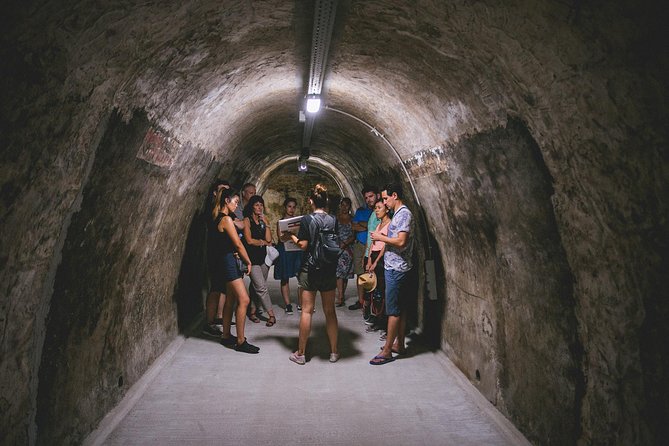
The most distinctive physical part of the tour is Tunel Gric. These underground passages date to the World War II era and were used as shelter during air raids on Zagreb.
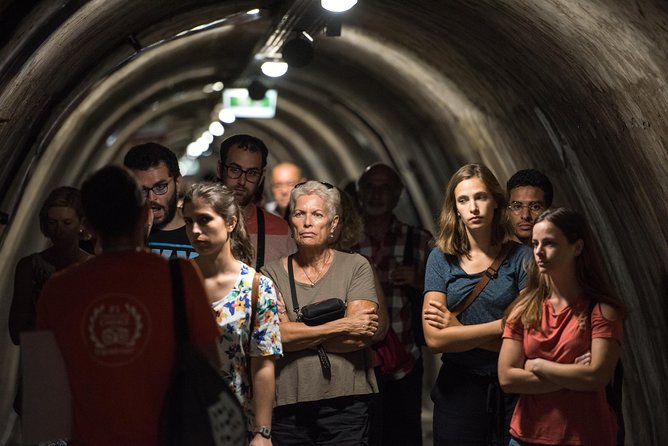
Walking through a tunnel changes the tone of the lesson. Instead of hearing only about bombing and civilian life in a classroom, you stand in the kind of enclosed space where people sought protection. The tunnel is not presented as a grand museum with a large collection of objects. Its value comes from the setting and the explanation provided by the guide.
You also learn how the site relates to life during the communist era. The tour uses the tunnel to discuss how Zagreb functioned under Yugoslavia, how people experienced political systems in daily life, and how public memory can change after a state disappears.
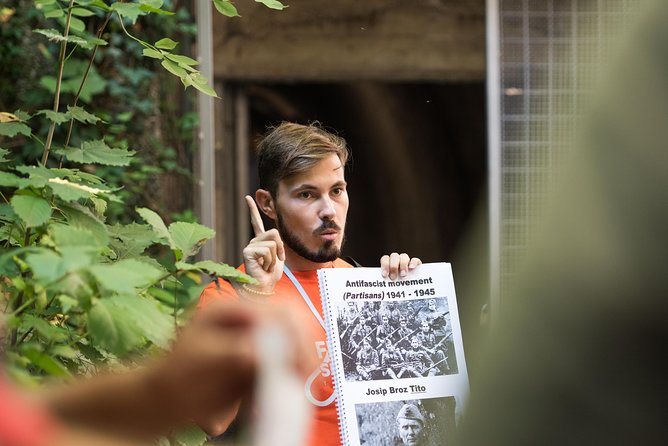
Allow about an hour for this section. The pace includes walking, stops for explanation, and visual material from the guide. Maps and photographs are especially helpful here because the history involves places and borders that are difficult to picture from spoken details alone.
There is one practical limitation. Tunel Gric is not included when public events are taking place inside, and it may also be unavailable during the Christmas Market. If your visit falls in one of those periods, check the current operating conditions before booking or prepare for a changed route.
Kaptol and the basement shelter
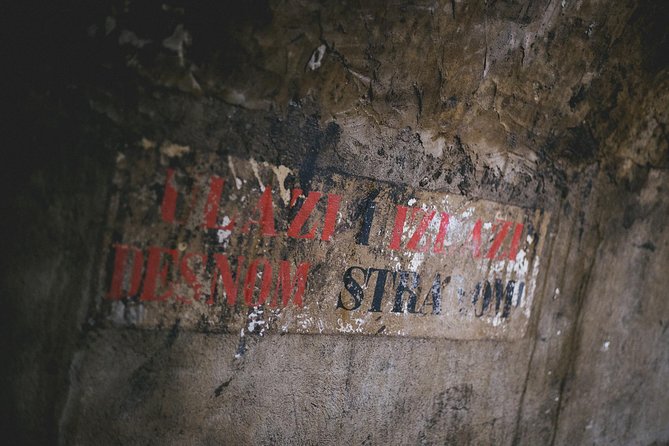
The next major setting is Kaptol, where you visit a basement that served as a bombing shelter. This stop adds another layer to the story by bringing the focus from wartime infrastructure to the fall of Yugoslavia and the Croatian struggle for independence.
The shelter is an effective place for the multimedia presentation. You are not simply standing in a modern meeting room while someone lists dates. The basement connects the subject to the physical reality of fear, uncertainty, and civilian protection.
The presentation focuses on the Croatian Homeland War, often called the Croatian War of Independence, which took place from 1990 to 1995. The guide explains the breakup of Yugoslavia and the events that followed, using images and maps to keep the sequence clear.
The final film lasts about 20 minutes and is described as sobering. That is worth knowing before you arrive. This is not a light closing attraction, and the emotional weight is part of the purpose. I would plan a quiet pause afterward rather than rushing directly into a busy restaurant or another demanding activity.
Some people may find the film more moving than the walking sections. Others may prefer more time in the tunnels and less time watching video. The format is still useful because the war is difficult to explain through a few street corners alone.
Still Zagreb, at a slower pace:
- Plitvice Lakes with Ticket & Rastoke Guided Tour from Zagreb
★ 5.0 · 966 reviews - Zagreb: Small Group Walking Tour City Center and WW2 Tunnels
★ 4.9 · 895 reviews - Zagreb: Skip-the-Ticket-Line Museum of Broken Relationships
★ 4.5 · 847 reviews - Zagreb: City and WWII Tunnels Walking Tour
★ 4.9 · 845 reviews
Guides who turn difficult history into a clear story
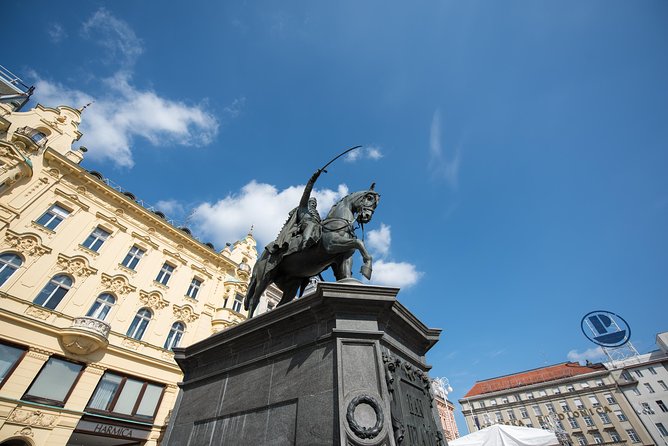
The strongest part of this experience is the guiding. The provider describes its local guide as certified and experienced, with more than 500 tours completed. The individual guides are also praised for different strengths.
Ivana is described as an enthusiastic former teacher who arrives prepared with a large booklet of maps and photographs. Her skill is not just recalling facts. She helps the group understand geography, political change, and the way major events affected ordinary people.
Darko is praised for a clear, quick-moving style and a good sense of humor. That matters during a long history discussion. A little humor can give you a mental breather without making light of war or suffering. He also uses visual material to reinforce the explanation.
Luka is described as organized and well informed, while Diana receives praise for her calm presentation, charisma, and attention to shade on hot days. That last detail is practical. Much of the tour is outdoors, and guides have sometimes moved the group into shaded areas during explanations.
Personal stories add a human scale. One guide included family experiences connected to the war, helping explain what events meant beyond government decisions and military maps. These accounts can make the subject more immediate, but a good guide also separates personal memory from established fact.
The tone is generally presented as fair and open to questions. You should still remember that this is a Croatian-led account of Croatian history. That does not make it unhelpful. It simply means you should listen closely, ask respectful questions, and treat the tour as one informed viewpoint rather than the final word on every regional dispute.
A serious lesson, not a conventional city tour
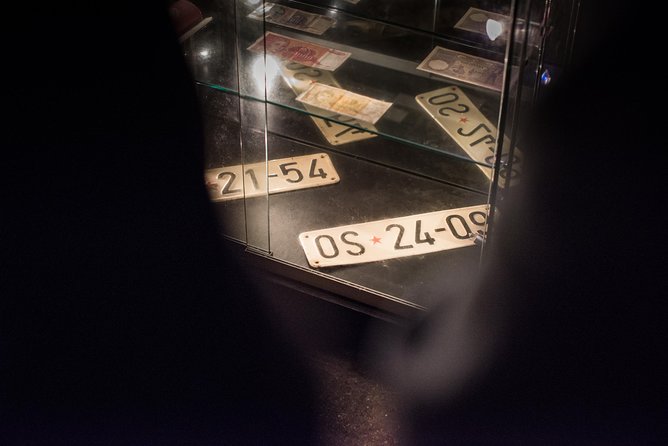
You will walk through central Zagreb, but the tour is not built around beautiful facades, shopping streets, or famous architectural sights. The city provides the setting, while the main attraction is the explanation.
That distinction matters. If you want a classic introductory walking tour, this is not the best match. You will not spend the afternoon collecting a long list of landmark views. You will spend it listening, looking at maps and photographs, entering shelters, and thinking about recent history.
For me, that is also the appeal. Zagreb can be easy to skim, especially if you are focused on cafes, markets, and the Upper Town. This tour asks you to notice the less visible side of the city: places built for danger, memories shaped by political change, and the recent past that still affects national identity.
The route is described as an easy walking tour, and most people can take part. Children must be accompanied by an adult. Because the subject includes war, bombing, communism, and political violence, parents should decide if the material suits their children’s age and temperament.
Wear comfortable shoes and bring water, especially for a warm afternoon departure. The walk itself is not the main physical challenge. Standing outdoors while listening, moving between stops, and concentrating on a large amount of information can be more tiring than the distance.
How long the tour takes in real life
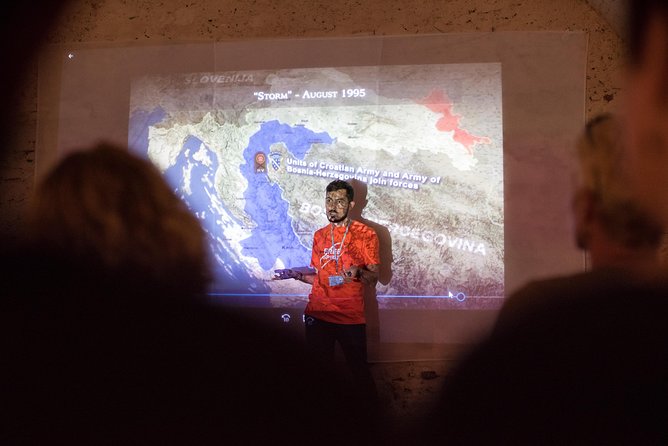
The official duration is approximately two hours, but the stop times and guide style can bring the experience closer to two and a half hours. One account describes the tour as lasting a long-feeling two and a half hours, with the final video taking about 20 minutes.
I would therefore avoid booking a tight dinner reservation immediately afterward. Give yourself at least 30 minutes of breathing room, particularly if the guide is answering questions or the group moves at a slower pace.
The length is reasonable for the subject. Croatia’s modern history is complicated, and a rushed one-hour version would probably leave you with disconnected dates. Still, you should know what you are signing up for: this is an extended talk with walking, not a quick orientation.
A good strategy is to take the tour early in your Zagreb stay. It can help you understand later visits to museums, memorials, coastal towns, and other parts of Croatia. If you are already near the end of a long trip, the information may help pull together details you have heard elsewhere.
Is $47.16 a fair price?
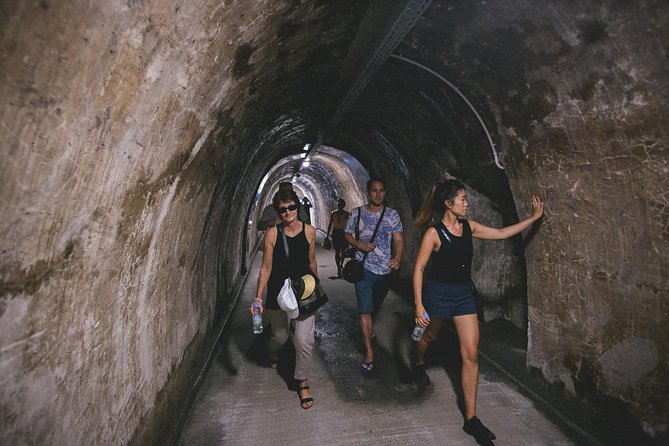
At $47.16 per person, the price is not based on paid entrance tickets. The tunnels and shelters are included without a separate admission charge, and the activity uses public city spaces.
You are paying for the guide’s preparation, interpretation, visual material, access to the planned route, and the multimedia presentation. That makes the value depend heavily on your interest in history and on the quality of the guide leading your departure.
For someone who wants only free sightseeing, the price may feel high. You could walk through central Zagreb and enter publicly accessible areas without joining a tour. But you would lose the connected explanation, the maps, the political background, and the chance to ask questions as the story unfolds.
For a history-minded visitor, the price is reasonable. The tour helps organize a subject that is hard to learn in scattered pieces. It also gives you a direct introduction to Croatian perspectives before you visit other sites on your own.
The strong recommendation rate and 5.0 rating from 1,355 reviews suggest that the format works for its intended audience. Still, ratings cannot remove the basic tradeoff: you are buying an educational experience, not a ticket to a collection of famous sights.
Who should book this tour?
I would recommend it to anyone curious about Croatia’s recent past, especially if you know little about Yugoslavia or the 1990s conflicts. It also suits people who have already visited several Croatian cities and want to connect the political story behind what they have seen.
It is a good choice for:
- First-time visitors who want a clear introduction to modern Croatia
- History students and politically curious visitors
- People who prefer local explanation over reading plaques alone
- Adults comfortable with serious material about war and civilian life
- Families with older children, provided an adult judges the subject suitable
You may want to skip it if you prefer a relaxed sightseeing walk with little commentary. It may also disappoint you if the word communism makes you expect a tour focused almost entirely on daily life under communist rule. That period is covered, but the tour gives considerable attention to wars, the breakup of Yugoslavia, and Croatian independence.
Booking details that matter
The tour is offered in English and uses a mobile ticket. Confirmation is provided at booking, and the group has a maximum of 20 people.
Free cancellation is available until 24 hours before the start time for a full refund. Changes or cancellations within 24 hours are not accepted for a refund. The activity also requires a minimum number of participants, so an operator cancellation for that reason results in an alternative date or experience, or a full refund.
Because Tunel Gric can be unavailable during public events and the Christmas Market, confirm the route if those events overlap with your visit. This is one of the few details that can materially change the experience.
Should you book the Communism and Croatian Homeland War Tour?
Book it if you want Zagreb to make more sense. The tour gives you underground shelters, clear maps, personal stories, a serious film, and a Croatian explanation of the forces that shaped the past century.
I would not choose it as your only Zagreb walking tour. Pair it with a lighter city orientation if you want architecture and major sights. But if you have room for one thoughtful history experience, this is a strong choice at $47.16, especially when Ivana, Darko, Luka, or Diana is leading the group.
Go with time to listen, not just to walk. You will leave with fewer postcard images than on a standard city tour, but a far better sense of why modern Croatia is the country you see today.
FAQ
Where does the tour begin?
It begins at the Ban Josip Jelačić Statue at Trg bana Josipa Jelačića 15 in Zagreb.
What time does the tour start?
It starts at 3 p.m. from Monday through Saturday and at 11 a.m. on Sundays.
Where does the tour finish?
The tour ends back at the Ban Josip Jelačić meeting point.
How long does the tour last?
The stated duration is approximately two hours, though the full experience can last around two and a half hours depending on the pace and presentation.
What language is the tour offered in?
The tour is offered in English.
Are the tunnels and shelters included?
Yes. World War II underground tunnels and an authentic basement used as a bombing shelter are included, with no separate admission ticket listed. Tunel Gric is not included when public events or the Christmas Market occupy the tunnels.
What is the cancellation policy?
You can cancel at least 24 hours before the start time for a full refund. Cancellations or changes made within 24 hours are not accepted for a refund.
Just added around Zagreb
- Drava Rafting Safari★ 4.5 · 18 reviews
- Toast to the Morning After: Zagreb Museum of Hangovers Visit★ 4.0 · 39 reviews
- From Split: Transfer to Zagreb with Stop at Plitvice Lakes★ 4.6 · 44 reviews
- Severin na Kupi: Canoeing and Kayaking on the Kupa River★ 4.6 · 22 reviews
- Rafting/Kayaking adventure river Kupa★ 4.4 · 21 reviews
- Private Walking Tour of Zagreb★ 4.9 · 5 reviews
- Jump into Zagreb: Walking Tour with local guide★ 4.8 · 3 reviews
- From Zagreb: Varazdin Baroque Town & Trakoscan Castle★ 4.9 · 38 reviews
Zagreb Tours, compared.
Plitvice & Rastoke Guided Day Trip with Ticket
Read our review →
Rastoke & Plitvice Lakes Guided Tour with Ticket
Read our review →
Plitvice Lakes with Ticket & Rastoke Guided Tour from Zagreb
Read our review →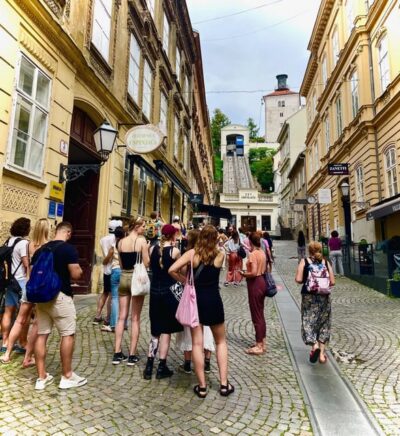
Small Group Walking Tour City Center and WW2 Tunnels
Read our review →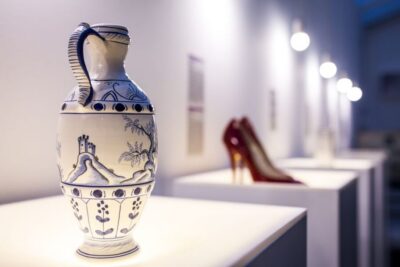
Skip-the-Ticket-Line Museum of Broken Relationships
Read our review →
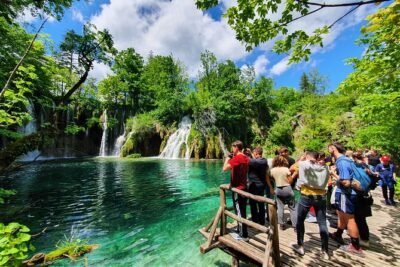
Plitvice and Rastoke day trip from Zagreb w/ticket (guar. dep.)
Read our review →Browse the lists this tour appears in