
Reviewed · PLITVICE LAKES TOURS
Zagreb to Dubrovnik via Plitvice Lakes NP, Split & Mostar: 3 – Day Private Tour
Croatia rewards a well-planned road trip. This three-day private journey links Zagreb and Dubrovnik with Plitvice Lakes, Split, Trogir, Klis Fortress, and Mostar, while an English-speaking guide handles the driving and route. I like the private vehicle, which keeps you out of crowded buses, and I like the mix of waterfalls, medieval towns, fortifications, and cross-border culture.
The main drawback is time in the car. You cover a great deal of ground in only three days, so this is a sightseeing transfer with major stops rather than a slow holiday. Still, the ability to nap after Plitvice, adjust the pace, and reach Dubrovnik without arranging several separate journeys gives the trip real value.
In This Review
- Key points to know before booking
- Why this Zagreb to Dubrovnik route works
- Rastoke: a short pause among old watermills
- Plitvice Lakes: the day’s big natural attraction
- Arriving in Split after a full first day
- Klis Fortress: stone walls above Split
- Trogir: a compact UNESCO old town
- Free time in Split: a useful pause, not filler
- Mostar: a change of country and character
- The final drive to Dubrovnik
- Guides, vehicle, and the private-tour advantage
- Who should book this three-day trip?
- Is $1,023.50 per person fair value?
- FAQ
- Where does the tour begin?
- Where does the tour end?
- How long does the tour last?
- Is the tour private?
- Is transportation air-conditioned?
- Is an English-speaking guide included?
- Are Plitvice Lakes entrance tickets included?
- Is the Klis Fortress entrance fee included?
- Can you cancel for a full refund?
- Should you book it?
Key points to know before booking
- Plitvice is the natural star: You see terraced lakes, waterfalls, a boat ride, and a panoramic train in about three and a half hours.
- The route crosses borders and cultures: Mostar adds Bosnia and Herzegovina, Ottoman-era architecture, Turkish coffee, and ćevapi to a mostly Croatian itinerary.
- Private transport changes the experience: Your group has an air-conditioned vehicle and a guide for the full tour, with pickup in Zagreb and drop-off in Dubrovnik.
- Split is partly your own time: Klis Fortress and Trogir are planned stops, while the afternoon in Split is free for independent exploring.
- The price buys convenience: At $1,023.50 per person, the cost is high, but private transport, guiding, hotel transfers, and route planning are bundled together.
- Three days means active pacing: You get four UNESCO World Heritage sites, but you will spend a fair amount of time on the road.
Why this Zagreb to Dubrovnik route works
Point-to-point trips across Croatia can become a puzzle. You need to compare buses, trains, border crossings, park tickets, hotel locations, and transfer times. This tour removes most of that work and turns the journey into a series of useful stops.
You begin with pickup at your Zagreb accommodation or another Zagreb address. From there, the route heads south in a private, air-conditioned vehicle. You do not need to return to Zagreb, change buses, or haul your bags through several stations. Your accommodation in Split is included as a check-in destination on the first evening, and you are taken to your hotel or Dubrovnik Cruise Port at the end.
That convenience matters most if your holiday already includes Zagreb and Dubrovnik. Instead of treating the distance between them as a travel day, you use it to see Plitvice, Trogir, Klis, and Mostar. The route is still busy, but the stops give the long drives a clear purpose.
The tour costs $1,023.50 per person, so it is not a budget transfer. Its value improves if you are traveling with family or friends and can use the group discount. It also includes private transportation and an experienced English-speaking tour leader for the entire trip, which would be costly and time-consuming to arrange separately.
More Plitvice Lakes Tours in Zagreb
- From Zagreb: Plitvice & Rastoke Guided Day Trip with Ticket
★ 4.9 · 2,955 reviews - Zagreb: Rastoke & Plitvice Lakes Guided Tour with Ticket
★ 4.9 · 1,897 reviews - Plitvice Lakes with Ticket & Rastoke Guided Tour from Zagreb
★ 5.0 · 966 reviews
Rastoke: a short pause among old watermills
Your first stop is Rastoke, a village in Slunj where the Slunjčica River meets the Korana River. Water flows through a setting of small waterfalls and lakes, with traditional buildings tied to old watermill activity.
You get about 30 minutes here, so think of Rastoke as a scenic introduction rather than a full village visit. It is enough time to stretch your legs, see the water, and take a few photographs before the drive continues.
The village also carries a difficult modern story. Some traditional buildings suffered damage during the Homeland War, and local efforts have focused on preserving and repairing the area because of its environmental and cultural value. That adds a human layer to what might otherwise seem like a quick photo stop.
I like this break because it interrupts the first stretch of driving with something distinctly local. Do not expect a long walk or a detailed tour at Rastoke. The real time commitment comes next, at Plitvice Lakes.
Plitvice Lakes: the day’s big natural attraction
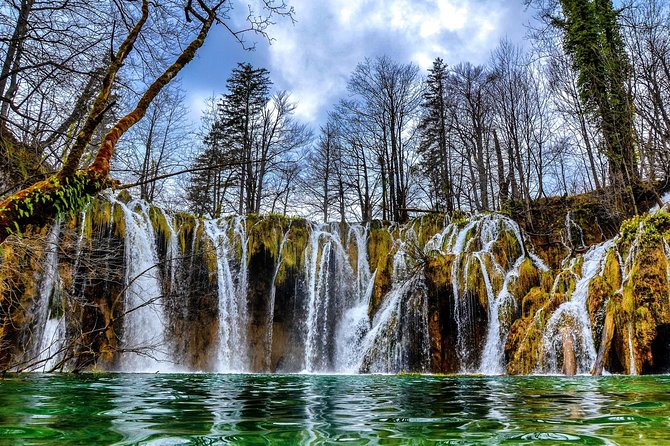
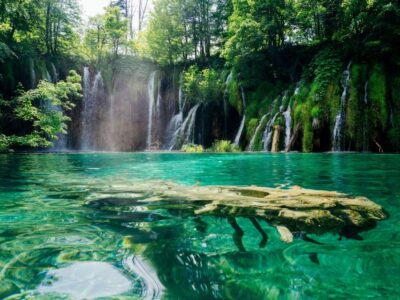
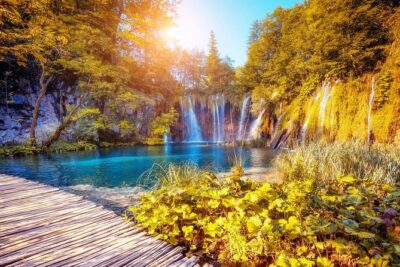
About half an hour from Slunj, Plitvice Lakes National Park covers more than 300 square kilometers and contains 16 terraced lakes linked by waterfalls. Its geological and ecological importance earned UNESCO World Heritage status in 1979.
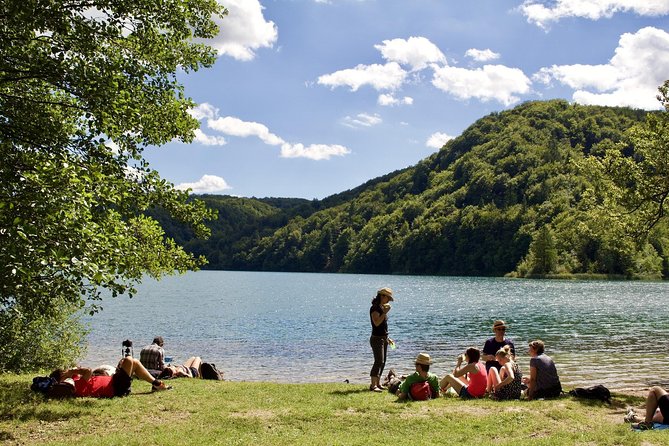
You have roughly three and a half hours in the park. The planned visit includes walking, a boat ride across the lake, and a panoramic train ride. That combination lets you see the park from several angles without relying on one long route on foot.
The walking portion is the most important part. Plitvice is not simply a viewpoint beside a road. You move through a series of lakes and waterfalls, with the water and forest changing as the paths rise and fall. The boat and train add welcome variety, especially after the drive from Zagreb.
You should wear practical shoes and be ready for an active visit. The tour provides the transport to and through the park’s planned sections, but the national park entrance fee is not included. Set aside money for that ticket, and check the current fee before departure because the supplied price does not cover it.
Three and a half hours gives you a worthwhile introduction, but not every corner of a park this large. I see that as a fair compromise on a Zagreb to Dubrovnik transfer. You get the park’s defining features without giving up an entire day.
Afterward, your guide can recommend a restaurant serving Croatian food for lunch. That is a useful touch because a good meal can be hard to fit into a tightly timed park visit. It also gives you a chance to try local cooking rather than defaulting to roadside food.
One practical advantage of private travel appears here. After walking and riding through Plitvice, you can rest in the vehicle while your guide drives to Split. One account specifically praised being able to nap after the park, a small comfort that makes the long first day more manageable.
Arriving in Split after a full first day
The first day ends with check-in at your accommodation in Split. The evening is free, so you can walk through the Old Town, find dinner, or simply recover from the early start and park visit.
This overnight stop is well placed. Split gives the route a coastal city break between Plitvice and Mostar, and you are not expected to continue sightseeing with a guide late into the night.
The plan does not include a full guided Split city tour in the stated itinerary. You have independent time instead, with your guide available to suggest important sights, lesser-known places, and local activities. A past arrangement included time around Diocletian’s Palace with a guide named Lea, but you should confirm exactly what is included when booking because the published plan describes Split afternoon time as free.
That distinction matters. If you want a structured tour of the palace, ask before you pay. If you prefer to wander at your own pace, the free afternoon is an advantage.
Still Zagreb, at a slower pace:
- Communism & Croatian Homeland War Tour
★ 5.0 · 1,355 reviews - Best of Zagreb with the WW2 Tunnels
★ 5.0 · 973 reviews - Zagreb: Small Group Walking Tour City Center and WW2 Tunnels
★ 4.9 · 895 reviews - Zagreb: Skip-the-Ticket-Line Museum of Broken Relationships
★ 4.5 · 847 reviews
Klis Fortress: stone walls above Split
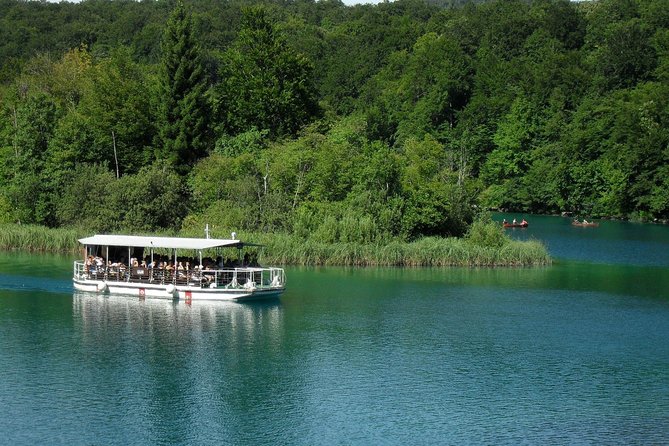
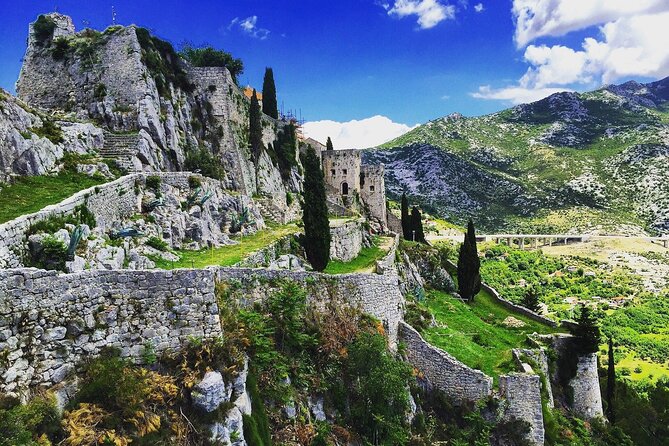
The second morning begins with pickup at your Split accommodation and a drive to Klis Fortress. This stronghold sits above the city and offers wide views toward the coast and surrounding area.
You have about one hour to explore the walls and towers. The site is valuable for two reasons: it gives you a strong sense of the region’s defensive past, and it provides a high viewpoint that helps you understand Split’s setting.
The visit is short, and the fortress entrance fee is not included. That extra cost is easy to overlook, so budget for both Klis and Plitvice when comparing the tour price with other options.
Klis also requires more than a quick glance from the vehicle. You will be walking around an old fortification, so sensible footwear is useful. The tour suits you best if you enjoy combining scenery with historic sites rather than spending the morning only in museums or city streets.
Trogir: a compact UNESCO old town
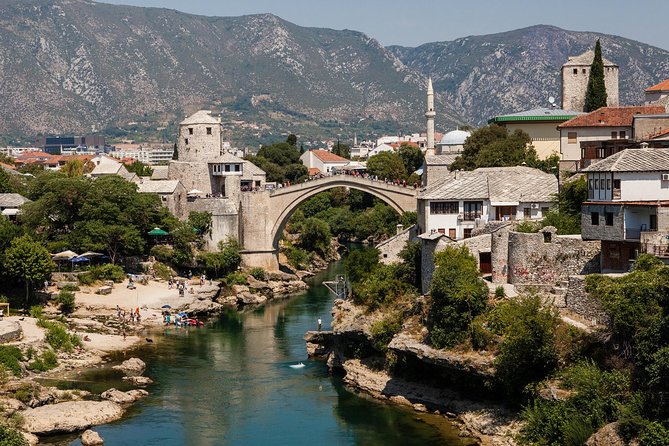
From Klis, the route continues to Trogir, a small historic city on an island about 27 kilometers northwest of Split. Its streets preserve layers from the Hellenistic period, with Romanesque churches, Renaissance and Baroque buildings, palaces, and narrow cobbled lanes.
You get about two hours here. That is enough for a focused walk through the old center and time to pause at its main architectural sights. Trogir is compact, which makes the short visit work better than it would in a large city.
Trogir’s value lies in its continuity. You are not seeing one isolated monument. You are walking through an old street plan shaped over many centuries, with the buildings close enough together to read as one historic town.
The tour lists admission as free for this stop, although individual attractions may have their own arrangements. The central experience is walking outdoors, looking up at stone facades, and letting your guide explain how the town developed.
After Trogir, you are dropped at your hotel or in Split Old Town during the early afternoon. The rest of the day is yours. Use it to visit the parts of Split that interest you, or keep the schedule light after two active days.
Free time in Split: a useful pause, not filler
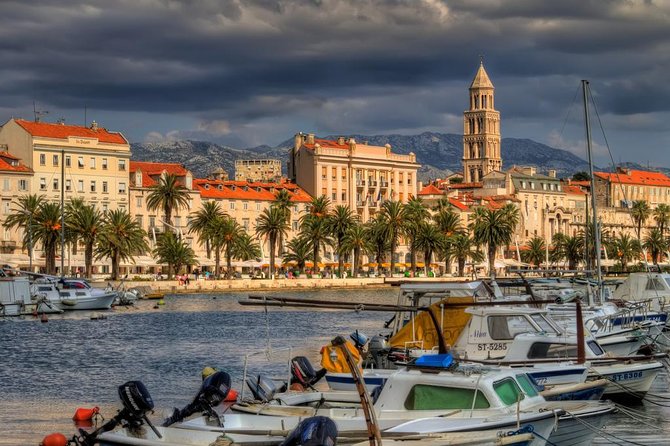
Split is the point where this tour briefly slows down. You can explore independently, eat, shop, or rest before the final cross-border drive.
That free time gives you flexibility, but it also means you need to take responsibility for your own plan. Your guide can offer recommendations, yet the itinerary does not promise a fixed list of Split sights or an included entrance program.
For some people, this is ideal. You have already had guided stops at Klis and Trogir, so a few independent hours let you choose your own pace. For others, the lack of a clearly defined Split tour may feel like a gap, especially if Diocletian’s Palace is a main reason for visiting the city.
I would treat Split as a chance to make the trip your own. Ask your guide for a route that fits your interests, then leave enough time to return to your accommodation before the next morning’s pickup.
Mostar: a change of country and character
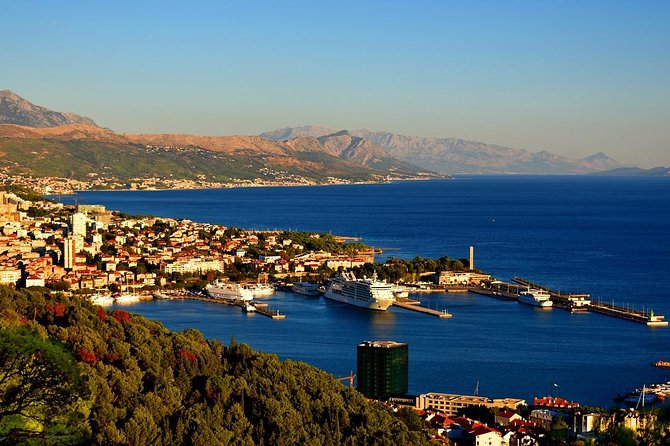
On the third day, you leave Croatia for Bosnia and Herzegovina and continue to Mostar. The Old Bridge, Stari Most, is the central sight, but the city is more than one famous crossing.
A three-hour visit gives you time to walk the cobbled streets, see the bridge area, browse the colorful bazaar, and sit in a riverside café with Turkish coffee. You can also try ćevapi, a local specialty. These simple activities are part of what makes Mostar feel different from the Croatian stops.
The architecture brings together pre-Ottoman, eastern Ottoman, Mediterranean, and western European elements. That mixture is visible as you move through the old center, and it gives the stop a cultural shift as well as a geographic one.
You should carry the necessary travel documents for crossing into Bosnia and Herzegovina. The supplied information confirms the international border crossing but does not list specific document requirements, so check those for your nationality before departure.
Mostar is not a long city stay. Three hours is enough to get a strong first impression, but not enough for a slow exploration beyond the old center. I see the short visit as a good introduction for a route that must still reach Dubrovnik that afternoon.
The final drive to Dubrovnik
After Mostar, the vehicle continues toward Dubrovnik. The final destination is your hotel or Dubrovnik Cruise Port, with arrival planned for the afternoon. That drop-off is especially useful if Dubrovnik is the next stage of your trip or if you are boarding a cruise.
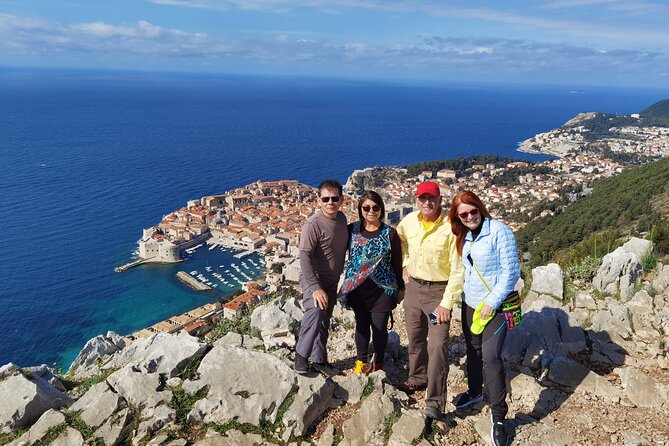
The route ends at one of Croatia’s most famous walled cities, listed as a UNESCO World Heritage site since 1979. You do not get a full Dubrovnik sightseeing tour during this experience, so plan separate time if you want to walk the walls, explore the Old Town, or visit its museums.
This is an important expectation to set. The tour gets you to Dubrovnik efficiently after several major stops, but it is not designed to cover every sight in the city itself.
Guides, vehicle, and the private-tour advantage
The tour includes an English-speaking private tour leader throughout, not just a driver who points out the occasional landmark. The guide manages the route, helps with timing, and can recommend food and places to see during your free periods.
Names that appear in the experience include Tom and Tomislav. Tomislav was praised for safe driving, excellent English, help with hotel luggage, and making sure the group reached each destination comfortably. Those details matter on a trip where the guide has a large role in both sightseeing and logistics.
Your group travels alone in an air-conditioned vehicle. That gives you more control than a large coach, though it does not remove the distance between stops. The private format works best when your group values comfort, direct transfers, and the ability to pause or adjust the pace.
Pickup is offered from your Zagreb accommodation or another Zagreb address. At the end, you are dropped at a Dubrovnik hotel or cruise port. The specific hotels used in Split are not stated, so confirm how accommodation is arranged if that point affects your budget.
Who should book this three-day trip?
I would recommend this tour to you if you have limited time and want to connect Zagreb with Dubrovnik while seeing major sites along the way. It is also a strong fit for families or small groups that would rather pay for privacy than manage public transport and luggage changes.
You should enjoy road travel and accept early starts or long transfer periods. The route covers several destinations, so it will not suit you if you prefer spending two or three days in one place.
The itinerary works particularly well for people who value:
- A private vehicle instead of a crowded bus
- A guide available throughout the route
- Nature at Plitvice
- Historic towns and fortifications
- A first taste of Bosnia and Herzegovina
- Drop-off at Dubrovnik Cruise Port
It may be less suitable if you want a low-cost transfer, a relaxed Croatian coast holiday, or long guided visits in each city. The tour gives you breadth, not maximum time at every stop.
Is $1,023.50 per person fair value?
The price is substantial, but it covers more than transportation. You receive private pickup in Zagreb, an air-conditioned vehicle, private transfers, an English-speaking tour leader, and drop-off in Dubrovnik.
You also avoid booking separate transport between Zagreb, Plitvice, Split, Mostar, and Dubrovnik. Add the value of route planning, border-crossing coordination, luggage assistance, and local recommendations, and the cost becomes easier to understand.
Still, admission to Plitvice Lakes National Park and Klis Fortress is extra. Lunch, dinners, and your own accommodation costs are also not stated as included in the package details, so confirm the exact lodging arrangement and meal coverage before booking.
The best value comes when two or more people share the private experience and use the available group discount. Solo visitors may find the price harder to justify unless saving time and avoiding complicated connections are top priorities.
Free cancellation is available if you cancel at least 24 hours before the start time. Changes or cancellations inside that window are not accepted for a refund.
FAQ
Where does the tour begin?
Pickup is available from your accommodation in Zagreb or another address in Zagreb. You need to provide the hotel name or private accommodation address.
Where does the tour end?
You are dropped off at your hotel in Dubrovnik or at Dubrovnik Cruise Port.
How long does the tour last?
The experience lasts approximately three days.
Is the tour private?
Yes. Only your group participates, and transportation is private.
Is transportation air-conditioned?
Yes. The tour includes private transportation in an air-conditioned vehicle.
Is an English-speaking guide included?
Yes. An experienced English-speaking private tour leader accompanies you throughout the tour.
Are Plitvice Lakes entrance tickets included?
No. The entrance fee for Plitvice Lakes National Park is not included.
Is the Klis Fortress entrance fee included?
No. The entrance fee for Klis Fortress is not included.
Can you cancel for a full refund?
Yes, if you cancel at least 24 hours before the experience start time. Cancellations made less than 24 hours before the start time are not refunded.
Should you book it?
Book this tour if you want to turn the journey from Zagreb to Dubrovnik into a packed introduction to Croatia and Mostar. Plitvice Lakes, private transport, and a helpful guide are the strongest reasons to choose it, while the ability to rest between stops makes the schedule more comfortable than a series of public buses.
Skip it if you want deep time in each destination or need a cheaper way south. At $1,023.50 per person before some entrance costs, it is a premium route. For a small group with only three days, though, the combination of scenery, UNESCO sites, Split, Trogir, Klis, Mostar, and direct Dubrovnik drop-off can make the expense worthwhile.
Just added around Zagreb
- Zagreb: Explore with an Art Historian – Private Walking Tour★ 4.9 · 9 reviews
- Zagreb: VR 3D Immersive Film Experience – Voucher★ 4.6 · 9 reviews
- Zagreb: Plitvice With Secured Tickets, Boat And Train Ride★ 4.6 · 15 reviews
- Zagreb: Private custom tour with a local guide★ 4.6 · 48 reviews
- Zagreb: Pub Crawl, 1-Hour of Unlimited Drinks, & Club Entry★ 4.1 · 86 reviews
- Zagreb : Must-See Attractions Walking Tour With A Guide★ 4.6 · 11 reviews
- Zagreb: Guided City Tour with WWII Tunnels★ 4.9 · 155 reviews
- Zagreb BIG Tour – Private Tour★ 4.8 · 48 reviews
Plitvice Lakes Tours, compared.
Plitvice & Rastoke Guided Day Trip with Ticket
Read our review →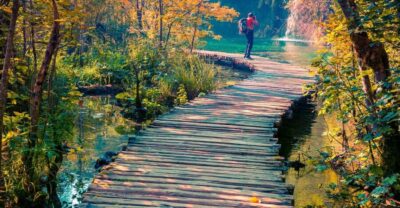
Plitvice Lakes Guided Tour with Entry Tickets
Read our review →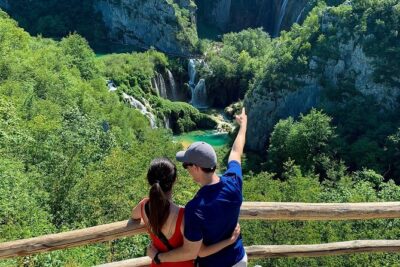
Plitvice Lakes National Park Guided Day Tour from Split
Read our review →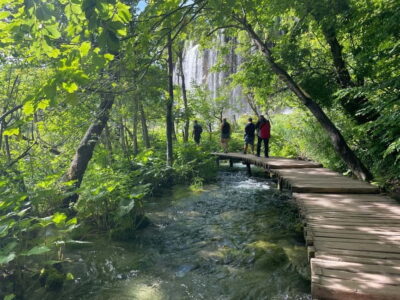
Rastoke & Plitvice Lakes Guided Tour with Ticket
Read our review →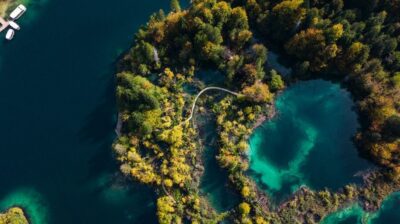
Self-Guided Plitvice Lakes Day Tour with Boat Ride
Read our review →Browse the lists this tour appears in