
Reviewed · ZAGREB TOURS
Zagreb: Communism and Croatian Homeland War Tour
History is still close to the surface in Zagreb. This 2.5-hour walking tour links the years of Communist Yugoslavia with Croatia’s struggle for independence, using underground tunnels, city sights, personal stories, and an authentic wartime shelter to make the subject easier to understand. I especially like the WWII tunnels and the basement where locals sheltered during air raids. These are real places, not just stops beside a guide’s timeline.
I also like the effort to explain several sides of a painful subject. Guides such as Ivana, Darko, Vid, Didi, and Diana have been praised for clear storytelling, humor, and personal insight. The main drawback is that this is a serious history lesson, not a light sightseeing stroll. Some material may feel heavy, and the tour is not suitable for wheelchair users or people with mobility impairments.
In This Review
- Key points at a glance
- Why Zagreb’s recent past needs a walking tour
- Meeting beneath Ban Josip Jelačić Square
- The WWII tunnels and Zagreb’s underground story
- Communism explained through everyday Zagreb
- Zagreb during the Homeland War
- Inside the 1990s air-raid shelter
- Guide style: the main reason to choose this tour
- Is $44 a fair price?
- Practical details before you book
- Who should take this tour?
- Should you book the Zagreb Communism and Homeland War Tour?
- FAQ
- Where does the tour start?
- Where does the tour finish?
- How long does the tour last?
- Which languages are available?
- Are the WWII tunnels included?
- Is the tour suitable for wheelchair users?
Key points at a glance
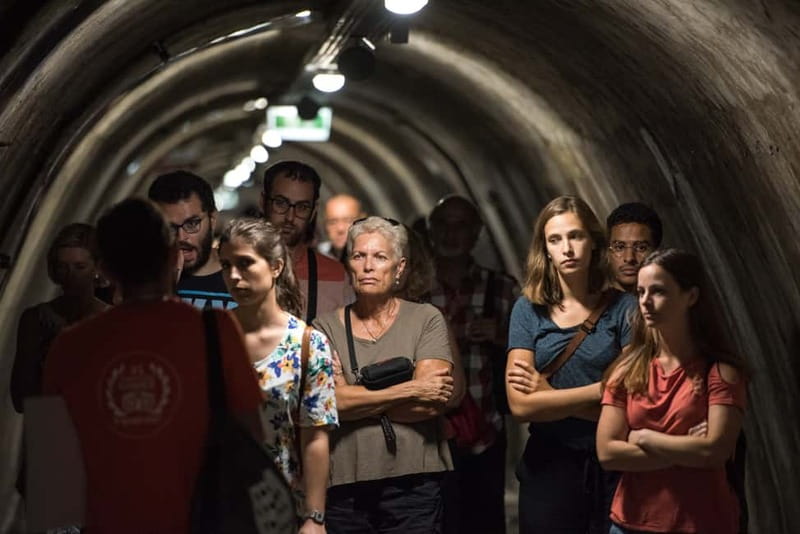
- The WWII tunnels give the tour a physical setting: You walk through an underground space tied to Zagreb’s 20th-century story.
- The timeline reaches from World War II to independence: The guide covers wartime Croatia, almost five decades of Communist Yugoslavia, the fall of communism, and the Homeland War.
- The air-raid shelter is an authentic basement: This is where locals sheltered during attacks on Zagreb in the 1990s.
- The final video adds emotional weight: A Croatian Homeland War multimedia presentation helps connect spoken history with the experience of civilians.
- Guide quality is central: Darko, Ivana, Vid, Didi, and Diana have been praised for clear explanations, humor, energy, and personal family stories.
- The price is reasonable for a focused history tour: At $44 per person, you are paying for a local guide, two significant underground sites, and a multimedia presentation.
Why Zagreb’s recent past needs a walking tour
Zagreb’s older center can make the city’s past seem distant. You see grand squares, historic buildings, cafés, and tram lines, yet much of the city’s modern story is tied to political change that happened within living memory. This tour helps you connect ordinary streets with the end of Yugoslavia and Croatia’s fight for independence.
The subject is not simply a list of dates. You learn about daily life under communism, the breakup of Yugoslavia, and the difficult years of the Homeland War. The value comes from hearing how those events affected people in Zagreb, rather than treating them as an abstract chapter in European history.
A good guide matters here. The strongest comments about this experience focus on presentation rather than scenery. Ivana is praised for her work as a historian and for sharing complicated family experiences. Darko is described as both an excellent guide and a lively teacher. Vid has been praised for humor, energy, and his ability to keep the group involved.
That personal approach can make the information easier to absorb. It also requires some care. You are hearing a Croatian perspective, and one guide openly acknowledged that her own background could offer only one view. That honesty is useful when you are trying to understand a conflict with competing memories and national narratives.
A few more Zagreb trips worth comparing
- From Zagreb: Plitvice & Rastoke Guided Day Trip with Ticket
★ 4.9 · 2,955 reviews - Zagreb: Rastoke & Plitvice Lakes Guided Tour with Ticket
★ 4.9 · 1,897 reviews - Communism & Croatian Homeland War Tour
★ 5.0 · 1,355 reviews
Meeting beneath Ban Josip Jelačić Square
The tour begins in front of the horse statue at Ban Josip Jelačić Square, Zagreb’s main square. This is a practical meeting point, but give yourself enough time to find the statue in the open square and identify your guide.
From here, the group starts on foot. The total duration is about 2.5 hours, and the route finishes at the same meeting point. You do not need to arrange transport between stops, which keeps the experience simple for a short stay in Zagreb.
The opening part of the tour sets the period in context. One guided section lasts about 20 minutes, followed by another section of roughly 15 minutes. These shorter stops help build the basic timeline before you reach the more substantial underground locations.
Do not expect a standard introduction to Zagreb’s medieval churches or Austro-Hungarian architecture. The focus is firmly on the 20th century, particularly communism, the end of Yugoslavia, and the Croatian Homeland War.
The WWII tunnels and Zagreb’s underground story
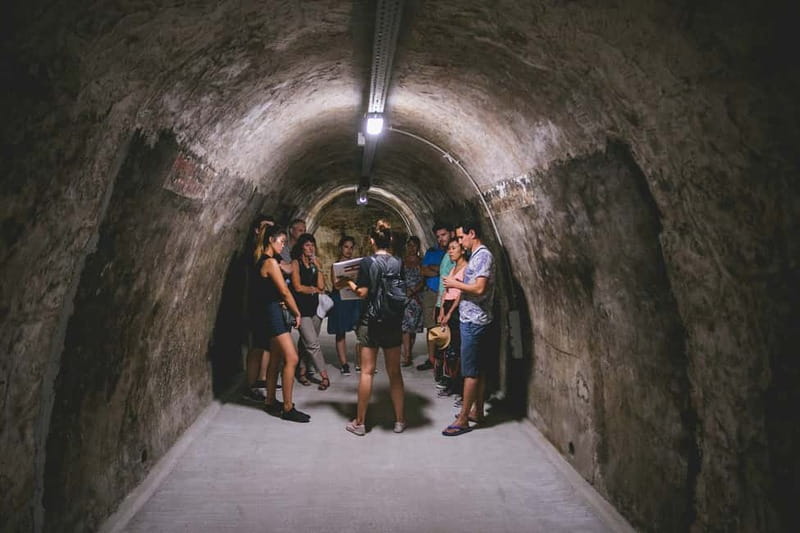
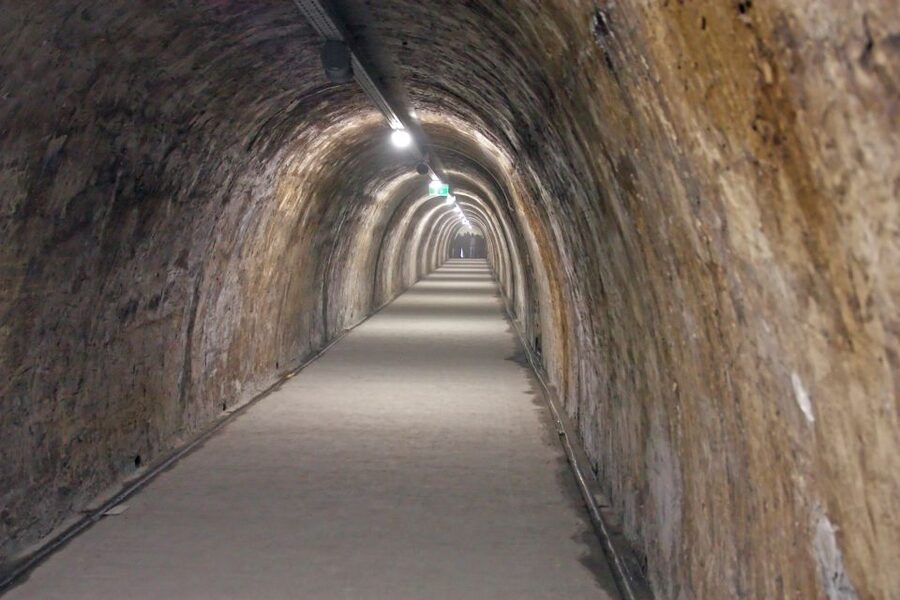
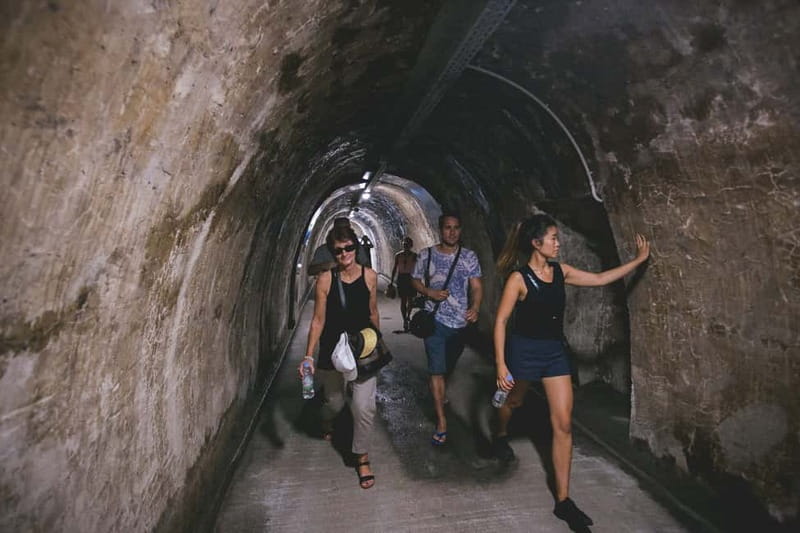
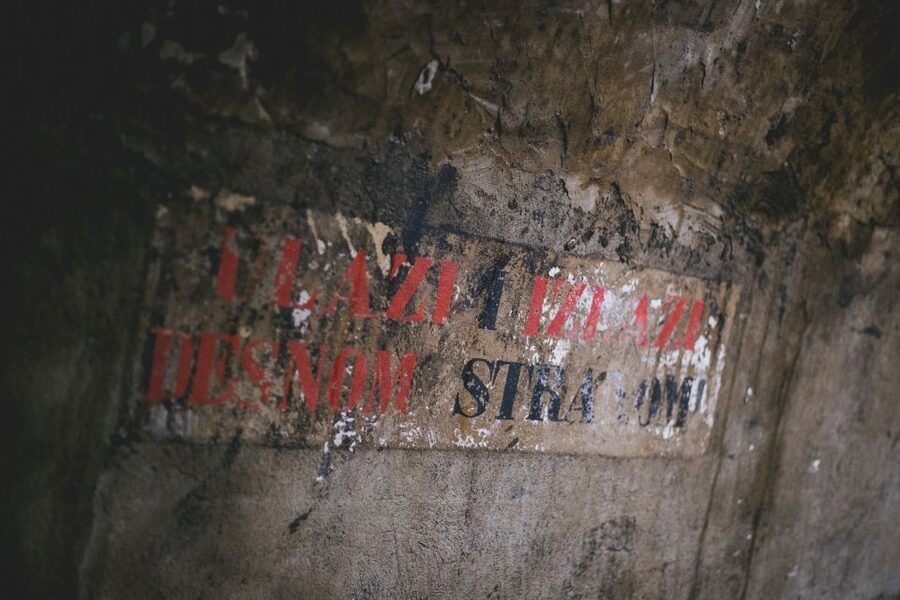
The most distinctive part of the experience is the visit to underground tunnels built in connection with World War II. The tunnels are used to present the story of Croatia and Zagreb across the 20th century, including World War II, Communist Yugoslavia, the collapse of communism, and the Homeland War.
This setting gives the history some physical force. Instead of standing in a museum gallery surrounded by labels, you are below the city, in a place associated with danger and protection. The change in atmosphere helps mark the difference between ordinary sightseeing and the serious subject being discussed.
The tunnels are not available during events held there. That is an important practical point. If the underground space is being used for an event, the experience may need to proceed without that visit, so check the current schedule when choosing a date.
The tunnel portion is also listed as a visit of about one hour, making it the longest section of the route. That tells you where the tour places its emphasis. You are not rushing through several unrelated attractions. You spend meaningful time in the underground setting while the guide explains how political and military changes affected Zagreb.
The material may be especially useful if you know little about Yugoslavia. The guide can help you place communism, the federal state, nationalism, and Croatian independence into one sequence. If you already study Balkan history, you may still value the local perspective and the discussion of how broad political events reached ordinary families.
Communism explained through everyday Zagreb
The communist era is often reduced to a few political slogans. This tour aims to explain what life in Zagreb was like during almost 50 years of Communist Yugoslavia.
The exact details will depend on the guide, but the tour’s purpose is to move beyond a simple good-versus-bad account. You hear about the system, the period’s social conditions, and the changes that followed the fall of communism in Croatia.
That makes this a useful first step for anyone who finds the former Yugoslavia confusing. The region’s names, borders, alliances, and political movements changed quickly, and a short tour cannot explain every disagreement. It can, however, give you a framework for understanding what you see and hear during the rest of your time in Croatia.
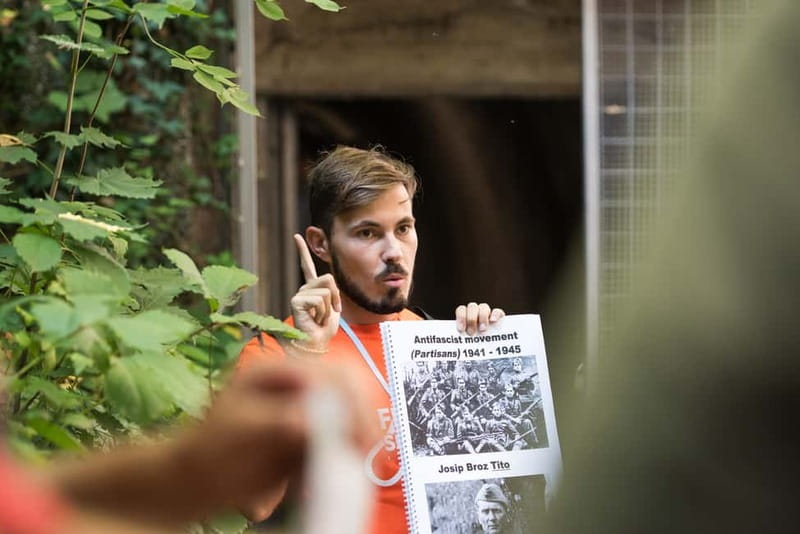
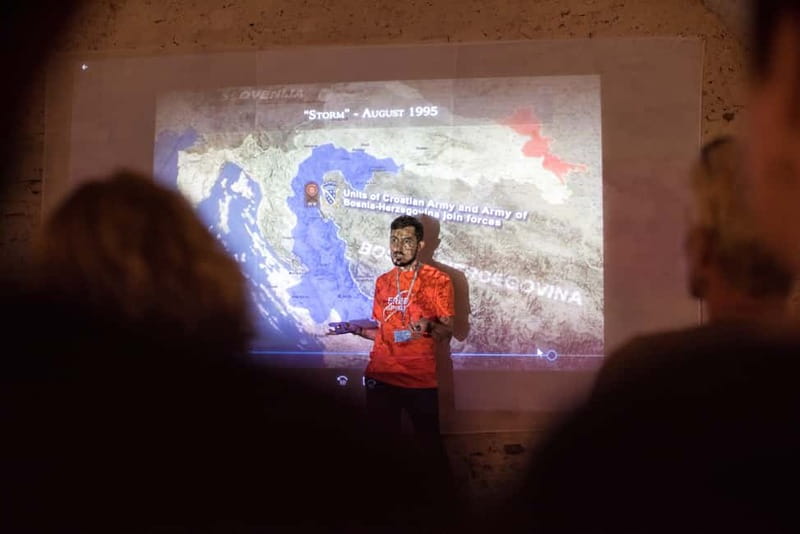
The strongest guides use maps and photographs along with spoken explanations. One particularly praised guide, Darko, was noted for using maps, pictures, and a final video to bring the material together. Visual aids matter because the story involves changing borders and political structures that are hard to follow through words alone.
The tour also seems to suit people who enjoy questions and discussion. One guide kept the group involved by asking questions, rather than delivering a nonstop speech. That approach can help you stay focused during an afternoon tour, when two and a half hours of political history might otherwise feel like a lot.
Still Zagreb, at a slower pace:
- Best of Zagreb with the WW2 Tunnels
★ 5.0 · 973 reviews - Plitvice Lakes with Ticket & Rastoke Guided Tour from Zagreb
★ 5.0 · 966 reviews - Zagreb: Small Group Walking Tour City Center and WW2 Tunnels
★ 4.9 · 895 reviews - Zagreb: Skip-the-Ticket-Line Museum of Broken Relationships
★ 4.5 · 847 reviews
Zagreb during the Homeland War
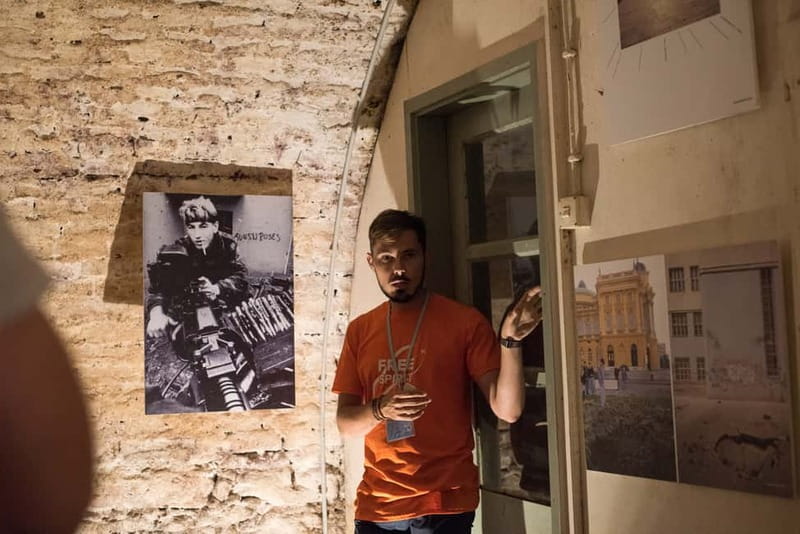
The tour’s second major subject is the Croatian Homeland War, the conflict tied to Croatia’s independence in the 1990s. You learn about the fall of Yugoslavia, Croatia’s fight for independence, and the effect of air raids on Zagreb.
A sightseeing tour cannot cover every military event or political argument in detail. Its strength is closer to the ground. You see where civilians sought safety and hear how the war affected local life.
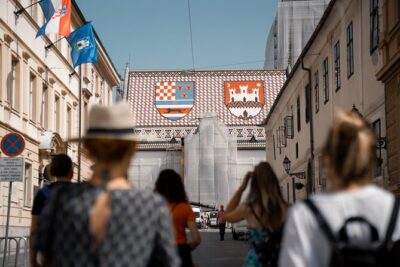
The tour includes a photo stop and guided sightseeing section lasting about 30 minutes. This part appears to connect the broader story with locations in the city, giving you a chance to see Zagreb while the guide explains its recent past.
The tone is serious, but humor may appear in the delivery. Guides have been praised for combining history with wit and personal stories without losing sight of the subject. That balance helps keep the tour human. You are not only hearing about governments and armies. You are thinking about families, neighbors, fear, and the sudden disruption of daily routines.
Several guides have also shared family experiences connected to Yugoslavia or the 1990s war. Ivana’s personal stories were especially praised for making the material feel immediate. Personal testimony can be powerful, but it is still one person’s experience. I would treat it as a way to understand the emotional side of the period, not as a complete account of every community or nationality involved.
Inside the 1990s air-raid shelter
The tour finishes in an authentic basement used by local people as a shelter during air raids on Zagreb. This is the most direct connection between the history lesson and the civilian experience.
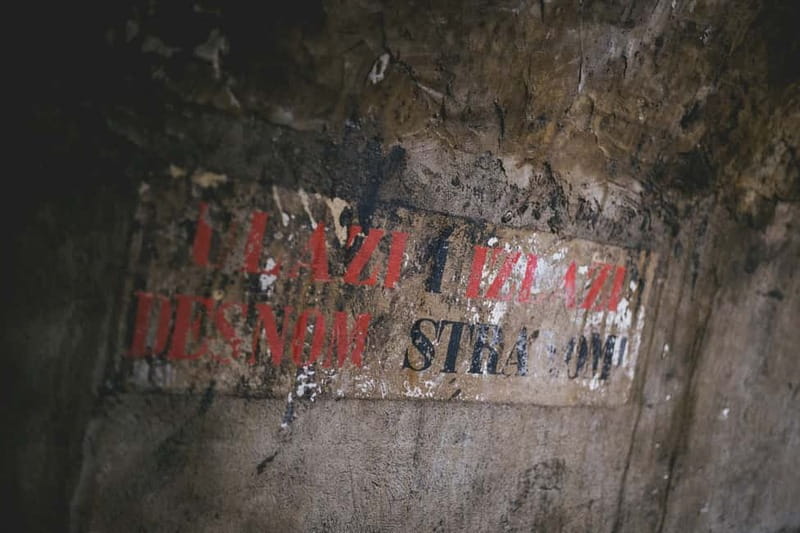
The basement is not simply another underground room. Its importance comes from its use during the attacks. You can better understand the fear and uncertainty of the period when you stand in a place where people actually gathered for protection.
A video presentation about the Homeland War is shown in the shelter. This multimedia element gives the final part of the tour a different rhythm from the walking sections. You listen to the guide’s explanation, then use the video to reinforce the events and experiences being discussed.
For me, this is likely to be the most affecting part of the tour. It is also where the subject may feel heaviest. If you prefer history presented at a distance, the basement and war footage could be uncomfortable. If you want to understand how conflict shaped ordinary life in Zagreb, this is a strong reason to book.
The stop is described as a visit lasting around one hour, and it is listed as a hidden-gem style part of the route. In practical terms, that means you are spending substantial time in a place many independent visitors would not easily find or enter on their own.
Guide style: the main reason to choose this tour
The guide can make or break a history tour, and the praise for this experience is unusually consistent on that point. Darko is described as articulate, funny, and able to explain difficult events with energy. Ivana is praised for her historical background, natural storytelling, and personal connection to the subject.
Vid is described as friendly, witty, and full of energy. Didi is praised for being warm, engaging, and well informed. Diana has been praised for her command of Slavic history and clear delivery.
You may not receive any one of these guides, so do not book on the assumption that a named guide is guaranteed. The repeated pattern is still useful: clear storytelling and personal connection seem to be the strongest features of the experience.
A good guide also needs to remain fair. One particularly strong description praised the guide for presenting several sides of each story and trying to stay objective. That is exactly what you want when learning about the breakup of a country and a war that remains emotionally sensitive.
The tour can work for families, but use judgment. One family completed it with an 8-year-old, who became restless near the end but still remembered facts about the war afterward. The material is serious, and children must be accompanied by an adult. I would choose it for older children who can handle difficult history, not for a young child expecting an entertaining city walk.
Is $44 a fair price?
At $44 per person, this is not the cheapest walking tour in Zagreb. The price makes more sense when you consider what is included: a local guide for 2.5 hours, access to the WWII tunnel, entry to the basement shelter, and a Homeland War multimedia presentation.
You are paying for focus and access, not a large number of attractions. The tour does not try to cover Zagreb’s entire past. It concentrates on communism, the end of Yugoslavia, and Croatian independence, with places that give those subjects a physical setting.
I think the value is strongest if you are curious about modern Croatian history or uncertain about the former Yugoslavia’s political story. The tour can save you hours of piecing together the basics from separate museums and online reading.
It is less valuable if you want a broad introduction to Zagreb’s architecture, food, art, or older history. You will see parts of the city, but this is not designed as a general orientation tour.
Practical details before you book
The walking route lasts 2.5 hours and returns to Ban Josip Jelačić Square. Wear comfortable shoes, since the tour includes city walking and underground spaces.
Large bags and luggage are not allowed, and pets are not permitted. The tour is not suitable for wheelchair users or people with mobility impairments. Children must be accompanied by an adult, and unaccompanied minors cannot join.
The tour is offered in English and Spanish. Starting times vary, so check availability before booking. You can cancel up to 24 hours in advance for a full refund, and the reserve-now, pay-later option gives you some flexibility while planning your Zagreb stay.
Because the topic concerns war and civilian suffering, I would not schedule this immediately before an important evening if you expect the material to affect your mood. On the other hand, the tour fits well early in a Zagreb visit because it gives context to the city and the country you are exploring.
Who should take this tour?
I would recommend it to:
- People interested in 20th-century European history
- Visitors who want to understand Croatia beyond its beaches and old towns
- Anyone confused by the breakup of Yugoslavia
- History students and independent learners
- Visitors who value personal stories and local interpretation
- Older children and teenagers who can engage with wartime subjects
I would think twice if you want a relaxed, cheerful introduction to Zagreb. The walk includes serious themes, underground spaces, and a shelter connected to air raids. It is also a poor fit if stairs or uneven access are difficult for you.
Should you book the Zagreb Communism and Homeland War Tour?
Book it if you want a focused explanation of Croatia’s recent past and prefer learning through real places. The WWII tunnels and the air-raid shelter give the story more weight than a regular street lecture, while the maps, photos, and final video help organize a difficult subject.
The $44 price is fair for the length, access, and specialist focus. The biggest variable is the guide, but the strong record of praise for Darko, Ivana, Vid, Didi, and Diana suggests that the guiding team is a major asset.
Skip it if you want only postcard sights or if wartime history is not part of your holiday plans. For anyone trying to understand why modern Croatia is the way it is, this is one of Zagreb’s most useful short tours.
FAQ
Where does the tour start?
It starts in front of the horse statue at Ban Josip Jelačić Square, Zagreb’s main square.
Where does the tour finish?
The tour ends back at Ban Josip Jelačić Square.
How long does the tour last?
The walking tour lasts approximately 2.5 hours. Starting times vary, so check availability when booking.
Which languages are available?
The tour is offered in English and Spanish.
Are the WWII tunnels included?
Yes. The tour includes a visit to the WWII underground tunnels, except when events are taking place in the tunnels.
Is the tour suitable for wheelchair users?
No. The tour is not suitable for wheelchair users or people with mobility impairments. Large bags, luggage, and pets are also not allowed.
Just added around Zagreb
- Drava Rafting Safari★ 4.5 · 18 reviews
- Toast to the Morning After: Zagreb Museum of Hangovers Visit★ 4.0 · 39 reviews
- From Split: Transfer to Zagreb with Stop at Plitvice Lakes★ 4.6 · 44 reviews
- Severin na Kupi: Canoeing and Kayaking on the Kupa River★ 4.6 · 22 reviews
- Rafting/Kayaking adventure river Kupa★ 4.4 · 21 reviews
- Private Walking Tour of Zagreb★ 4.9 · 5 reviews
- Jump into Zagreb: Walking Tour with local guide★ 4.8 · 3 reviews
- From Zagreb: Varazdin Baroque Town & Trakoscan Castle★ 4.9 · 38 reviews
Zagreb Tours, compared.
Plitvice & Rastoke Guided Day Trip with Ticket
Read our review →
Rastoke & Plitvice Lakes Guided Tour with Ticket
Read our review →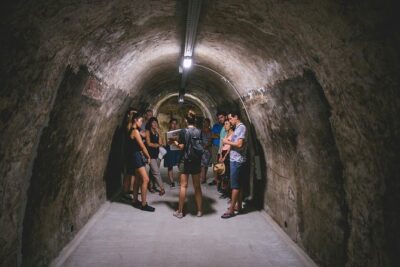
Plitvice Lakes with Ticket & Rastoke Guided Tour from Zagreb
Read our review →
Small Group Walking Tour City Center and WW2 Tunnels
Read our review →
Skip-the-Ticket-Line Museum of Broken Relationships
Read our review →
Browse the lists this tour appears in