
Reviewed · OLIVE OIL TASTINGS
Split: Olive museum Klis with Olive Oil Tasting
Olive oil gets the star treatment here. At Stella Croatica, near Klis in Dalmatia, you tour a traditional family estate, see how local foods and cosmetics are made, visit an award-finalist museum, and taste two extra virgin olive oils. I especially like the practical tasting workshop and the chance to sample handmade fig, almond, orange, lavender, and herb products. The botanical collection, with about 500 species, adds a pleasant outdoor break.
The main drawback is that this is a museum and estate visit, not a walk through working olive groves. You will not see broad olive fields on site, and the museum portion may feel dry if you want a highly active outing. Still, at $18 per person, it offers a lot for a modest price, especially if you are curious about Croatian food traditions.
In This Review
- Key points to know before you go
- What Stella Croatica offers near Klis
- Finding the meeting point at Stella Croatica
- Seeing local products made by hand
- From Dalmatian herbs to natural cosmetics
- Walking through the 500-species botanical collection
- Inside the Olive Oil Museum
- Learning to taste extra virgin olive oil
- What the tasting can and cannot teach you
- Shopping at factory prices
- Who will enjoy this experience most
- Practical tips for getting the most from the visit
- Is the $18 price fair?
- Should you book the Stella Croatica visit?
- FAQ
- Where does the olive oil experience take place?
- How much does the experience cost?
- What does the ticket include?
- Is the tour offered in English?
- How many olive oils do you taste?
- Will I learn how to recognize quality olive oil?
- Are there olive groves at Stella Croatica?
- Can I buy olive oil and other products?
- Is lunch included?
- Can I cancel the booking?
Key points to know before you go
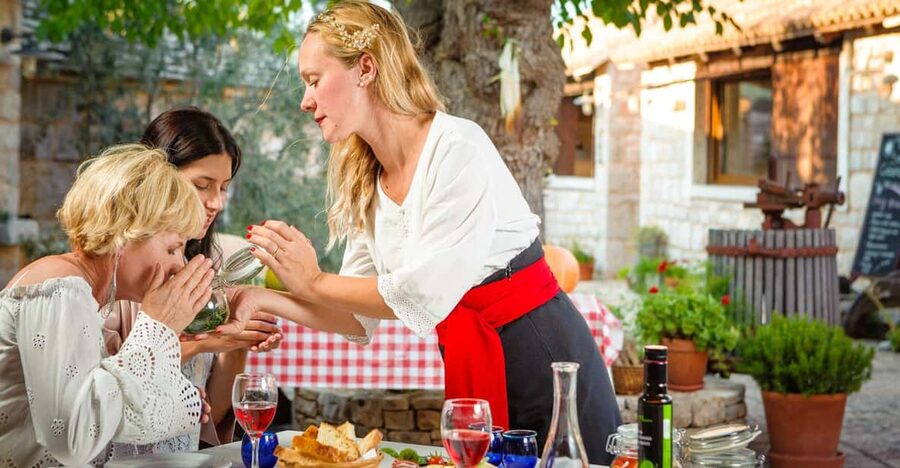
- The tasting workshop is the real highlight: You learn how professional tasters use smell and taste to judge olive oil, then compare two oils labeled extra virgin.
- Stella Croatica is more than an olive museum: The visit also includes traditional sweets, natural cosmetics, a botanical collection, and a concept shop.
- The museum reached the 2023 European Museum of the Year finalist stage: That gives the collection added interest, though your enjoyment may depend on how much you like museum displays.
- You can sample local products without buying them: Handmade foods and cosmetics are available to taste or test, with purchases offered at factory prices.
- Families have a useful option here: The explanations are clear enough for children, and one nine-year-old found the olive oil workshop interesting.
- Plan extra time after the guided portion: You can explore the park, old buildings, and shop, or add a traditional lunch at your own cost.
What Stella Croatica offers near Klis
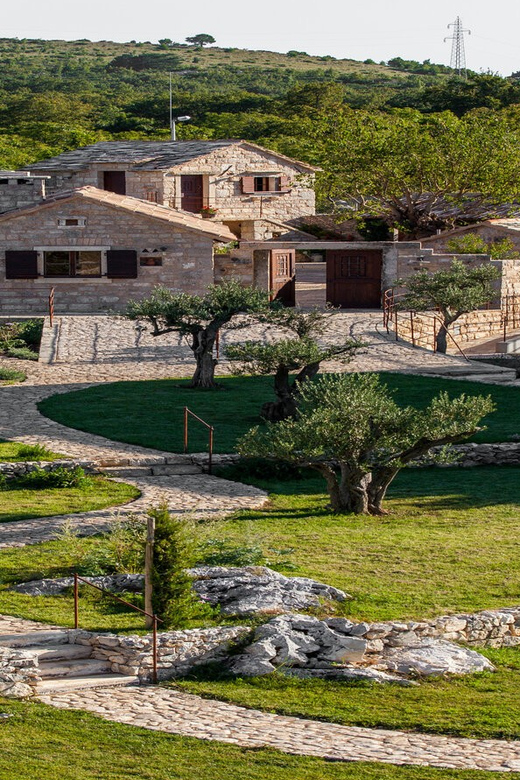
Stella Croatica is a traditional family estate in Dalmatia, close to Split and Klis. The experience brings several local crafts and food traditions together in one place rather than focusing only on olive oil.
That variety matters. If someone in your group is not an olive oil enthusiast, they still have traditional sweets, herbs, cosmetics, gardens, and old buildings to enjoy. I like this mix because it gives the visit a sense of place. You are not simply tasting a bottle and leaving.
The ticket costs $18 per person and includes entry to the estate and Olive Oil Museum, a guided tour, two olive oil tastings, traditional sweets, and natural cosmetics testing. Additional food and drinks cost extra. For the price, I consider it good value, especially when you take time to use the entire estate rather than treating it as a quick museum stop.
The experience is conducted in English. The published details do not state a fixed duration or group size, so you should allow enough flexibility for the tour, tasting, shop, and time outdoors.
More Food and Drink Tours in Split
- From Split: Krka Waterfalls, Food & Wine Tasting Tour
★ 5.0 · 9,326 reviews - From Split: Krka Waterfalls, Food & Wine Tasting Tour
★ 4.9 · 6,598 reviews - Split: Blue Lagoon and 3 Island Cruise with Food and Drinks
★ 4.8 · 1,969 reviews
Finding the meeting point at Stella Croatica
You follow signs from the main road to Stella Croatica, enter the main building, and wait for your host. The activity finishes back at the same meeting point, so there is no need to arrange a second pickup point.
That simple setup is useful if you are driving around the Klis area. I would arrive with enough time to follow the signs without rushing. The directions provided do not include a detailed transportation plan, so you should not assume that transfers from Split are included.
Once your host arrives, the guided visit begins inside the estate. Keep food and drinks outside, since they are not allowed during the activity. Video recording is also not permitted, so plan to watch and listen rather than document every step with your phone.
Seeing local products made by hand
One of the first stops shows local women producing and packing traditional products. The ingredients include figs, almonds, oranges, and lavender, all closely tied to Dalmatian cooking and household traditions.
This part gives the estate a useful human touch. Instead of seeing only finished jars and packages in a shop, you get a look at the work behind them. You can see how local ingredients become products that are easy to take home.
The tasting of traditional sweets is included. You can also taste handmade products in the concept store, where you have the chance to buy items at factory prices. That means you can browse without feeling pressured to purchase, and you can decide based on what you actually enjoy.
The shop is a practical stop for edible gifts. Fig and almond products travel well in spirit, though you should consider your own luggage rules and plans before buying. The supplied information does not specify individual products, packaging sizes, or airline restrictions, so ask staff for current details if you plan to take food home.
From Dalmatian herbs to natural cosmetics
The tour then explains how essential oils are extracted from typical Dalmatian herbs. These oils are used to make natural cosmetics, giving you a look at another side of the estate’s production.
I find this section useful because it connects the plants in the garden with products you can actually use. You are not only looking at herbs as decoration. You learn that they can become oils, creams, and other cosmetic items.
Testing the natural cosmetics is included in the ticket. That lets you judge the scents and textures before buying anything. As with the food products, the shop offers a chance to purchase items at factory prices.
The cosmetics section should appeal to anyone who enjoys herbal products or wants a small, practical souvenir. If you are visiting only for olive oil, it may feel like a side trip, but it helps explain the wider purpose of Stella Croatica.
More olive oil tastings in Split:
- Split: Krka Waterfalls With Boat Cruise, Wine and Olive Oil
★ 4.3 · 1,507 reviews - Wine, food and olive oil by PhD student
★ 5.0 · 111 reviews - Hvar: Island tour with Wine and Olive Oil Tasting
★ 4.9 · 77 reviews - Pula: House of Istrian Olive Oil Museum and Guided Tasting
★ 4.9 · 35 reviews
Walking through the 500-species botanical collection
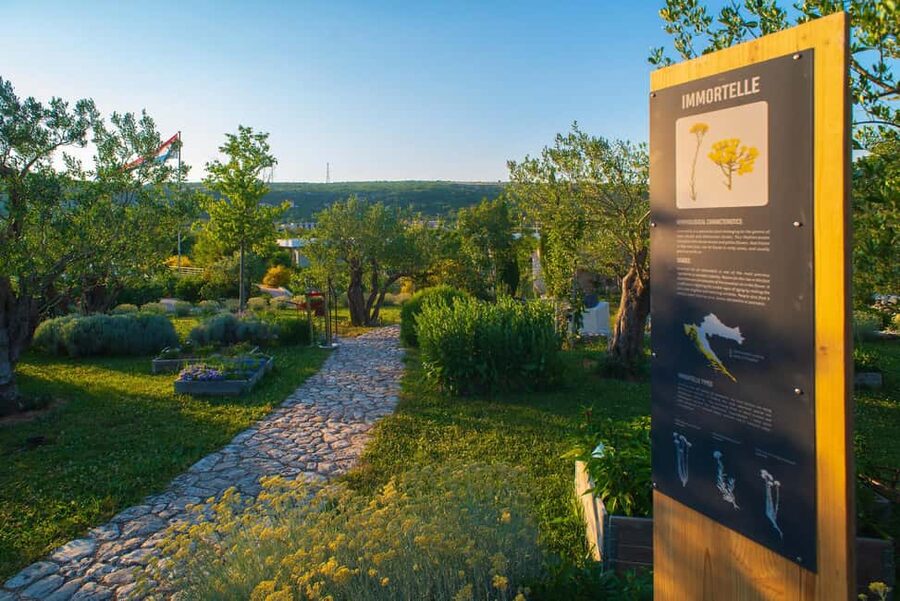
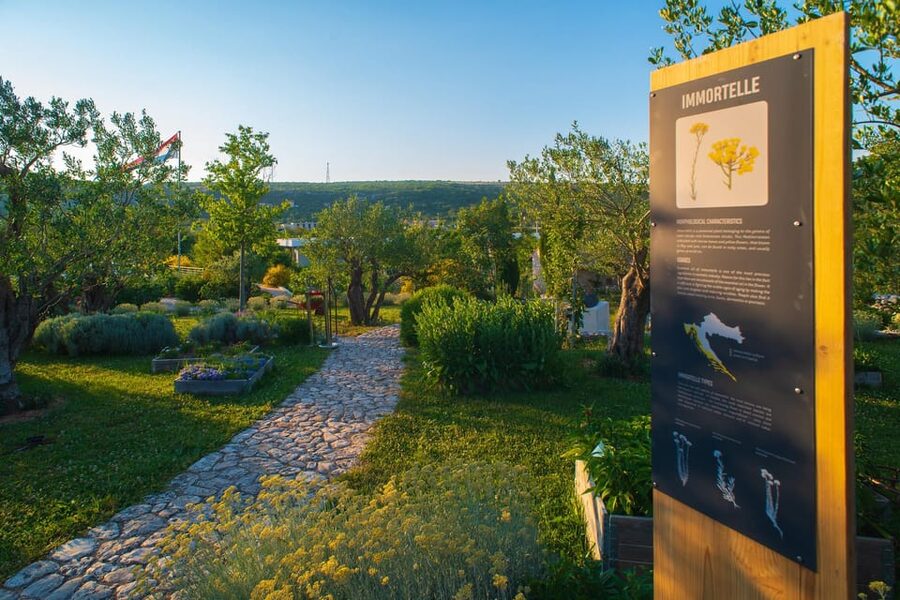
The estate includes a botanical collection with about 500 species. Your guide explains what some of the plants can be used for, linking the garden to food, medicine, herbs, and cosmetics.
This is a pleasant change of pace after the indoor production areas. You get fresh air and a chance to see the plants that support many of the estate’s products. The collection also gives families something to explore between explanations.
The garden is described as small but attractive, so set your expectations correctly. This is not a huge botanical garden or a substitute for a long nature walk. It is an added part of the estate, and its value comes from the way it supports the food and cosmetic demonstrations.
The old buildings and park are also available to explore after the formal tour. I would save time for this rather than leaving as soon as the tasting ends. The visit feels fuller when you treat the estate as a small cultural site, not just a museum room.
Inside the Olive Oil Museum
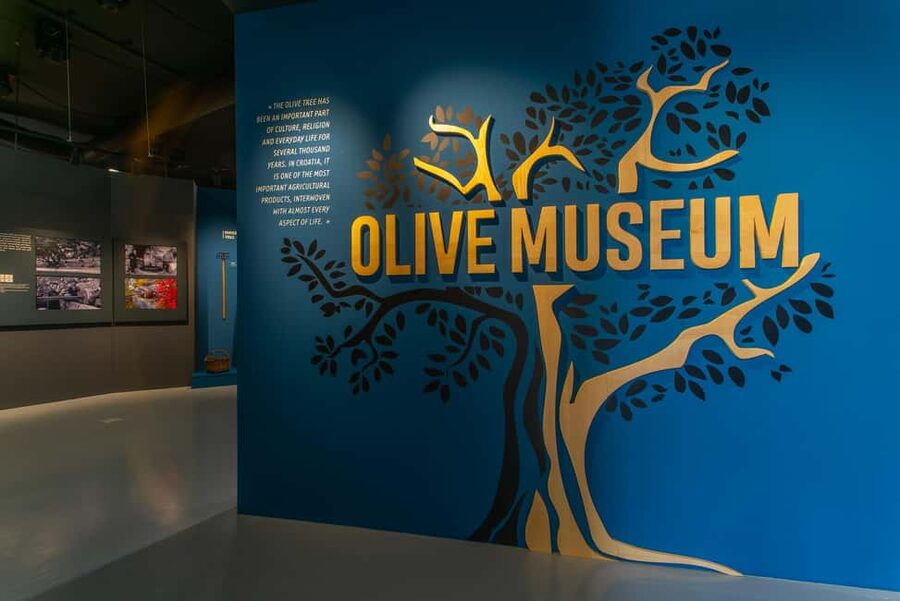
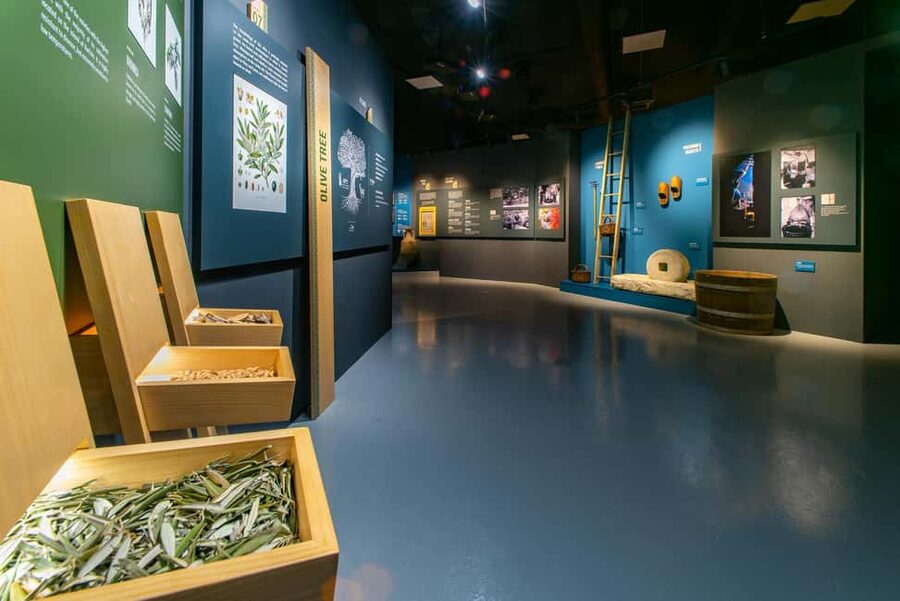
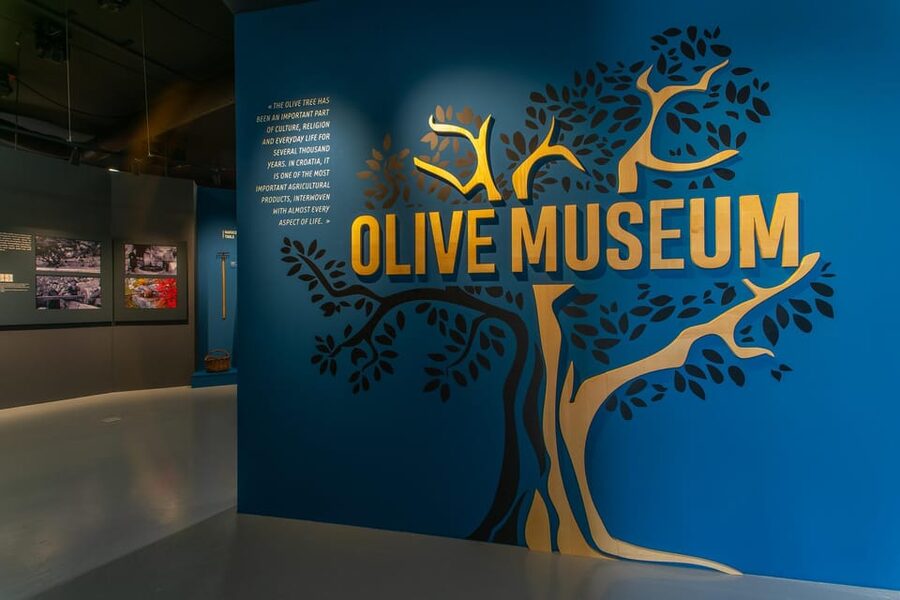
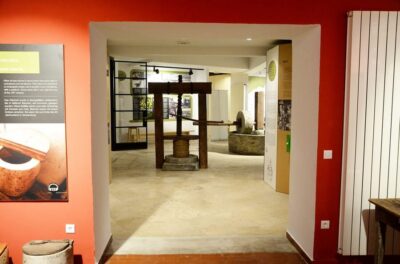
The Olive Oil Museum explains the place of olive oil in Croatia and presents the product often called liquid gold. The museum was a finalist for the European Museum of the Year Award in 2023, which is a notable achievement for a specialized collection.
The museum is likely most rewarding if you enjoy learning how food is made and how regional products develop. You can expect displays and explanations about olive oil, its types, and its importance in Croatia. The exact exhibit layout and length are not provided, so I would not promise an extensive agricultural site visit.
One important limitation is the setting itself. There are no olive trees or olive fields at the estate, so you will not see oil production happening among the trees. If your picture of an olive oil tour includes groves, presses, and farm machinery, this experience may feel incomplete.
The quality of the guiding can also shape your impression. Some visitors find the museum explanation clear and informative, while one account describes the guide inside the museum as dull and unenthusiastic. That contrast is worth noting. The content has value, but the presentation may not always be equally lively.
Learning to taste extra virgin olive oil
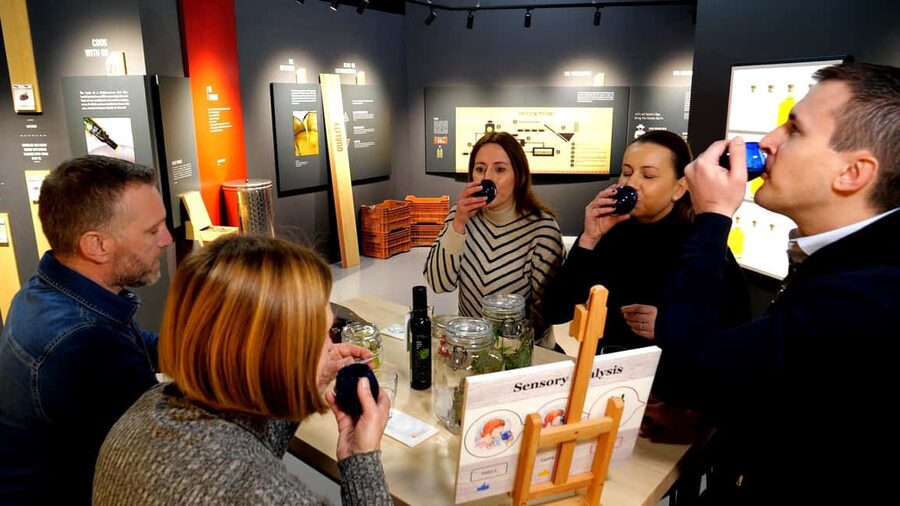
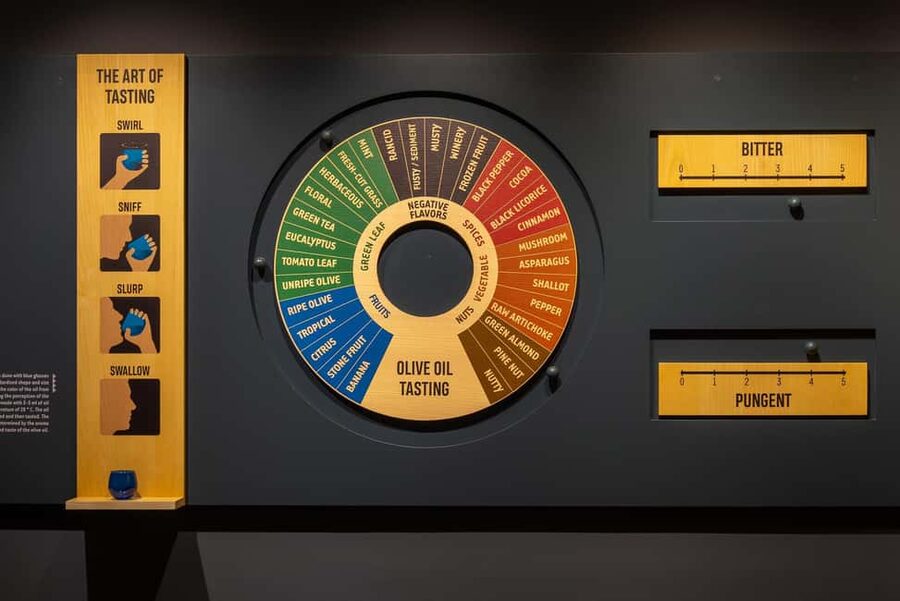
The tasting room is where the experience becomes more hands-on. Your host explains how to recognize extra virgin olive oil through an interactive workshop, then gives you two different oils to taste. Both are labeled as extra virgin, so the lesson is not simply good oil versus ordinary cooking oil.
You learn to use smell and taste in a more careful way. The workshop shows you how professional tasters assess oil, giving you a simple method to use later in shops, restaurants, or your own kitchen.
This is the strongest part of the visit for me because it gives you a skill rather than just information. Many people buy olive oil based on a fancy label or a dark bottle. After this session, you have a better idea of what to look for in the glass and on your palate.
The experience is interactive, so pay attention to the order of the tasting and the instructions from your host. The workshop is designed to help you notice differences between oils, and the comparison makes the lesson easier to remember.
One family found the format suitable for a nine-year-old, with clear explanations and a playful sense of acting like a sommelier. That makes this a reasonable choice for families, although children’s interest will naturally vary.
What the tasting can and cannot teach you
The workshop can help you recognize quality, but it will not turn you into an olive oil expert after one short session. It gives you the basics: how to smell, how to taste, and how to notice differences between oils.
The two oils are both labeled extra virgin. This is useful because it shows that the label alone does not tell you everything about flavor or quality. You get to compare the oils directly instead of relying on packaging claims.
The provided details do not identify the brands, harvest dates, olive varieties, or production methods. If those details matter to you, ask the tasting host during the workshop. The experience focuses on recognition and sensory testing, not a full technical lecture about every bottle.
I would also keep your expectations practical. Olive oil flavor is personal. You may prefer a peppery oil, a mild oil, or something fruity and soft. The goal is not to declare one style best for everyone. It is to help you understand what you are tasting and spot signs of poor quality.
Shopping at factory prices
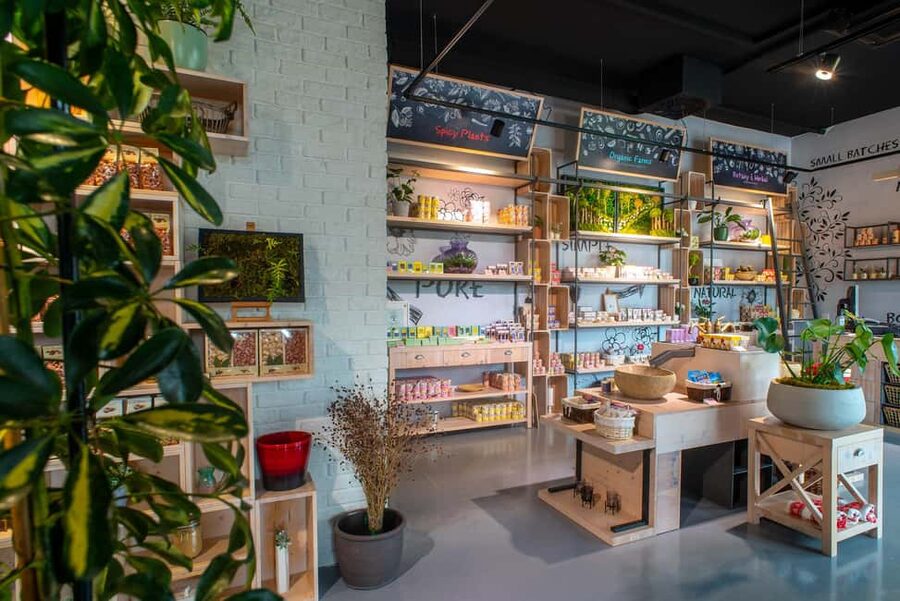
After the museum and tasting, you can browse the concept store. Handmade foods, olive oils, and natural cosmetic products are available, and the visit includes samples and testing before you buy.
I like this arrangement because it keeps shopping optional. You can taste the products first, then decide if something deserves space in your suitcase. The chance to buy at factory prices may also make the shop more appealing than a standard tourist store.
The shop is part of the experience, not a requirement. You are free to explore without purchasing anything, and the visit still includes the museum, tour, garden, sweets, cosmetics, and olive oil workshop.
If you want a traditional lunch, you can have one after the experience, but it is not included. Additional food and drinks are also excluded from the $18 price, so budget separately if you plan to stay for a meal.
Who will enjoy this experience most
I would recommend the visit to you if you enjoy food culture, small museums, regional products, and guided tastings. It is especially suitable if you want a short outing from Split that combines several activities in one stop.
Families may find it easy to manage because the tour includes outdoor space, food samples, cosmetics testing, and a practical workshop. The clear explanations can work for children, though the museum section may hold younger attention less successfully.
This is also a good pick for shoppers who prefer buying directly from producers. You can sample traditional sweets and handmade products before choosing what to take home.
You may want to skip it if you expect a working olive farm with rows of trees, a pressing demonstration, or a large agricultural site. The estate has a botanical collection and old buildings, but it does not provide the full grove experience.
It may also disappoint if you want a fast, highly entertaining attraction. The museum guide’s energy can vary, and the museum itself may feel quiet or somewhat dry to you. The tasting workshop is more engaging than the museum for many visitors.
Practical tips for getting the most from the visit
Arrive ready to listen during the tasting. Olive oil assessment depends on smell and flavor, so distractions can make it harder to notice the differences.
Keep some free time after the guided tour. The park, botanical collection, old buildings, and concept store deserve more than a rushed glance. You can also use this time for a traditional lunch, with the cost paid separately.
Do not bring food or drinks into the activity, and do not plan to record video. Still photography may not be addressed in the supplied information, so ask your host if you are unsure.
The booking terms are flexible: you can reserve and pay later, and cancellation is allowed up to 24 hours in advance for a full refund. The experience is offered in English, so confirm that this suits everyone in your group.
Is the $18 price fair?
At $18, the price is easy to justify if you use the whole estate. The ticket covers the entry fee, guided visit, museum, two-oil tasting, traditional sweets, and cosmetic testing. You also get time to browse the shop and grounds without paying another admission fee.
The value is weaker if you only care about seeing olive trees or visiting a large museum. Since there are no groves at the site, you are paying for education, tasting, local products, and the wider Stella Croatica setting rather than a farm tour.
The high overall score of 4.9 from 51 ratings fits the experience’s strongest qualities: clear explanations, a beautiful facility, an informative tasting workshop, and friendly staff. The lower assessment also makes sense because the museum presentation may feel dull and the site lacks olive fields.
Should you book the Stella Croatica visit?
Book it if you want an affordable, English-language introduction to Dalmatian products with a useful olive oil workshop at its center. I would choose it for a relaxed half-day style outing, a family activity, or a food-focused stop near Klis.
Skip it if your main goal is to walk among olive trees or watch oil being pressed. In that case, this museum and estate visit will not match the picture in your head.
For most people, the best reason to go is the tasting lesson. The garden, sweets, cosmetics, museum, and shop make the visit more varied, but learning how to smell and taste extra virgin olive oil is what gives the $18 ticket lasting value.
FAQ
Where does the olive oil experience take place?
It takes place at Stella Croatica in the Klis area of Dalmatia, Croatia. You follow signs from the main road, enter the main building, and wait for your host.
How much does the experience cost?
The listed price is $18 per person. Additional food and drinks are not included.
What does the ticket include?
It includes entry to Stella Croatica and the Olive Oil Museum, a guided tour, tasting of two different olive oils, traditional sweets, and natural cosmetics testing.
Is the tour offered in English?
Yes. The stated tour language is English.
How many olive oils do you taste?
You taste two different olive oils. Both are labeled as extra virgin.
Will I learn how to recognize quality olive oil?
Yes. The tasting workshop teaches you basic methods for recognizing extra virgin olive oil through smell and taste, using an interactive comparison.
Are there olive groves at Stella Croatica?
No. The site does not have olive trees or olive fields. It has a botanical collection, a park, old buildings, and the Olive Oil Museum.
Can I buy olive oil and other products?
Yes. The concept store offers olive oils and other handmade products, including traditional foods and natural cosmetics. Purchases are available at factory prices.
Is lunch included?
No. You may have a traditional lunch after the experience, but food and drinks are additional.
Can I cancel the booking?
Yes. Cancellation up to 24 hours in advance is allowed for a full refund. You can also reserve and pay later, according to the stated booking terms.
More Museums and Galleries in Split
- Blue Lagoon & Underwater Museum from Split with Lunch & Drinks
★ 4.5 · 1,122 reviews - Split: Game of Thrones Museum Entrance Ticket
★ 3.8 · 385 reviews - SPLIT-PREMIUM Emperor’s Walking Tour for History Lovers + Museum
★ 5.0 · 333 reviews - Split: Klis Fortress GOT and Olive Museum Entry Tickets
★ 4.6 · 283 reviews
Just added around Split
- Slatine – Island Hopping Excursion (Trogir/Blue Lagoon/Shipwreck)★ 4.0 · 24 reviews
- Krka Waterfalls & Primošten from Trogir, Seget, Čiovo & Kaštela★ 5.0 · 18 reviews
- Island Hopping Boat Excursion with Lunch (Trogir,Blue Lagoon, Šolta)★ 3.5 · 6 reviews
- From Trogir, Seget, Okrug: Krka Waterfalls & Šibenik Culture Tour★ 5.0 · 10 reviews
- From Split & Trogir: ATV Quad Tour on Island Čiovo★ 5.0 · 21 reviews
- Split: Blue Lagoon Boat Trip with Lunch, Wine and Snorkeling★ 5.0 · 3 reviews
- Split Sunset Stand Up Paddle Tour★ 5.0 · 16 reviews
- Split: Sunset Guided Kayaking Tour★ 4.8 · 71 reviews
Olive Oil Tastings, compared.
Krka Waterfalls With Boat Cruise, Wine and Olive Oil
Read our review →
House of Istrian Olive Oil Museum and Guided Tasting
Read our review →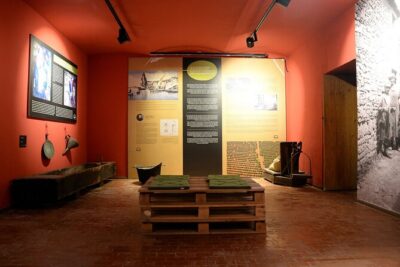

Biking Vidova – Skrip & museum of olive oil – Splitska – Postira
Read our review →
Istrian hill top cities tour with truffle and olive oil tasting
Read our review →Browse the lists this tour appears in