
Reviewed · OLIVE OIL TASTINGS
Olive Oil Guided Tasting and History in Pula
Olive oil can tell Istria’s story. At the House of Istrian Olive Oil, you move from Roman production methods to a guided tasting of fine local oils, with snacks and a sweet dessert pairing included. I like the clear link between Pula’s past and its food culture, and I also like that the tasting compares quality extra virgin oil with an ordinary supermarket bottle. The main drawback is that the museum is small and its layout may feel a little awkward.
The 90-minute experience costs $36.04 per person and is offered in English. I’d choose it for a relaxed food-focused stop in Pula, especially if you want to understand why one olive oil tastes fresh and peppery while another feels flat. Just keep your expectations in check: the guide-led tasting is the star, while the exhibition is more informative than interactive.
In This Review
- Key points to know before you book
- Why olive oil belongs on your Pula itinerary
- Entering the exhibition at Istarska ul. 30
- The tasting room and the supermarket comparison
- Polyphenols and the health conversation
- The surprise dessert with olive oil
- How much time to allow
- Group size, access, and the feel of the visit
- What the $36.04 price really covers
- Who will enjoy this experience most
- Practical advice for planning your visit
- Should you book the Pula olive oil tasting?
- FAQ
- Where does the olive oil experience begin?
- Where does the activity end?
- How long does the experience last?
- How much does the experience cost?
- What language is the tour offered in?
- What is included in the tasting?
- Will I taste different types of olive oil?
- What will I learn during the tasting?
- How many people can join the group?
- When is the House of Istrian Olive Oil open for this experience?
- Can I cancel for a refund?
Key points to know before you book
- Roman olive-oil making comes first: The exhibition explains how olive oil was produced and exported in Istria during Roman times.
- You taste good and ordinary oil side by side: This comparison helps you understand what extra virgin really means.
- The tasting covers both faults and virtues: You learn to notice positive flavors, unpleasant defects, and the role of polyphenols.
- A sweet pairing ends the session: The surprise dessert gives olive oil an unexpected place beyond salads and bread.
- The group can reach 20 people: That is still a manageable size, though the experience may feel less personal when fully booked.
- The museum is easy to fit into a Pula day: It lasts about one to one and a half hours and returns you to the starting point.
Why olive oil belongs on your Pula itinerary
Pula is best known for Roman stonework, but its food traditions tell another part of the story. Istria has long produced olive oil, and this experience gives you a practical way to connect local agriculture with the region’s past.
You do not simply sit down and taste several oils without context. The visit begins with an exhibition about production, trade, and changing methods. That order matters. Once you understand how oil was made in Roman Istria and how it is produced today, the tasting has more meaning.
I like this approach because it avoids treating olive oil as a luxury product with a fancy label and little explanation. You are shown what producers are trying to achieve, then asked to use your own senses. The lesson is simple: good oil should have clear positive qualities, and faults can often be detected if you know what to look for.
The experience also suits Pula’s compact sightseeing pattern. At about 90 minutes, it is long enough to feel substantial but short enough to fit before lunch, after a museum visit, or during a free afternoon. The address is Istarska ul. 30 in central Pula, and the activity ends where it begins.
More Food and Drink Tours in Istria
- Istria: Guided Tour of Inner Istria with Food Tasting
★ 5.0 · 67 reviews - Pula: House of Istrian Olive Oil Museum and Guided Tasting
★ 4.9 · 35 reviews - Istrian hill top cities tour with truffle and olive oil tasting
★ 5.0 · 18 reviews
Entering the exhibition at Istarska ul. 30
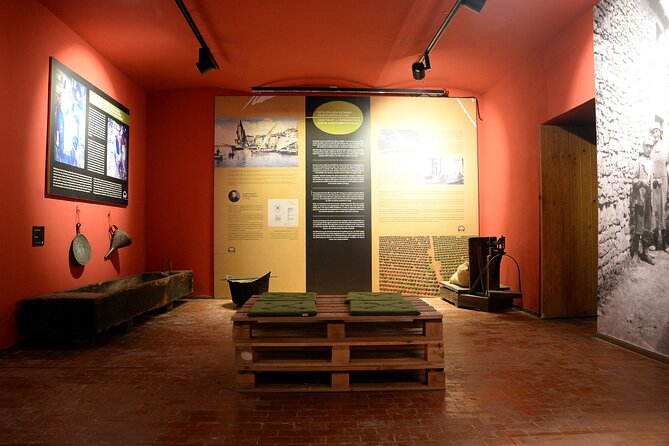
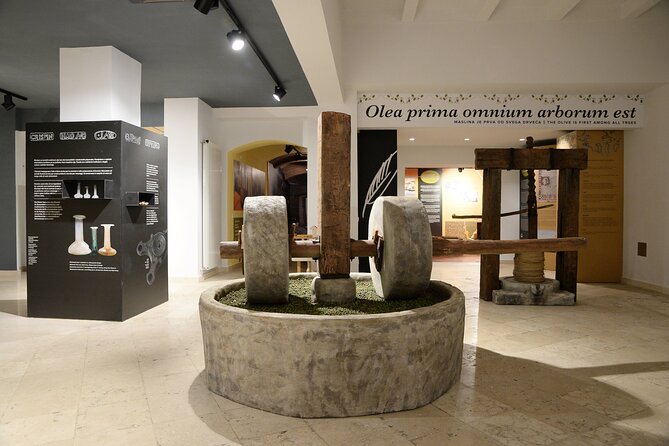
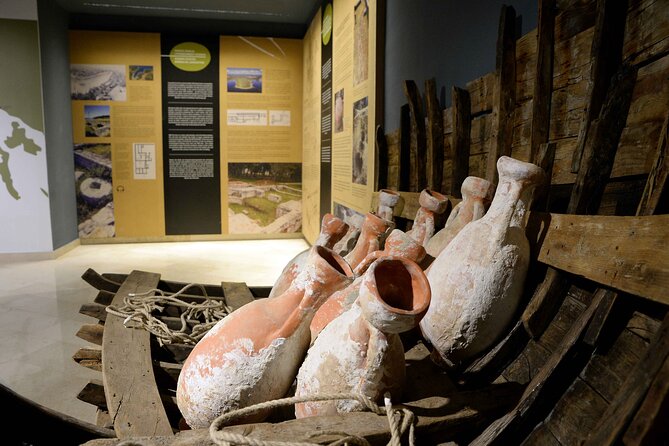
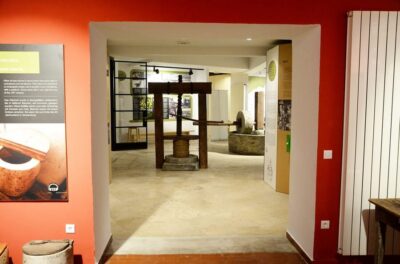
The first part takes place in the House of Istrian Olive Oil exhibition. You see how Romans in Istria made olive oil, where it was exported, and how the trade fitted into the wider life of the region.
That Roman focus gives the visit a useful local anchor. Instead of hearing a broad lecture about Mediterranean food, you learn specifically about Istria and Pula. The subject is narrow, but that is part of its strength. A short visit can explain one important local product without trying to cover all of Croatian cuisine.
Two short films add another layer. One looks at traditional processing, while the other shows how olive oil is made today. I find that comparison useful because it makes change easier to understand. Traditional methods are not just old pictures on a wall, and modern production is not presented as an unrelated factory process.
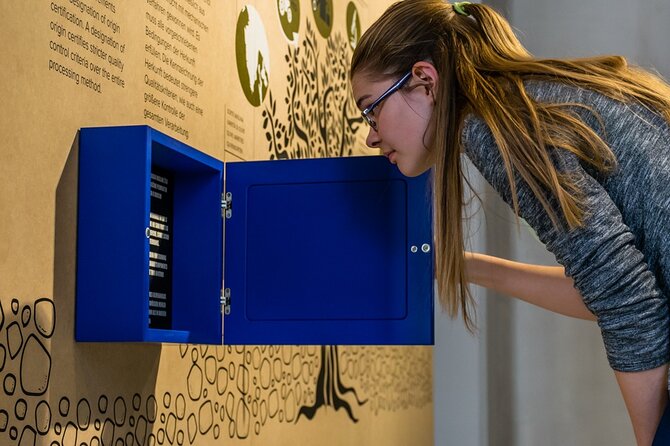
The exhibition itself is not large. You should think of it as a compact museum section rather than a major Pula attraction that demands half a day. The layout has been described as somewhat strange, and the displays may feel less interactive than some visitors expect. If you prefer hands-on museums, this part could seem modest.
Still, the material serves its purpose. I would treat the exhibition as preparation for the tasting, not as the main event. Give it your attention, but save your highest expectations for the room that follows.
The tasting room and the supermarket comparison
After the exhibition, you enter the tasting room for sensory analysis. This is where the experience becomes practical and memorable.
You taste high-quality Istrian olive oils, then compare them with the sort of oil commonly bought in a supermarket. That side-by-side contrast is one of the best reasons to book. Without a comparison, it is easy to nod along with claims about quality without understanding what they mean in your mouth.
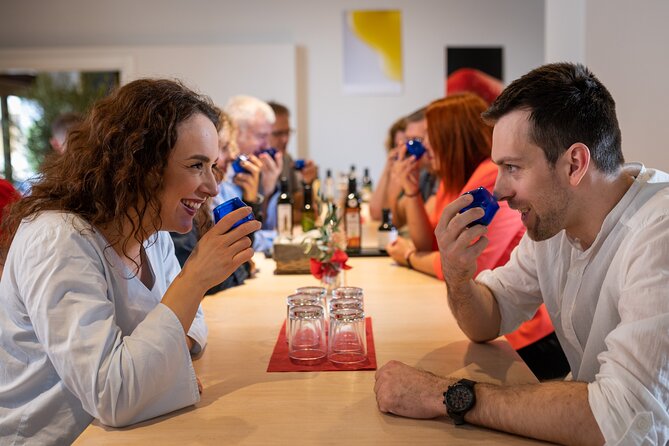
The tasting teaches you to look for both positive and negative attributes. You may notice differences in aroma, flavor, freshness, and finish. The point is not simply to declare one bottle better. You learn why an oil earns the extra virgin label and what can go wrong during production or storage.
This is also where the session answers a question many shoppers have: Is it really extra virgin? You leave with a sharper sense of what that term should communicate. The lesson may make you more careful when choosing oil in a shop, though the experience does not provide enough information to judge every brand or bottle on the market.
The guide leads the sensory work and answers questions during the session. The guide has been praised for being exceptionally well informed, clear, and willing to explain details. That personal instruction matters because olive oil tasting can feel confusing at first. You might smell something grassy or peppery and wonder if that is good. The guide helps connect the sensation with quality.
Polyphenols and the health conversation
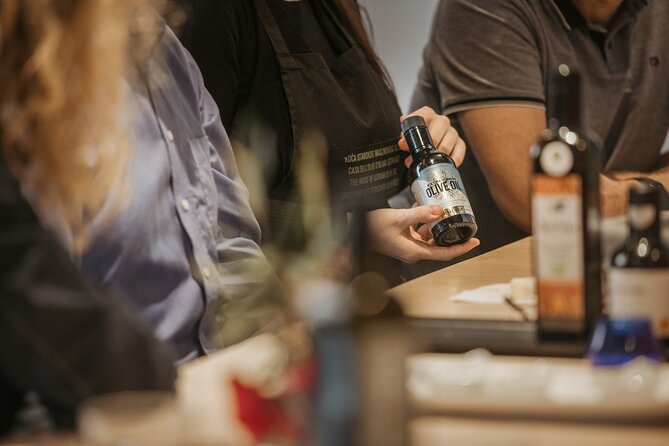
The session also explains why polyphenols matter. These natural compounds are one reason high-quality olive oil receives so much attention in discussions of diet and health.
The useful point here is that you are not asked to accept a vague claim that olive oil is good for you. Instead, the guide connects polyphenols with the characteristics being discussed during tasting. You gain basic context for why freshness, production, and quality affect more than price.
I appreciate that the health information is included without making it the whole lesson. This remains a food experience, not a medical seminar. You should listen for general education rather than personal health advice.
The tasting also gives you a new way to think about supermarket shopping. A cheaper bottle may still be suitable for everyday cooking, but the session helps you recognize what you are paying for when you choose a high-quality extra virgin oil. That makes the $36.04 fee easier to judge: you are buying instruction as much as you are buying samples.
More olive oil tastings in Pula:
- E Bike Tour with wine and olive oil tasting in Vodnjan
★ 5.0 · 4 reviews - Split: Krka Waterfalls With Boat Cruise, Wine and Olive Oil
★ 4.3 · 1,507 reviews - Wine, food and olive oil by PhD student
★ 5.0 · 111 reviews - Hvar: Island tour with Wine and Olive Oil Tasting
★ 4.9 · 77 reviews
The surprise dessert with olive oil
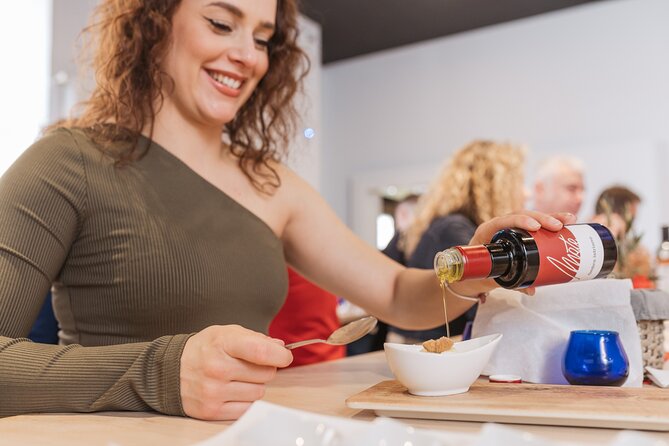
The final food moment is a sweet dessert paired with high-quality extra virgin olive oil. The exact dessert is kept as a surprise.
This is a small but clever ending. Most people first associate olive oil with bread, vegetables, fish, or savory dishes. A dessert pairing shows that a good oil can work in a different setting, where its fruitiness and peppery notes may change the taste of something sweet.
Do not expect a full meal. The included food is a tasting snack and dessert pairing, not lunch or dinner. If you arrive hungry, plan another meal in Pula. The value here is the lesson in pairing, not the amount of food.
I like the surprise element, though anyone with strict dietary needs should confirm suitability before booking. The available information identifies the dessert only as a surprise dessert and does not provide ingredients or substitutions.
How much time to allow

The stated duration is about one hour and 30 minutes, though it can run closer to one hour depending on your interests and questions. That flexibility is useful. A group that asks many questions may spend longer in the tasting room, while a quieter session may finish sooner.
I would allow the full 90 minutes when planning your day. That gives you enough time to view the exhibition, watch both films, taste the oils, discuss quality, and finish with dessert without rushing.
The experience runs Monday through Saturday from 10:00 a.m. to 6:00 p.m. The listed operating period covers March 30, 2022, through January 21, 2027. It does not run on Sundays according to the stated schedule, so check your Pula plans carefully.
The mobile ticket is convenient, and confirmation is provided when you book. The tour is offered in English, which makes the guide’s explanations accessible to English-speaking visitors.
Group size, access, and the feel of the visit
The maximum group size is 20 people. That is small enough for a guided tasting, though the experience will naturally feel more intimate with a smaller turnout.
If the group is full, your position in the tasting room could affect how easily you see demonstrations or hear every answer. You can still expect a structured session, but this is not a private tasting with individual attention at every moment.
Most people can participate, and service animals are allowed. The meeting point is near public transportation. No special physical demands are described, so the activity should suit most visitors, but the available information does not provide detailed access notes for every part of the museum.
The staff and venue have received praise for being clean, friendly, and easy to reach. Those basic comforts matter during a short indoor activity. You are not spending the afternoon trying to locate a remote farm or waiting for a complicated transfer.
What the $36.04 price really covers
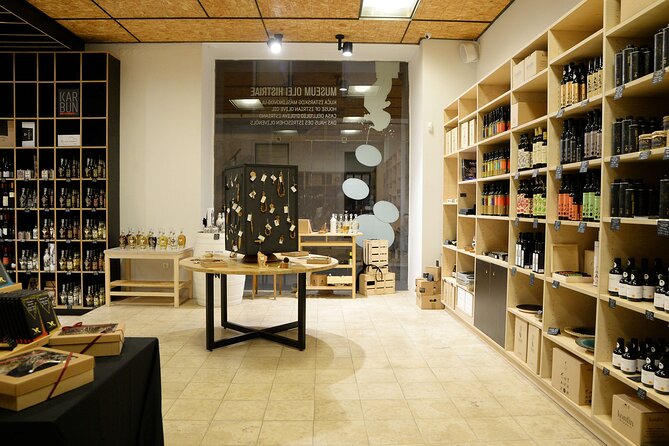
At $36.04 per person, this is not the cheapest way to sample olive oil in Croatia. You could buy a bottle for less, taste it at a meal, and move on.
The fee makes more sense if you value explanation. You receive an exhibition visit, two short films, a guided comparison of quality and supermarket oil, instruction on sensory faults, information about polyphenols, snacks, and a dessert pairing. The experience also gives you a better basis for buying oil later in your trip.
I would call it fair value for a food-focused visitor, particularly because the tasting is led rather than self-guided. You are paying for a lesson that can change how you shop and eat, not simply for a few small pours.
The value is weaker if you are mainly looking for a large meal, a long museum visit, or a hands-on production workshop. The exhibition is small, and the food portion is limited. In that case, the price may feel high for the amount of time and food involved.
Who will enjoy this experience most
I would recommend it to anyone curious about Croatian food culture, especially if you enjoy learning the reason behind what you eat. It is a good match for couples, small groups of friends, solo visitors, and families with older children who can focus during a guided tasting.
It also suits people who have never tasted olive oil formally. You do not need prior knowledge. The supermarket comparison gives you a familiar reference point, and the guide explains what to notice.
Food professionals and serious cooks may enjoy the sensory detail, though they should not expect an advanced certification course. The session is educational and accessible rather than technical.
I would be less likely to recommend it to someone who wants only famous Pula monuments. The Roman exhibition is relevant, but this is still a food experience. It works best when you want to add local flavor to a sightseeing day.
Practical advice for planning your visit
Book ahead if your schedule is fixed. The experience is booked an average of 23 days in advance, which suggests that popular dates can fill before the day itself.
Choose a time that leaves room for questions. The guide’s explanations are one of the strongest parts, and rushing through the tasting would reduce its value.
Arrive at Istarska ul. 30 and plan to return to that same meeting point when the session ends. The activity does not include transportation between locations, but its proximity to public transportation makes it straightforward to reach.
Free cancellation is available if you cancel at least 24 hours before the start time. Cancellations made less than 24 hours in advance are not refunded, and changes inside that window are not accepted. The cut-off follows local Pula time.
Should you book the Pula olive oil tasting?
Book it if you want a compact, well-organized lesson in Istrian olive oil, with a clear local history section and a strong tasting component. The best parts are the Roman context, the comparison with supermarket oil, the guide’s explanations, and the unusual dessert pairing.
Skip it if you want a large museum, a full meal, or a farm visit with extensive production machinery. The exhibition is small, and its layout may not impress everyone.
For most food-focused visitors, I think the $36.04 price is reasonable. You leave with more than a pleasant snack: you gain a practical way to judge olive oil, a better sense of Istria’s food traditions, and one more reason to pay attention to what you pour over dinner.
FAQ
Where does the olive oil experience begin?
It begins at Istarska ul. 30, 52100, Pula, Croatia.
Where does the activity end?
The activity ends back at the meeting point.
How long does the experience last?
It lasts about one hour and 30 minutes. Depending on your interests and questions, it may take closer to one hour or the full 90 minutes.
How much does the experience cost?
The listed price is $36.04 per person.
What language is the tour offered in?
The experience is offered in English.
What is included in the tasting?
Olive oil tasting and snacks are included. The experience also includes a surprise dessert paired with high-quality extra virgin olive oil.
Will I taste different types of olive oil?
Yes. You taste high-quality Istrian olive oils and compare them with an oil commonly bought in a supermarket.
What will I learn during the tasting?
You learn how to recognize good and poor-quality olive oils, identify positive and negative attributes, and understand why polyphenols are important to health.
How many people can join the group?
The maximum group size is 20 participants.
When is the House of Istrian Olive Oil open for this experience?
It is listed as open Monday through Saturday from 10:00 a.m. to 6:00 p.m. The stated operating period runs from March 30, 2022, through January 21, 2027.
Can I cancel for a refund?
Yes. You can cancel at least 24 hours before the start time for a full refund. Cancellations or changes made less than 24 hours before the start time are not accepted for a refund.
More History Tours in Pula
- Pula: Historic Walking Tour with Local Guide & City Views
★ 4.8 · 143 reviews - Pula: Historic Sites Guided Walking Tour
★ 4.8 · 78 reviews - Dubrovnik Old Town History Walking Tour
★ 5.0 · 1,684 reviews - Walking Tour of Split with a ‘Magister’ of History
★ 5.0 · 1,122 reviews
More Food and Drink Tours in Pula
- From Split: Krka Waterfalls, Food & Wine Tasting Tour
★ 5.0 · 9,326 reviews - From Split: Krka Waterfalls, Food & Wine Tasting Tour
★ 4.9 · 6,598 reviews - Split: Blue Lagoon and 3 Island Cruise with Food and Drinks
★ 4.8 · 1,969 reviews - Krka National Park Tour with tour Guide & Wine tasting from Split & Trogir
★ 5.0 · 1,625 reviews
Just added around Pula
- Pula Sightseeing Walking Tour★ 5.0 · 3 reviews
- Pula Essentials Walking Tour★ 5.0 · 62 reviews
- Pula: Sunset/Night-time Illuminated Transparent Kayak Tour★ 4.0 · 9 reviews
- Pula Discover Scuba Diving Package★ 4.5 · 18 reviews
- Pula Boat Trip with Snorkeling★ 4.0 · 7 reviews
- Pula Kayak, Cliffs & Snorkeling Adventure★ 5.0 · 164 reviews
- Pula Kayaking at Blue Cave with Cliffs Tour and Snorkeling★ 5.0 · 4 reviews
- Pula Arena Amphitheater Admission Ticket★ 4.0 · 68 reviews
Olive Oil Tastings, compared.
Krka Waterfalls With Boat Cruise, Wine and Olive Oil
Read our review →
House of Istrian Olive Oil Museum and Guided Tasting
Read our review →

Biking Vidova – Skrip & museum of olive oil – Splitska – Postira
Read our review →
Istrian hill top cities tour with truffle and olive oil tasting
Read our review →Browse the lists this tour appears in