

Reviewed · WALKING TOURS
Old Zagreb Private Walking Tour
Zagreb reveals itself on foot. This private two-hour walk links Gradec and Kaptol, the two medieval settlements that grew into Croatia’s capital, while your guide explains how old conflicts still shape the city today. I like the clear route and the human scale: you see the main Old Town sights without spending half a day on a formal history lecture.
I also like the flexible approach. Guides such as Jo and Tonka have adapted walks to personal interests, language needs, and walking speed. The main consideration is the price, $88 per person, which is easier to justify for a private group than for one or two people. The cobbled streets and hills also make this a poor fit for wheelchair users.
In This Review
- Key points to know before you book
- Why two medieval settlements make Zagreb easier to understand
- Starting in Gradec, Zagreb’s upper town
- Stone Gate and its quiet religious meaning
- St. Mark’s Church and Zagreb’s colorful symbol
- Lotrščak Tower and the noon cannon
- Bloody Bridge and the city’s harder memories
- Kaptol and the monumental Zagreb Cathedral
- What the private format changes
- Guides, languages, and the human side of the walk
- Price, timing, and what to bring
- Who will get the most from this Zagreb walk?
- Should you book the Old Zagreb Private Walking Tour?
- FAQ
- How long does the Old Zagreb Private Walking Tour last?
- What sights are included on the walk?
- Is the tour private?
- What languages are available?
- Is hotel pick-up included?
- Can the route be changed?
- Are morning and afternoon departures available?
- What should I bring?
- Is the tour suitable for wheelchair users?
Key points to know before you book
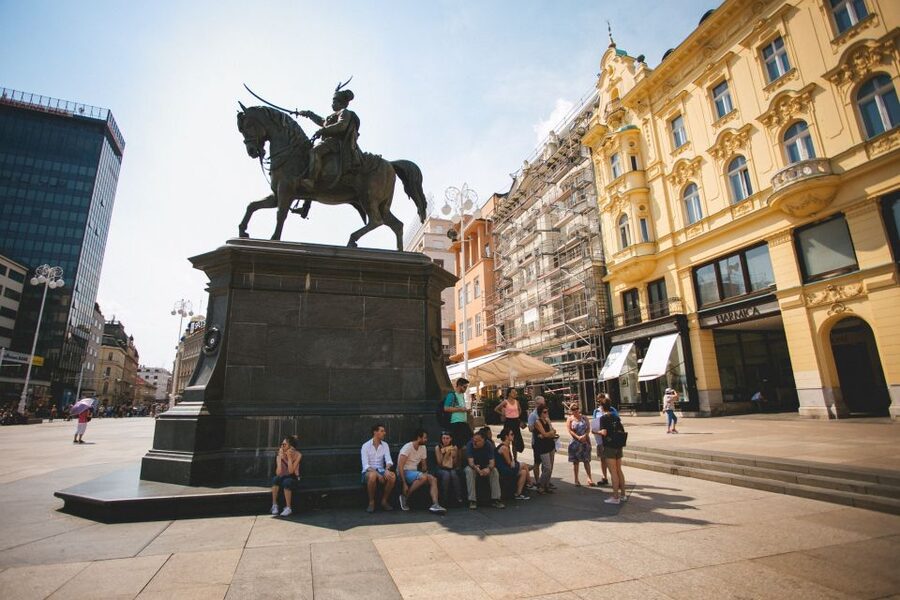
- Two medieval hills in two hours: Gradec and Kaptol give the walk a clear historical story instead of a random list of monuments.
- A private route you can adjust: Your guide can respond to your interests and may alter the standard path, including the meeting and finishing points.
- The city’s most recognizable sights: Stone Gate, St. Mark’s Church, Lotrščak Tower, Bloody Bridge, and Zagreb Cathedral all fit into the walk.
- Strong language choice: Tours are offered in English, German, French, Italian, Spanish, and Russian.
- Useful for a first Zagreb visit: You receive suggestions for the rest of your time in the city and elsewhere in Croatia.
- A moderate walk on old streets: Comfortable shoes matter, and large bags or luggage are not allowed.
Why two medieval settlements make Zagreb easier to understand
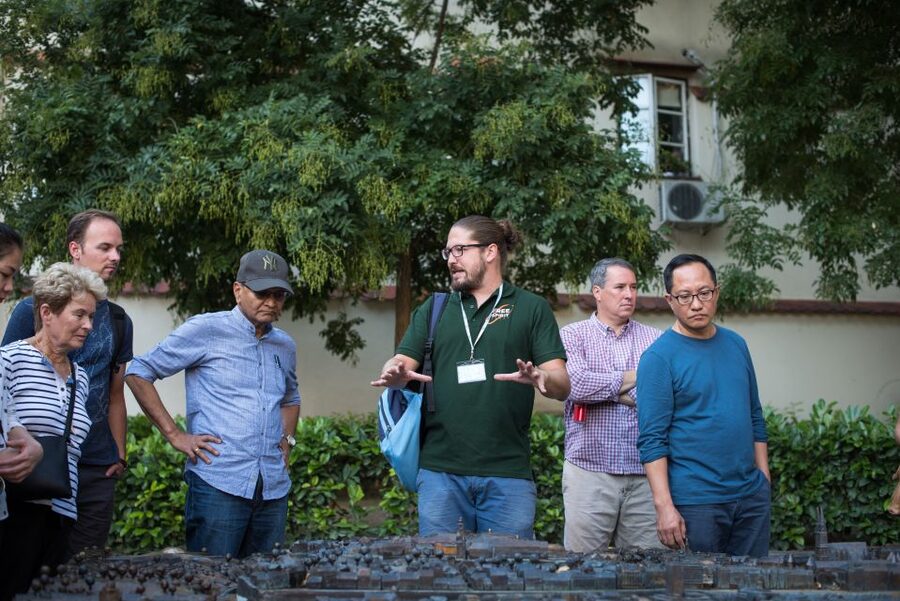
The best feature of this tour is its simple story. Zagreb did not begin as one neat medieval town. It grew from Gradec and Kaptol, two settlements on opposing hills with a long record of cooperation, rivalry, and conflict.
That setup gives your walk a natural shape. Instead of hearing disconnected facts about churches and towers, you can understand why the Old Town looks the way it does. Your guide connects the streets, defensive structures, religious buildings, and civic spaces to the relationship between the two communities.
For a first visit, this is valuable. Zagreb can feel less immediately famous than Dubrovnik or Split, so a good introduction helps you see what makes the capital different. This is a city of institutions, old neighborhoods, daily routines, and layered political history, not only a postcard setting.
The walk lasts two hours, which is long enough to cover the main sights but short enough to leave room for lunch, a museum, or independent exploring. You can choose a morning or afternoon departure. I would favor the time that best matches your arrival and energy, since the tour works most usefully near the start of your stay.
More Walking Tours in Zagreb
- Zagreb: Small Group Walking Tour City Center and WW2 Tunnels
★ 4.9 · 895 reviews - Zagreb: City and WWII Tunnels Walking Tour
★ 4.9 · 845 reviews - Walking tour of Zagreb
★ 5.0 · 383 reviews
Starting in Gradec, Zagreb’s upper town
Gradec is one of the two historic centers on the route. Its cobbled streets and uphill position give the first part of the walk an older, more enclosed feel than the modern parts of Zagreb.
This is where a private guide can help most. A sign or building may be interesting, but the story behind it is what makes the walk worthwhile. Your guide can explain how Gradec developed and how its relationship with Kaptol shaped the city.
The route is described as a moderate walk. That does not mean it is strenuous, but you should expect uneven paving and some uphill or downhill movement. Comfortable shoes are essential. This is not the time for smooth-soled dress shoes, especially if the streets are wet.
The private format also gives you a chance to ask practical questions. You can ask where to spend the evening, which parts of Zagreb deserve more time, or how to plan the next stage of a Croatia trip. The guide is not limited to reciting a fixed script.
Stone Gate and its quiet religious meaning

The 13th-century Stone Gate is one of the most distinctive stops. It is not simply an old entrance in the city wall. It also carries religious meaning, making it a useful example of how Zagreb’s past and present overlap.
Your guide can place the gate in the defensive story of Gradec, then explain why it remains important to local people. That combination of civic history and everyday belief is more useful than seeing the structure as a quick photo stop.
The space may feel compact, so it rewards a slower look. Bring a camera, but do not let the camera replace the explanation. The point is to understand why this small passage has remained important over the centuries.
Because the tour is private, you can spend a little more time here if religious art, local customs, or medieval defenses interest you. If those subjects are not your priority, the guide can keep moving and use the time elsewhere.
St. Mark’s Church and Zagreb’s colorful symbol
St. Mark’s Church is probably the visual high point of the walk. Its famous colorful rooftop gives the building an instantly recognizable look and makes it one of the places you will want to photograph.
The roof is not just decoration. It helps explain the public identity of the area, and your guide can connect the church to Zagreb and Croatia. The building also anchors St. Mark’s Square, an important civic space in the upper town.
Do not expect this stop to be only about taking a picture. The guide’s historical context is what turns the church into a useful part of the city story. You can ask about the symbols on the roof, the square, and the role of the surrounding buildings.
One practical point: the tour information highlights the church from the outside, but it does not promise interior entry. If seeing the inside is essential to you, ask the guide what is possible when you book.
Still Zagreb, at a slower pace:
- From Zagreb: Plitvice & Rastoke Guided Day Trip with Ticket
★ 4.9 · 2,955 reviews - Zagreb: Rastoke & Plitvice Lakes Guided Tour with Ticket
★ 4.9 · 1,897 reviews - Communism & Croatian Homeland War Tour
★ 5.0 · 1,355 reviews - Best of Zagreb with the WW2 Tunnels
★ 5.0 · 973 reviews
Lotrščak Tower and the noon cannon
Lotrščak Tower adds a little drama to the route. The old tower still marks noon with a cannon shot, a tradition that gives Zagreb one of its most memorable daily sounds.
The cannon is also a good reminder that the upper town was once a defended settlement. A tower designed for protection now helps mark the passing of time. That change from military purpose to civic ritual says a lot about how old Zagreb has adapted.
If you choose a morning departure, check the timing carefully if hearing the cannon matters to you. The experience offers morning and afternoon starts, but the two-hour duration means not every departure will coincide with noon.
The tower is another place where a guide adds value by explaining the structure rather than treating it as a quick stop. You will get more from the visit if you connect the cannon, the tower, and the position of Gradec within the older defensive system.
Bloody Bridge and the city’s harder memories
The name Bloody Bridge sounds theatrical, but it points to real conflict between the two medieval settlements. This stop helps balance the pretty streets and colorful architecture with the struggles that helped form Zagreb.
Your guide can explain how the bridge became associated with battles and tension between Gradec and Kaptol. That makes the walk’s central theme clearer: Zagreb was shaped not only by cooperation but also by rivalry.
This is one of the tour’s more useful stops for people who want history with a human edge. You do not need a long academic lecture to understand the point. A short explanation at the site can show how a place that now feels ordinary once marked a serious divide.
The route continues through the Old Town rather than isolating the bridge as a monument. That is important. Zagreb’s history is easier to grasp when you see old conflict sitting inside a living city, with people still walking through the same streets for everyday reasons.
Kaptol and the monumental Zagreb Cathedral
The walk then reaches Kaptol, the second medieval settlement that helped create Zagreb. Its relationship with Gradec gives the tour a useful contrast between two historic centers rather than one uniform Old Town.
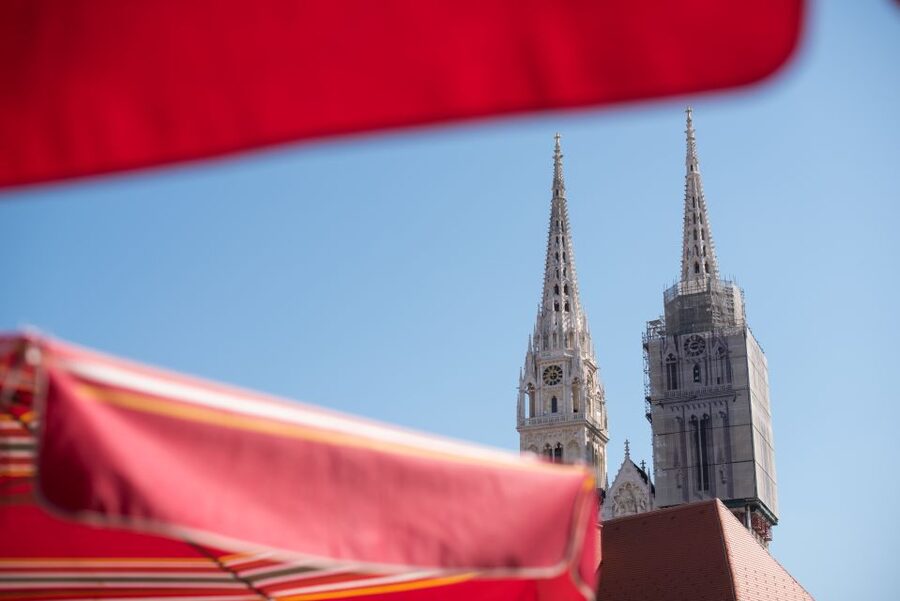
The Zagreb Cathedral is the major landmark here. Its scale makes a sharp impression after the narrower streets and smaller structures of the upper town. The cathedral also gives your guide a chance to explain Kaptol’s religious and civic importance.
As with St. Mark’s Church, the information provided describes the cathedral as a sightseeing stop but does not guarantee interior admission. If you want to go inside, ask about current access and timing before you arrive.
The cathedral is a good final anchor because it brings the route back to the larger story. You have moved from fortified streets and medieval gates to the religious center of Kaptol, seeing how two separate communities became one capital.
What the private format changes
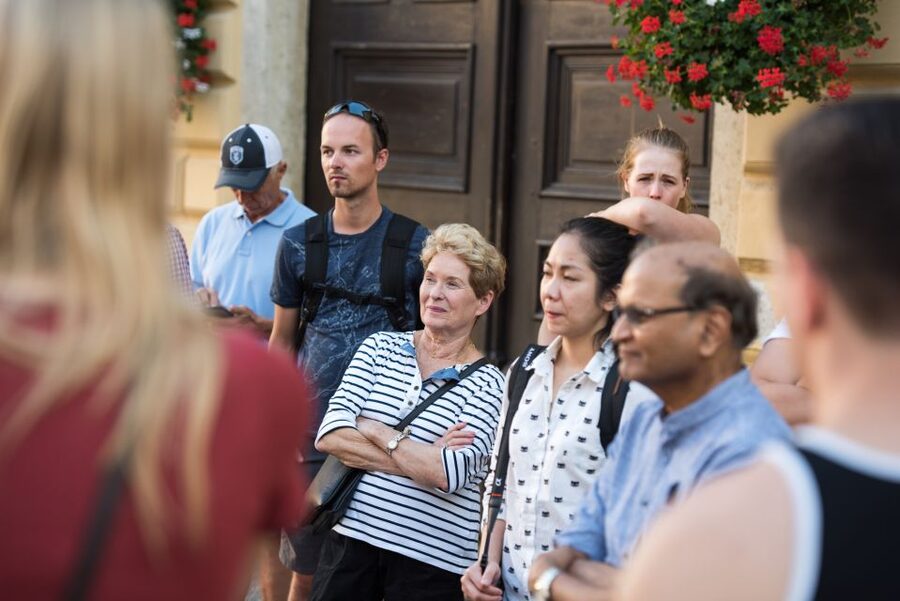
A private walking tour is not automatically better than a group tour. You pay more for privacy, flexibility, and direct access to the guide, so the value depends on how you travel.
At $88 per person, the cost is significant for a solo visitor or a couple. For a larger private group, the price may feel more reasonable because you are paying for a dedicated guide rather than sharing the walk with strangers.
The strongest benefit is customization. The standard route can be modified around your interests, and the pick-up and drop-off points can be adjusted. That matters if you have already seen one of the sights, have limited time, or want more attention on architecture, local life, or Zagreb’s past.
The personal pace is another plus. Tonka adapted to the walking speed of a group that included two older women, while Jo asked about interests and what the group had already seen before shaping the experience. Those details suggest a guide who watches the people in front of her instead of treating everyone as a moving audience.
You should still be realistic. Two hours cannot provide a full study of Zagreb. You will see the core Old Town and receive an orientation, not visit every museum or explore every neighborhood. The best use of the tour is to get your bearings, learn the main story, and leave with a plan for the rest of your stay.
Guides, languages, and the human side of the walk
The experience includes a certified local guide with more than 500 tour experiences. Available languages are English, German, French, Italian, Spanish, and Russian.
That range is especially useful for families or mixed-language groups. The personal feedback available for this experience includes strong praise for German and French guidance. One German-speaking guide was described as friendly, precise, and responsive to questions, while Tonka’s French was praised as excellent.
Jo also received special praise for her enthusiasm, local tips, stories, and willingness to customize the route. The best sign here is not simply that the guides know facts. It is that they adjust to questions, preferences, and pace.
I would use the end of the walk to ask for specific advice. Tell the guide how long you remain in Zagreb and what kind of places you prefer. The tour promises suggestions for the rest of your time in Zagreb and Croatia, which can be more useful than a generic list.
Price, timing, and what to bring
The tour costs $88 per person and lasts two hours. Hotel pick-up and drop-off are included as an optional feature when your accommodation is in central Zagreb.
That central pick-up option can save time, especially if you are staying close to the Old Town and want the guide to begin near your accommodation. It is not described as a citywide transfer service, so confirm that your address is within the central area.
Morning and afternoon departures are available. A morning tour can work well as your first Zagreb activity, giving you a map in your head before you explore alone. An afternoon start may suit you if you arrive late or prefer a slower first day.
Bring comfortable shoes and a camera. Do not bring luggage or large bags. The route uses old streets, and carrying a heavy suitcase would make the walk awkward even if it were permitted.
The walk is not suitable for wheelchair users. The cobbled surfaces, historic street layout, and moderate hill walking are the practical reasons to take this restriction seriously. If someone in your party has limited mobility, ask the provider whether a different arrangement is available before booking, since the stated tour is not designed for wheelchair access.
Free cancellation is available up to 24 hours before the start for a full refund. You can also reserve now and pay later, which helps if your Croatia plans are still shifting.
Who will get the most from this Zagreb walk?
I would recommend it most strongly to first-time visitors who want a clear introduction without committing to a long sightseeing day. The route covers the main Old Town sights, but its real value is the connection between Gradec and Kaptol.
It also suits families, older couples, and small groups who prefer a private pace. The adjustment made for two older women shows why this format can work well when a party does not move at one speed.
Language support makes it a good choice for international groups. If you want a guide in German, French, Italian, Spanish, or Russian rather than English, the available options are a real practical benefit.
You may want a different plan if you mainly want museum interiors, a very slow photography walk, or a fully accessible route. The tour is focused on streets, landmarks, stories, and orientation. Its two-hour length also means it will feel brisk if you stop for long photos at every sight.
Should you book the Old Zagreb Private Walking Tour?
Book it if you want to understand Zagreb quickly and prefer a guide who can shape the walk around your group. Stone Gate, St. Mark’s Church, Lotrščak Tower, Bloody Bridge, Zagreb Cathedral, Gradec, and Kaptol create a strong first look at the city.
The price is the main question. For a solo visitor, $88 may be hard to defend. For a family or private group that values language choice, flexible pacing, and personal advice, it offers better value.
I would schedule it early in your stay, wear sensible shoes, and ask about the exact meeting point and any interior access you care about. If you want a friendly, history-focused introduction with room for questions, this is a smart way to start Zagreb.
FAQ
How long does the Old Zagreb Private Walking Tour last?
The tour lasts two hours.
What sights are included on the walk?
The route includes the main Old Town sights, including Gradec, Kaptol, the 13th-century Stone Gate, St. Mark’s Church, Lotrščak Tower, Bloody Bridge, and Zagreb Cathedral.
Is the tour private?
Yes. The experience is arranged for a private group.
What languages are available?
Guidance is available in English, German, French, Italian, Spanish, and Russian.
Is hotel pick-up included?
Optional hotel pick-up and drop-off are available if your accommodation is in central Zagreb.
Can the route be changed?
Yes. The standard route can be modified based on your interests and requests. Pick-up and drop-off locations can also be adjusted.
Are morning and afternoon departures available?
Yes. You can choose between a morning and an afternoon departure, subject to availability.
What should I bring?
Bring comfortable shoes and a camera. Luggage and large bags are not allowed.
Is the tour suitable for wheelchair users?
No. The tour is not suitable for wheelchair users.
Just added around Zagreb
- Drava Rafting Safari★ 4.5 · 18 reviews
- Toast to the Morning After: Zagreb Museum of Hangovers Visit★ 4.0 · 39 reviews
- From Split: Transfer to Zagreb with Stop at Plitvice Lakes★ 4.6 · 44 reviews
- Severin na Kupi: Canoeing and Kayaking on the Kupa River★ 4.6 · 22 reviews
- Rafting/Kayaking adventure river Kupa★ 4.4 · 21 reviews
- Private Walking Tour of Zagreb★ 4.9 · 5 reviews
- Jump into Zagreb: Walking Tour with local guide★ 4.8 · 3 reviews
- From Zagreb: Varazdin Baroque Town & Trakoscan Castle★ 4.9 · 38 reviews
Walking Tours, compared.
Walking Tour of Split and Diocletian’s Palace
Read our review →
Krka Waterfalls tour with Trogir Walking tour and Krka panoramic boat cruise
Read our review →
City Walls Early Morning or Sunset Walking Tour
Read our review →Browse the lists this tour appears in