
Reviewed · WALKING TOURS
Exclusive old Zagreb walking tour
Zagreb reveals itself after sunset. This 90-minute walk links the city’s grand squares, medieval lanes, market, cathedral, Upper Town, and night views in one tidy route. I like the evening timing, which gives Zagreb a softer mood, and I like the way the tour connects Croatia’s past with present-day food, drinks, museums, and city life. The main limitation is the pace: there is a lot to cover, so this suits you best if you want a broad introduction rather than long visits inside each sight.
Guide Domagoj is the heart of the experience. He explains Croatian history, current affairs, art, culture, and architecture in clear English, while leaving room for questions. I also value the small-group, personal feel described by past customers. Still, the tour is priced at $35 per person, so its value depends on how much you want a guide to help you understand the city rather than simply show you the main landmarks.
In This Review
- Key points at a glance
- Why this Zagreb walk works well on a first evening
- King Tomislav Square and Nikola Zrinjski Square
- Ban Jelačić Square and the city’s main meeting point
- Zagreb Cathedral, Kaptol, and Dolac Market
- Gradec and Zagreb’s medieval roots
- Kamenita Vrata and the Upper Town
- St. Mark’s Square, the City Council, and the Museum of Broken Relationships
- Gradec Lookout, Strossmayer Promenade, and Lotršćak Tower
- The funicular, Ilica Street, and Flower Square
- What Domagoj adds to the walk
- Is $35 good value for 90 minutes?
- Who should book this Zagreb tour?
- FAQ
- Where does the tour begin?
- How long is the walking tour?
- What language is the tour conducted in?
- What places will the tour visit?
- Is the tour wheelchair accessible?
- Can I cancel or pay later?
- Should you book it?
Key points at a glance
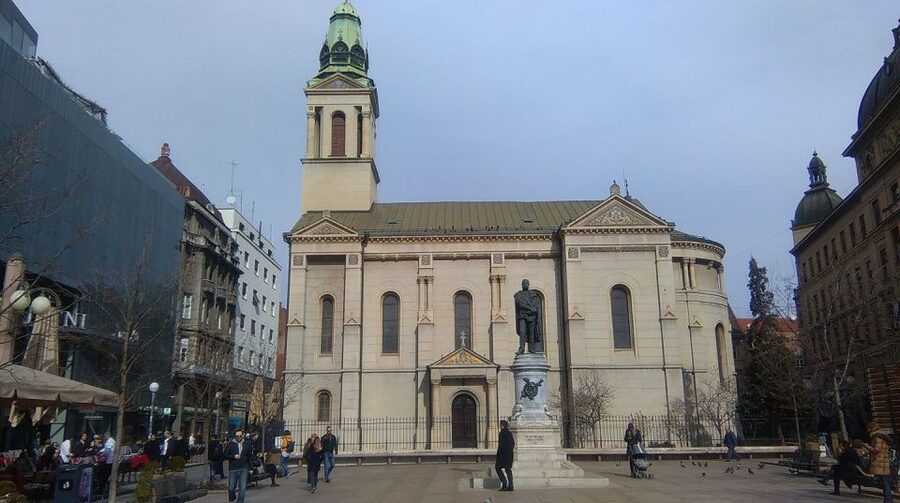
- A smart evening route: Start at King Tomislav Square and finish around Flower Square, passing through both Lower Town and Upper Town.
- Two old city centers in one walk: Kaptol and Gradec reveal how today’s Zagreb grew from separate historic areas.
- Domagoj brings context: Expect clear explanations of Croatian history, modern affairs, local life, and the meaning behind important buildings.
- Excellent night photography: The viewpoint beneath Lotršćak Tower gives you a chance to photograph Zagreb after dark.
- Useful local advice: The tour includes suggestions for food, drinks, museums, transport, and further places to explore.
- Accessible format: The activity is listed as wheelchair accessible, and one customer found the route suitable for a stroller.
Why this Zagreb walk works well on a first evening
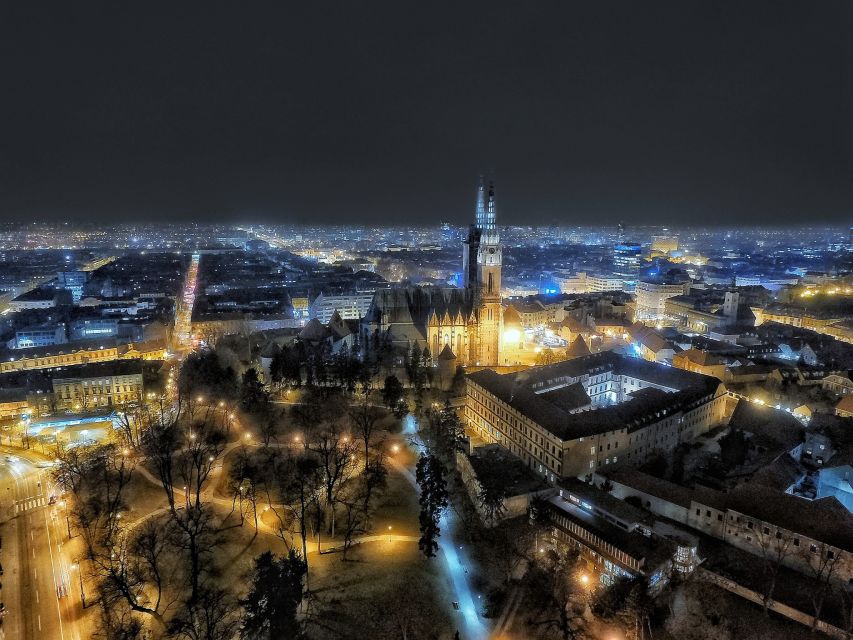
I would consider this tour early in a Zagreb stay, especially if you arrive with little sense of the city. The route gives you a working map in your head: the main square, the market, the cathedral, Kaptol, Gradec, Upper Town, the funicular, Ilica Street, and Flower Square all fall into place.
The evening schedule matters. Zagreb’s historic center can feel very different after the working day, when the route moves from formal squares toward pubs and meeting spots. You get grand architecture at the start, old stone streets in the middle, and a taste of local night life near the end.
The tour also avoids treating Zagreb as a collection of unrelated monuments. Domagoj’s explanations link politics, religion, architecture, art, and ordinary city life. That broad approach is useful because Zagreb’s story is not contained in one building. It is spread across Kaptol’s religious center, Gradec’s old civic core, and the newer streets below.
Do not expect a slow museum visit. In 90 minutes, you will see many important locations from the outside, hear their background, and receive ideas for returning later. If you want detailed interior tours or long time at each stop, you will need to explore independently afterward.
More Walking Tours in Zagreb
- Zagreb: Small Group Walking Tour City Center and WW2 Tunnels
★ 4.9 · 895 reviews - Zagreb: City and WWII Tunnels Walking Tour
★ 4.9 · 845 reviews - Walking tour of Zagreb
★ 5.0 · 383 reviews
King Tomislav Square and Nikola Zrinjski Square
The meeting point is King Tomislav Square, a practical place to begin because it introduces Zagreb through its formal Lower Town. The square is associated with King Tomislav, the first Croatian king, and its broad open space provides an immediate sense of the city’s public design.
From here, the route continues to Nikola Zrinjski Square. This area is part of Zagreb’s well-known green sequence of parks and squares. The change from one square to the next helps you read the city as a planned urban center, not only as an old medieval town.
I like this opening because it starts with scale. Before you enter the tight streets of Upper Town, you see Zagreb’s more open, orderly side. Domagoj can also use this part of the walk to set out the historical timeline, from early Croatian statehood through later changes in the city.
Because the tour begins in the evening, light and visibility may vary. That adds atmosphere, but it can also make small architectural details harder to see. Bring a phone or camera if you want photos, but listen closely when Domagoj explains what you are looking at. His background information is more valuable than a quick snapshot.
Ban Jelačić Square and the city’s main meeting point
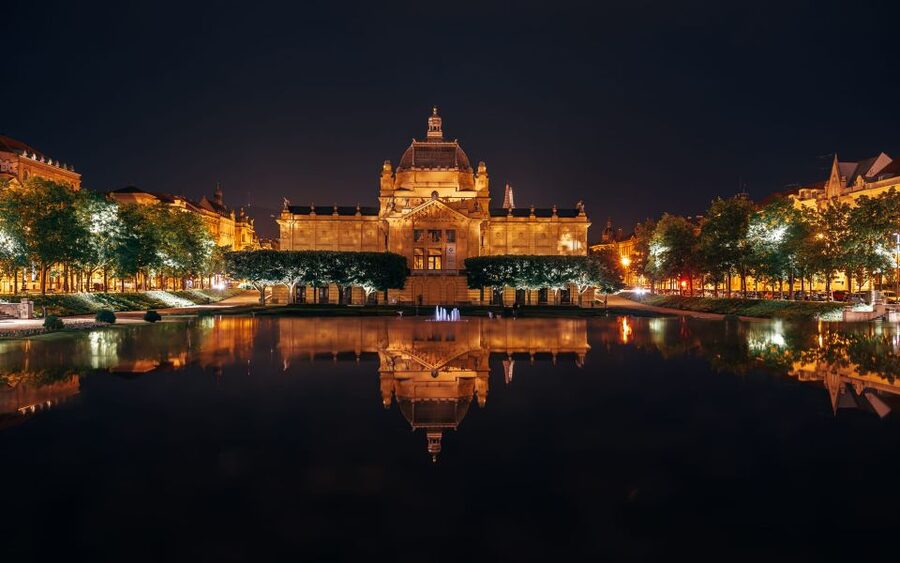
The route then reaches Ban Jelačić Square, Zagreb’s central gathering place. This is the city’s main reference point, and knowing it makes later exploring much easier. If you lose your bearings during your stay, returning to the square is a simple way to reset.
The square also provides a useful bridge between old and newer Zagreb. From here, several important parts of the center spread outward, including Dolac Market, Ilica Street, Flower Square, Kaptol, and Gradec.
This is where the tour’s practical value begins to show. Domagoj does more than recite dates. He gives advice about places to eat and drink, museums worth visiting, transport, and areas that deserve a second look. I would make a note of these suggestions as you walk, since they can save you time later.
A possible drawback is that the main square itself may feel more like a busy city junction than a quiet historic site. Its importance is civic and practical as much as visual. The guide’s explanation helps you see why it matters.
Zagreb Cathedral, Kaptol, and Dolac Market
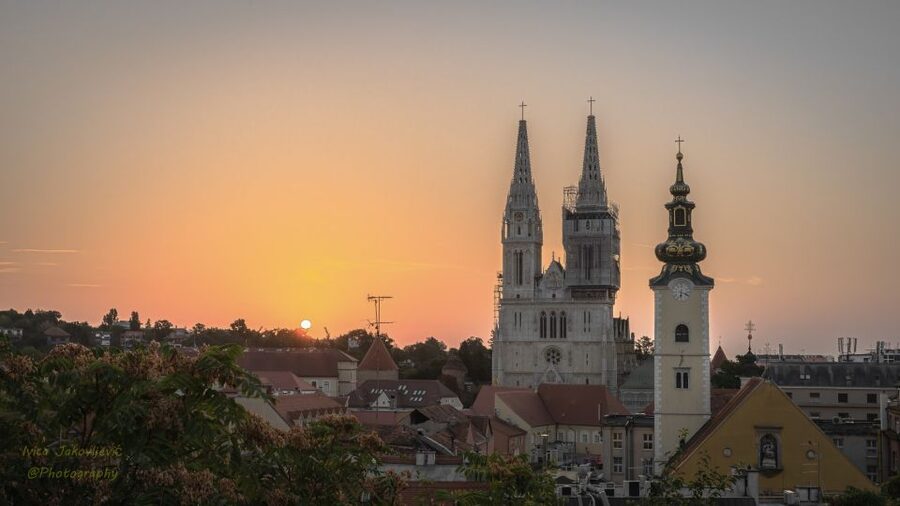
From Ban Jelačić Square, the walk heads toward Zagreb Cathedral and old Kaptol. Kaptol is an important part of the Zagreb Archdiocese and one half of the historic core that helped form the modern city. Gradec, which comes later, is the other major piece.
The cathedral gives the route a strong religious and architectural focus. You will learn how the cathedral fits into Zagreb’s story and why Kaptol developed as a distinct center. The experience is especially useful if you are unfamiliar with the relationship between Zagreb’s religious authority and its civic history.
Next comes Dolac Market, one of the city’s best-known open-air markets. Even when you are not shopping, the market helps you understand daily Zagreb. It is a place connected to ordinary routines, local produce, and the movement of people through the center.
The tour also passes through Opatovina. This adds a smaller-scale urban setting after the cathedral and market. I like that sequence: large religious landmark, local market, then a quieter historic area. It gives you more than a parade of grand buildings.
The market’s full character may be less apparent in the evening than during daytime trading hours. That is worth keeping in mind. You will receive context and see the location, but you may want to return during the day if the market is high on your list.
Still Zagreb, at a slower pace:
- From Zagreb: Plitvice & Rastoke Guided Day Trip with Ticket
★ 4.9 · 2,955 reviews - Zagreb: Rastoke & Plitvice Lakes Guided Tour with Ticket
★ 4.9 · 1,897 reviews - Communism & Croatian Homeland War Tour
★ 5.0 · 1,355 reviews - Best of Zagreb with the WW2 Tunnels
★ 5.0 · 973 reviews
Gradec and Zagreb’s medieval roots
The walk continues uphill toward Gradec, the old part of Zagreb on the slope of Medvednica. Together, Gradec and Kaptol formed the foundation of today’s city. This is one of the most useful parts of the route because the geography explains the history.
Gradec was the civic and fortified part of old Zagreb, while Kaptol developed around the cathedral and the Zagreb Archdiocese. You do not need to memorize every date to understand the basic point: the modern city grew from two neighboring historic centers with different roles.
The climb into Gradec also changes the feel of the walk. Streets become more intimate, and the route begins to show the Upper Town’s older character. The guide’s historical explanations are particularly helpful here, since a wall, gate, or narrow passage can look simple until you know what it protected or connected.
You should wear comfortable shoes. The tour is only 90 minutes, but it includes movement through several districts and reaches elevated parts of the city. The experience is listed as wheelchair accessible, and a parent traveling with a young daughter found the route suitable for a stroller. Even so, anyone with mobility concerns should confirm the exact route and conditions before booking, since historic streets can vary.
Kamenita Vrata and the Upper Town
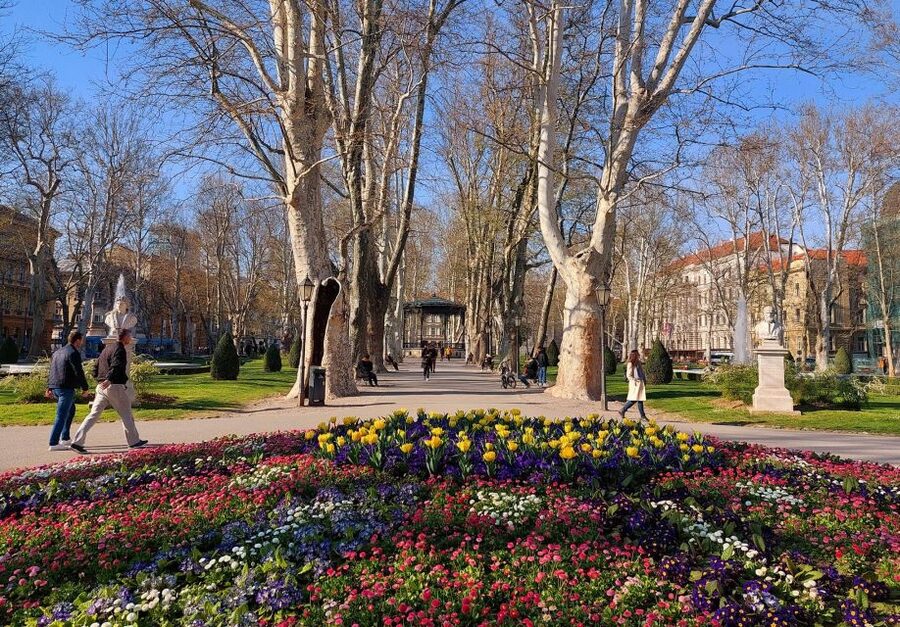
Kamenita Vrata, or Stone Gate, is one of old Zagreb’s best-preserved monuments. It is shaped like a rectangular tower and forms one of the most memorable passages into the Upper Town.
This is the kind of place where a guide adds real value. Without explanation, it can look like an attractive old structure. With context, you understand its role as a surviving part of historic Zagreb and a gateway into the old city.
From Kamenita Vrata, the route reaches the Upper Town and continues toward St. Mark’s Square. The change is immediate. You move from the practical city below into a district filled with government buildings, churches, museums, and historic architecture.
I like this section because it brings together the city’s political, religious, and cultural sides in a compact area. It is also a good place to ask questions. Domagoj is praised for being open, polite, and willing to discuss both history and current affairs, so you can use this part of the walk to connect the past with Croatia today.
St. Mark’s Square, the City Council, and the Museum of Broken Relationships
St. Mark’s Square is one of the defining spaces in old Zagreb. Along the square, you will see the City Council, Parliament, churches, and other historic buildings. This is the point where Zagreb’s political story becomes especially visible.
The square is not simply a pretty stop. It represents the civic authority of the old city and remains linked to Croatia’s national institutions. Domagoj’s explanations can help you understand why the buildings matter, rather than leaving you with only their exterior appearance.
The Museum of Broken Relationships adds a different note. Its subject is personal rather than governmental or religious, and its presence shows Zagreb’s modern cultural side. You may not have time to visit the museum during the walk, but the tour gives you a useful marker for returning later.
This is one place where expectations matter. The tour passes significant buildings and monuments, but it is not a museum-entry program. If you want to see the interiors, ask Domagoj for advice about visiting after the walk.
Gradec Lookout, Strossmayer Promenade, and Lotršćak Tower
After St. Mark’s Square, the route goes to the Gradec lookout and then along the Strossmayer Promenade. This is the scenic section of the experience, with a chance to pause and look across Zagreb from the Upper Town.
The path continues beneath the ancient Lotršćak Tower, where you reach a Zagreb viewpoint suited to night photographs. This is likely to be the visual highlight of the walk. Zagreb’s lights, rooftops, and layered city center provide a satisfying reward after the historical sections.
I especially like the order of the route here. You first learn what Upper Town is, then walk through its civic center, and only afterward reach the view. The panorama feels more meaningful because you have already learned how the districts fit together.
Photography conditions depend on the evening. Low light can create attractive images, but it also makes steady hands and a clean phone lens important. Do not rush this stop. It may be your best chance to capture the city at night.
The funicular, Ilica Street, and Flower Square
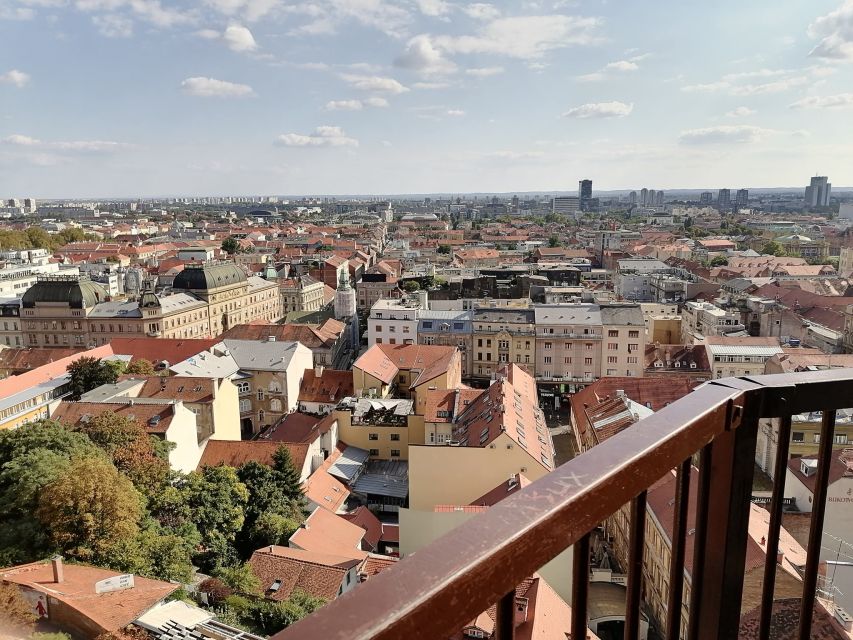
The final part follows the line of Zagreb’s funicular toward Ilica Street, described as the longest street in Zagreb. The funicular itself is an important part of the city’s identity, even though the tour follows its route rather than promising a ride.
Ilica gives you a sense of Zagreb beyond the medieval center. It links the Upper Town with the broader Lower Town and shows how the city continues into a longer commercial and urban corridor.
The route then reaches the Zagreb Octogone and finishes at Flower Square. The Octogone is an elegant passage and a useful architectural contrast after the old stone streets above. Flower Square is associated with Zagreb’s younger crowd, pubs, and evening social life.
Ending here makes sense. You finish in an area where you can continue the night with food or drinks, using the guide’s recommendations. It also gives you a final reminder that Zagreb is not only a historic capital. It is a living city where old buildings and modern social habits share the same center.
What Domagoj adds to the walk
The strongest feature is the guide. Domagoj is described as warm, humorous, honest, and deeply familiar with Croatian and Zagreb history. He also explains current affairs, which helps prevent the tour from feeling like a list of old events disconnected from modern life.
I appreciate the balance between information and conversation. You can ask questions about architecture, politics, culture, transport, food, or daily life. Several people found his English clear and his advice useful for planning the rest of a stay.
The personal style also matters. The tour is described as relaxed and not overcrowded, though the exact group size is not provided. If you prefer a large, highly scripted city tour, this may feel less structured. If you want to ask questions and adjust the conversation, it sounds like a better match.
Is $35 good value for 90 minutes?
At $35 per person, this is not the cheapest way to take a walk through Zagreb. Its value comes from the amount of orientation and explanation packed into the route.
You are not paying only to see Ban Jelačić Square, the cathedral, Stone Gate, or St. Mark’s Square. You are paying to understand how Kaptol and Gradec shaped the city, how Zagreb’s civic and religious centers developed, and where to spend your time afterward.
The price makes more sense if you are visiting Zagreb for a short stay, arriving in the evening, or want help choosing museums, restaurants, pubs, and further sights. It is less compelling if you already know the city well or prefer to read signs and explore alone.
The tour offers free cancellation up to 24 hours before the start, and you can reserve now and pay later. That flexibility is useful when your arrival plans are still moving. It is also listed as wheelchair accessible and conducted in English.
Who should book this Zagreb tour?
I would recommend it to first-time visitors who want a clear city orientation and a strong historical framework. It suits solo visitors, couples, families, and anyone who prefers a personal conversation over a large group presentation.
It is also a good choice for anyone interested in Croatian history beyond postcard views. Domagoj’s coverage reaches from architecture and religion to current affairs and everyday life, giving you a better sense of how Zagreb works now.
Families may appreciate the manageable 90-minute length. The stroller-friendly experience reported by one parent is encouraging, though you should still confirm your needs when booking.
I would hesitate only if you want long interior visits, a food-focused tour, or a slow photography walk. This route covers a lot of ground. Think of it as a well-guided introduction, then use the rest of your stay to return to the places that catch your attention.
FAQ
Where does the tour begin?
The tour begins at King Tomislav Square in Zagreb during the evening.
How long is the walking tour?
The tour lasts 90 minutes.
What language is the tour conducted in?
The live tour guide conducts the experience in English.
What places will the tour visit?
The route includes King Tomislav Square, Nikola Zrinjski Square, Ban Jelačić Square, Zagreb Cathedral, Kaptol, Dolac Market, Opatovina, Gradec, Kamenita Vrata, St. Mark’s Square, the Gradec lookout, Strossmayer Promenade, the viewpoint beneath Lotršćak Tower, Ilica Street, the Zagreb Octogone, and Flower Square.
Is the tour wheelchair accessible?
Yes. The activity is listed as wheelchair accessible.
Can I cancel or pay later?
You can cancel up to 24 hours in advance for a full refund. You can also reserve your place and pay later.
Should you book it?
Book this tour if you want Zagreb to make sense quickly. The route covers the city’s main historic areas, finishes with a night view, and gives you practical ideas for the rest of your visit. Domagoj’s personal, well-informed style is the biggest reason to choose it.
Skip it if you prefer to explore without a guide or want to spend most of your time inside museums. For everyone else, $35 buys a useful first evening in Zagreb, with enough history to add meaning to the streets and enough local advice to shape the days that follow.
Just added around Zagreb
- Drava Rafting Safari★ 4.5 · 18 reviews
- Toast to the Morning After: Zagreb Museum of Hangovers Visit★ 4.0 · 39 reviews
- From Split: Transfer to Zagreb with Stop at Plitvice Lakes★ 4.6 · 44 reviews
- Severin na Kupi: Canoeing and Kayaking on the Kupa River★ 4.6 · 22 reviews
- Rafting/Kayaking adventure river Kupa★ 4.4 · 21 reviews
- Private Walking Tour of Zagreb★ 4.9 · 5 reviews
- Jump into Zagreb: Walking Tour with local guide★ 4.8 · 3 reviews
- From Zagreb: Varazdin Baroque Town & Trakoscan Castle★ 4.9 · 38 reviews
Walking Tours, compared.
Walking Tour of Split and Diocletian’s Palace
Read our review →


Krka Waterfalls tour with Trogir Walking tour and Krka panoramic boat cruise
Read our review →
City Walls Early Morning or Sunset Walking Tour
Read our review →Browse the lists this tour appears in