
Reviewed · WALKING TOURS
Best of Zagreb Walking Tour
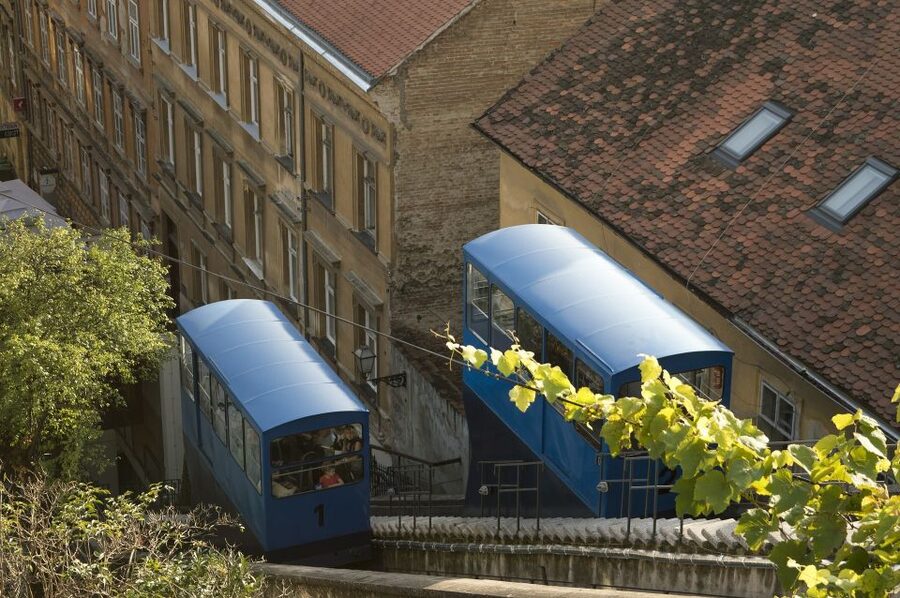
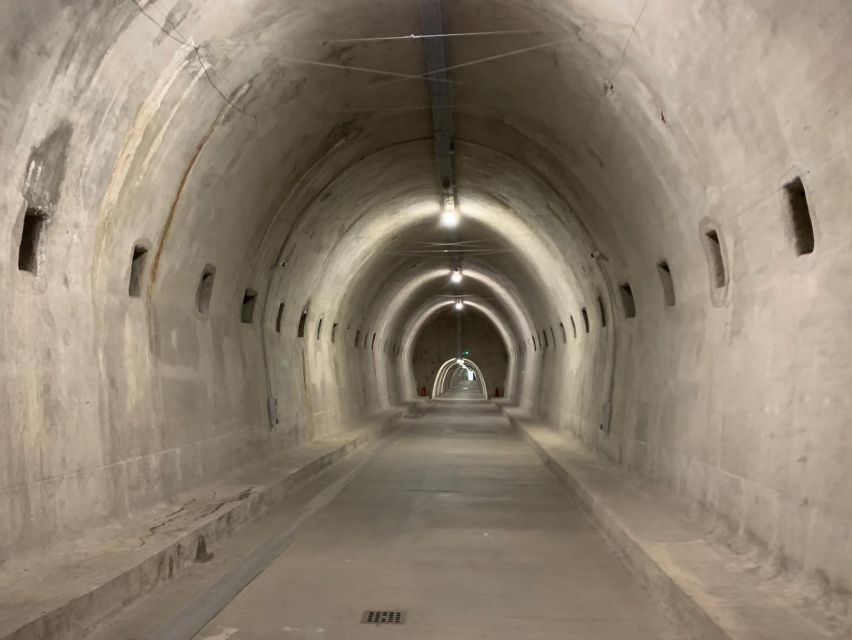
Zagreb’s old town is made for stories. This three-hour walk links the Grič Tunnel, the shortest funicular in the world, Zagreb Cathedral, Dolac Market, Stone Gate, St. Marko Square, and Lotrščak Tower with a local guide who brings the city’s past and present together. I especially like the small-group format and the chance to ask for personal suggestions on food, shopping, and further sightseeing. I also like that a local product tasting is included.
The main trade-off is the walk itself. Zagreb’s Upper Town includes slopes, uneven surfaces, and steps, so this is not a good choice if you have limited mobility. You should also wear comfortable shoes and cover your shoulders and knees before entering sacred places. At $84 per group of up to two, the tour makes the most sense for couples or friends who want a private-feeling introduction rather than a large group march.
In This Review
- Key points at a glance
- Starting on Ilica Street and entering Grič Tunnel
- Zagreb’s main square and the city’s first history lesson
- Zagreb Cathedral and the weight of sacred places
- Dolac Market, Kumica, and everyday Zagreb
- Stone Gate and one of Zagreb’s most unusual stories
- St. Marko Square, kings, and peasant rebellions
- Lotrščak Tower and the daily cannon
- What the guiding is really worth
- Pace, access, and practical comfort
- Who should choose this Zagreb walk?
- Should you book the Best of Zagreb Walking Tour?
- FAQ
- Where does the Best of Zagreb Walking Tour meet?
- How long does the tour last?
- What language is the tour offered in?
- How many people can join the tour?
- What sights are included?
- Is a food tasting included?
- Is the tour suitable for people with limited mobility?
- What should I wear?
- What is the price?
- Can I cancel the booking?
Key points at a glance
- Grič Tunnel and the shortest funicular: Begin with two of Zagreb’s most distinctive transport and engineering sights.
- Dolac Market and Kumica: Learn about the city’s long-running market tradition while seeing where local life still gathers.
- Stone Gate’s unusual story: Hear why this preserved old gateway matters so much to Zagreb.
- St. Marko Square: Connect Croatian kings, peasant rebellions, government buildings, and national history in one compact setting.
- Lotrščak Tower viewpoint: Get a strong city view and learn why a cannon fires every day.
- Personal local guidance: Ask Iva for restaurant, shopping, and sightseeing ideas as you walk.
Starting on Ilica Street and entering Grič Tunnel
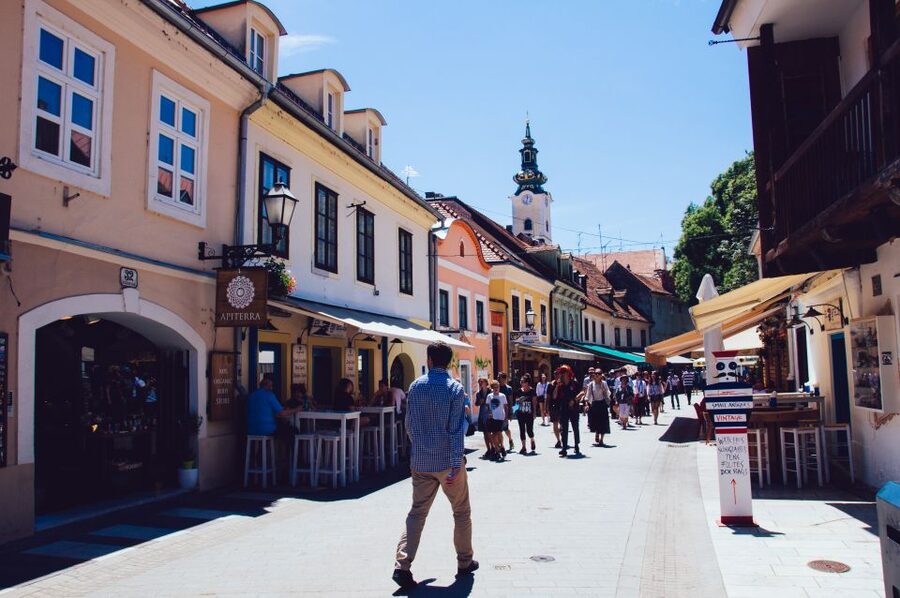
The meeting point is Ilica 50, a central address that makes a practical starting place for a first look at Zagreb. From here, your guide leads you toward the historic Upper Town rather than spending the opening minutes on a long transfer.
The first major stop is Grič Tunnel. It gives the walk an immediate sense of place because you are not simply moving between standard postcard sights. You are passing through a real part of Zagreb’s old urban fabric, then continuing toward the funicular.
The tour presents Zagreb’s funicular as the shortest in the world. That is a small detail, but it is exactly the kind of fact that helps you remember a city. You get a quick bit of local character before the guide shifts into the larger story of Zagreb.
This opening portion also lets you test the pace and terrain. The tour is described as a walk of roughly two and a half hours within a three-hour experience, so you will spend most of your time on foot. There is no sightseeing coach to provide a break.
More Walking Tours in Zagreb
- Zagreb: Small Group Walking Tour City Center and WW2 Tunnels
★ 4.9 · 895 reviews - Zagreb: City and WWII Tunnels Walking Tour
★ 4.9 · 845 reviews - Walking tour of Zagreb
★ 5.0 · 383 reviews
Zagreb’s main square and the city’s first history lesson
A brief stop at Zagreb’s main square gives your guide room to explain how the city developed. The value here is not just the square itself. It is the way a local guide can connect the central meeting place with the streets and districts you are about to explore.
I like this kind of introduction because it gives the rest of the walk a frame. Instead of seeing the Cathedral, market, and Upper Town as separate attractions, you begin to understand how they fit into Zagreb’s civic and religious life.
The guide also provides a useful chance to ask questions early. If you want to know what to do after the tour, where to eat, or where to shop, ask while you still have plenty of time to get tailored suggestions. Several bookings describe Iva as friendly, energetic, and generous with local advice. One person also appreciated help with taking photographs, which can be useful when you are exploring as a pair.
Zagreb Cathedral and the weight of sacred places
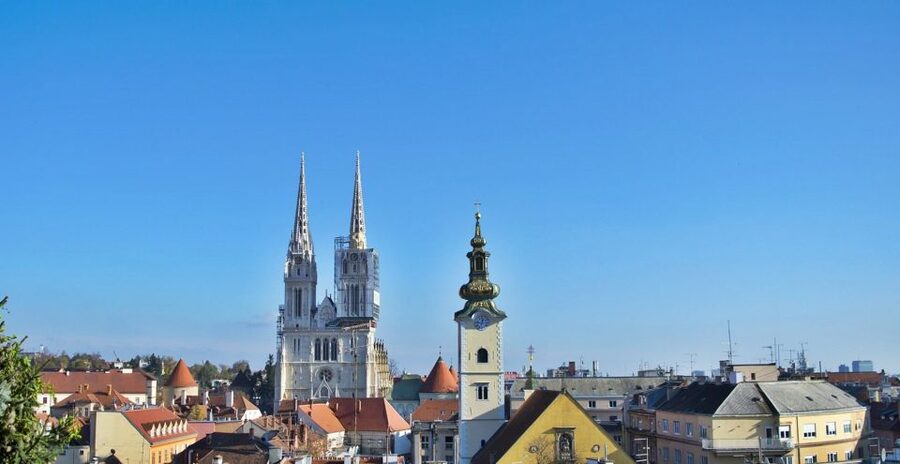
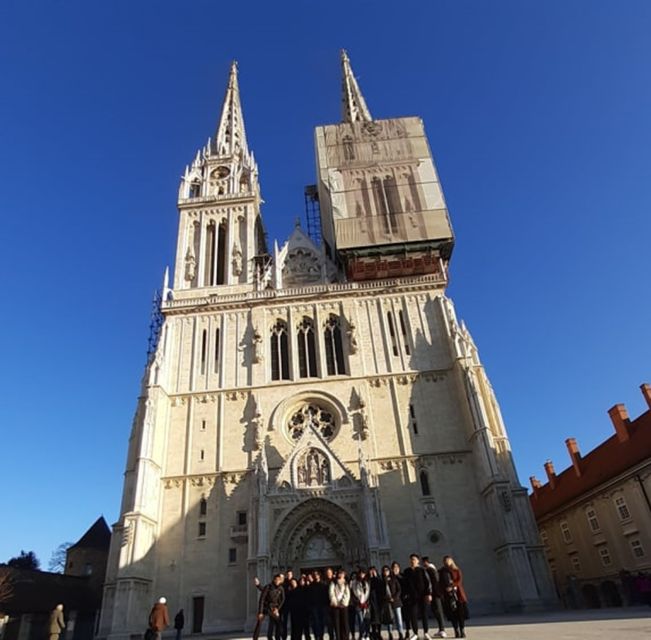
The next stop is Zagreb Cathedral, described as the largest Croatian sacred building and one of the country’s most important cultural monuments. Its scale gives the walk a change of mood after the open streets and urban stories of the center.
Your guide explains the cathedral’s place in Zagreb rather than treating it as a quick photo stop. That matters because the building is tied to both religious life and national heritage. You can ask questions and get context that a quick visit on your own may not provide.
Plan your clothing before the tour. Sleeves and knees should be covered before entering sacred places. The information provided does not promise a full interior visit at every departure, so think of the cathedral as a key stop where access and viewing may depend on conditions at the time.
The Cathedral area can also be a useful point for photographs, but the tour’s main purpose is interpretation. You are paying for the guide’s explanation and the connection between the monuments, not simply for someone to lead you from one building to the next.
Dolac Market, Kumica, and everyday Zagreb
From the Cathedral, the walk continues to Zagreb’s open market. It occupies the site of demolished old walls and is presented as the oldest open market in the city. This is one of the strongest stops for anyone who wants to see ordinary local life rather than only grand buildings.
The guide introduces Kumica, a name connected with the women who traditionally sold goods at the market. That detail gives the stop a human face. Instead of hearing only dates and architectural terms, you learn about a local tradition and the people associated with it.
A market visit also breaks up the formal sightseeing. You can see how Zagreb’s public spaces have served different roles over time, from defensive walls to a place for buying food and meeting neighbors. The tour includes a local product tasting, although extra food and drinks are not included.
Do not confuse the tasting with a full market meal. If you want to eat, plan to pay separately. Still, the included sample adds a welcome sensory element to a tour that otherwise focuses on stories, buildings, and city history.
Still Zagreb, at a slower pace:
- From Zagreb: Plitvice & Rastoke Guided Day Trip with Ticket
★ 4.9 · 2,955 reviews - Zagreb: Rastoke & Plitvice Lakes Guided Tour with Ticket
★ 4.9 · 1,897 reviews - Communism & Croatian Homeland War Tour
★ 5.0 · 1,355 reviews - Best of Zagreb with the WW2 Tunnels
★ 5.0 · 973 reviews
Stone Gate and one of Zagreb’s most unusual stories
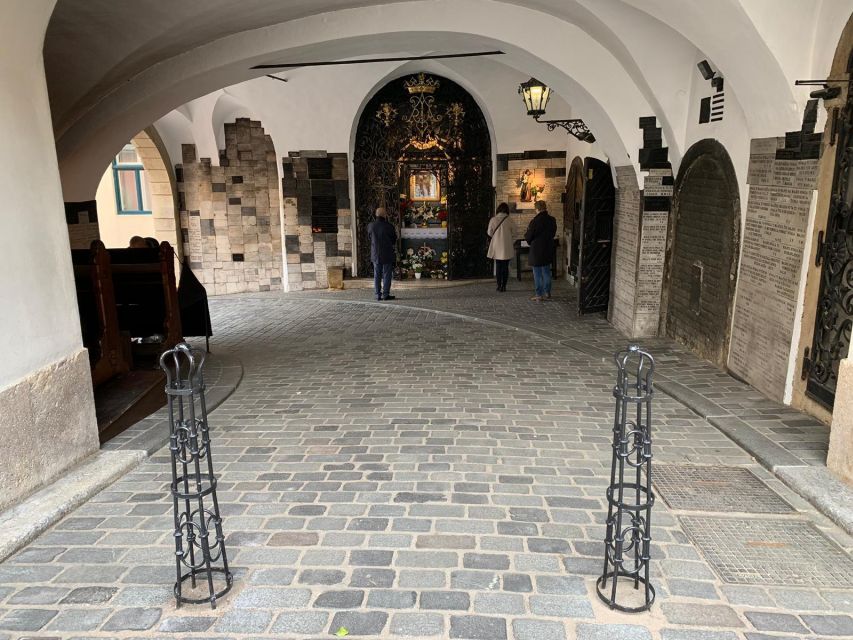
Stone Gate is one of the best-preserved reminders of old Zagreb and one of the city’s most recognizable symbols. It is also a place where the tour’s storytelling becomes especially important.
Your guide shares the unusual story connected with the old walls and the gateway. The supplied details do not spell out the full story, which is a good reason to hear it in person rather than read a short label and move on. Stone Gate is not just an old passage. It carries a strong local meaning that your guide can explain in context.
This is also a good example of why the tour works better with a live guide than with a basic sightseeing map. A map can show you where Stone Gate is. It cannot answer your follow-up questions or adjust the explanation to your interests.
The stop may be brief, but it has more weight than its size suggests. You see a preserved piece of the old city and hear one of Zagreb’s memorable local tales in the same place.
St. Marko Square, kings, and peasant rebellions
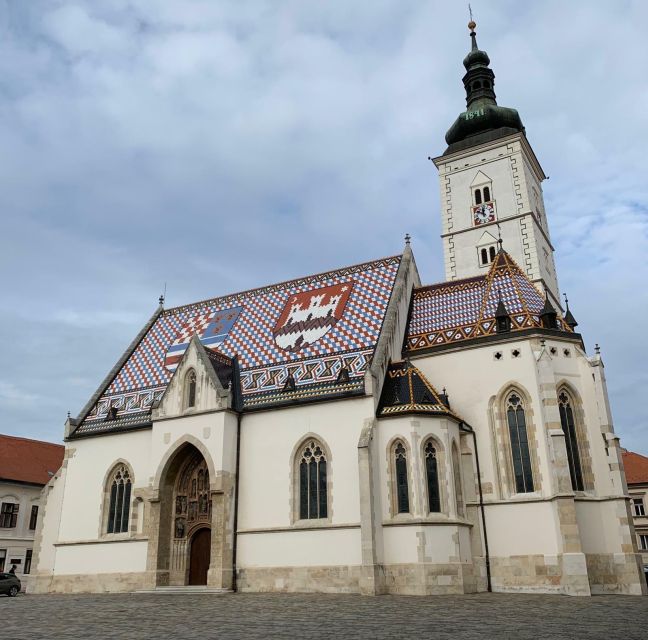
St. Marko Square shifts the focus from market traditions and religious stories to political power. The guide discusses St. Marko Church, influential kings, peasant rebellions, and other events from Croatia’s past.
For me, this is where a good guide can make a major difference. National history can become a list of rulers and conflicts if it is presented without a sense of place. Here, the square gives those stories a physical setting.
The tour description promises a unique presentation of Zagreb, and this stop explains what that means in practical terms. You are not only being shown a church facade or a public square. You are being given several ways to read the site: as a religious center, a political setting, and a place linked to conflict between rulers and ordinary people.
The square is also a natural place to pause for pictures. Keep in mind that the experience is built around walking and listening, so you may not have unlimited time at each sight. If you want a long photography session, tell the guide early and see what can fit within the three-hour schedule.
Lotrščak Tower and the daily cannon
The final major stop is Lotrščak Tower, where you can take pictures from what the tour calls the best viewpoint in the city. The view gives you a useful finish because you can look back over Zagreb after hearing how its districts, buildings, and traditions fit together.
The tower also comes with one of the city’s most curious customs: a cannon fires every day. Your guide explains why, turning a simple sound or local fact into another story tied to Zagreb’s past and present.
This final stop gives the tour a satisfying shape. You begin underground in Grič Tunnel, pass through central streets and old gateways, pause at religious and civic landmarks, and finish above the city. It is a compact route, but it covers several different sides of Zagreb.
The viewpoint is especially useful early in your stay. After the tour, you will have a clearer idea of where the Upper Town sits and which areas you might want to explore next. Ask for suggestions before saying goodbye. That is one of the clearest benefits of having a local guide for three hours.
What the guiding is really worth
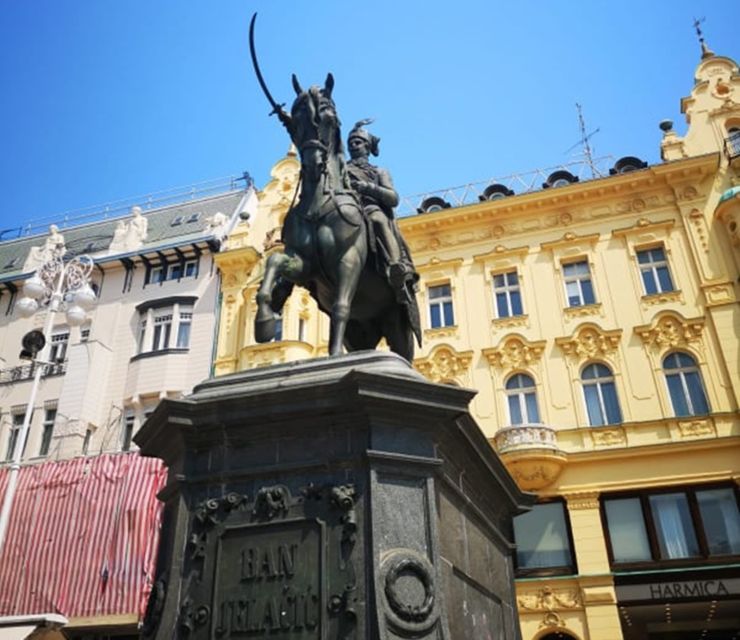
The most praised part of this experience is the guide, especially Iva. Multiple bookings describe her as friendly, attentive, passionate about Zagreb, and very strong in English. One person singled out her attention to small details, including knowing the names of horses represented in sculptures.
That kind of detail tells you what to expect from the best version of this tour. You are not getting only a memorized list of monuments. You may get extra observations that make the streets feel more personal and help you notice things you would otherwise walk past.
I also like the flexibility of the small group. The maximum is 10 participants, and the $84 price covers up to two people. For two people, that works out to $42 each. If you are traveling as a couple or with a friend, this can feel close to a private tour while giving you the structure of a scheduled experience.
The value is less clear for a solo visitor because the group price is not described as per person. Before booking, check the current price and group terms for your date. If you are two people sharing the cost, the price is easier to justify, particularly when the guide provides personal recommendations and answers questions throughout.
Pace, access, and practical comfort
Wear comfortable shoes. That advice is basic, but important here. You will walk through tunnels, streets, market areas, historic passages, and Upper Town sites, and the tour is not recommended for people with mobility impairments.
The tour does not include transport between stops. That is part of its appeal, since you experience the center at street level, but it also means you should be ready to keep moving for much of the three hours.
The timing is advertised as three hours, while the Zagreb itinerary is described as about two and a half hours of sightseeing and walking. The difference likely leaves room for meeting, stops, questions, or transitions, but you should still reserve the full three-hour block.
English is the listed tour language, and the guide is live rather than audio-based. That makes it easier to ask about a detail you do not understand or change the focus toward food, shopping, architecture, or local life.
The tour offers free cancellation up to 24 hours in advance and a reserve-now, pay-later option. Those terms are useful if your Zagreb schedule may change, but check the final booking conditions before confirming.
Who should choose this Zagreb walk?
I would choose this tour if you are visiting Zagreb for the first time and want the city explained in a compact block of time. It suits couples, friends, and small families who prefer conversation over a large group with a fixed script.
It is also a good fit if you care about stories and local customs as much as major monuments. The Kumica tradition, Stone Gate’s unusual tale, and Lotrščak’s daily cannon give the route more personality than a simple list of photo stops.
You may prefer a different plan if you want extensive interior visits, a slow photography tour, or a route designed for limited walking. The experience is built around Zagreb’s historic center and Upper Town, so comfortable movement matters.
I would also consider it if you want advice for the rest of your stay. The guide can suggest places to eat, shop, and visit, and several bookings specifically valued that personal help. That can make the tour useful beyond the time spent on the route.
Should you book the Best of Zagreb Walking Tour?
Book it if you want a well-paced introduction to Zagreb with a local voice, a small group, and a route that mixes famous sights with local traditions. The $84 group price is strongest for two people, especially when you value questions, photographs, and tailored recommendations.
Skip it if slopes, uneven walking, or standing for several hours will make the day difficult. Also skip it if you want a purely self-guided visit with lots of time inside each monument.
For most first visits, I like the balance. You get the city’s main historic sights, a market tradition, a local tasting, an unusual story at Stone Gate, and a viewpoint to finish. The guide, particularly Iva based on the consistently warm feedback, is the main reason this feels more useful than simply following a route on your phone.
FAQ
Where does the Best of Zagreb Walking Tour meet?
The meeting point is Ilica 50 in Zagreb.
How long does the tour last?
The experience lasts three hours. The sightseeing and walking portion of the Zagreb itinerary is listed as about two and a half hours.
What language is the tour offered in?
The tour is offered in English with a live guide.
How many people can join the tour?
It is a small-group tour limited to 10 participants.
What sights are included?
The route includes Grič Tunnel, the Zagreb funicular area, the main square, Zagreb Cathedral, the open market, Stone Gate, St. Marko Square and Church, and Lotrščak Tower.
Is a food tasting included?
Yes. A local product tasting is included. Additional food and drinks are not included.
Is the tour suitable for people with limited mobility?
No. The tour is not recommended for people with mobility impairments.
What should I wear?
Wear comfortable shoes. You should also cover your sleeves and knees before entering sacred places.
What is the price?
The listed price is $84 per group of up to two people.
Can I cancel the booking?
You can cancel up to 24 hours in advance for a full refund. A reserve-now, pay-later option is also available.
Just added around Zagreb
- Drava Rafting Safari★ 4.5 · 18 reviews
- Toast to the Morning After: Zagreb Museum of Hangovers Visit★ 4.0 · 39 reviews
- From Split: Transfer to Zagreb with Stop at Plitvice Lakes★ 4.6 · 44 reviews
- Severin na Kupi: Canoeing and Kayaking on the Kupa River★ 4.6 · 22 reviews
- Rafting/Kayaking adventure river Kupa★ 4.4 · 21 reviews
- Private Walking Tour of Zagreb★ 4.9 · 5 reviews
- Jump into Zagreb: Walking Tour with local guide★ 4.8 · 3 reviews
- From Zagreb: Varazdin Baroque Town & Trakoscan Castle★ 4.9 · 38 reviews
Walking Tours, compared.
Walking Tour of Split and Diocletian’s Palace
Read our review →

Krka Waterfalls tour with Trogir Walking tour and Krka panoramic boat cruise
Read our review →
City Walls Early Morning or Sunset Walking Tour
Read our review →Browse the lists this tour appears in