
Reviewed · WALKING TOURS
Split: History and Heritage Walking Tour
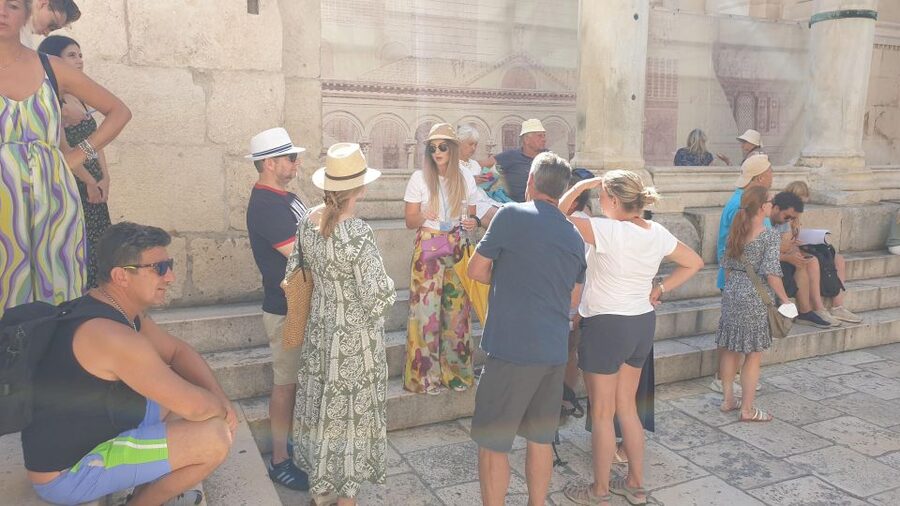
History is hiding in plain sight here. Split’s History and Heritage Walking Tour gives you a clear way into the 1,700-year-old Palace of Diocletian, where Roman stonework, medieval churches, Gothic palaces, shops, and everyday city life share the same tight lanes. For $18, you get a licensed guide and a small-group walk through the city’s central historic core.
I especially like the mix of big Roman history and small local details. Guides such as Antonella, Antonela, Nikolas, and Doris have been praised for making the past easy to follow, with stories about Diocletian’s rise from an unknown soldier to Rome’s most powerful man. I also like that the tour includes later layers, from medieval fortifications and Venetian influence to modern Split, rather than treating the palace as a museum frozen in time.
The main caution is group size. It is advertised as a small-group experience, but one booking had close to 30 people, which meant waiting for the group in crowded lanes. The tour is also not suitable for people with high blood pressure or hearing impairments, so consider those limits before booking.
In This Review
- Key points at a glance
- Starting beneath the Roman arch on Peristil Square
- Peristil Square and the palace of Diocletian
- Roman architecture still used as part of city life
- Romanesque churches and medieval layers
- Venetian influence and Split’s changing identity
- Game of Thrones locations as a bonus
- What the guide quality means for your experience
- Price, group size, and practical value
- What to wear and how to handle the weather
- Who should book this Split walking tour?
- FAQ
- Where does the Split History and Heritage Walking Tour start?
- Where does the tour end?
- What does the $18 price include?
- Are admission tickets included?
- Which languages are available?
- Does the tour operate in bad weather?
- Can I cancel for a full refund?
- Should you book it?
Key points at a glance
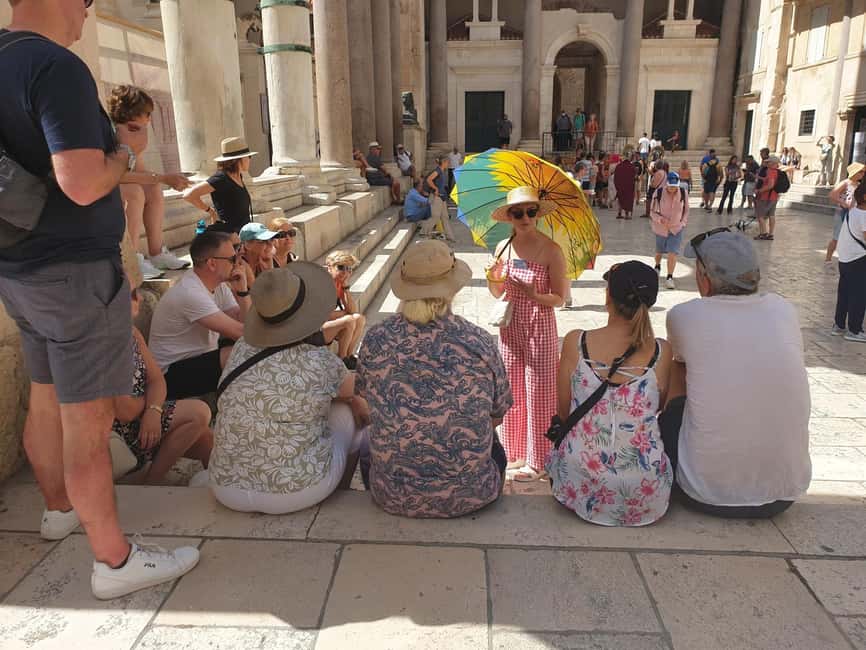
- Peristil Square meeting point: Find the guide under the old Roman arch on the north side of the square, beside the Tourist Information Office. Look for a yellow shirt or yellow umbrella.
- Roman, medieval, and modern Split together: You see ancient palace remains alongside Romanesque churches, Gothic palaces, fortifications, cafés, and shops.
- Strong storytelling: Antonella and Antonela receive repeated praise for turning complicated history into lively, easy-to-follow stories.
- Good value at $18: The tour covers the main historic core with a guide, while food, drinks, transport, and admission tickets are extra.
- Game of Thrones bonus: Fans can hear about filming locations, though the main focus is history and heritage.
- Rain or shine: Bring comfortable shoes, a hat, and weather-ready clothing. The walk goes ahead in sun or rain.
Starting beneath the Roman arch on Peristil Square
The meeting point is easy to identify once you reach Peristil Square. Go to the north side of the square, under the old Roman arch, next to the Tourist Information Office. The guide should be wearing a yellow T-shirt or holding a yellow umbrella.
That visual marker matters in Split. The palace is not a single fenced site with one obvious entrance. It is woven into the center of town, with several lanes and open spaces feeding into one another. Meeting at Peristil gives you a firm starting point before the stone corridors and busy streets begin to blur together.
You return to this same point at the end. That is useful if you want to continue exploring on your own, revisit a church, or stop for a drink nearby. Hotel pickup and drop-off are not included, so plan to reach the square independently.
The walk is offered in English, Russian, German, and French. The guide team is made up of licensed local professionals, and the strongest praise goes to the guides who combine formal historical detail with a warm, personal style.
More Walking Tours in Split
- Split: Old Town and Diocletian Palace Walking Tour
★ 4.9 · 4,727 reviews - Walking Tour of Split and Diocletian’s Palace
★ 5.0 · 2,588 reviews - Krka Waterfalls tour with Trogir Walking tour and Krka panoramic boat cruise
★ 5.0 · 1,659 reviews
Peristil Square and the palace of Diocletian
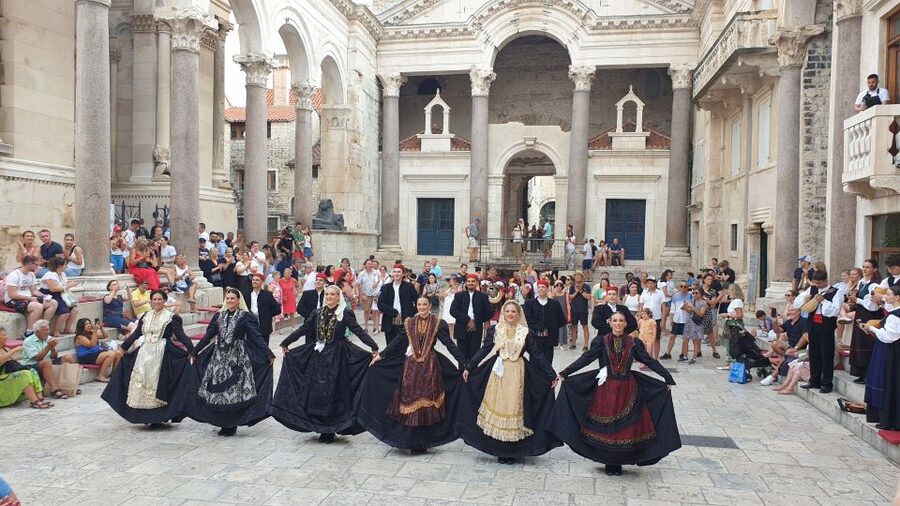
Peristil is the natural heart of the walk. Here, the Roman palace feels less like a ruin and more like a living town square. Ancient columns and arches frame a space used by modern Split, while the surrounding buildings reveal how the palace changed over many centuries.
The guide explains what the palace was meant to be and what remains today. You learn about Diocletian, the Roman emperor who retired to this part of the Adriatic, and how he moved from an obscure beginning to the highest position in the Roman world.
That personal story gives the architecture a useful frame. Instead of looking at a wall and hearing only a date, you can connect the building project to the ambitions of one ruler. The palace was not simply a residence. It was also a fortified complex and a statement of power.
The experience works well for people who do not usually choose history tours. Several comments praise the guides for keeping the pace light and entertaining, even for companions who are not especially interested in ancient Rome. That is an important strength. Split’s past includes unfamiliar names, changing rulers, and several periods of construction. A good storyteller keeps those pieces from becoming a pile of dates.
Peristil can also be crowded. If the group grows large, you may have trouble hearing every word or getting close to the guide. Stay near the front when possible, and keep an eye on the yellow marker if the group needs to move through a busy passage.
Roman architecture still used as part of city life
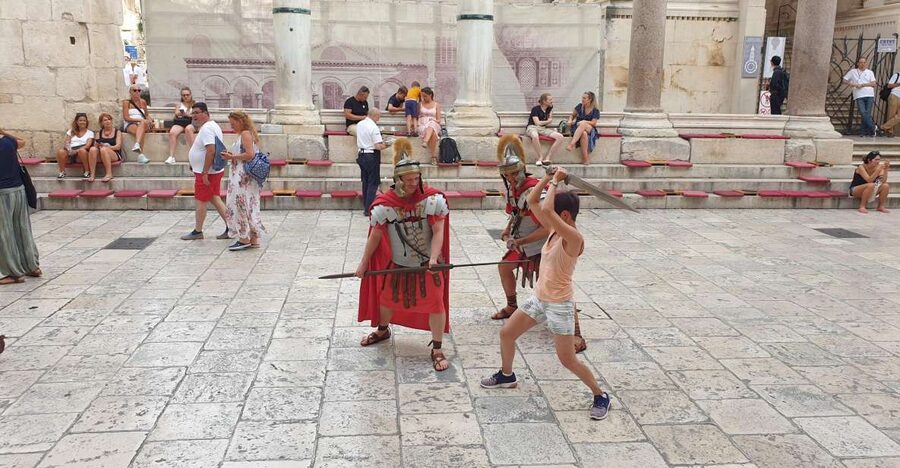
One of the best reasons to take this walk is the way the palace has survived. You are not simply viewing isolated ruins behind barriers. Ancient Roman structures form part of the city’s working fabric, with shops and modern activity set against old stone.
That contrast is the central visual lesson of Split. A Roman wall may lead to a medieval building. A narrow lane may open onto a square shaped by a different period. Modern signs and storefronts appear where earlier generations built, worshipped, traded, and defended the city.
The guide helps you read these layers. Without that explanation, you might notice the age of the stone but miss the changes in purpose. With context, the palace becomes a record of adaptation rather than a single Roman monument.
This is also where the tour provides value beyond wandering alone. You can walk through the old center without paying for a guide, but you may not recognize which details matter. The walk gives you a framework for later exploration. Once the guide points out the major features, you can return to the lanes with a better sense of what you are seeing.
Admission tickets are not included. The tour focuses on the areas included in the walking route, and any ticketed attraction you choose to visit separately would cost extra. Keep that in mind if you are planning a full day of paid sights.
Romanesque churches and medieval layers
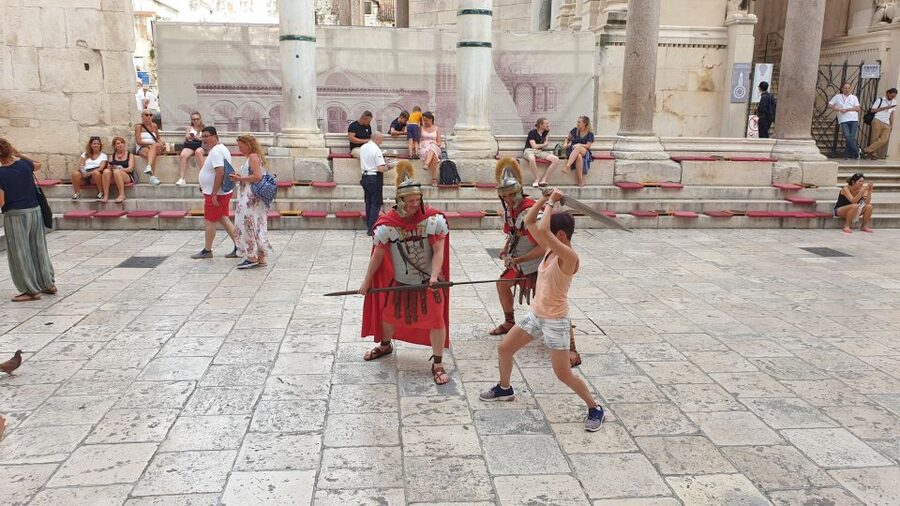
The route also covers Romanesque churches, medieval fortifications, and Gothic palaces. This is a strong feature because Split is not only an ancient Roman destination.
The medieval material shows how the city continued to develop inside and around the older palace walls. Fortifications point to periods when protection mattered as much as ceremony. Churches and Gothic buildings add new architectural forms, while the palace itself remains the underlying structure.
I would pay attention to how the guide connects the periods rather than treating each building as a separate stop. The most useful part of this kind of walk is seeing how one era responds to another. Roman foundations did not disappear when the city changed hands. They became the base for later homes, religious buildings, defenses, and public spaces.
The strongest guide comments describe this historical arc clearly. Nikolas was praised for explaining the Roman and Venetian influences and for linking the city’s past to its present. Other guides, especially Antonella and Antonela, are repeatedly singled out for their energy, clear explanations, and ability to answer questions.
You might also encounter traditional singing along the route. It is not presented as the main attraction, and no exact performance schedule is given, but one account describes hearing traditional singing during the walk. Treat that as a possible extra, not a guaranteed part of the program.
Still Split, at a slower pace:
- Split: Krka Waterfalls Trip with Boat Cruise and Swimming
★ 4.8 · 10,519 reviews - From Split: Krka Waterfalls, Food & Wine Tasting Tour
★ 5.0 · 9,326 reviews - Blue cave, Mamma Mia and Hvar, 5 islands speedboat tour
★ 5.0 · 7,150 reviews - From Split: Krka Waterfalls, Food & Wine Tasting Tour
★ 4.9 · 6,598 reviews
Venetian influence and Split’s changing identity
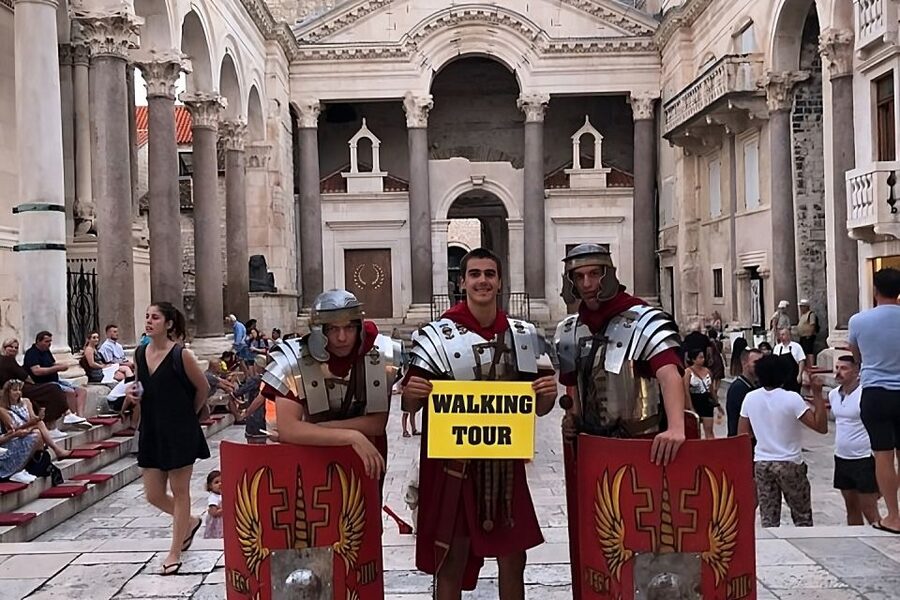
The tour reaches beyond Roman times to explain the arrival of Croats and the later influence of Venice. That broader view makes the walk more useful for understanding Dalmatia as a whole.
The Venetian period left its mark on architecture and city life, and the guide places those changes beside the older Roman remains. This prevents the common mistake of thinking that Split is mainly a Roman site with a few later additions. Its identity grew through several political and cultural periods.
A good local guide can also explain the city in personal terms. The most effective accounts describe guides bringing their own connection to Split into the storytelling. That personal angle helps keep the material grounded. You are not just hearing about distant rulers. You are learning how the city’s past still shapes the place you are walking through today.
The tour is especially useful as a first activity in Split. One person with only 48 hours in the city found that the walk created a strong base for further exploration. That makes sense. You finish with a mental map of the old center, a list of places worth revisiting, and enough background to understand the streets around you.
Game of Thrones locations as a bonus
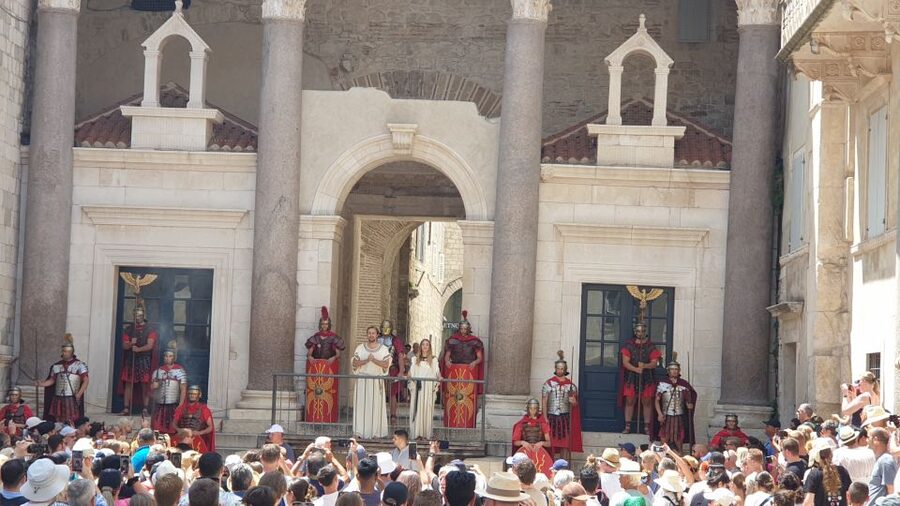
If you follow Game of Thrones, the tour includes filming locations as bonus information. This can add a playful layer to the walk, especially if you want to connect familiar screen images with the real streets and stonework.
The show is not the main focus. The core subject is the history of Diocletian’s Palace and Split, from Roman times to the present. I would book this for the historical content first, then treat the filming details as an extra.
That balance is helpful. A tour built mainly around a television series can leave you with little sense of the actual city. Here, the show is a side note within a much wider story about emperors, medieval life, Croatian identity, and Venetian influence.
What the guide quality means for your experience
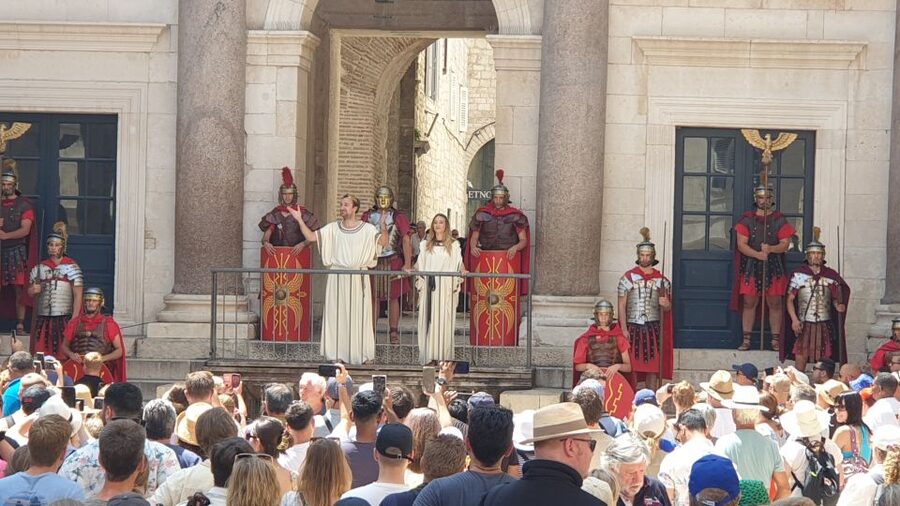
The guide makes or breaks a city walk, and this experience has a strong record in that area. The overall rating is 4.9 from 650 reviews, with repeated praise for guides who are friendly, lively, and easy to hear.
Antonella and Antonela receive especially warm attention. They are described as enthusiastic, well prepared, and able to explain complicated events in plain language. One guide was compared to a teacher, which is a useful description: the best moments here seem to come from structured explanations, not random facts thrown at you.
You can expect stories, historical context, and opportunities to ask questions. Guides have been praised for answering questions directly and for making sure people are comfortable and able to hear. That said, comfort and audibility become harder when the group is large or the streets are crowded.
The tour also seems suited to mixed-interest groups. If one person in your party loves history and another normally avoids it, the storytelling style may keep both engaged. The pace has been described as manageable, with a good balance of information and time to look around.
Price, group size, and practical value
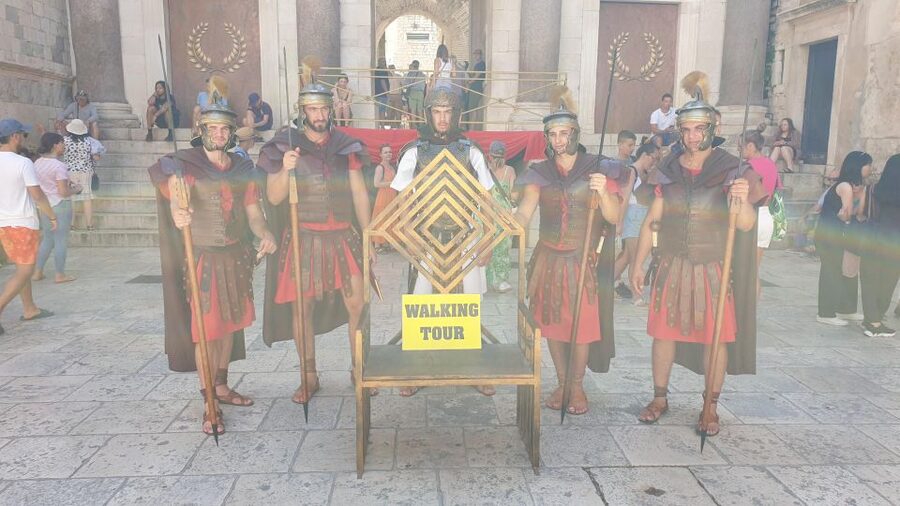
At $18 per person, this is a modestly priced way to get oriented in Split’s historic center. You are paying for a guided explanation of a complicated place, not for transport, meals, or entry to paid attractions.
I think the price works best if you take the tour early in your stay. The value comes from using the information afterward. Once you know the basic story of the palace, later walks through the old town become more rewarding because you can place the buildings and streets in context.
The small-group claim deserves a careful reading. Many comments describe a small group, but one person found nearly 30 people on the walk. That size can slow the route, especially when the guide has to wait for people at corners or through narrow passages.
To improve your chances of hearing everything, stand near the guide and avoid drifting toward the back. If you prefer a quiet, highly personal tour, confirm the expected group size before booking. If you are comfortable with a standard shared walk, the low price makes this a sensible choice.
There is no stated duration in the supplied details, so I would not plan a tightly timed connection immediately afterward. The route takes place on foot through historic streets, and crowd conditions can affect how quickly the group moves.
What to wear and how to handle the weather

Wear comfortable shoes. The old center includes stone surfaces and narrow lanes, so practical footwear matters more than looking polished.
Bring a hat and comfortable clothes. The tour runs in sun and rain, with no weather cancellation promised. One guide, Doris, supplied an umbrella during rainy conditions, but you should still arrive prepared rather than relying on that kind of assistance.
Do not wear a costume. That rule is unusual but clear. The tour is suitable for all ages, though it is not suitable for people with high blood pressure or hearing impairments. If either issue affects you, the walking format and guide-led explanations may not be a good match.
Food and drinks are not included. You can arrange those separately before or after the walk, but do not expect a tasting stop or a meal as part of the $18 price.
Who should book this Split walking tour?
I would recommend it to first-time visitors who want the old center explained without committing to an expensive private guide. It also suits history fans, couples with different interests, families, and anyone with limited time in Split.
It is a good fit if you want more than surface facts. The strongest part of the experience is the way it links Diocletian, Roman construction, medieval buildings, Venetian influence, Croatian history, and modern city life.
You may want another option if you need a very small, quiet group, have difficulty hearing outdoors, or cannot manage a weather-dependent walk. The tour also may not satisfy someone seeking extensive interior visits, since admission tickets are not included and the supplied details focus on the walking route.
FAQ
Where does the Split History and Heritage Walking Tour start?
It starts on Peristil Square under the old Roman arch on the north side of the square, next to the Tourist Information Office. Look for a yellow T-shirt or yellow umbrella.
Where does the tour end?
The activity ends back at the meeting point on Peristil Square.
What does the $18 price include?
The price includes a small-group walking tour and a tour guide.
Are admission tickets included?
No. Admission tickets, food, and drinks are not included.
Which languages are available?
The tour is offered in Russian, English, German, and French.
Does the tour operate in bad weather?
Yes. The walk takes place in rain or sunshine, so bring suitable clothing, comfortable shoes, and a hat.
Can I cancel for a full refund?
Yes. You can cancel up to 24 hours in advance for a full refund. You can also reserve and pay later, which keeps your plans flexible.
Should you book it?
Book this tour if you want a lively introduction to Split before exploring on your own. For $18, the combination of Roman architecture, medieval buildings, local stories, and clear historical context is a strong deal.
I would be most likely to recommend it to someone visiting Split for the first time, especially with only a day or two in town. Choose a meeting position close to the guide, prepare for sun or rain, and keep your expectations realistic about group size. If you want the palace to make sense instead of simply looking old, this is a practical place to start.
More History Tours in Split
- Walking Tour of Split with a ‘Magister’ of History
★ 5.0 · 1,122 reviews - Split Walking Tour with Professor of History
★ 5.0 · 926 reviews - Split History and Gastro Small-Group Tour with Food and Drinks
★ 5.0 · 375 reviews - SPLIT-PREMIUM Emperor’s Walking Tour for History Lovers + Museum
★ 5.0 · 333 reviews
Just added around Split
- Slatine – Island Hopping Excursion (Trogir/Blue Lagoon/Shipwreck)★ 4.0 · 24 reviews
- Krka Waterfalls & Primošten from Trogir, Seget, Čiovo & Kaštela★ 5.0 · 18 reviews
- From Trogir, Seget, Okrug: Krka Waterfalls & Šibenik Culture Tour★ 5.0 · 10 reviews
- Island Hopping Boat Excursion with Lunch (Trogir,Blue Lagoon, Šolta)★ 3.5 · 6 reviews
- From Split & Trogir: ATV Quad Tour on Island Čiovo★ 5.0 · 21 reviews
- Split: Blue Lagoon Boat Trip with Lunch, Wine and Snorkeling★ 5.0 · 3 reviews
- Split Sunset Stand Up Paddle Tour★ 5.0 · 16 reviews
- Split: Sunset Guided Kayaking Tour★ 4.8 · 71 reviews
Walking Tours, compared.

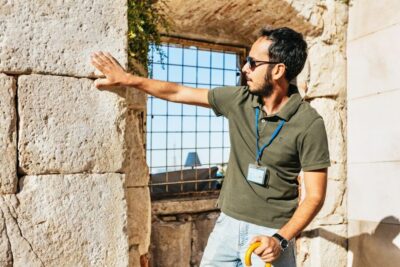
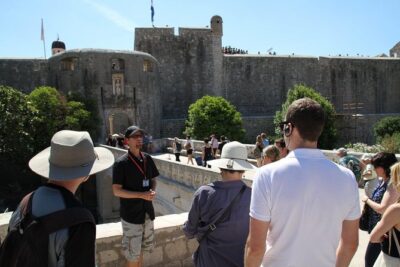
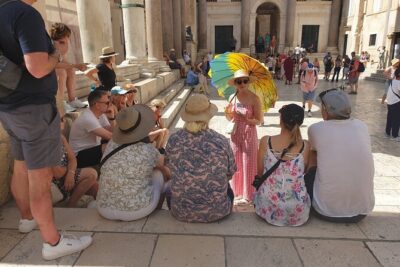
Walking Tour of Split and Diocletian’s Palace
Read our review →


Krka Waterfalls tour with Trogir Walking tour and Krka panoramic boat cruise
Read our review →
City Walls Early Morning or Sunset Walking Tour
Read our review →Browse the lists this tour appears in