
Reviewed · WINE TOURS
Wine Tasting Experience at the organic winery in Šišan
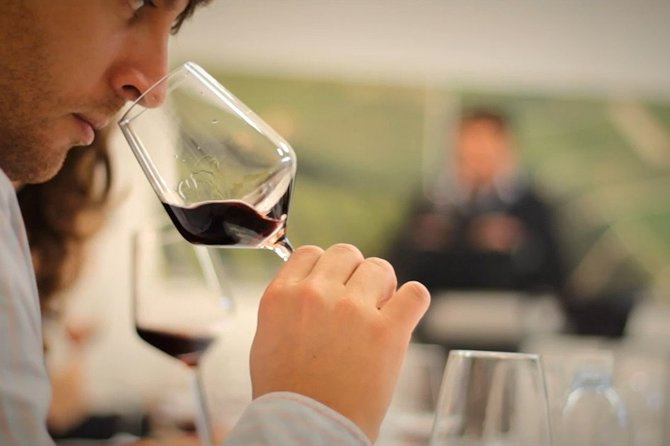
Wine tells the story of soil. Near Pula, this short tasting introduces you to Trapan wines, organic farming, and Istrian food in the company of winemaker Bruno. I like the small-scale setting and the chance to hear directly from the person making the wine. I also like the tasting room’s unusual design, with views down into the barrel room. The main drawback is that the experience can feel lightly guided if Bruno is busy with winery work, and the winery’s rural setting makes transport worth planning carefully.
At about 90 minutes, this fits neatly into an Istria holiday. You taste a selection of wines, sample regional snacks, and learn how mineral-heavy red soil and limestone affect the vines. The experience costs $62.05 per person, which can be fair for a personal tasting with the winemaker, but less so if you expect a full vineyard walk or a long, detailed cellar tour.
In This Review
- Key points to know before booking
- Arriving at Wine Station Trapan in Šišan
- A modern winery built around the barrel room
- Meeting Bruno, the winemaker
- What the organic approach means in the glass
- The wine tasting and regional food
- A 90-minute stop that fits an Istria itinerary
- Is $62.05 per person good value?
- Who will enjoy this experience most?
- Booking, cancellation, and practical planning
- Should you book the Šišan wine tasting?
- FAQ
- Where does the wine tasting take place?
- How long does the experience last?
- Where does the activity end?
- How much does the tasting cost?
- What is included with the wine tasting?
- Who leads the tasting?
- How many people can join the activity?
- Can I cancel for a full refund?
Key points to know before booking
- Winemaker Bruno leads the experience: His passion for organic production is the strongest personal element of the visit.
- The tasting room looks into the barrel room: The modern concrete-and-glass building puts the wine-making process beneath your table.
- The vineyards cover 12 hectares: Istrian red soil, minerals, and limestone are central to the winery’s approach.
- Local food comes with the wine: Snacks and regional specialities are prepared at the winery to match the pours.
- The visit lasts about 90 minutes: It works well as a compact stop during a day around Pula and southern Istria.
- Transport needs planning: The winery is in Šišan, and one poor experience involved difficulty reaching the provider and finding a taxi from the remote location.
Arriving at Wine Station Trapan in Šišan
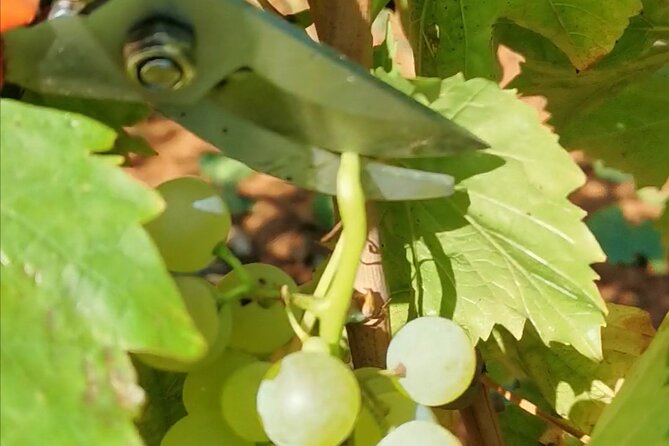
The meeting point is Wine Station Trapan, at Giordano Dobran 63, 52204 Šišan, Croatia. The activity begins and ends there, so you need to arrange your own way to the winery and back.
That detail matters more than it may first appear. Šišan is outside central Pula, and the experience does not include transport. You should not assume that a taxi will be waiting nearby, especially after the tasting. I would arrange your return before you arrive and keep the local meeting address handy on your phone.
The confirmation is provided at booking, and the ticket can be shown on a mobile device. The group is limited to a maximum of 15 people, which keeps the setting smaller than a large commercial wine excursion, though the actual feel may depend on how many people book that day.
The winery is described as the southernmost wine station in Istria. That gives the visit a clear sense of place. You are not simply drinking Croatian wine in a generic tasting bar. You are visiting a working producer in a village near Pula, where wine is received, processed, aged, and matured on site.
More Food and Drink Tours in Istria
- Istria: Guided Tour of Inner Istria with Food Tasting
★ 5.0 · 67 reviews - Pula: House of Istrian Olive Oil Museum and Guided Tasting
★ 4.9 · 35 reviews - Olive Oil Guided Tasting and History in Pula
★ 4.5 · 34 reviews
A modern winery built around the barrel room
Bruno’s Wine Station is not an old stone farmhouse or a rustic cellar. The building is modernist, with straight lines, concrete, and glass. From the outside, it has a simple appearance. Inside, the design becomes more interesting.
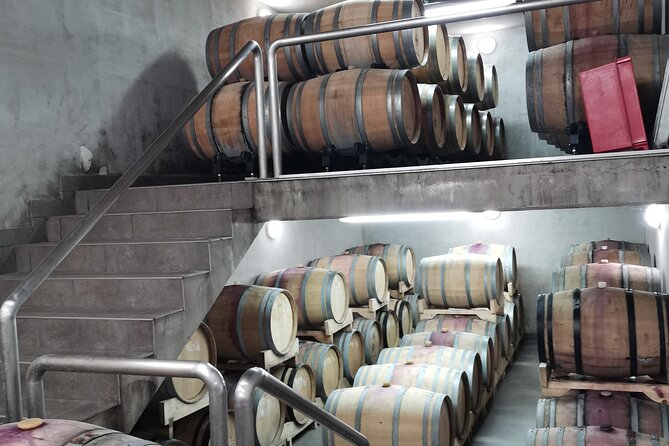
The tasting room is lowered into the building, giving you a view over the barrel room as you drink. I like this arrangement because it connects the tasting to the work behind it. You can sit with a glass while looking toward the barrels where the wine develops, rather than treating the wine as a finished product with no visible link to production.
That design also sets the tone. This is a winery that presents itself as contemporary and thoughtful. The room is intended to feel comfortable and relaxed, with the pleasure of the wine placed at the center. If you enjoy architecture and design as much as food and drink, this will add something to the visit.
Still, keep your expectations in check. A view of the barrel room is not the same as a full technical tour. The available information does not promise a detailed walk through every stage of production, and some visits have felt more like a seated tasting than an active winery visit.
Meeting Bruno, the winemaker
The most appealing part of this experience is the chance to meet Bruno. He is closely involved with the winery and speaks with real feeling about organic farming and the wines he produces.
A good visit with Bruno can feel personal rather than rehearsed. One particularly strong account describes him as passionate about his work, with an enthusiasm strong enough to turn a non-wine drinker into someone who enjoyed the tasting. That is a useful clue about his best quality: he can make the subject approachable.
You may hear about his decision to find a site suited to the full wine-making process, from unloading and processing grapes through vinification, aging, and maturation. The winery’s story is tied to his instincts and his desire to create a place where people can see wine production while enjoying the finished drink.
The weakness is consistency. Bruno may also be working on other tasks at the winery. If he is pulled away, you could spend much of the 90 minutes drinking in the kitchen or tasting area without the level of explanation you expected. One especially unhappy account described being left alone for most of the visit, with no vineyard view or wider tour.
That means the experience depends heavily on the timing and on how actively the host is available. I would book it for the personal contact with Bruno, but not if you require a fixed, lecture-style itinerary.
What the organic approach means in the glass
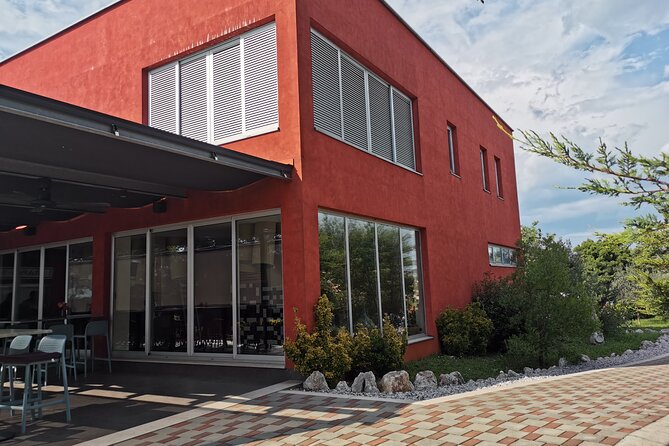
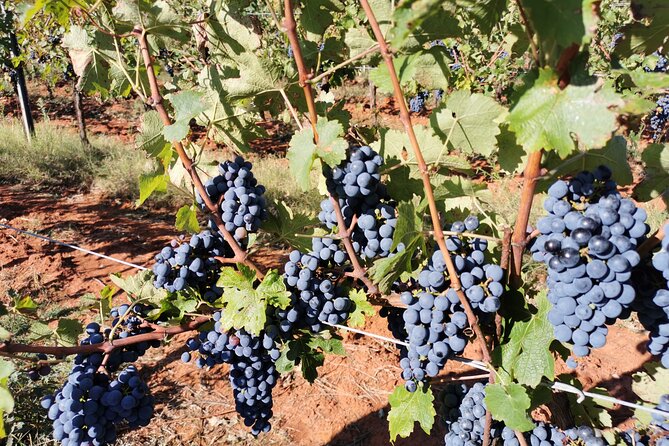
The winery’s vineyards cover about 12 hectares. They sit in Istrian red soil, known here for its mineral content and limestone. The producer follows organic farming practices to preserve what the vineyards give naturally.
For you, this provides a useful way to think about the tasting. Instead of treating organic wine as a label alone, you can ask how the soil, farming choices, and local conditions shape the grapes. The mineral-rich red earth and limestone are part of the winery’s identity, and Bruno’s explanation can help connect those details to the wine in your glass.
The experience is not presented as a formal agricultural class. You should expect an accessible introduction rather than a detailed study of vineyard science. Even so, this setting gives the tasting a stronger local focus than a simple flight of wines in a city restaurant.
Organic production also adds a clear value to the visit. You are supporting a smaller producer whose stated aim is to protect the natural character of the vineyards. That may matter to you if farming methods and local production are part of your travel choices.
More Wine Tours in Istria
- Pula: Old Town Walking Tour for Foodies with Dinner and Wine
★ 4.6 · 18 reviews - SUNSET WINE TOUR by KAYAK or SUP
★ 5.0 · 11 reviews - 3 Hours Private Wine and Sunset Tour
★ 5.0 · 9 reviews - E Bike Tour with wine and olive oil tasting in Vodnjan
★ 5.0 · 4 reviews
The wine tasting and regional food
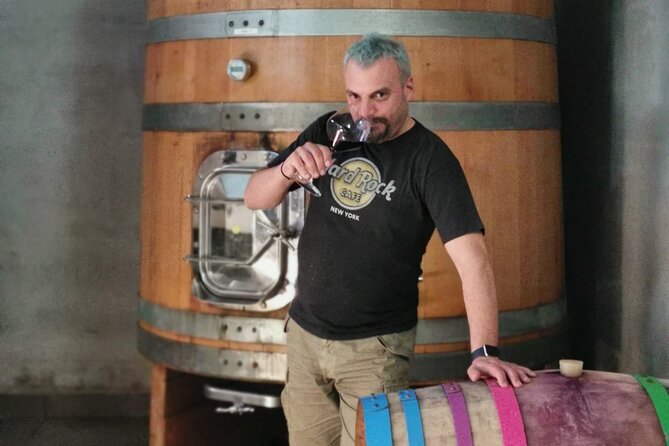
The central part of the visit is a selection of Trapan wines chosen for your tasting. The exact wines are not specified, so you should think of this as a guided introduction to the producer rather than a guaranteed list of particular labels.
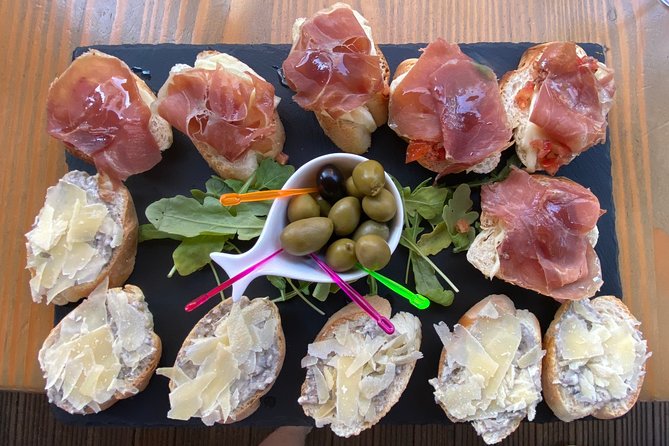
The pours are paired with snacks and other local specialities from the region. These are prepared at the winery and are meant to complement the wine. Food makes a difference here. It slows the tasting down and gives you a better sense of how the wines work with everyday Istrian flavors.
I appreciate that the food is part of the experience rather than an extra purchase at the end. You get a small look at the area’s food culture alongside its wine culture. The pairings may also help if you are not used to tasting wine on its own.
At the same time, do not book this expecting a full meal. The information describes snacks and regional specialities, not lunch or dinner. If you are hungry, plan another meal before or after the visit.
The tasting should suit both experienced wine drinkers and curious beginners. Bruno’s enthusiasm can make the wines feel less intimidating, and the short length prevents the event from becoming a long technical session. If you already know Trapan wines well, the value will depend on how much personal discussion and behind-the-scenes detail Bruno can provide.
A 90-minute stop that fits an Istria itinerary
The experience lasts about one hour and 30 minutes. That is long enough for a relaxed tasting and conversation, but short enough to combine with other plans around Pula and southern Istria.
I would place it on a day when you are already exploring the area, rather than making it the sole reason for a long journey. The visit begins and ends at the winery, so you can build a simple schedule around it. Just leave enough time for transport and avoid arranging a tight connection afterward.
The short duration is a strength if you want a taste of Istria without giving up half a day. You can learn about the producer, taste several wines, and try local food without committing to a much longer estate visit.
It is also a limitation. You may not see the vineyards, walk through the production areas, or receive a detailed explanation of every wine-making stage. The experience is best understood as a tasting with an introduction to the winery, not as a complete vineyard tour.
Is $62.05 per person good value?
At $62.05 per person, this is not the cheapest way to drink wine in Istria. You are paying for more than the liquid in the glass, though. The price includes a visit to a small organic producer, a tasting of Trapan wines, local snacks, and the possibility of spending time with Bruno himself.
I see good value here if you care about personal contact, organic farming, local food, and the setting of a working winery. The barrel-room view and the modern building give the visit a distinct character, while the 90-minute length makes it easy to add to a Pula holiday.
The value drops if you expect a complete tour of the vineyards or constant attention from the host. The price will feel high if you end up drinking with little explanation or if you spend much of the time waiting while Bruno handles other work.
Before booking, ask yourself what you want from a winery visit. If you want a polished operation with a fixed script, multiple formal stops, and transport included, this may not be the right choice. If you want a small producer and are comfortable with a more informal encounter, the price can make sense.
Who will enjoy this experience most?
I would recommend this tasting to you if you like local producers, organic agriculture, and food served in a working setting. It also suits couples or small groups looking for a short cultural stop rather than a full-day wine program.
Wine beginners may find Bruno’s enthusiasm welcoming. You do not need to arrive with a detailed knowledge of Croatian grapes to enjoy the session. The tasting, snacks, and conversation offer an easy entry point.
Design-minded visitors will appreciate the concrete-and-glass building and the lowered tasting room. You get a clear visual connection to the barrel room, which gives the winery a more contemporary feel than the traditional stone-cellar image many people expect in Istria.
I would be more cautious if you are relying on taxis, have limited flexibility, or want a highly structured tour. The remote setting and reports of weak communication on one occasion make transport and confirmation important. I would also avoid booking if seeing the vines is your main goal, since a vineyard visit is not guaranteed.
Service animals are allowed, and the activity is near public transportation. Most people can participate. These details make it broadly accessible, but they do not remove the need to plan your route to Šišan.
Booking, cancellation, and practical planning
You receive confirmation at the time of booking, and the mobile ticket means you do not need a printed voucher. The experience has free cancellation if you cancel at least 24 hours before the start time.
If you cancel less than 24 hours before the local start time, you will not receive a refund. Changes made inside that same 24-hour period are not accepted, so check your plans before committing.
I would also confirm the meeting point and return transport before the day of the tasting. One poor experience involved unanswered calls close to the booking time and trouble finding a taxi because of the winery’s location. That does not mean every visit will have the same problem, but it is a sensible warning for anyone without a car.
Should you book the Šišan wine tasting?
Book this if you want a compact, personal introduction to organic Trapan wine and you value meeting a producer more than following a polished sightseeing program. Bruno’s passion, the modern tasting room, the barrel-room view, and the local food give the experience real character.
Skip it if you need a guaranteed vineyard walk, detailed commentary from start to finish, included transportation, or a full meal. The experience can be excellent when Bruno has time to host you properly, but it can feel thin when winery work takes him away.
My practical verdict is cautious but positive: this is a worthwhile small-producer visit for flexible wine lovers who plan their transport and keep expectations realistic. At $62.05, book it for the person and place, not simply for the number of glasses.
FAQ
Where does the wine tasting take place?
It takes place at Wine Station Trapan, Giordano Dobran 63, 52204 Šišan, Croatia.
How long does the experience last?
The tasting lasts approximately one hour and 30 minutes.
Where does the activity end?
The activity ends back at the same meeting point, Wine Station Trapan.
How much does the tasting cost?
The listed price is $62.05 per person.
What is included with the wine tasting?
You taste a selection of Trapan wines and receive snacks and other local specialities from the region.
Who leads the tasting?
The experience includes meeting Bruno, the winemaker, who discusses his passion for organic farming and wine production.
How many people can join the activity?
The maximum group size is 15 people.
Can I cancel for a full refund?
Yes. You can cancel for a full refund up to 24 hours before the experience start time. Cancellations and changes made less than 24 hours before the local start time are not accepted for a refund.
More Food and Drink Tours in Pula
- Pula Food Walking Tour
★ 4.5 · 22 reviews - Istrian hill top cities tour with truffle and olive oil tasting
★ 5.0 · 18 reviews - Pula Food Walking Tour
★ 4.0 · 12 reviews - Pula Walking Food Tour
★ 4.5 · 4 reviews
More Wine Tours in Pula
- From Split: Krka Waterfalls, Food & Wine Tasting Tour
★ 5.0 · 9,326 reviews - From Split: Krka Waterfalls, Food & Wine Tasting Tour
★ 4.9 · 6,598 reviews - Krka National Park Tour with tour Guide & Wine tasting from Split & Trogir
★ 5.0 · 1,625 reviews - Split: Krka Waterfalls With Boat Cruise, Wine and Olive Oil
★ 4.3 · 1,507 reviews
Just added around Pula
- From Pula: Island Stop and National Park Day Cruise★ 4.4 · 153 reviews
- 1-Hour Private E Foil Surfing Lessons in Istria★ 5.0 · 4 reviews
- Waves & Watercolors: A Seaside Painting Workshop★ 5.0 · 21 reviews
- Transfer Pula – Poreč★ 5.0 · 5 reviews
- 3 Hours Private Wine and Sunset Tour★ 5.0 · 9 reviews
- Stop on Island & National Park Day Cruise with Lunch Drinks★ 5.0 · 10 reviews
- Transfer Pula – Rovinj★ 5.0 · 4 reviews
- E-Bike swim & fortress tour Vodnjan★ 5.0 · 6 reviews
Wine Tours, compared.
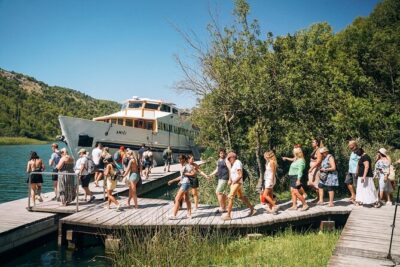
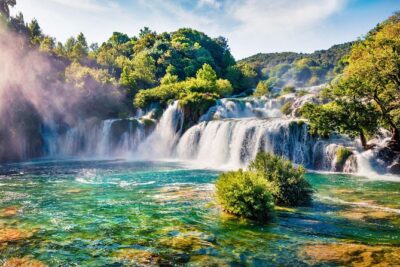
Krka National Park Tour with tour Guide & Wine tasting from Split & Trogir
Read our review →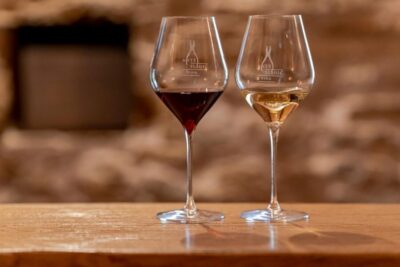
Krka Waterfalls With Boat Cruise, Wine and Olive Oil
Read our review →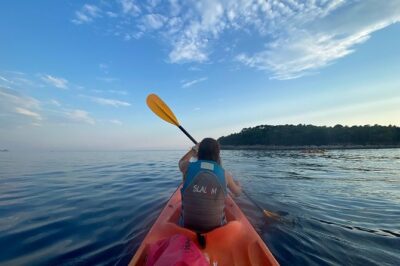
Split/Trogir: Krka National Park Day Trip with Wine Tasting
Read our review →
Browse the lists this tour appears in