Reviewed · SPLIT TOURS
Private Split and Trogir tour with LOCAL
History meets homemade lunch here. This six-hour private outing combines Diocletian’s Palace and Trogir with the clear, cold source of the Cetina River, local food, wine, and family hospitality. I like the easy mix of famous sights and rural Croatia, and I like that your own group travels in an air-conditioned vehicle with a guide. The main consideration is the price, $389.77 per person, which is a serious spend unless you value private guiding and the home-cooked meal.
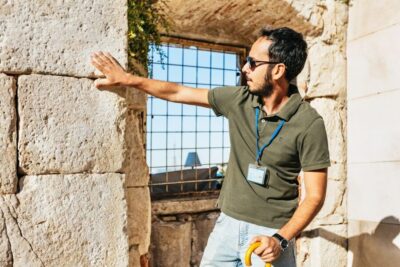
Daniela receives especially warm praise for her friendly manner, historical explanations, and flexibility when plans ran late. Her grandmother hosts part of the food experience, serving items such as cheese, prosciutto, bread, fruit, pastries, wine, liquor, and peka, a slow-cooked local dish. The six-hour schedule also packs in a lot, so you should be ready for a full day rather than a slow village outing.
In This Review
- Five things to know before you book
- Why this Split outing feels different
- Starting at the Peristyle of Diocletian’s Palace
- Beneath the city in Diocletian’s Cellars
- St. Domnius Cathedral and the former imperial mausoleum
- One hour inside Split’s living palace
- Finding the source of the Cetina River
- A family table with peka, wine, and homemade liquor
- Two hours in Trogir’s medieval center
- What the $389.77 price really buys
- Timing, weather, and who should choose it
- Should you book this private Croatia day tour?
- FAQ
- How long does the private Split and Trogir tour last?
- Is this a private tour?
- What food and drinks are included?
- Does the tour visit the source of the Cetina River?
- Is pickup available?
- Can I cancel for a full refund?
Five things to know before you book
- The day begins in Split’s Roman heart: You see the Peristyle, Diocletian’s Cellars, the cathedral, and the wider palace area before leaving town.
- The Cetina River source adds a nature break: The water is clear and notably cold, making this more than a city sightseeing tour.
- The meal is part of the point: A local home, grandmother-hosted food, homemade wine, liquor, and peka give the outing a personal feel.
- Trogir gets about two hours: That is enough for its old streets and main sights, but not enough for a slow, thorough exploration.
- It is private, not a mixed coach group: Pickup is offered, mobile tickets are accepted, and only your group takes part.
Why this Split outing feels different
Many day tours from Split simply connect two historic towns. This one adds a personal food stop and a visit to the source of the Cetina River, so the day moves between imperial architecture, medieval streets, open countryside, and a family table.
I like that range. You get the essential sights without spending the entire day inside museums or on paved streets. The trip also gives you a chance to taste Croatia in a setting that feels less formal than a restaurant.
The private format matters. Your group is not joined by strangers, and Daniela can adjust the pace within the available time. One account describes her accommodating a delay, while another praises the relaxed pace in Trogir. That flexibility is useful for families, couples, or small groups with different interests.
Still, you should set realistic expectations. Six hours is not a lot of time for Split, the Cetina source, a substantial meal, and Trogir. You will see the main points, but this is not the tour for lingering over every church, climbing every tower, or spending an afternoon by the river.
A few more Split trips worth comparing
- Split: Krka Waterfalls Trip with Boat Cruise and Swimming
★ 4.8 · 10,519 reviews - From Split: Krka Waterfalls, Food & Wine Tasting Tour
★ 5.0 · 9,326 reviews - Blue cave, Mamma Mia and Hvar, 5 islands speedboat tour
★ 5.0 · 7,150 reviews
Starting at the Peristyle of Diocletian’s Palace
The first stop is the Peristyle, the grand central square of Diocletian’s Palace. Built in the third century as a major entrance to the emperor’s residence, it is framed by columns and reached by a monumental staircase.
I find the Peristyle a smart place to begin because it quickly explains Split’s unusual character. This is not an isolated ruin outside town. The ancient palace became the core of a living city, and homes, shops, restaurants, and daily life continue within its walls.
Your guide can help you read the square as both an imperial setting and a public space. Ceremonies and cultural events still take place here, so the Peristyle does not feel like a frozen archaeological site. It feels like part of Split’s daily rhythm.
The scheduled visit is about 15 minutes. That is enough for an introduction and some orientation, but not enough for a slow architectural study. If the square interests you, I would return later on your own and spend more time noticing the columns, stairway, and surrounding stonework.
Beneath the city in Diocletian’s Cellars
Next comes Diocletian’s Palace Substructures, often called the cellars. This underground complex was built in the fourth century to support and raise the emperor’s residential quarters above it.
The practical value of this stop is clear: the cellars show how Roman engineers solved a structural problem while creating useful lower-level spaces. Their good preservation gives you a strong sense of the palace’s original scale and planning.
The cellars have also served as exhibition and event spaces, and they were used as a filming location for Game of Thrones. That screen connection may interest some people, but the Roman construction is the real reason to visit. I would focus on the arches, walls, and proportions rather than treating the stop as only a television location.
The planned time is about 20 minutes. That keeps the tour moving, though it may feel brief if you enjoy underground architecture. Since admission is listed as free for this stop, you are not paying an extra entrance charge here.
St. Domnius Cathedral and the former imperial mausoleum
The Cathedral of Saint Domnius began life as Emperor Diocletian’s mausoleum in the early fourth century. In the seventh century, it became a Christian cathedral, creating one of the clearest examples of Split’s layered past.
The building brings together Romanesque, Gothic, and Baroque elements. Inside, you can expect ancient sarcophagi, detailed stone carving, and a wooden choir dating from the thirteenth century. The bell tower is one of Split’s best-known landmarks and offers broad views of the city, although the supplied schedule does not promise time to climb it.
This stop is allotted about 20 minutes. I see that as enough for a guide-led introduction, not a complete visit to every part of the cathedral complex. If climbing the bell tower is high on your list, ask Daniela how the timing works before you book or at the start of the day.
The cathedral is valuable because it makes the city’s history feel physical. You are not merely hearing that Roman and Christian Split overlapped. You are standing inside a building that changed purpose while keeping much of its earlier identity.
Still Split, at a slower pace:
- From Split: Krka Waterfalls, Food & Wine Tasting Tour
★ 4.9 · 6,598 reviews - Split/Trogir: Blue Cave, Mamma Mia, Hvar and 5 Island Tour
★ 4.6 · 6,320 reviews - Blue Lagoon & 3 Islands Cruise with Lunch from Split
★ 4.5 · 5,756 reviews - Split: Old Town and Diocletian Palace Walking Tour
★ 4.9 · 4,727 reviews
One hour inside Split’s living palace
The wider Split portion lasts about one hour. Diocletian’s Palace covers roughly 30,000 square meters and combines the feel of an imperial villa with that of a fortified compound.
I like having time beyond the individual monuments. The palace is best understood as a complete urban setting, with gates, streets, courtyards, religious buildings, living quarters, and later additions connected together. Your guide can tie the Peristyle, cellars, cathedral, and surrounding streets into one story.
The listed admission cost for these Split stops is free, which helps the value. You are mainly paying for the private vehicle, guiding, organization, and the countryside and food portions of the day rather than a string of costly attraction tickets.
Do not expect a museum-heavy itinerary. This is an outdoor walking introduction with short stops. Comfortable shoes are sensible, and you should be prepared for uneven stone surfaces in the old center. The information provided does not list a mobility rating beyond saying most people can participate, so anyone with specific mobility concerns should ask the provider before booking.
Finding the source of the Cetina River
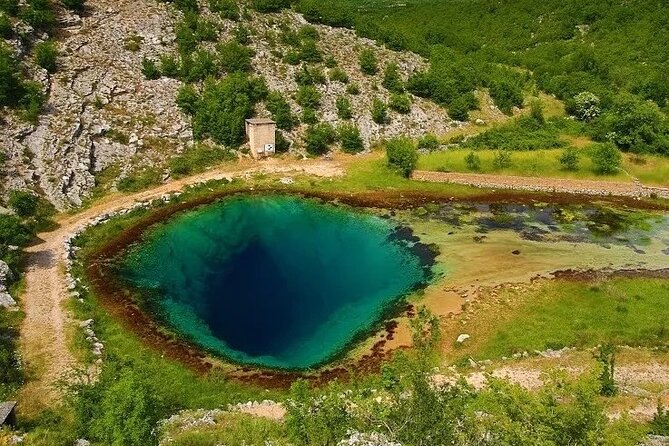
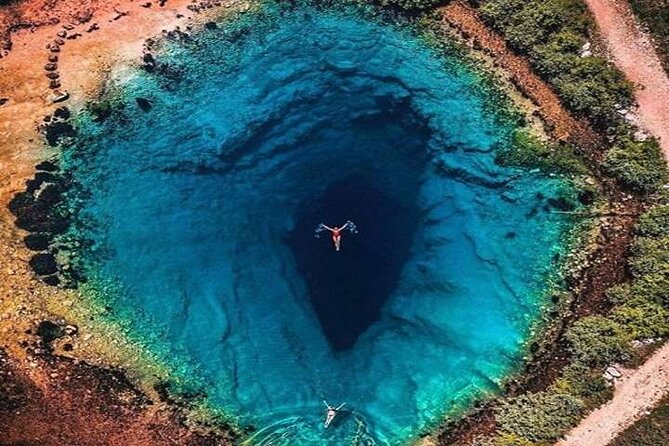
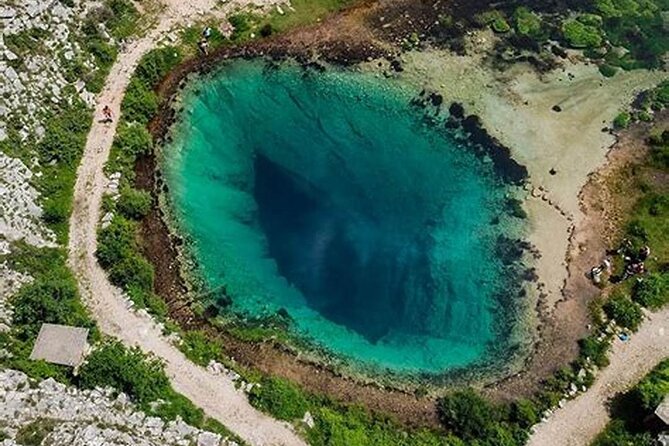
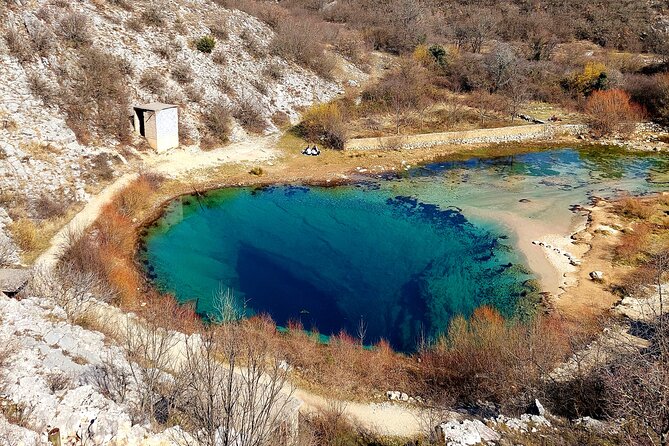
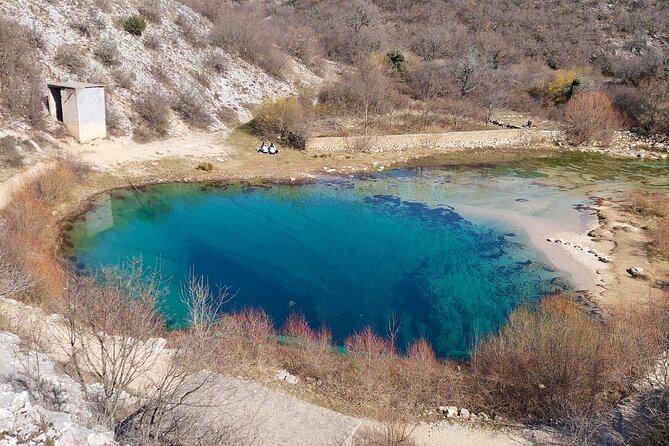
After Split, the tour heads toward the source of the Cetina River, sometimes described as the Eye of the Earth. This is the nature portion of the day and a sharp change from palace stone.
The water is known here for being clear and very cold. That detail matters because the stop is not simply a scenic photo pause. It gives you a direct look at the spring that feeds the river, with the unusual color and clarity that make the site memorable.
The outing includes a picnic, with fruit and pastries such as poppy-seed and cinnamon croissants noted as part of the spread. I appreciate this kind of stop because it keeps the food local and informal. You can pause outdoors, enjoy something simple, and let the pace loosen before the family meal.
The exact amount of time at the river source is not specified, so the duration may depend on the day’s schedule. Since Split, the river source, the home meal, and Trogir all fit into about six hours, you should not expect a long walk or extended time beside the water.
A family table with peka, wine, and homemade liquor
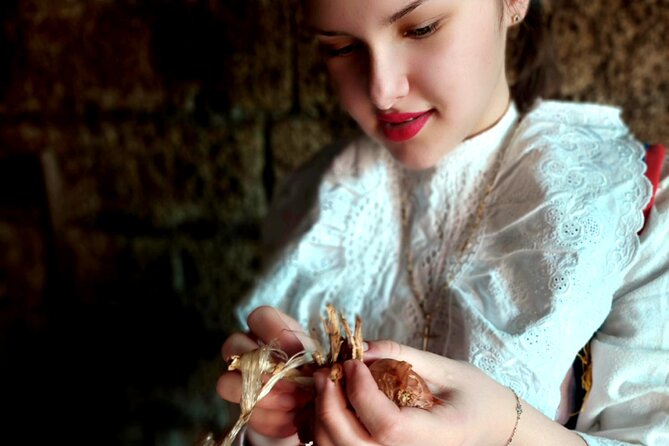
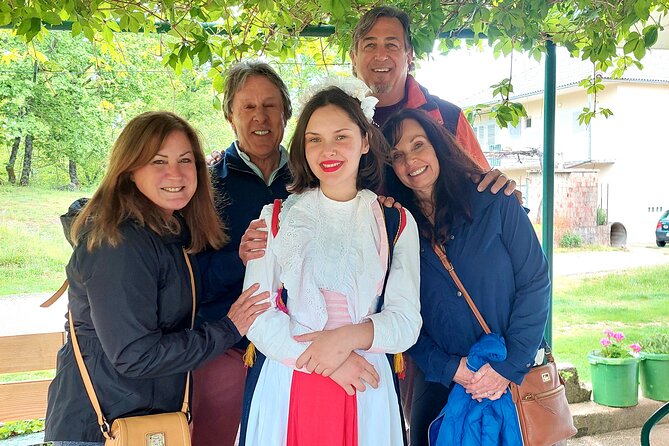
The meal at a local home is the most distinctive part of the tour. At the family house, a grandmother hosts the food experience, offering cheese, prosciutto, bread, wine, and a main dish of peka.
Peka is a traditional slow-cooked preparation, and here it is presented as the heart of the meal. The setting matters as much as the food. Instead of a standard restaurant table, you visit a local family and share dishes in a home environment.
Homemade wine and liquor are also included for sampling. That makes the stop a good fit if you want to understand how food and drink connect with family life in the region. It is not only a tasting in the technical sense. It is a chance to sit down, eat, and hear about local customs through a host family.
You should note the alcohol component when deciding if the tour suits your group. The information does not describe nonalcoholic alternatives, dietary substitutions, or a detailed menu beyond the foods mentioned, so ask Discovery Tours in advance if you have allergies or strict dietary needs.
The personal side of the meal receives the strongest praise in the supplied feedback. Daniela guides the route, while her grandmother provides the welcoming home setting. That combination is the reason this tour feels more personal than a simple Split and Trogir transfer.
Two hours in Trogir’s medieval center
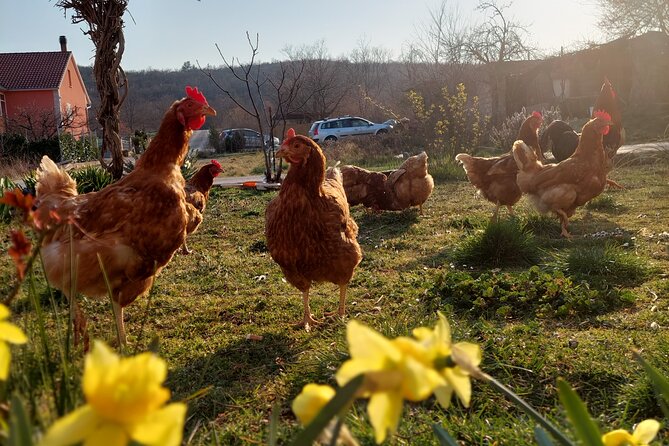
Trogir receives about two hours, making it the longest single sightseeing stop. Its old town is a UNESCO World Heritage site filled with narrow streets, medieval buildings, and Romanesque architecture.
I like Trogir as the second historic town because it contrasts with Split. Split is built around a huge Roman palace that has become a city. Trogir feels more compact and medieval, with Venetian influence visible in its stone buildings, squares, and waterfront setting.
The Cathedral of Saint Lawrence is one of the main sights. Its Master Radovan portal is particularly important, with detailed stonework that rewards a close look. The Town Hall in the main square adds Renaissance character, while the Loggia offers a place to pause and take in the surrounding scene.
Kamerlengo Fortress gives the town a stronger defensive edge. It is a fifteenth-century Venetian fortress with views over Trogir and the nearby sea. The preserved city walls help explain how the town was protected in earlier centuries.
Two hours should be enough to get your bearings, walk the main streets, and hear the key stories. It is not enough for a leisurely visit to every interior or a long fortress exploration. I like the approach for a first look, especially if you are staying in Split and want to add Trogir without arranging another transfer.
Daniela’s guiding style is useful here. She is praised for sharing personal experiences along with historical facts, and for keeping the pace comfortable. That human detail can make a short visit feel less like a checklist.
What the $389.77 price really buys
At $389.77 per person, this is not a budget sightseeing tour. The value depends heavily on your group size and how much you care about privacy, transport, and the hosted meal.
You are paying for a private activity, an air-conditioned vehicle, a guide, the Split and Trogir touring, the Cetina River visit, a picnic, and food and drink at a local home. Pickup is offered, and group discounts may reduce the per-person cost for some bookings.
For a couple, the price will feel steep. For a larger private group, the cost may make more sense, particularly if you would otherwise arrange separate transport, a guide, and a meal experience. The absence of listed admission charges for the Split stops also keeps the cost easier to understand.
I would compare this with the price of a private Split guide plus a separate Trogir transfer and restaurant meal. The tour’s advantage is not just convenience. It is the family setting and the chance to combine the river source with food that is prepared and served by local hosts.
The advertised average booking point is 47 days in advance. That suggests planning ahead is wise, especially if you are visiting during a busy period. Confirmation arrives at booking, and the mobile ticket makes access straightforward.
Timing, weather, and who should choose it
The start time is 9:30 a.m., and the outing lasts about six hours. Because the schedule includes several historic stops, a nature visit, lunch, and Trogir, I would treat the timing as structured rather than loose.
This tour suits you best if you want:
- A private day with only your own group
- A guide to connect Split’s Roman sites and Trogir’s medieval center
- A family-style Croatian meal
- Local wine and liquor tasting
- A short countryside break at the Cetina River source
- Pickup and air-conditioned transport
It may not suit you if you want a full day at the river, a long Trogir visit, or complete freedom to set the pace. It is also less useful for someone who has already spent several days exploring Split and wants a highly specialized archaeological tour.
Most people can participate, and service animals are allowed. The tour runs near public transportation, though pickup is offered. Good weather is required, so poor conditions can lead to a different date or a full refund.
The cancellation terms are fair but firm. You receive a full refund if you cancel at least 24 hours before the local start time. Cancellations or changes inside that window are not refunded or accepted. The same full-refund or rescheduling option applies if the tour is canceled because of weather or because the minimum number of participants is not reached.
Should you book this private Croatia day tour?
I would book it if you want a personal, food-centered day that links Split’s major sights with Trogir and a rural stop. The grandmother-hosted meal, peka, homemade wine, and Cetina River source give it a character that a standard city tour cannot match.
I would skip it if the $389.77 price is hard to justify or if you prefer to explore at your own speed. Six hours moves quickly, and the itinerary favors a broad introduction over long visits.
For couples, the cost requires a real interest in the hosted meal and private format. For families or small groups, the value improves. If Daniela is available for your date, her friendly approach and willingness to adjust the pace could be an important reason to choose this particular outing.
FAQ
How long does the private Split and Trogir tour last?
The tour lasts approximately six hours and begins at 9:30 a.m.
Is this a private tour?
Yes. Only your group participates in the activity, rather than joining a larger shared group.
What food and drinks are included?
The experience includes a picnic with local fruit and pastries, followed by food at a local home. The meal can include cheese, prosciutto, bread, peka, local wine, and homemade liquor.
Does the tour visit the source of the Cetina River?
Yes. The itinerary includes a visit to the source of the Cetina River, where the water is clear and very cold.
Is pickup available?
Yes. Pickup is offered, and the tour also operates near public transportation.
Can I cancel for a full refund?
Yes, if you cancel at least 24 hours before the experience’s local start time. Cancellations within 24 hours are not refunded. If poor weather or an insufficient minimum number of participants cancels the tour, you will be offered another date or experience, or a full refund.
Just added around Split
- Walking Tour Split★ 4.7 · 61 reviews
- Unique vintage Tomos moped tour Split – Back to the ’80s★ 4.8 · 17 reviews
- Trogir: White Lagoon, Maslinica & Blue Lagoon Speedboat Tour★ 4.8 · 11 reviews
- Essential Diocletian’s Palace Tour for First-Time Visitors★ 4.8 · 19 reviews
- Split: Trogir Open Top Bus Trip + Free Split Walking Tour★ 4.1 · 17 reviews
- Trogir; Private walking tour of higlights of Trogir★ 4.7 · 3 reviews
- Trogir: Old Town Guided Walking Tour★ 4.6 · 76 reviews
- TROGIR: Blue Lagoon & 3 Islands Half-day Speedboat tour★ 4.6 · 28 reviews
Split Tours, compared.
Krka Waterfalls Trip with Boat Cruise and Swimming
Read our review →
Blue cave, Mamma Mia and Hvar, 5 islands speedboat tour
Read our review →
Split/Trogir: Blue Cave, Mamma Mia, Hvar and 5 Island Tour
Read our review →
Blue Lagoon & 3 Islands Cruise with Lunch from Split
Read our review →