
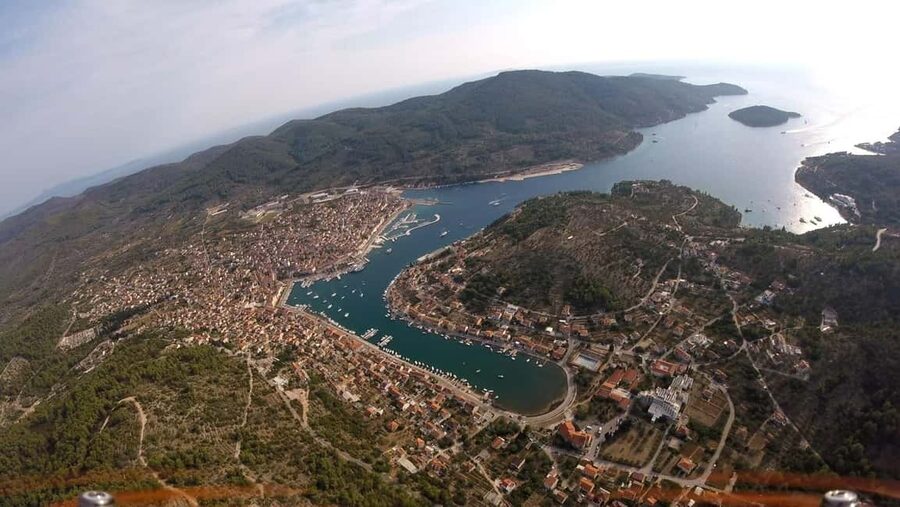
Reviewed · HISTORICAL TOURS
Korčula Eco Heritage Tour with Snacks
History tastes better outdoors. This Korčula walk links old farms, archaeology, local food, and island views in a personal way. I especially like the chance to learn about Korčula’s changing wine industry and to sample simple foods that sustained island families for generations. The small group, limited to 10 people, should also make it easier to ask questions and adjust the pace.
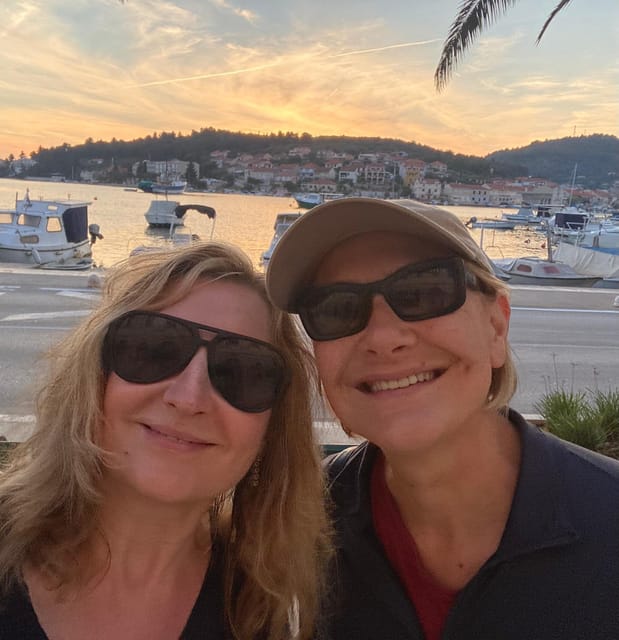
I also like the flexibility. You can meet in Korčula Town or Vela Luka, and the guide can shape the outing around your interests. Marinka has been praised for her warm manner and clear explanations of the island’s ecology and past. The main consideration is physical: the tour includes about a 20-minute hike, uneven outdoor ground, and a cave visit, so comfortable sports shoes are essential.
In This Review
- Key things to know before you book
- A two-hour walk through Korčula’s working past
- The archaeological sites and agricultural ground
- Korčula wine, from 19th-century success to decline
- From Yugoslavia to modern island life
- Local snacks that explain island life
- Herbs, trees, and the practical side of nature
- The cave visit and the island views
- Korčula Town or Vela Luka?
- Is $41 good value?
- What to bring and how to prepare
- Should you book the Korčula Eco Heritage Tour?
- FAQ
- How long does the Korčula Eco Heritage Tour last?
- Where can I meet the guide?
- Can I choose between Korčula Town and Vela Luka?
- What is included in the price?
- Is a full meal included?
- Is transportation included?
- What languages are available?
- How large is the group?
- What should I wear and bring?
Key things to know before you book
- Two meeting areas: Choose Korčula Town or Vela Luka, depending on where you are staying.
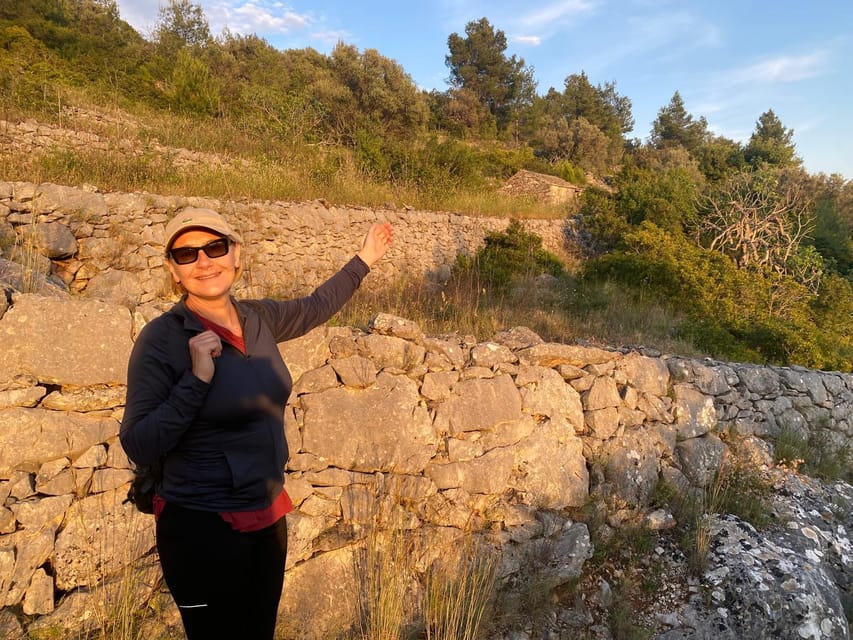
- A short hike leads to the sights: Expect about 20 minutes of walking to reach archaeological and agricultural sites.
- Food is part of the lesson: You will taste locally produced snacks tied to island life, along with a few sips.
- The story reaches beyond medieval Korčula: The tour covers 19th-century wine production, the Yugoslav period, and modern island values.
- Small groups keep it personal: Numbers are limited to 10 participants, with English, Croatian, and Russian available.
- Bring proper gear: Wear clothes that may get dirty, bring a sun hat and reusable water bottle, and leave the flip-flops behind.
A two-hour walk through Korčula’s working past
This is not a quick old-town stroll with a list of dates. It is a countryside walk that uses the island itself as the classroom.
The tour begins in either Korčula Town or Vela Luka. From the meeting point, you walk for roughly 20 minutes toward archaeological and agricultural sites. That first stretch matters because it moves you away from the usual harbor-and-stone-street view of Korčula and toward the ground that fed its people.
You will hear about what island residents grew, gathered, and ate. You will also be introduced to herbs and trees that helped local families survive through changing times. The information is practical rather than decorative. These plants are presented as part of everyday life, not merely as pretty Mediterranean scenery.
The full experience lasts about two hours, though the timing can change with the group’s mood and interests. If you enjoy asking questions about ecology, farming, or local customs, you may spend longer with the guide. That flexibility is useful, but it also means you should not expect a tightly timed sightseeing program with a fixed minute-by-minute schedule.
The supplied information contains one odd timing detail: the activity summary says 2 minutes, while the full description clearly says approximately two hours and explains a 20-minute hike. Treat the experience as a two-hour walk and check the available start time when booking.
More history tours in Korcula:
- Bits of History – Half day kayak Tour with Wine delight
★ 5.0 · 178 reviews - Lumbarda: Half-Day Kayaking and History with Wine delight
★ 5.0 · 49 reviews - (Official) Korcula Buggy: Our History, Food & Wine (Ana & Branko)
★ 5.0 · 27 reviews
The archaeological sites and agricultural ground
The first major appeal is the combination of archaeology and agriculture. You are not only looking at old remains. You are learning how past communities used the land around them.
The archaeological sites give the tour a sense of time. The agricultural areas show that history here was not made only in churches, town halls, or fortresses. It was also made in fields, vineyards, stone-walled plots, and the food stored for the next season.
The supplied details do not name each site, so you should not expect a list of famous monuments in advance. That is part of the tour’s character. The focus is on how people lived in the area, what they valued, and how the natural surroundings shaped their choices.
You should expect some walking over outdoor ground that may be dusty or uneven. Wear sturdy, comfortable shoes and clothes that can get dirty. A sun hat and reusable water bottle are sensible choices, especially because the tour is outdoors and the information specifically asks you to bring them.
The walk is not suitable for wheelchair users. That is important to know before booking, since the route includes a hike and a cave entrance.
Korčula wine, from 19th-century success to decline
Wine is one of the more interesting historical threads in this experience. You will learn about the rise and fall of wine production on Korčula during the 19th century.
That subject gives the island’s agricultural story some depth. A vineyard is never just a vineyard in a place where families depend on what the soil produces. Wine production affects work, trade, family income, and the way land is used. The rise of the industry suggests a period when wine mattered greatly to the local economy. Its later decline points to the fragility of island production and the pressures that can change a community’s future.
The tour does not present Korčula as a frozen picture of old vineyards and traditional food. Instead, it connects the older wine economy to later political and social changes. That broader view is valuable if you want more than a tasting stop.
You may not get the kind of technical wine lesson offered at a dedicated winery. The available details point to a wider discussion of agriculture, history, and local life, with snacks and some sips included. If you are mainly interested in grape varieties or a long formal tasting, this may not be the right choice. If you want to understand why wine mattered to the island, it should be a better fit.
From Yugoslavia to modern island life
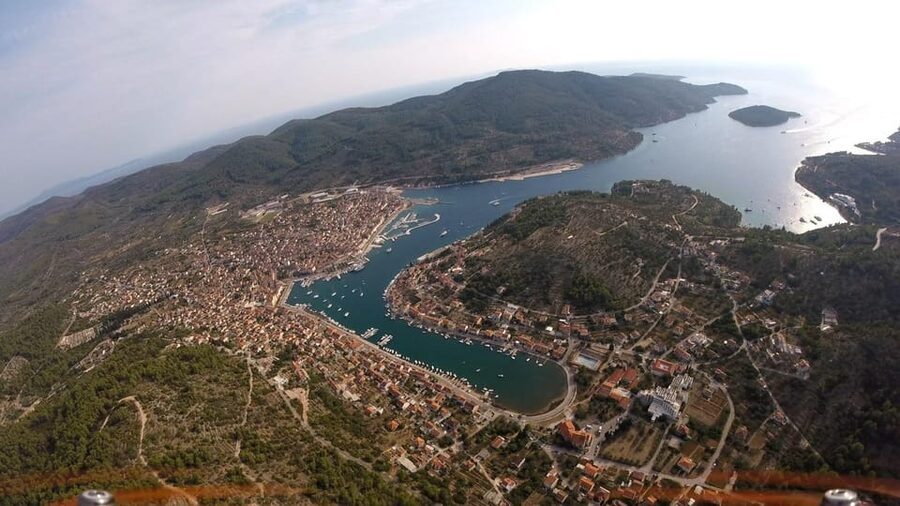
Many island tours stop before the 20th century. This one continues into the Yugoslav period and contemporary life.
That is a useful choice. Korčula’s identity did not end with its older agricultural traditions. People lived through political change, economic shifts, and new ideas about work and community. The tour asks what remains important to residents today and what values have carried across generations.
The information provided does not promise a political lecture. Instead, you can expect the guide to explain what kind of people have lived on Korčula, what mattered to them, and how island life has changed. This should appeal to you if you like social history told through ordinary habits rather than a long chain of rulers and battles.
The guide’s role is central here. Marinka has been singled out for making the walk interactive and for sharing her time generously. Her approach appears to favor conversation, so come ready with questions. A small group of no more than 10 people helps. You will have a better chance to ask about local food, farming, family life, and the Yugoslav years than you would on a large bus tour.
The tour is offered in English, Croatian, and Russian. You should select the language that best suits your booking, since the quality of a history walk depends on being able to follow the details and ask questions comfortably.
A few more Korcula trips worth comparing
- Korcula Buggy (Official) Safari Tour -Local Food & Wine Tasting-
★ 5.0 · 228 reviews - Multi Adventure Experience – Rafting with elements of canyoning
★ 5.0 · 162 reviews - Half-Day Boat Tour Korcula Archipelago
★ 5.0 · 105 reviews - Korčula 3 ISLAND CATAMARAN TOUR Badija – Vrnik – Stupe
★ 4.6 · 104 reviews
Local snacks that explain island life
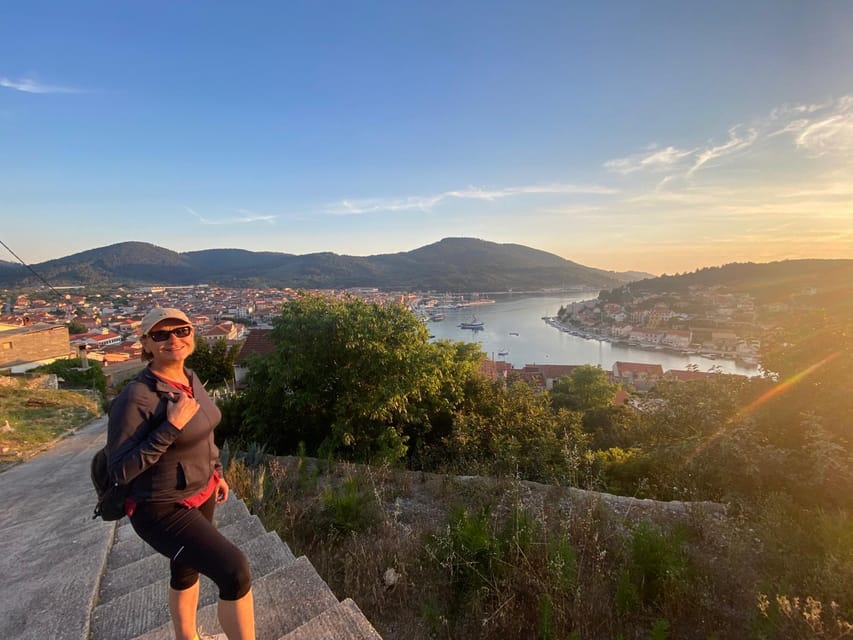
The food stop is simple, but it is more than a bonus bite.
You will be offered locally produced snacks connected to the staple foods of island families. The point is to taste what people grew, gathered, or relied on over the centuries. Food gives the history a physical sense. You are not only hearing about daily life. You are getting a small sample of it.
The exact snack menu is not specified, and you should not book this as a full meal. A full individualized meal is not included. Think of the food as a modest tasting that supports the story, not lunch replacement.
You will also have some sips alongside the snacks. The wording does not specify every drink, so avoid assuming this is a full wine tasting or a large beverage service. The value lies in the connection between the food, the land, and the people who lived here.
This is one of the strongest parts of the experience because it helps you understand why certain crops and herbs mattered. A local food tasting can easily become a forgettable photo stop. Here, it is tied to survival, tradition, and changing agriculture.
If you have allergies or dietary restrictions, ask before booking. The supplied information does not give a menu or promise substitutions.
Herbs, trees, and the practical side of nature
The guide introduces herbs and trees along the way. These are described as crucial to local survival throughout history.
That wording suggests a practical nature walk rather than a botanical tour aimed at specialists. You will learn how the island’s plants fit into daily life, food, and perhaps other traditional uses, though the exact uses of each plant are not listed.
I like this approach because it helps you look at the path differently. A tree or herb that might otherwise blend into the background becomes part of the island’s story. The lesson also fits the wider theme of the tour: Korčula was shaped by people working with limited land and available resources.
Nature lovers may especially appreciate the chance to pause and ask questions. The walk is flexible, so the guide can spend more time on plants and ecology if that is what interests you. If you prefer a fast schedule, the conversational pace may feel less structured.
You should also remember that the tour takes place outdoors. Bring water, protect yourself from the sun, and wear shoes with a good grip. Flip-flops are specifically discouraged, and for good reason.
The cave visit and the island views
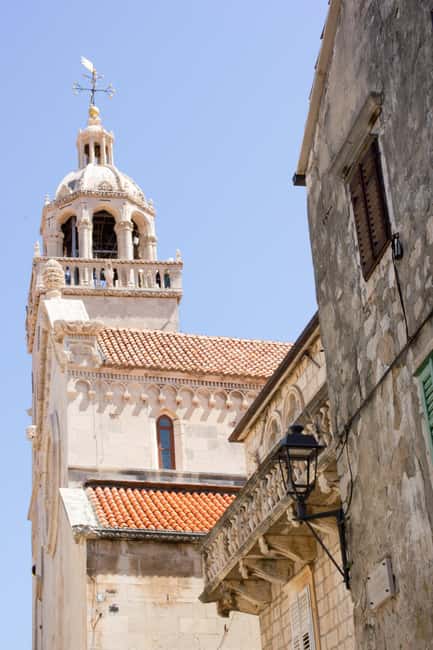
An entrance ticket to the cave is included. The available information does not name the cave or describe its size, lighting, or interior features, so I would treat it as one part of the route rather than the sole reason to book.
The cave adds another layer to the outing. It changes the setting from open agricultural ground to a more enclosed natural site, and it gives the guide another way to explain how people used and understood the island’s environment. Since the tour includes archaeological and agricultural sites as well, the cave fits into a wider story rather than a stand-alone attraction.
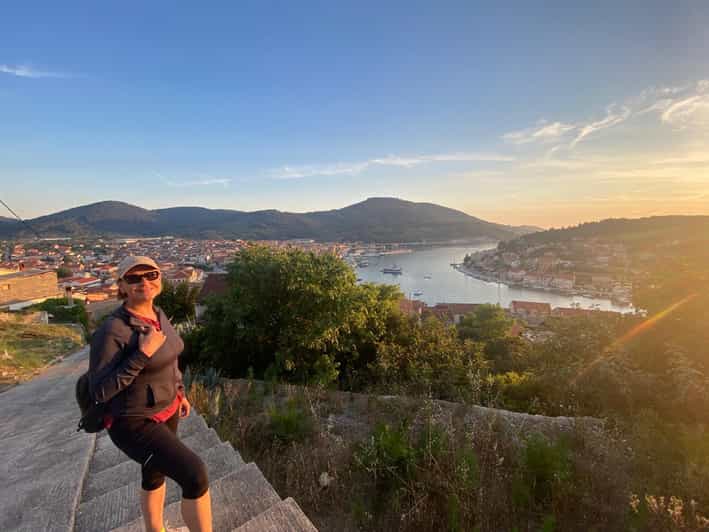
At some point, you will reach views that are described as especially striking. This is a good place to have your camera ready. The tour is designed to give you memorable island photographs, but the views are paired with context about the land below, which makes the stop more meaningful than a quick photo break.
The route’s exact difficulty is not rated in the information provided. The 20-minute hike and request for sporty clothing tell you enough to plan sensibly. If you have mobility concerns, ask for route details before booking. Wheelchair access is not available.
Korčula Town or Vela Luka?
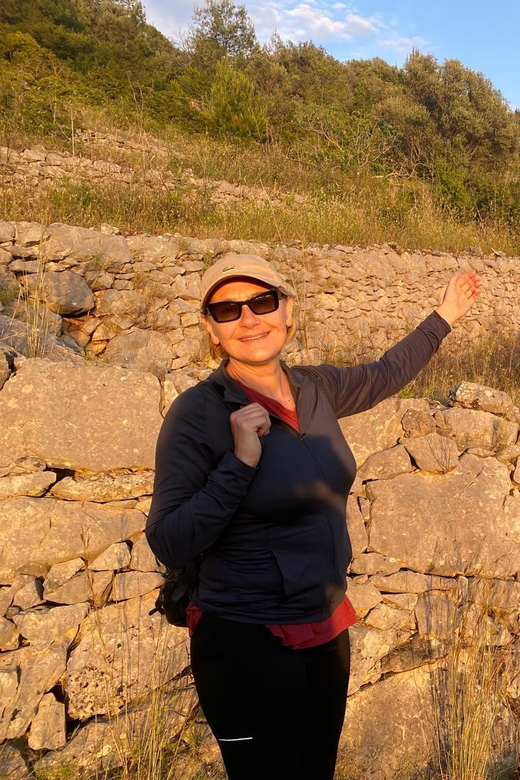
The choice of starting point is one of the tour’s practical strengths.
In Korčula Town, the meeting point is at Korčula Spot Mall, near the Jysk shop. In Vela Luka, meet in front of St. Joseph Church, near the staircase. Check which location you selected so you do not wait at the wrong end of the island.
The tour is designed for both places, so it can work well with different island itineraries. If you are staying in Korčula Town, you do not need to travel to Vela Luka for the experience. If you are based in Vela Luka, you can take the walk without arranging a separate transfer to the eastern side.
Car transfers are not included. You are responsible for reaching the meeting point and returning afterward. That is easy to overlook when planning a day on Korčula, where roads and travel times may affect your schedule. Allow enough time to arrive calmly, especially if you are coming from another part of the island.
The guide is flexible about meeting at either location, but you should confirm the chosen town and starting time during booking.
Is $41 good value?
At $41 per person, this tour offers a fair value if you want interpretation rather than simple transport or a formal meal.
The price includes a fully guided walk with an experienced and certified guide, cave admission, locally produced snacks, and some drinks. You are also paying for a small group experience, with no more than 10 participants. That matters because the tour’s strongest features are conversation, questions, and the ability to adjust the discussion to your interests.
The value is less obvious if you are looking for a major monument, a large meal, or a long wine tasting. The snacks are not a full individualized meal, and transport is not included. You also need to make your own way to the meeting point.
I would compare it with the cost of a standard sightseeing outing, then ask what kind of memory you want. For $41, you get a guided look at agriculture, ecology, archaeology, wine production, Yugoslav-era life, and present-day values. That is a good bundle for a curious visitor who wants to understand Korčula beyond its postcard views.
The perfect audience is a couple, solo visitor, or small family group that enjoys walking and asking questions. It is less suitable for anyone needing step-free access, anyone wearing unsuitable shoes, or anyone who wants a tightly scripted tour with no flexibility.
What to bring and how to prepare
Keep your packing simple:
- Comfortable sports shoes, not flip-flops
- A sun hat
- A reusable water bottle
- Clothes that can get dirty
- A camera or phone for the views
You should also leave room for a snack-sized tasting rather than arriving hungry for lunch. The tour includes food, but not a full meal.
Free cancellation is available up to 24 hours before the experience for a full refund. You can also reserve and pay later, which helps if your island plans are still changing. Health insurance is not included, so you remain responsible for your own coverage.
The walk is offered in English, Croatian, and Russian. It is a small-group tour, not a private tour, but the limited numbers should keep the atmosphere personal.
Should you book the Korčula Eco Heritage Tour?
Book it if you want Korčula explained through its fields, food, plants, archaeology, and changing communities. The combination of local snacks, the cave entrance, flexible discussion, and views gives the two-hour outing a clear sense of place. Marinka’s friendly, interactive approach is another reason to expect a warm experience.
Skip it if you need wheelchair access, dislike outdoor walking, or want a full meal and formal wine tasting. Also think twice if your schedule cannot allow roughly two hours, plus time to reach the meeting point without included transport.
For most curious visitors, the $41 price is sensible. You get a closer look at the island’s working past and present, not just another pass through the old streets. Wear real shoes, bring water, and arrive ready to taste a little history.
FAQ
How long does the Korčula Eco Heritage Tour last?
The full experience lasts approximately two hours. The walk to reach some archaeological and agricultural sites takes about 20 minutes.
Where can I meet the guide?
In Korčula Town, meet at Korčula Spot Mall near the Jysk shop. In Vela Luka, meet in front of St. Joseph Church near the staircase.
Can I choose between Korčula Town and Vela Luka?
Yes. The tour is designed to take place in either Korčula Town or Vela Luka.
What is included in the price?
The price includes a fully guided tour with an experienced and certified guide, entrance to the cave, and snacks.
Is a full meal included?
No. Snacks are included, but a full individualized meal is not.
Is transportation included?
No. Car transfers are not included, so you must arrange your own transportation to and from the meeting point.
What languages are available?
The tour is offered in English, Croatian, and Russian.
How large is the group?
The tour is limited to 10 participants.
What should I wear and bring?
Wear comfortable sporty clothes and sturdy shoes. Do not wear flip-flops. Bring a sun hat, reusable water bottle, and clothes that can get dirty.
Just added around Korcula
- 1 Hour Private Walking Tour in Korcula★ 5.0 · 64 reviews
- Korčula for Early Risers and Coffee Lovers Private Walking Tour★ 4.5 · 3 reviews
- Island Stupe / Moro Beach Transfer★ 4.0 · 5 reviews
- Korcula 3 Islands Tour – Badija – Vrnik – Stupe (shared tour)★ 4.5 · 39 reviews
- Island Badija – Yellow Taxi Cat★ 3.5 · 6 reviews
- Croatia Islands Private Hike & E -Bike Tour on Korcula Island★ 5.0 · 6 reviews
- Boat discovery: private one-day Korčula adventure★ 5.0 · 9 reviews
- Wine & Sightseeing Tour Korcula★ 4.5 · 99 reviews
Historical Tours, compared.
Walking Tour of Split with a ‘Magister’ of History
Read our review →
Split History and Gastro Small-Group Tour with Food and Drinks
Read our review →
PREMIUM Emperor’s Walking Tour for History Lovers + Museum
Read our review →Browse the lists this tour appears in