
Reviewed · HISTORICAL TOURS
Early Bird Dubrovnik History Tour – 7:30 Start
Dubrovnik is best before breakfast. This 7:30 walking tour gives you a calm first look at the Old Town, when the marble streets are cooler, the light is soft, and large groups have not yet filled the lanes. I especially like the early start for photos and the way local guides such as Daniela, Mihaela, Ivana, Petra, and Roko connect ancient events with modern Dubrovnik.
I also like the practical orientation. You learn where Stradun, Pile Gate, Lovrjenac Fortress, and the quieter side streets fit together, then finish near the heart of the city with time left for coffee or the city walls. The main drawback is simple: you must be ready to meet at 7:30, and one guest felt too much time was spent outside the walls before entering the Old Town.
In This Review
- Key points at a glance
- Why 7:30 is the right time in Dubrovnik
- Meeting beside Pile Gate
- Lovrjenac Fortress and the Pile approach
- Prijeko Street and the quieter side of town
- Stradun, squares, and the Old Town’s main story
- Ending at Pile Gate, with time to continue
- Guides who make the history personal
- What $24.20 buys you
- Who should book this early walk
- Booking and practical details
- Should you book the Early Bird Dubrovnik History Tour?
- FAQ
- What time does the Dubrovnik history tour start?
- Where does the tour meet?
- Where does the tour finish?
- How long does the tour last?
- Is the tour offered in English?
- What happens if the weather is poor or the minimum group size is not reached?
Key points at a glance
- 7:30 start: See Dubrovnik before the day’s crowds and heat build up.
- Local voices: Guides including Daniela, Mihaela, Ivana, Petra, Davor, and Roko bring personal stories as well as dates and facts.
- Pile Gate setting: Begin at Brsalje ul. 2, beside the main approach to the Old Town.
- Recent history included: The 1990s war is explained with care, giving useful context to the city you see today.
- Small groups can happen: The limit is 30 people, though several bookings had only five participants.
- A useful first-day tour: You finish near Pile Gate, well placed for more exploring, the walls, or breakfast.
Why 7:30 is the right time in Dubrovnik
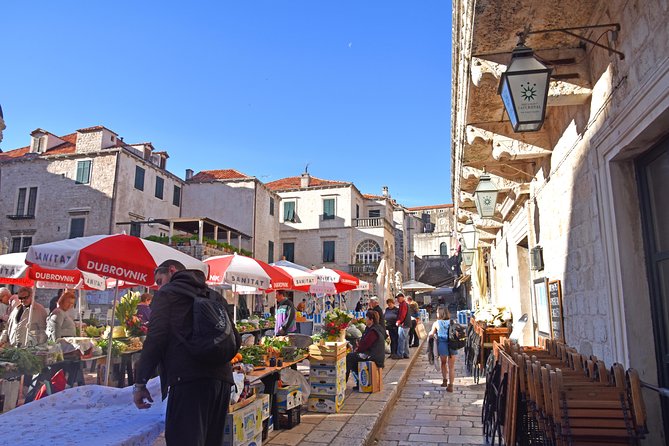
Dubrovnik’s Old Town can feel very different at 7:30 than it does later in the morning. The narrow streets have breathing room, the limestone paving catches the early light, and you can stop for a photograph without blocking a steady stream of people.
That matters most around Stradun and the lanes near Pile Gate. By late morning, cruise groups and other sightseeing parties can make the main street feel more like a moving queue than a historic town. An early walk lets you notice the proportions of the buildings, the polished stone, and the small details above doorways before the noise rises.
The cooler hour is another real advantage. Dubrovnik can become hot, especially when you are walking on stone and standing in open squares. Several families appreciated that the early timing kept the temperature comfortable, and one group found that even teenagers stayed interested.
You should still be honest with yourself about the alarm clock. This is not the tour for a slow holiday morning or a late arrival after a long evening. It works best on your first full day, when the early start pays you back with orientation and extra time afterward.
More history tours in Dubrovnik:
- Dubrovnik Old Town History Walking Tour
★ 5.0 · 1,684 reviews - Game of Thrones & History of Dubrovnik Tour
★ 5.0 · 628 reviews - Dubrovnik: Old Town History Walking Tour
★ 4.9 · 474 reviews
Meeting beside Pile Gate
The tour begins at Brsalje ul. 2, close to Pile Gate and near public transportation. This is a useful starting point because Pile is one of the clearest reference points in Dubrovnik. If you are staying outside the Old Town, you can use the nearby transport links and avoid wandering through unfamiliar streets before sunrise.
At the start, the guide gives you a short introduction to Dubrovnik’s layout and past. That opening is not just a list of dates. It helps you understand the relationship between the walls, the harbor, the fortress, and the main street you will soon walk.
The meeting area also sets up the first part of the story. Pile Gate is the traditional land entrance, and the space around it shows how carefully Dubrovnik controlled movement into the city. Bring your booking confirmation on your phone, arrive with enough time to locate the guide, and wear shoes suited to polished stone.
The tour is offered in English. Service animals are allowed, and most people can take part. The group limit is 30, though the actual size may vary. Small groups of five made it easier to hear, ask questions, and chat with the guide, but you should not book on the assumption that every departure will be that intimate.
Lovrjenac Fortress and the Pile approach
The walk then explores the area around Lovrjenac Fortress and Pile Gate. You do not pay an admission fee for this part of the experience, and the focus is on the setting, the fortifications, and the views rather than a separate fortress visit.
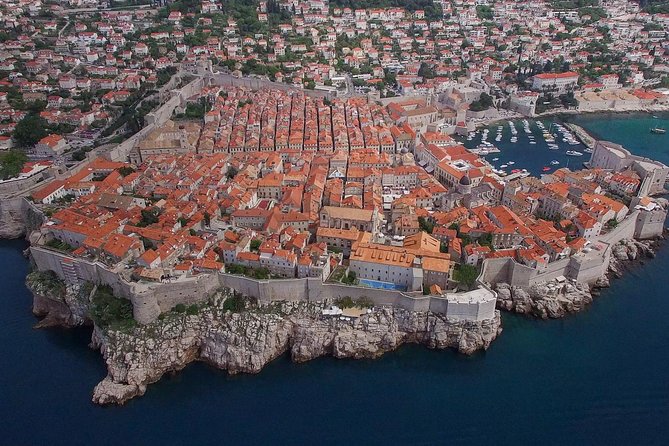
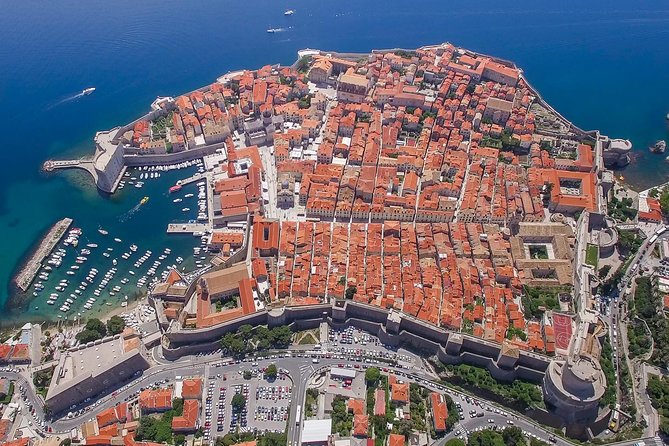
Lovrjenac is an excellent place to begin thinking about Dubrovnik as a fortified maritime republic. From the bay and nearby streets, the guide explains how the city’s defenses shaped daily life and protected its access from the sea. The early hour gives you a clean view toward the walls and harbor, with fewer people in the frame.
This section also gives you a feel for the city beyond its postcard appearance. Dubrovnik is not only a collection of handsome stone buildings. Its walls, gates, harbor, and steep approaches reveal a place built around trade, defense, and controlled access.
One small point deserves attention. The tour description presents this early section as part of the route around Pile, and the full walk later enters the Old Town streets. If your main goal is to get inside the walls immediately, you may find the introduction a little slow. One four-star rating specifically raised that concern. The trade-off is that the guide has more time to explain the setting before the street-by-street walk begins.
Prijeko Street and the quieter side of town
Prijeko Street brings you into a different mood. Instead of staying only on the famous route, the guide takes you through lesser-known alleys, small squares, and quieter viewpoints.
This is where the tour becomes especially useful for a first visit. You get more than a quick look at landmarks. You learn how the streets connect, where you might return later, and which parts of the Old Town deserve a second look when you explore independently.
Guides also share local tips about places to eat, coffee stops, and things to avoid. Ivana was praised for recommending a good coffee spot to an early-rising group, while another guide helped point out places to eat after the walk. These tips can be worth as much as another historical fact, particularly if this is your first morning in Dubrovnik.
The personal touch varies by guide, as it does on any walking tour. Daniela’s explanations of the 1990s war were described as sensitive and moving. Roko brought local experience and formal historical study to his storytelling. Mihaela, Petra, Ivana, Davor, and others were praised for friendly delivery, clear answers, and a relaxed pace.
A few more Dubrovnik trips worth comparing
- Blue Cave Small-Group Boat Tour from Dubrovnik
★ 5.0 · 9,360 reviews - Full-Day Dubrovnik Elaphite Islands Cruise with Lunch and Drinks
★ 5.0 · 8,823 reviews - Dubrovnik: Epic Game of Thrones Tour + Lokrum & Saver Option
★ 4.9 · 5,995 reviews - Dubrovnik: Elaphiti Islands Full-Day Cruise with Lunch
★ 5.0 · 5,938 reviews
Stradun, squares, and the Old Town’s main story
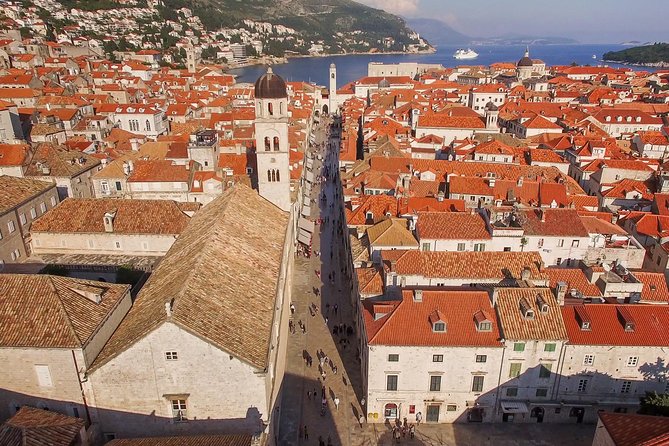
The longest portion of the walk covers Stradun, Dubrovnik’s main promenade, along with its squares, side streets, and notable buildings. This is the core of the orientation.
Stradun is easy to recognize, but it is more rewarding when you understand how it functions as the Old Town’s spine. From here, side lanes lead toward churches, public spaces, shops, and quieter corners. The guide points out architectural details and links them to the city’s changing past.
I like this part because it prevents Dubrovnik from becoming a checklist of famous views. You are not simply told to admire a street. You learn how the street relates to the rest of the town and where to turn when you come back on your own.
The route also leaves room for questions. Multiple guides were praised for giving clear answers and adjusting the pace so the group could keep up without feeling rushed. That balance matters on a walking tour. Too fast, and you remember only names. Too slow, and the early start begins to feel like a penalty.
The historical coverage reaches from ancient and medieval Dubrovnik to the modern period. The discussion of the 1990s war is a major strength. It gives you a better understanding of damage, recovery, and the emotional weight behind some of the city’s restored buildings. The subject is handled with sensitivity rather than treated as a dramatic extra.
Ending at Pile Gate, with time to continue
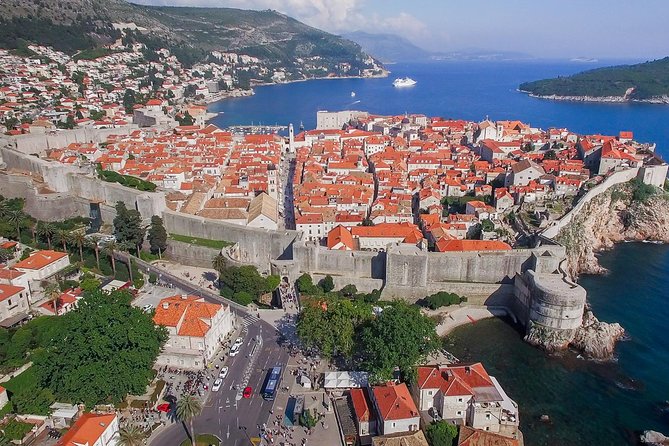
The walk finishes inside the Old Town near Pile Gate. That makes the tour practical as well as informative. You are not dropped far from the sights. You can stay inside the walls, return to a street you want to photograph, find a morning coffee, or continue to another attraction.
One particularly useful plan is to follow the tour with the city walls. A guest who already had a Dubrovnik Pass walked directly to the wall entrance at Pile after the tour. The pass also covered city bus rides, which helped with transport between the Old Town and accommodation. The tour itself does not include the wall admission, so check your separate plans before assuming entry is part of the morning.
The five-minute closing stop at Pile Gate is brief, but that is a benefit. You have already received the main orientation. The remaining morning belongs to you.
Guides who make the history personal
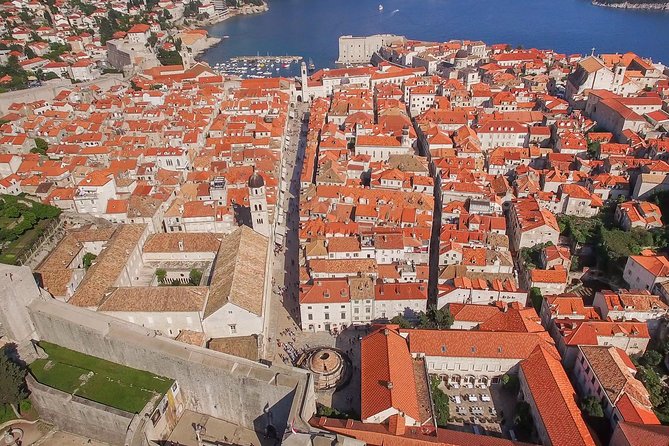
The strongest part of this experience is the human delivery. The guides are not presented as interchangeable audio tracks. They bring different strengths to the walk.
Daniela was praised for clear explanations and especially for her treatment of the 1990s war. Her personal warmth helped make a difficult subject understandable. Mihaela was repeatedly noted for her friendly manner, useful answers, and strong grasp of the city’s story.
Roko’s local background and history studies gave his talk a personal connection to Dubrovnik. Petra was praised for bringing the Old Town to life, while Ivana combined professional presentation with practical advice. Davor was appreciated for a relaxed and friendly style.
That range means the exact character of your morning depends on who leads it. Most of the praise centers on guides who are warm, clear, and easy to question. One less favorable rating found the guide informed but not very lively. That is a fair reminder that a walking tour’s quality depends heavily on the individual guide and the group’s energy.
What $24.20 buys you
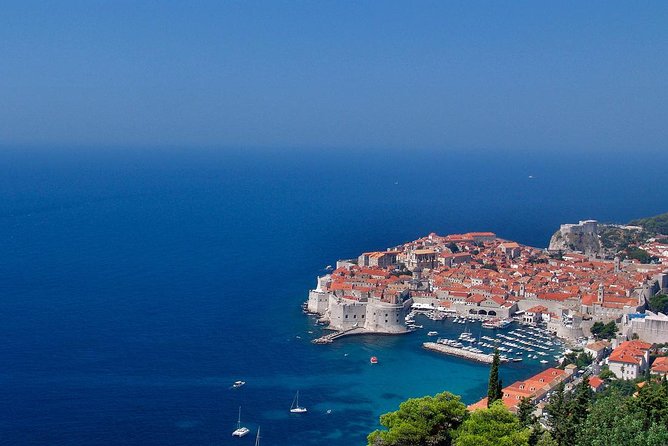
At $24.20 per person, this is a modestly priced introduction to Dubrovnik. You are paying for about 1 hour and 40 minutes with a guide, not for entry to the city walls, Lovrjenac Fortress, museums, or other paid sights.
The value comes from timing and context. You could walk Stradun alone for free, but you would need to work out the city’s layout, choose worthwhile side streets, and piece together the historical story yourself. The guide saves that effort and gives you a practical plan for the rest of your visit.
The early start adds value that a standard midday walk cannot easily match. You get better conditions for photos, cooler weather, and a quieter look at the Old Town. If you are in Dubrovnik for a short stay, that efficient first orientation can prevent wasted time later.
It is less suitable if you want an in-depth architectural lecture or extended access to individual monuments. The tour is broad by design. It gives you a useful snapshot, then leaves you free to return to the places that catch your interest.
Who should book this early walk
I would choose this tour if you are visiting Dubrovnik for the first time and want a clear sense of direction from the start. It is also a good fit if you are arriving during cruise season, dislike packed streets, or care about taking photographs without large groups in the background.
Families can benefit from the short duration and cooler hour. One guide managed to keep three teenagers engaged, which is no small achievement when the subject includes centuries of history.
This also suits people who want modern context, not just medieval walls and attractive streets. The discussion of the 1990s war adds emotional and political background to the city you are seeing.
You may want another type of experience if you prefer sleeping late, need extensive time inside paid attractions, or want a very private tour. The maximum group size is 30, and although some departures have been much smaller, a full group will feel less personal than a party of five.
Booking and practical details
Confirmation is provided at booking, and the mobile ticket makes it easy to carry the details on your phone. The meeting point is near public transportation, but one piece of practical advice is worth noting: make sure you know the exact starting point before leaving your accommodation.
Free cancellation is available up to 24 hours before the start time for a full refund. Changes or cancellations made less than 24 hours before the start are not accepted for a refund. The tour depends on suitable weather and a minimum number of participants. If poor weather or low numbers cause cancellation, you are offered another date or experience, or a full refund.
Wear comfortable shoes and bring water. The tour is not long, but Dubrovnik’s stone streets and outdoor setting make sensible footwear useful. An early layer can also help before the day warms up.
Should you book the Early Bird Dubrovnik History Tour?
Book it if you want a calm, useful first look at Dubrovnik. The low price, early light, local storytelling, and finish near Pile Gate make it a smart opening activity, especially for first-time visitors and short stays.
The best plan is to take it near the beginning of your visit, then use the guide’s advice for the rest of the day. Continue to the walls if that is on your list, return to the side streets you liked, and stop for the coffee recommendation that may keep the early start pleasant.
Skip it only if 7:30 feels unreasonable or you want a tour centered on one paid monument. For most people who can rise early, this is a practical way to see Dubrovnik before the city gets crowded.
FAQ
What time does the Dubrovnik history tour start?
The tour starts at 7:30 in the morning.
Where does the tour meet?
The meeting point is Brsalje ul. 2, 20000 Dubrovnik, Croatia, close to Pile Gate and public transportation.
Where does the tour finish?
The tour ends inside the Old Town near Pile Gate, at Dubrovačke Gradske Zidine.
How long does the tour last?
The walking tour lasts approximately 1 hour and 40 minutes.
Is the tour offered in English?
Yes. The experience is offered in English.
What happens if the weather is poor or the minimum group size is not reached?
If the tour is canceled because of poor weather or insufficient participation, you are offered another date or experience, or a full refund.
Just added around Dubrovnik
- Full- Day Private Speedboat Tour in Dubrovnik on Elaphiti Islands★ 5.0 · 21 reviews
- Elaphiti Islands Private Dubrovnik Boat Unique Experience★ 5.0 · 10 reviews
- PRIVATE Wine Tour to Konavle country side★ 5.0 · 11 reviews
- Wine Lover’s Tour of Peljesac Peninsula★ 5.0 · 150 reviews
- Wine tour peninsula Pelješac★ 5.0 · 3 reviews
- Parasailing in Cavtat★ 5.0 · 62 reviews
- Welcome to Dubrovnik Walking Tour★ 5.0 · 36 reviews
- Dubrovnik at War 1991-1992 Private Walking Tour★ 5.0 · 4 reviews
Historical Tours, compared.


Walking Tour of Split with a ‘Magister’ of History
Read our review →

Split History and Gastro Small-Group Tour with Food and Drinks
Read our review →
PREMIUM Emperor’s Walking Tour for History Lovers + Museum
Read our review →Browse the lists this tour appears in