
Reviewed · COOKING CLASSES
Traditional Cooking Class in Dubrovnik Countryside
Fresh food tastes better outdoors. This five-hour Dubrovnik countryside experience takes you from hotel pickup to a family farm, where you help gather ingredients, prepare traditional dishes, and sit down to a generous Dalmatian meal. I especially like the farm-to-table setting and the warm family welcome. The main thing to consider is that this is as much a cultural visit and shared meal as it is a formal cooking lesson.
You’ll spend time in the garden, around farm animals, in the family kitchen, and at the dining table. Homemade wine, liqueurs, cured meats, olive oil, family stories, and views across the hills give the outing a character you will not get in a Dubrovnik restaurant. If you want precise recipes and advanced technique, though, this may feel too informal.
In This Review
- What makes this countryside experience special
- Leaving Dubrovnik for the family farm
- A welcome with grappa, liqueur, and local snacks
- Picking the meal from the garden
- Cooking bread, soup, pasta, and local dishes
- Watching traditional food finish over fire
- The four-course meal is the real payoff
- Stories, old stone buildings, and a slower afternoon
- Price, timing, and who gets good value
- Is this the right Dubrovnik food experience for you?
- FAQ
- How long does the traditional cooking experience last?
- Is hotel pickup included?
- How many people can join?
- Is the experience offered in English?
- What food is included?
- Can vegetarian guests participate?
- Can I cancel for a full refund?
What makes this countryside experience special
- Garden-picked ingredients: You may collect vegetables, herbs, and eggs before using them in the meal.
- A multigenerational family home: The visit offers a personal look at farming, food traditions, and family life near Dubrovnik.
- Cooking over traditional methods: Depending on the day, you may make bread, pasta, soup, cookies, or other local dishes while seeing meat prepared over an open fire.
- A generous Dalmatian feast: The meal includes cured meats and cheeses, soup, a meat or fish main course, seasonal vegetables, and a local dessert.
- Homemade drinks: Wine, coffee, tea, and homemade liqueurs are included.
- Easy transport: Private car or minivan pickup and drop-off are provided from your accommodation in Dubrovnik and nearby areas.
Leaving Dubrovnik for the family farm
The experience begins with pickup near your hotel or private accommodation in Dubrovnik and the surrounding area. That small detail matters. You do not need to figure out a rural meeting point or arrange a taxi for the return trip, and the drive gives the day a clean break from Dubrovnik’s crowded old streets.
Oliver is named as a pickup host in several accounts, and his role can include explaining the nearby towns along the way. The transport is by private car or minivan, so you are not joining a large coach group. The activity normally has at least two people, with a stated maximum of eight per booking and no more than ten people overall.
That size suits this kind of visit. You can ask questions, work beside the host, and talk with the other people at the table without feeling like you are part of a busload. It also means the atmosphere may depend on the mix of people joining you. For solo visitors, the family-style setting and small group can make the experience feel easy and social.
More cooking classes in Dubrovnik:
- Traditional Dalmatian Cooking Class from Dubrovnik
★ 5.0 · 49 reviews - Authentic Garden to Table Cooking Class in Dubrovnik Countryside
★ 5.0 · 17 reviews - Croatian Traditional Cuisine: Peka Cooking Lesson
★ 5.0 · 10 reviews
A welcome with grappa, liqueur, and local snacks
Arrival is often treated as a visit to someone’s home rather than a quick lesson. The family may greet you with a homemade drink such as rose grappa or carob liqueur, along with small sweets or other traditional snacks.
The drinks are not just extras. They introduce the produce and habits of the household before you begin cooking. Homemade wine, olive oil, cured meats, sausages, jams, liqueurs, and pickled vegetables may all be made or grown by the family. You can taste these products during the visit, then buy items such as wine, olive oil, liqueurs, jams, or olive-themed souvenirs separately if you wish.
Go slowly with the alcohol. Grappa, wine, and liqueur can appear at several points during the day, and the food portions are substantial. This is one outing where coffee or tea at the end can be a sensible choice.
Picking the meal from the garden
The most appealing part of the day is the connection between the garden and the plate. You may walk through the property with the host and select seasonal vegetables and herbs for the meal. Accounts describe potatoes, eggplant, carrots, tomatoes, mint, basil, cucumbers, and other produce being gathered.
Egg collection can also be part of the visit. You may see chickens and collect fresh eggs for bread, pasta, soup, or another dish. Depending on the property and the weather, the garden portion may change. If the ground is wet, you may prepare vegetables indoors rather than pick them yourself.
That flexibility is worth understanding. The day is built around what the farm is growing and what the family is cooking, not around a fixed restaurant-style menu. You get a more genuine sense of seasonal food, but you should not expect to select every dish or receive the same exact sequence on every date.
The farms described in the experience can include much more than a vegetable patch. You might see olive trees, vineyards, fruit trees, herbs, chickens, goats, sheep, pigs, rabbits, horses, a donkey, or newly born animals. Milking a goat has been part of some visits. These activities add charm, but they also make clear that the heart of the experience is rural life, not a professional kitchen classroom.
Cooking bread, soup, pasta, and local dishes
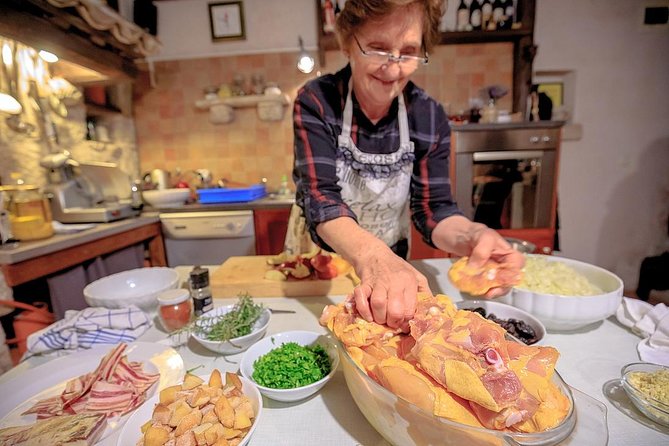
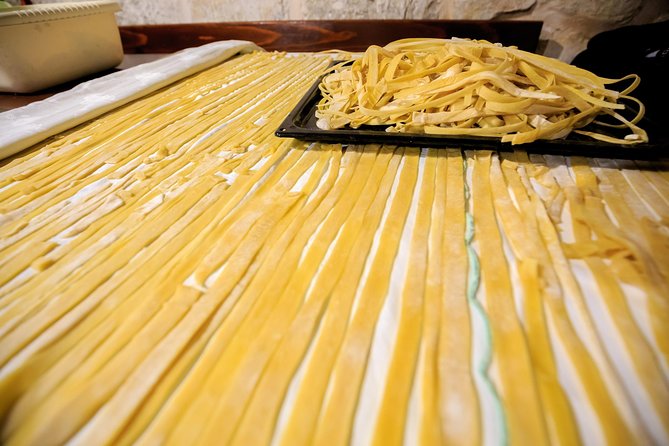
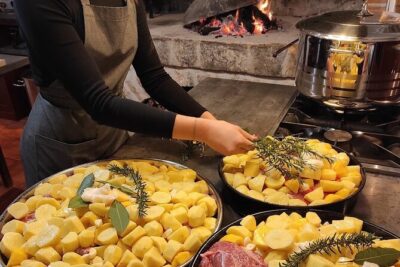
The hands-on work varies, but the most commonly described activities include cleaning and chopping vegetables, kneading dough, making bread, preparing soup, assembling pasta, and making a simple dessert. Traditional bread may be made by hand with flour, yeast, salt, sugar, and water from the family well.
You might also help prepare semolina dumplings, lentil soup, vegetable soup, quiche, fresh pasta, cookies, or a local cake. Some accounts describe cookies similar to funnel cakes, while others mention several kinds of yeast bread. The exact recipes depend on the host family and the day’s meal.
The cooking is approachable. You do not need professional experience, and the class is suitable for people who want to work with their hands without being tested on knife skills. I like that the food is connected to ordinary household methods rather than restaurant tricks. You see how a family uses garden produce, preserves meat, bakes bread, and turns simple ingredients into a full meal.
Here is the important qualification: the amount of instruction may not satisfy someone looking for a structured culinary course. Some people have spent only a short time chopping or assembling food, while the rest of the day involved conversation, touring the property, watching the family cook, and sitting at the table. Recipes are not clearly promised as part of the experience, and they may not be handed out automatically.
If you want to take the dishes home in your own kitchen, ask about recipes before booking. Also give your dietary needs at the time of reservation. Vegetarian food is available with advance notice, and a pescatarian menu has been accommodated. Gluten-free guests should be especially specific, since suitable bread or dessert is not guaranteed simply because the request has been noted.
A few more Dubrovnik trips worth comparing
- Blue Cave Small-Group Boat Tour from Dubrovnik
★ 5.0 · 9,360 reviews - Full-Day Dubrovnik Elaphite Islands Cruise with Lunch and Drinks
★ 5.0 · 8,823 reviews - Dubrovnik: Epic Game of Thrones Tour + Lokrum & Saver Option
★ 4.9 · 5,995 reviews - Dubrovnik: Elaphiti Islands Full-Day Cruise with Lunch
★ 5.0 · 5,938 reviews
Watching traditional food finish over fire
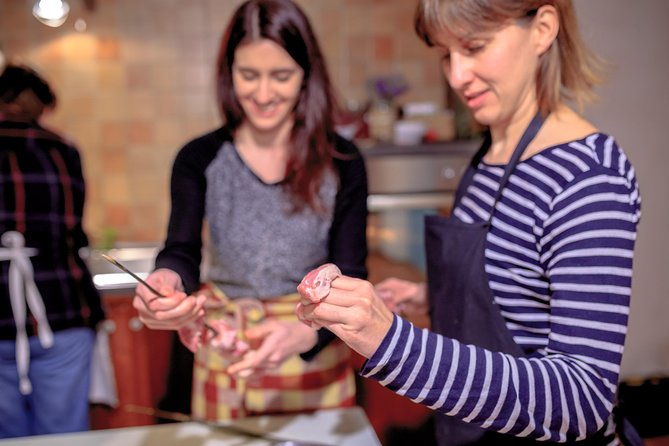
Not every part of the meal is prepared by you. The main course may be meat or fish with fresh seasonal vegetables, and you may watch the family cook rather than handle every step yourself.
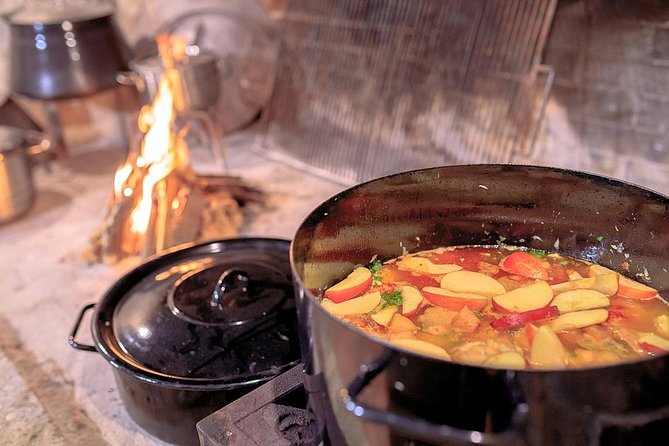
Accounts describe meat cooked for hours and prepared over an open fire under a traditional covered pot. You may also see the smokehouse and learn how the family cures or smokes prosciutto and sausages. This is useful context because Dalmatian cooking is not only about recipes. It is also about preserving food, using the garden, and making a meal that can feed a family around one table.
The result may be chicken, pork, veal, or fish, depending on the menu and dietary arrangements. The published sample menu keeps this broad by promising a local meat or fish dish with seasonal vegetables. Do not book expecting one specific main course unless you confirm it in advance.
The four-course meal is the real payoff
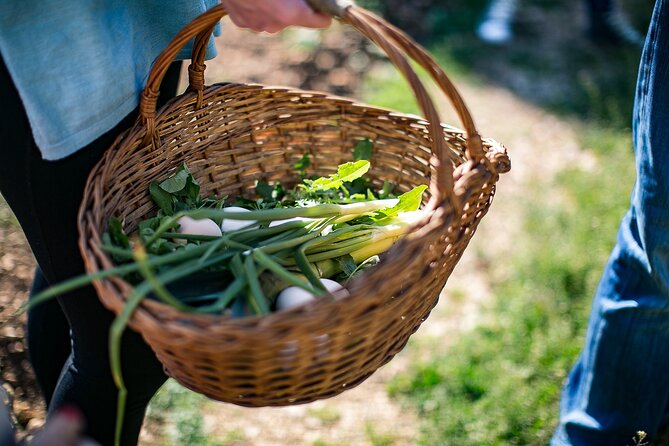
After the preparation, you sit down to eat what has been made, along with food prepared by the family. The stated meal is four courses:
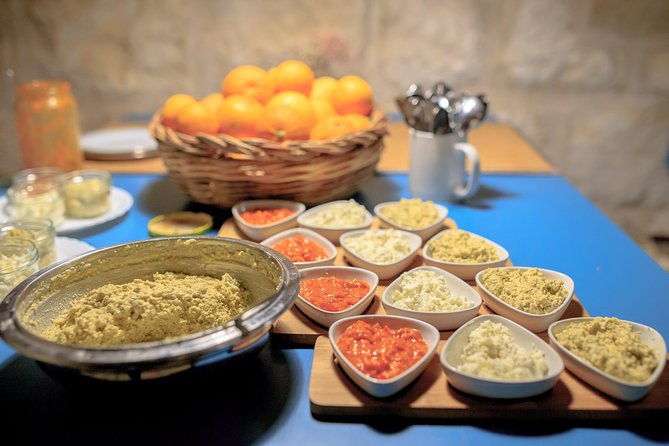
- A charcuterie board with prosciutto, sausages, cheeses, pickles, bread, or garden spreads
- Homemade vegetable soup made with fresh produce
- A local meat or fish dish with seasonal vegetables
- An authentic local cake or other dessert
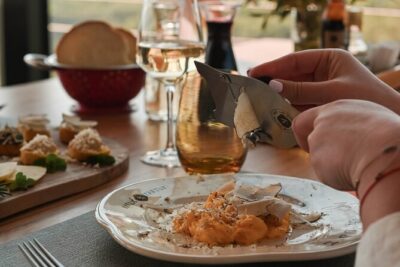
The opening board may be the strongest introduction to the region. Homemade cured meats, local cheeses, olive tapenade, pickled vegetables, and olive oil show how much flavor can come from preserved food and good ingredients. It is also a good time to ask about the family’s smokehouse and methods.
The soup is simple by design. It may use vegetables picked only a short time before the meal, and in some versions it includes lentils or semolina dumplings. Do not expect a complicated restaurant presentation. You are being shown the food people cook at home.
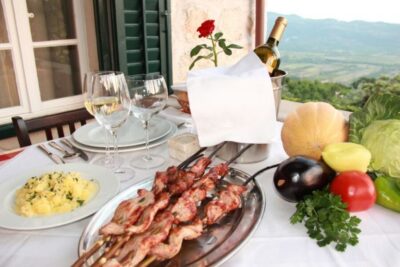
The main dish is often the most anticipated course. Meat may have cooked slowly while you worked in the garden or kitchen, giving the meal a relaxed, all-day quality. Fresh salad and potatoes or other vegetables complete the plate. Portions can be large, especially when bread, cured meats, wine, and dessert are included.
Dessert may be a traditional Dubrovnik-area cake, homemade cookies, or another family specialty. Some visitors have made the sweet course themselves, while others have watched the family prepare it. That difference reinforces the point: this is a family food experience with a cooking element, not a tightly scripted class.
Stories, old stone buildings, and a slower afternoon
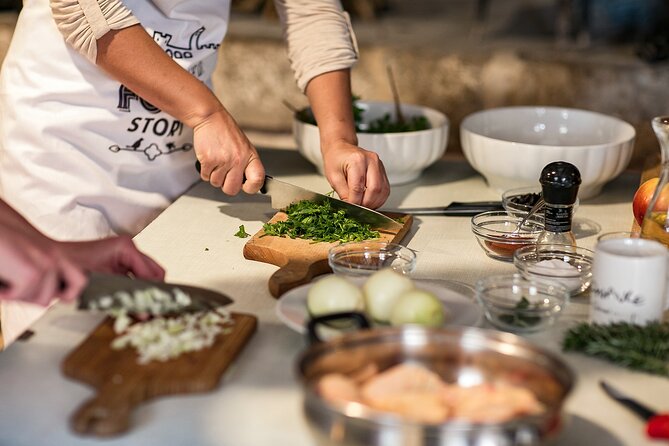
The family’s story is a major part of the visit. The property may have been in the family for generations, with old stone buildings, gardens, animals, and work areas still in use. You may hear about family traditions, farming, local customs, and the history of the surrounding area.
One host, Nikolina, is praised for explaining family life and the region in clear English. Her stories can include the rebuilding of the family home after the Yugoslav Wars, which gives the visit a human connection to Croatia’s recent past. This is not a formal history lecture, but it can add weight to what you are seeing.
You should also expect conversation at the table. The family may spend time introducing relatives, showing parts of the property, and talking about their work. That is one reason the experience feels personal. It is also the reason a person seeking nonstop cooking instruction may find the pace too loose.
I would treat the history and hospitality as half of the product. The meal gives the visit its shape, but the family setting gives it meaning. You are seeing how food, land, work, and family continue to fit together outside Dubrovnik.
Price, timing, and who gets good value
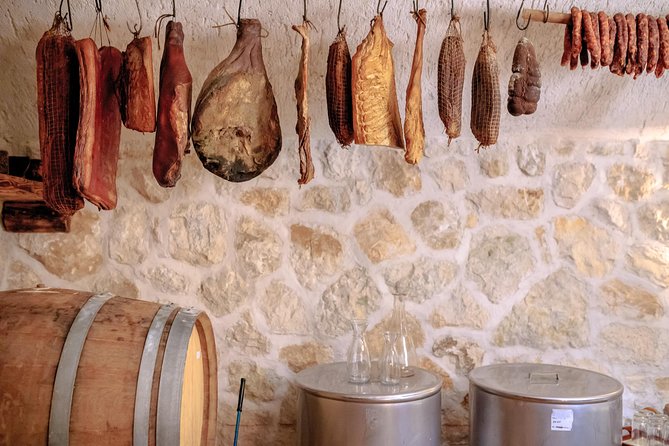
The current price is $290.36 per person, which is a serious expense for a five-hour activity. The price includes private round-trip transport, all ingredients and equipment, the cooking class, the four-course meal, coffee or tea, wine, and homemade liqueurs.
That makes the value easier to judge. You are not paying only for a plate of food. You are paying for transportation, a small group, a hosted visit, farm access, hands-on preparation, drinks, and several hours of personal attention. For a couple or family that wants one special cultural day beyond the old town, the price can make sense.
It is less convincing if your main goal is technical training. A specialist cooking school would likely offer more measured instruction, written recipes, and a clearer division between demonstration and practice. Here, you are paying for the whole countryside visit.
Plan around five hours, though the relaxed format can make the time pass quickly. The activity is offered in English. A minimum of two people is required, and the total group is capped at ten. It is wise to book ahead, since the average booking point is about 59 days before the experience.
Cancellation is flexible if your plans change early. You can receive a full refund by canceling at least 24 hours before the local start time. Changes or cancellations inside that window are not accepted for a refund.
Is this the right Dubrovnik food experience for you?
I would book this if you want local hospitality, farm food, and a personal connection to Croatian life. It suits couples, families, small groups, solo visitors comfortable joining others, and anyone who would rather share a long meal with a family than sit in another restaurant.
I would be cautious if you want a precise cooking curriculum. You may make bread, soup, pasta, vegetables, or dessert, but the hands-on portion is not guaranteed to dominate the day. Recipes, exact measurements, and full participation in the main course are not promised.
For the best fit, contact the provider about dietary needs and ask what dishes will be prepared on your date. If you accept the experience as a countryside visit centered on food, rather than a strict cooking lesson, the price buys a memorable change of pace from Dubrovnik.
FAQ
How long does the traditional cooking experience last?
The experience lasts approximately five hours.
Is hotel pickup included?
Yes. Pickup and drop-off are provided by private car or minivan from your hotel or private accommodation in Dubrovnik and the surrounding area.
How many people can join?
A minimum of two people is required. Bookings can have up to eight people, and the activity has a maximum of ten participants overall.
Is the experience offered in English?
Yes. The experience is offered in English.
What food is included?
The meal includes a charcuterie board, homemade vegetable soup, a local meat or fish dish with seasonal vegetables, and an authentic local dessert. Coffee, tea, homemade wine, and homemade liqueurs are also included.
Can vegetarian guests participate?
Yes. A vegetarian option is available, but you must advise the provider when booking.
Can I cancel for a full refund?
Yes. You can cancel at least 24 hours before the local start time for a full refund. Cancellations or changes made less than 24 hours before the start time are not accepted for a refund.
Just added around Dubrovnik
- Elaphiti Islands Private Dubrovnik Boat Unique Experience★ 5.0 · 10 reviews
- Full- Day Private Speedboat Tour in Dubrovnik on Elaphiti Islands★ 5.0 · 21 reviews
- Wine tour peninsula Pelješac★ 5.0 · 3 reviews
- PRIVATE Wine Tour to Konavle country side★ 5.0 · 11 reviews
- Wine Lover’s Tour of Peljesac Peninsula★ 5.0 · 150 reviews
- Parasailing in Cavtat★ 5.0 · 62 reviews
- Welcome to Dubrovnik Walking Tour★ 5.0 · 36 reviews
- Dubrovnik at War 1991-1992 Private Walking Tour★ 5.0 · 4 reviews
Cooking Classes, compared.
Traditional Dalmatian Cooking Class from Dubrovnik
Read our review →
Authentic Garden to Table Cooking Class in Dubrovnik Countryside
Read our review →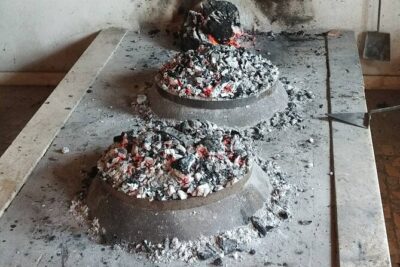
Croatian Traditional Cuisine: Peka Cooking Lesson
Read our review →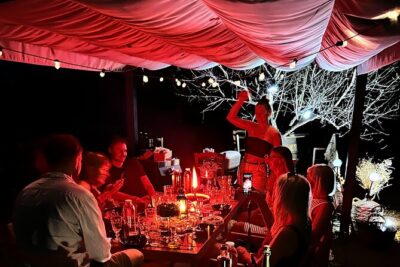
Traditional Hvar Cooking Classes, Dinners & ‘Poje’ Field Tour!
Read our review →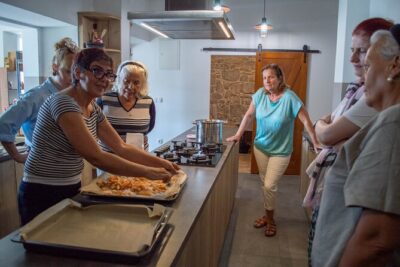
Browse the lists this tour appears in