
Reviewed · COOKING CLASSES
Croatian Traditional Cuisine: Peka Cooking Lesson
Traditional cooking takes time. That is the point. In Mokošica, outside Dubrovnik, you learn how Croatian peka works, then sit down to eat meat and vegetables cooked beneath a heavy domed lid. I like the private, small-group setting, limited to eight people, and I like that the visit feels tied to a real family home rather than a polished cooking studio. The main drawback is the price, $162.47 per person, especially since transportation is not clearly included in the formal details.
Florio, also spelled Frolio in some tour information, is the host behind this experience. His warm hospitality, homemade wine, olive oil, bread, cheese, prosciutto, and grappa are as important as the peka itself. You should also know that this is more of a traditional cooking demonstration and shared meal than a hands-on cooking class, so visitors expecting to prepare every step may find the format quieter than expected.
In This Review
- Key things to know before booking
- What peka means in Croatian cooking
- Arriving in Mokošica from Dubrovnik
- The morning begins with fire, food, and explanation
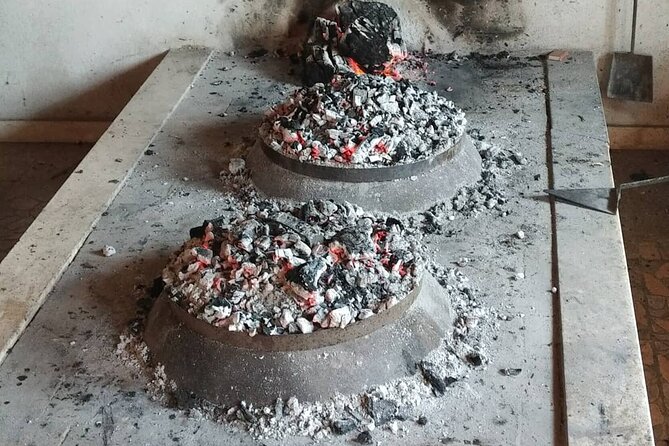
- Watching the peka work under hot coals
- The meal: hearty meat, potatoes, and local wine
- Why the home setting matters
- Timing, group size, and the real value of $162.47
- Who will enjoy this peka experience most
- Booking details worth checking first
- Should you book the Mokošica peka cooking lesson?
- FAQ
- Where does the peka cooking experience take place?
- How long does the experience last?
- What time does the tour start?
- Is lunch included?
- Is homemade wine included?
- What food is usually cooked under the peka?
- Is a vegetarian option available?
- How many people can join?
- Is transportation from Dubrovnik included?
Key things to know before booking
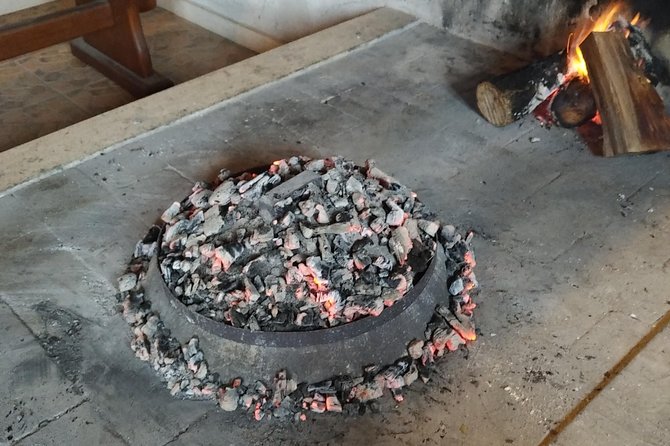
- Peka is cooked under a bell-shaped dome: Meat and vegetables cook slowly beneath hot coals in a fireproof pot or on a stone slab.
- The setting is OPG Vukojević in Mokošica: You leave Dubrovnik’s center for a more rural home setting in the hills near the city.
- Florio’s hospitality is a major part of the experience: Homemade wine, bread, cheese, olive oil, prosciutto, and grappa may accompany the meal.
- The class is really a demonstration with a meal: You learn the method and watch the cooking rather than taking a formal chef-led lesson.
- The group stays small: A private booking allows a maximum of eight people, with at least two required.
- Transportation needs careful confirmation: The description refers to hotel pickup and drop-off, but the formal inclusions say private transportation and transfers are not included.
What peka means in Croatian cooking
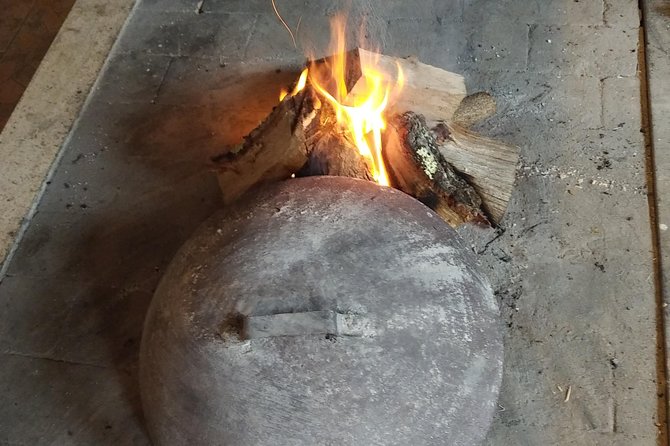
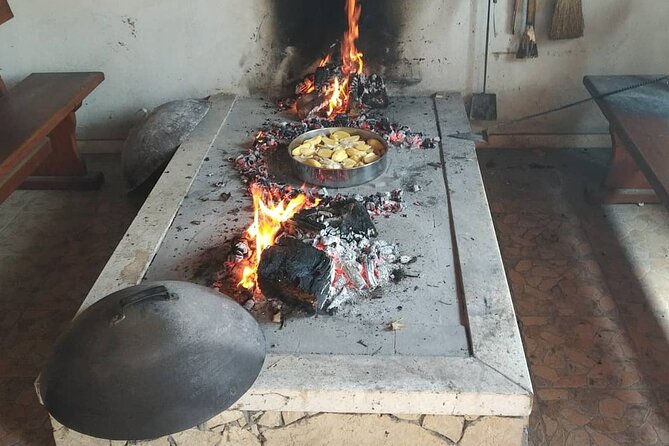
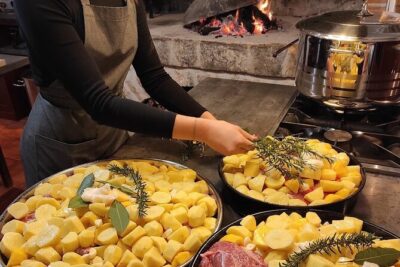
Peka is both a cooking method and the domed lid used for it. The lid looks like a broad metal or cast-iron bell, though traditional cooks may prefer an earthenware version. Food cooks below it while hot coals sit on top, creating steady heat from above and below.
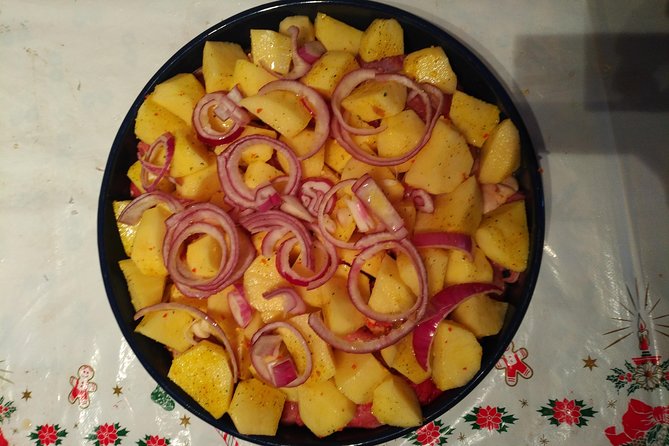
The usual dish combines veal, lamb, or yearling beef with potatoes and other vegetables. The recipe sounds plain, but the timing and heat control take practice. You need to know how much fire to use, when to check the food, and how long the meat can cook without drying out.
That slow process is what gives peka its appeal. The meat becomes tender, the potatoes absorb the cooking juices, and the vegetables take on the smoky flavor of the fire. This is not fast restaurant food. It is a meal built around patience, family habits, and whatever good ingredients are available.
You may see the food prepared in a fireproof pot beneath the coals or directly on a stone slab. The precise setup can vary, but the basic idea remains the same: cover the food, manage the heat, and let the fire do its work.
More cooking classes in Dubrovnik:
- Traditional Cooking Class in Dubrovnik Countryside
★ 5.0 · 168 reviews - Traditional Dalmatian Cooking Class from Dubrovnik
★ 5.0 · 49 reviews - Authentic Garden to Table Cooking Class in Dubrovnik Countryside
★ 5.0 · 17 reviews
Arriving in Mokošica from Dubrovnik
The experience takes place at OPG Vukojević in the village of Mokošica, near Dubrovnik. The stated meeting point is Ul. za Belendinovo 3, 20236 Mokošica, and the published start time is 9:00 am.
The setting matters. This is not a cooking school in the old town, and you do not spend the whole morning surrounded by souvenir shops and restaurant menus. You head into a village environment where the food, the home, and the host’s own products are part of the visit.
Several details from the experience point to a scenic drive through the hills. You might see old wartime bunkers along the way, and the driver may share stories about the area. One particularly unusual setting mentioned in connection with the meal is a converted railway station, although the supplied details do not make clear whether this is part of every booking. I would treat it as a possible feature, not a guaranteed stop.
If you are driving yourself, take the narrow roads seriously. One visitor was uncomfortable handling the route and Florio drove the car instead. That small detail tells you something useful: access may feel more rural and confined than a normal Dubrovnik transfer.
The transportation information needs attention before you pay. The highlights describe pickup and drop-off at your Dubrovnik hotel, while the formal details list private transportation and transfers as not included. The activity also ends back at the meeting point. Ask the provider exactly what is included for your date, hotel, and group before booking.
The morning begins with fire, food, and explanation
The peka does not appear instantly. The cooking takes time, which gives the morning a natural rhythm. You may begin with an explanation of the ingredients and the equipment, followed by the preparation of the meat, potatoes, and vegetables.
This is where the experience differs from a modern cooking workshop. You are not necessarily chopping every vegetable or managing the fire yourself. Instead, you watch a traditional method demonstrated by someone who uses it as part of home cooking and hospitality.
That format works well if you want context. Florio’s conversations cover Croatian food, what his family grows, and the things they make themselves. The food becomes a doorway into everyday life, not just a recipe.
While the peka cooks, expect small plates and homemade products. Homemade bread, cheese, and olive oil have been served alongside the preparation. Homemade prosciutto and grappa have also been part of the welcome, according to the supplied experience details.
These extras are not minor decorations. They help explain why the price is higher than a standard restaurant lunch. You are paying for time, a private setting, a host, a traditional demonstration, and a meal built around local household products. Still, the value depends on what you want. If your priority is a formal class with written recipes and lots of hands-on work, the cost may feel high.
Watching the peka work under hot coals
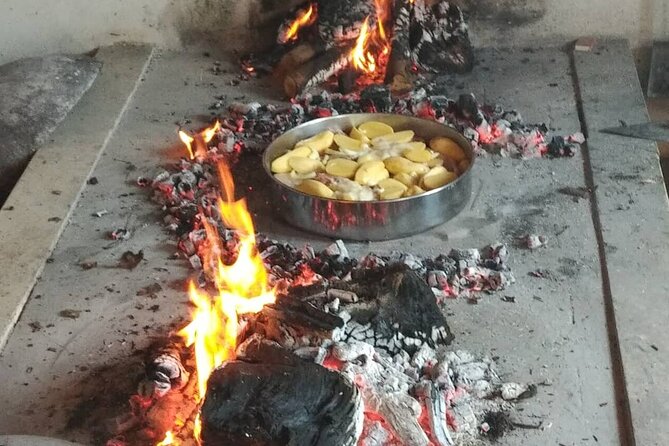
The central moment is the placement of the dome over the food. Hot oak fire, coals, hot bricks, and an iron bell have all been associated with this preparation. The exact equipment may vary, but the visual is memorable: the food disappears beneath a heavy cover while the fire continues above it.
You get to see why the peka requires skill. The cook must arrange the ingredients, judge the fire, and give the dish enough time to soften and develop flavor. It is simple equipment, but not a simple technique.
The process also slows you down in a useful way. Instead of rushing from one course to the next, you have time to talk, taste the bread and oil, and ask questions. Florio’s style appears to be personal and informal. The visit has been described as feeling more like being welcomed into a friend’s home than attending a commercial tour.
That warmth is one of the experience’s strongest points. You may meet members of Florio’s family, including his wife, who assists with the meal. The family presence makes the cooking feel lived-in rather than staged.
Keep your expectations clear, though. This is not presented as a technical course in Croatian cuisine. You should expect to learn how peka works, observe the preparation, and enjoy the social side of the meal. The experience is best for curious eaters who value stories and hospitality as much as kitchen instruction.
A few more Dubrovnik trips worth comparing
- Blue Cave Small-Group Boat Tour from Dubrovnik
★ 5.0 · 9,360 reviews - Full-Day Dubrovnik Elaphite Islands Cruise with Lunch and Drinks
★ 5.0 · 8,823 reviews - Dubrovnik: Epic Game of Thrones Tour + Lokrum & Saver Option
★ 4.9 · 5,995 reviews - Dubrovnik: Elaphiti Islands Full-Day Cruise with Lunch
★ 5.0 · 5,938 reviews
The meal: hearty meat, potatoes, and local wine
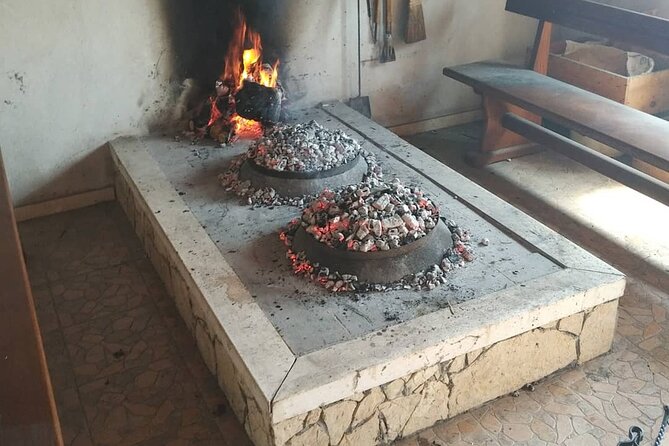
When the dome comes off, the reward is a generous Croatian comfort meal. The usual combination is meat with potatoes and vegetables, though the exact meat served on your date is not specified. It may be veal, lamb, or yearling beef.
Peka is filling rather than delicate. You should expect food shaped by fire, slow cooking, and practical rural traditions. The vegetables and potatoes help carry the rich juices from the meat, while the smoky cooking method gives the dish its character.
Homemade wine is included, and the meal is traditionally paired with local red wine, including miljas wine. This makes the lunch feel connected to the region rather than like a generic cooking activity. If you enjoy Croatian wine, the meal gives you an easy way to try a homemade version in a relaxed setting.
You may also be offered grappa. One account describes Florio giving a take-home bottle after learning that a participant enjoyed it. That sort of personal gesture cannot be guaranteed, but it captures the tone of the visit: the host’s own products and personal generosity are central to the experience.
A vegetarian option is available if you request it when booking. Since the standard peka centers on meat, you should not wait until arrival to mention dietary needs. The information specifically confirms a vegetarian choice, but it does not describe the exact vegetarian menu.
Why the home setting matters
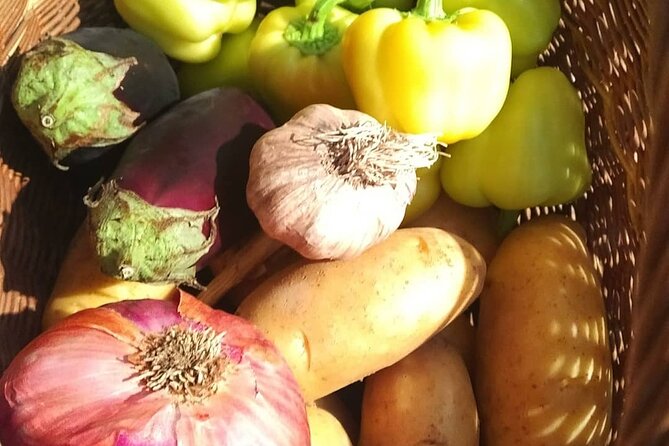
Dubrovnik is famous for its stone walls, sea views, and busy old-town lanes. Those sights deserve your time, but a visit to Mokošica gives you a different side of the area. You see how a traditional meal can be tied to a family, a home, a garden, and homemade food products.
The host’s own olive oil and wine make the connection especially clear. Some visitors have bought bottles to take home. If those products are available during your visit, they give you a practical souvenir with a direct link to the meal.
The setting also leaves room for conversation. The program includes information about Croatian food and daily life, not just cooking instructions. You may hear about local crops, family production, and past events in the area.
That personal quality earned the strongest praise. Florio is described as friendly, informative, and fun, but the important point is how naturally those qualities fit into the visit. The best part may not be lifting the peka lid. It may be sitting with the family, tasting homemade food, and hearing about life near Dubrovnik.
Timing, group size, and the real value of $162.47
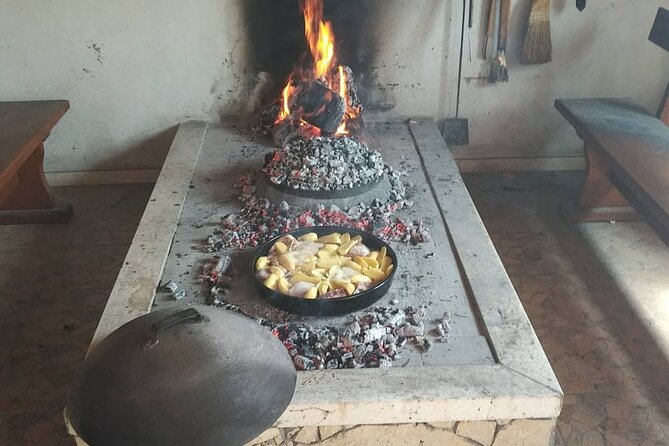
The experience lasts about four hours. That is enough time for the cooking demonstration, conversation, and meal without making the day feel like a full-day excursion.
The published start time is 9:00 am. The seasonal details state that from April 1 through October 30, lunch is included, and the cooking class can begin at 9:30 am for lunch timing. These times do not line up perfectly, so confirm the exact start time when you reserve.
A maximum of eight people keeps the visit personal. It is also a private activity, meaning only your group participates. A minimum of two people is required, so solo visitors cannot book it alone under the stated rules.
At $162.47 per person, this is expensive for a four-hour meal if you judge it like a restaurant lunch. The price makes more sense if you value private hosting, traditional cooking, homemade products, wine, transport help if arranged, and a personal look at Croatian food culture.
I would compare it with the cost of booking a high-end meal and a separate countryside excursion. You are not only buying food. You are buying time with a local host and access to a family setting that would be difficult to arrange independently.
The value is weaker for someone who wants a polished culinary school. There is no promise of a formal recipe booklet, a certificate, or extensive hands-on practice. Ask yourself whether you want to cook peka yourself or understand how a local family prepares it. This experience is better suited to the second goal.
Who will enjoy this peka experience most
I would recommend it most strongly to food-focused visitors who have already seen Dubrovnik’s main sights and want a slower morning outside the center. Couples, families with adult children, and small groups of friends should appreciate the private format.
It also suits people who like local drinks and homemade products. The wine, olive oil, bread, cheese, prosciutto, and grappa are not side notes. They are part of the reason to choose this activity.
You should be comfortable with a flexible, informal structure. The cooking takes place in a home setting, and the strongest moments come from conversation and hospitality. If you prefer a strict timetable, a professional kitchen, and tasks assigned to every participant, this may not match your idea of a cooking class.
The minimum age is 18, so this is designed for adults. A vegetarian option is possible with advance notice, but anyone with more complex dietary requirements should ask detailed questions before confirming.
Booking details worth checking first
Confirmation is sent within 48 hours of booking, subject to availability. The activity is non-refundable and cannot be changed for any reason, so check your date, group size, dietary needs, and transportation arrangements before you commit.
The experience is offered in English. It is near public transportation, but the formal meeting point remains in Mokošica, not central Dubrovnik. If you are staying in a private apartment, ask if pickup is available and what extra cost, if any, applies.
The activity provider is Florio za turizam i turisticka agencija d.o.o. The supplied rating is 5 out of 5 from 10 reviews, with 100 percent recommending it. That is a small sample, but the praise is consistent in the areas that matter most: Florio’s hospitality, the authentic home setting, the food, and the scenic route.
Should you book the Mokošica peka cooking lesson?
Book it if you want a personal Croatian food experience built around a family host, a slow fire, homemade drinks, and a substantial meal. The strongest reason to go is not simply learning what peka is. It is seeing how food, family, local products, and conversation fit together.
Skip it if you want a hands-on cooking course, a low-cost lunch, or a fully confirmed hotel transfer included in the price. Before booking, clarify the pickup arrangement and exact start time, then request the vegetarian option if needed.
For the right visitor, this can become the most memorable food experience of a Dubrovnik stay. The peka is the centerpiece, but Florio’s hospitality is what gives the morning its character.
FAQ
Where does the peka cooking experience take place?
It takes place at OPG Vukojević in Mokošica, Croatia. The stated meeting point is Ul. za Belendinovo 3, 20236 Mokošica.
How long does the experience last?
The experience lasts approximately four hours.
What time does the tour start?
The listed start time is 9:00 am. Seasonal details also refer to a 9:30 am start for a lunch cooking class, so confirm the exact time when booking.
Is lunch included?
Yes. Lunch is included for the stated operating period from April 1, 2026 through October 30, 2026.
Is homemade wine included?
Yes. Homemade wine is listed as included.
What food is usually cooked under the peka?
Peka commonly includes veal, lamb, or yearling beef with potatoes and other vegetables. The exact dish for a specific booking is not stated.
Is a vegetarian option available?
Yes. A vegetarian option is available, but you must request it when booking.
How many people can join?
A booking can include a maximum of eight people. At least two people are required, and the activity is private for your group.
Is transportation from Dubrovnik included?
The experience description refers to hotel pickup and drop-off, but the formal details list private transportation and transfers as not included. Confirm the transportation arrangement and any cost directly before booking.
Just added around Dubrovnik
- Elaphiti Islands Private Dubrovnik Boat Unique Experience★ 5.0 · 10 reviews
- Full- Day Private Speedboat Tour in Dubrovnik on Elaphiti Islands★ 5.0 · 21 reviews
- Wine tour peninsula Pelješac★ 5.0 · 3 reviews
- PRIVATE Wine Tour to Konavle country side★ 5.0 · 11 reviews
- Wine Lover’s Tour of Peljesac Peninsula★ 5.0 · 150 reviews
- Parasailing in Cavtat★ 5.0 · 62 reviews
- Welcome to Dubrovnik Walking Tour★ 5.0 · 36 reviews
- Dubrovnik at War 1991-1992 Private Walking Tour★ 5.0 · 4 reviews
Cooking Classes, compared.
Traditional Cooking Class in Dubrovnik Countryside
Read our review →
Traditional Dalmatian Cooking Class from Dubrovnik
Read our review →
Authentic Garden to Table Cooking Class in Dubrovnik Countryside
Read our review →
Traditional Hvar Cooking Classes, Dinners & ‘Poje’ Field Tour!
Read our review →
Browse the lists this tour appears in