
Reviewed · WINE TOURS
Pelješac wine tasting and local winery visit
Good wine starts with a good welcome. This 90-minute visit to Winery Škurla near Ston gives you a friendly look at Pelješac winemaking, followed by local wines, cured meats, cheese, bread, olives, and organic olive oil. I like the personal family touch, especially when Mea or another member of the family leads the tasting, and I like the chance to try wines sold mainly at the winery or in local restaurants.
The price is $43 per person, which feels fair if you value the food as much as the wine. The main consideration is time: the production tour is fairly short, and if you want a detailed technical explanation of every stage of winemaking, you may wish the visit lasted longer.
In This Review
- What makes this tasting worth your time
- Why Pelješac is Croatia’s wine country
- Finding Winery Škurla in Broce
- Meeting the Škurla family
- A short look at traditional production
- Four wines, or possibly more
- Cheese, ham, bread, and olive oil
- Pairing the winery with Ston
- Is $43 a good value?
- Who will enjoy this experience most?
- Booking and timing tips
- Should you book Winery Škurla?
- FAQ
- Where is Winery Škurla located?
- How can I find the winery?
- How long does the experience last?
- How many wines are included?
- What kinds of wines might I taste?
- Is food included?
- Is olive oil included?
- Who hosts the visit?
- Is the winery wheelchair accessible?
- Can I cancel for a refund?
What makes this tasting worth your time
- A real family winery: Meet members of the Škurla family rather than visiting a large commercial tasting room.
- Four wines or fruit liqueurs: The tasting may include local whites, rosé, reds, and fruit-based liqueurs. One recent tasting included five wines.
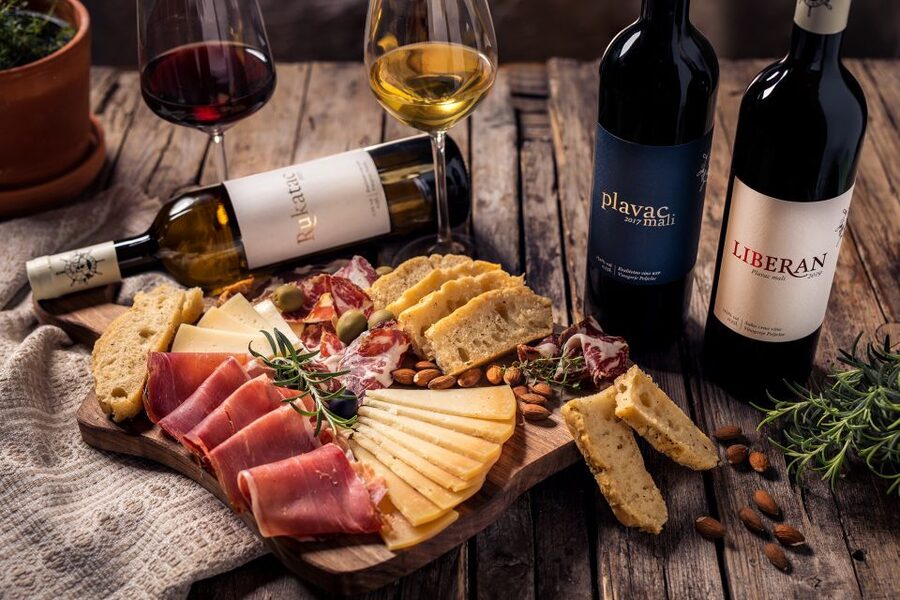
- Food is part of the experience: Cheese, cured ham, homemade bread, olives, and olive oil turn the tasting into a light local meal.
- An easy stop near Ston: The winery is in Broce, about 1.5 kilometers after Ston, making it simple to pair with a day at the town walls or saltworks.
- Wine production on site: You see the production area and tasting room in the same building, so the move from cellar talk to wine glass is wonderfully short.
- Friendly English-language hosting: The experience is offered in English and is wheelchair accessible.
Why Pelješac is Croatia’s wine country
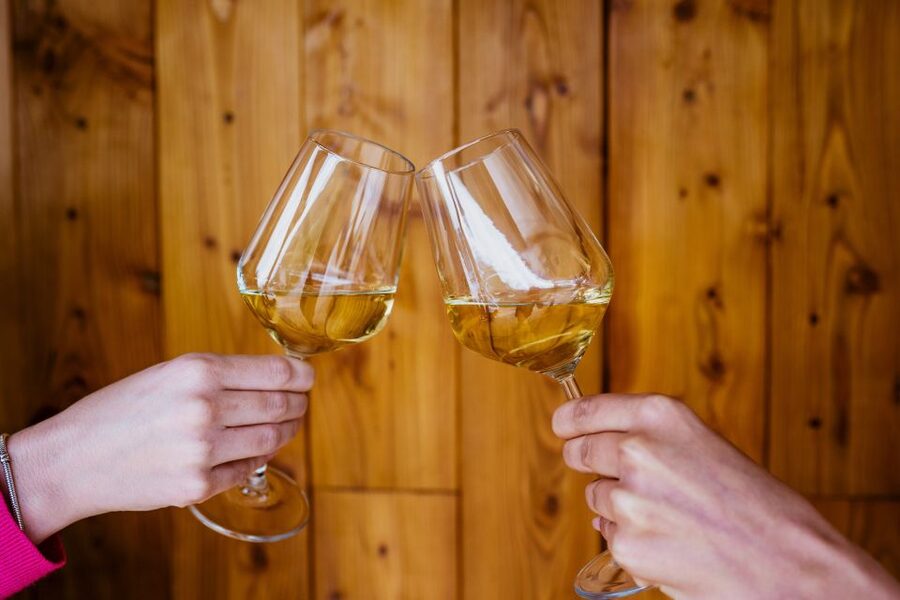
Pelješac is one of Dalmatia’s best-known wine areas, and this tasting gives you a way to understand that reputation without turning the visit into a lecture. You hear about local wine traditions, family methods, and the reasons this peninsula is often called Croatia’s Empire of Wine.
The value is in the connection between place and bottle. Instead of simply tasting four anonymous wines, you learn how wine fits into the life of a small Croatian village. The family story matters here. A bottle becomes easier to remember when you can connect it with the people who made it and the room where you tasted it.
I also like that the visit includes more than wine. The cheeses, cured meat, bread, olives, and olive oil bring in the salty, simple flavors of the region. The food is not an elaborate meal, but it is generous enough to make the tasting feel substantial, especially if you visit in the late afternoon or evening.
More Wine Tours in Croatia:
- From Split: Krka Waterfalls, Food & Wine Tasting Tour
★ 5.0 · 9,326 reviews - From Split: Krka Waterfalls, Food & Wine Tasting Tour
★ 4.9 · 6,598 reviews - Krka National Park Tour with tour Guide & Wine tasting from Split & Trogir
★ 5.0 · 1,625 reviews
Finding Winery Škurla in Broce
The meeting point is simple once you know the landmark. Leave Ston behind, continue for about 1.5 kilometers, and look for the village of Broce. Winery Škurla is the first house on the right side of the road as you enter the village.
The most practical tip is to type Winery Škurla into Google Maps. That avoids confusion with nearby vineyards or other wine producers. Since the winery is close to Ston, you can combine the tasting with a visit to the town, its walls, or the salt mines.
You should plan your route before drinking. The experience does not include transportation, and anything you purchase at the winery is extra. If you arrive by car, the host can help you focus on tasting rather than driving afterward, but you should still plan responsibly.
The village setting is part of the appeal. This is not a polished wine resort designed around large crowds. It is a working family place, which gives the visit a more direct and personal feel.
Meeting the Škurla family
Your visit begins with a welcome from a member of the family. Mea has hosted some visits with her father, and she has been praised for being warm, clear, and willing to answer questions. The family involvement is one of the strongest parts of the experience.
You are not handed a glass and left to guess what you are drinking. The host introduces the winery, explains the local wine tradition, and walks you through the production area. The tone is relaxed, which helps if you know little about wine or feel unsure about asking basic questions.
That makes this a good choice for curious drinkers, not just serious wine collectors. You can ask about grapes, production, food pairings, or the bottles available for purchase. The host’s English is the working language, and the visit is designed for English-speaking visitors.
The personal approach also has a practical benefit. You get a better sense of which bottles are special to this producer and which wines you might not find in a typical shop. One tasting included wines available only at the winery or in restaurants, making it worth asking about bottles to take home.
A short look at traditional production
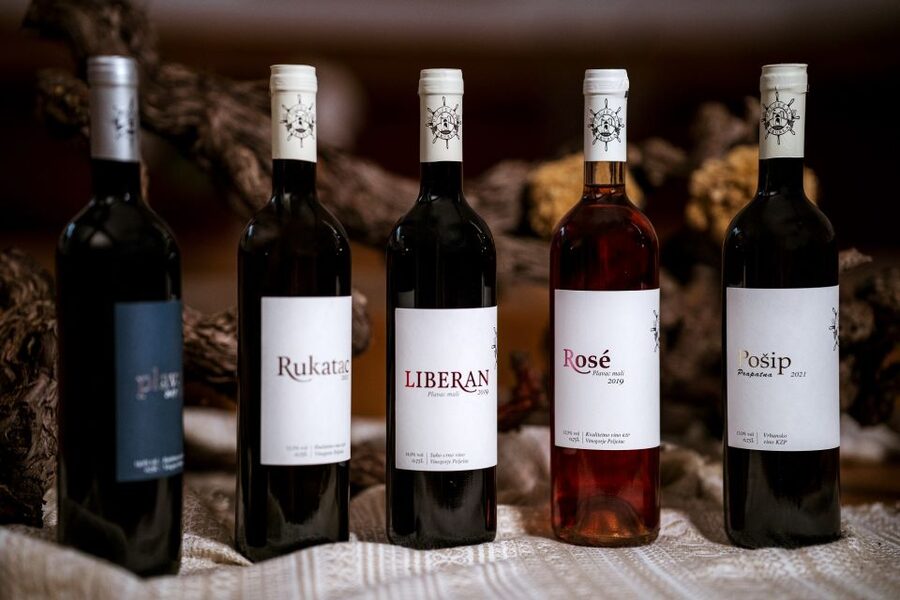
The tour includes the production area, where you learn about winemaking methods passed down through generations. This part gives the tasting a useful foundation. You see that the wine is made in the same place where you later sit with your food and glasses.
I would set your expectations correctly. The visit is not built as a long cellar tour with a detailed explanation of every tank, barrel, fermentation stage, and bottling step. One person wished there had been more time for production details and a longer look around the facilities.
That is the main weakness of the experience. If your priority is technical wine education, you may find the explanation brief. If your priority is meeting a local family, tasting several good wines, and getting a clear introduction to Pelješac wine, the shorter format works well.
The best approach is to ask questions early. If you want to know how the wines are made or which local methods the family still uses, tell your host. The tasting is personal enough that your questions can shape the conversation.
More Food and Drink Tours in Croatia:
- Split: Blue Lagoon and 3 Island Cruise with Food and Drinks
★ 4.8 · 1,969 reviews - Split/Trogir: Krka National Park Day Trip with Wine Tasting
★ 4.7 · 925 reviews - Full-Day Catamaran Cruise to Hvar & Pakleni Islands with Food and free Drinks
★ 5.0 · 670 reviews - Dubrovnik Food and Drink Walking Tour with a Local Guide
★ 5.0 · 654 reviews
Four wines, or possibly more
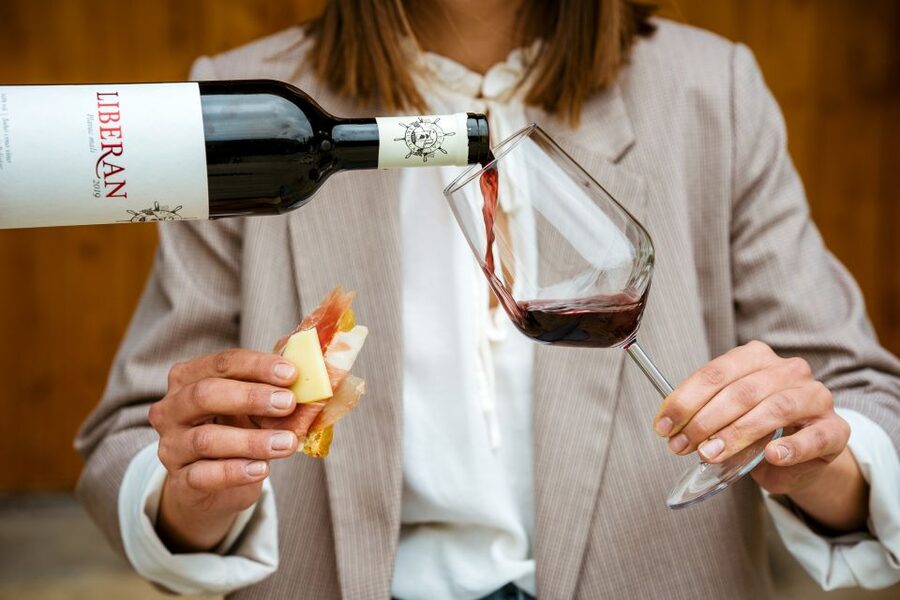
The standard tasting includes four local wines and/or fruit liqueurs. The exact selection can vary, which is part of the fun. You might taste a mix of white, rosé, and red wines, or receive a fruit liqueur alongside the wines.
One recent tasting included five wines: two whites, one rosé, and two reds. That gives you a useful spread across different styles and makes it easier to compare how the producer handles each type.
The wines are served in the tasting room after the short introduction to the winery. You taste in a calm setting, with food on the table and the host explaining what is in each glass. This is much more satisfying than sampling several wines without any context.
I would not expect a formal sommelier lesson. The emphasis is on enjoyment and local character, not on memorizing tasting vocabulary. You can focus on what you actually like. Ask which bottle works best with seafood, cured meat, or a simple Croatian meal.
Some of the wines have drawn strong praise for quality, including comparisons with good French wines. That does not mean every bottle will suit every palate. Wine is personal, and the useful point is that the tasting gives you enough variety to discover your own favorite.
Cheese, ham, bread, and olive oil
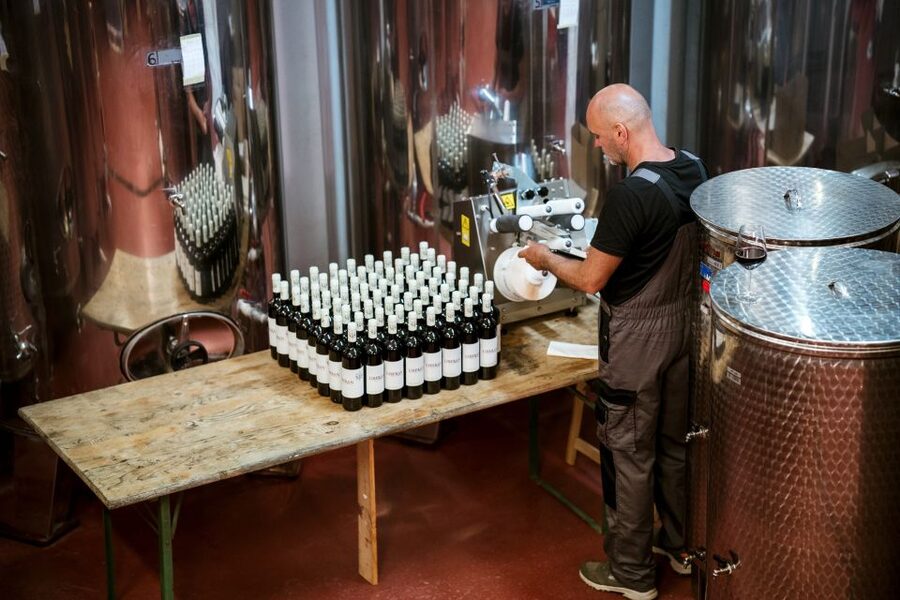
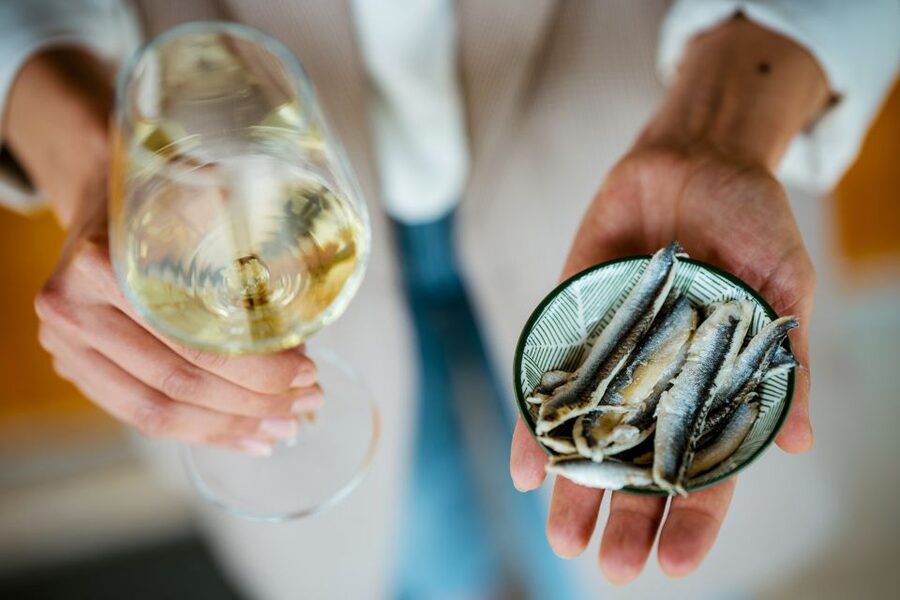
The food pairing is one of the best reasons to choose this visit instead of a wine-only tasting. Expect traditional finger foods such as cheese, cured meat, olives, homemade bread, and olive oil.
The platter has been described as generous, with cheese and ham served alongside small accompaniments. The bread matters, too. It gives you something plain to eat between wines and helps turn the tasting into a relaxed snack rather than a quick series of samples.
The olive oil and olives are produced by the family as well. That detail gives the table a stronger sense of place. You are tasting several local products from the same small operation, not simply receiving a standard restaurant platter.
I also appreciate the practical side of eating while tasting. Food helps you pace yourself, and it lets you see how the wines behave with salty, fatty, and savory flavors. If you are visiting after a day at Ston’s walls or saltworks, this may feel like exactly the right amount of food.
Still, do not book this expecting a full lunch or dinner. It is a substantial tasting accompaniment, not a restaurant meal. If you need a full meal, plan one separately in Ston or elsewhere in the area.
Pairing the winery with Ston
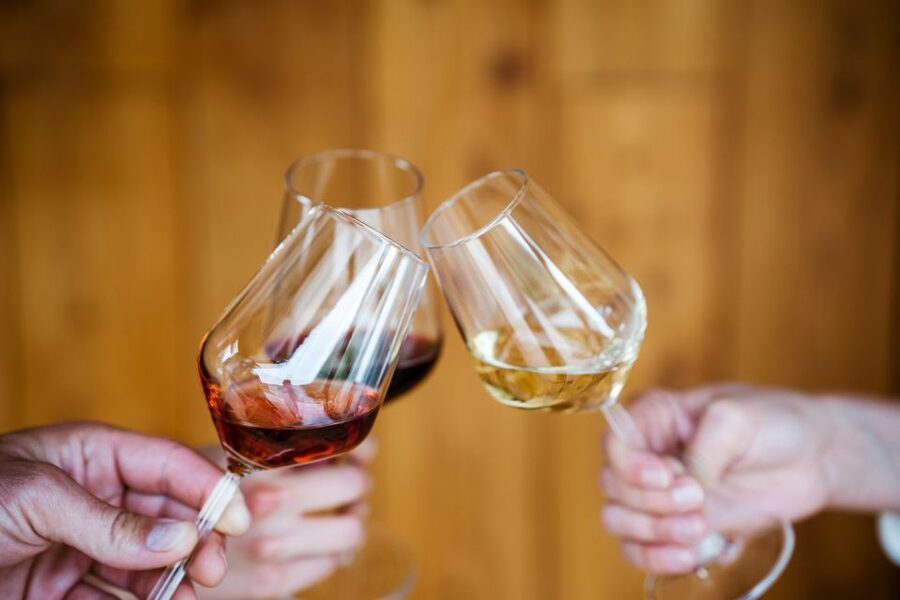
This experience works especially well as part of a Ston day. You can visit the town’s walls and salt mines, then finish with wine and food in Broce. The location makes the order flexible, but a late afternoon tasting can be a pleasant way to wind down after sightseeing.
The winery is close enough to Ston to make the combination practical. You do not need to build an entire day around a 90-minute visit. Instead, use it as one well-chosen stop within a broader Pelješac outing.
That short duration also helps if your schedule is tight. You receive a welcome, a winery tour, a production introduction, a guided tasting, and food in an hour and a half. The pace is comfortable, but it does not consume half a day.
The drawback is that the visit may feel too brief if you want plenty of time for questions, photographs, shopping, and a detailed tour. You may want to allow extra time around the scheduled 90 minutes rather than arranging a tight connection afterward.
Is $43 a good value?
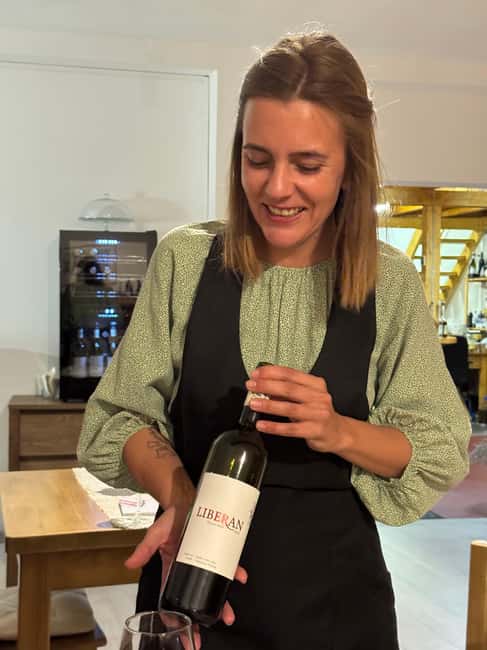
At $43 per person, the price covers more than four sips of wine. You receive a family-hosted visit, a look at the production area, a guided tasting, local food, homemade bread, olive oil, olives, and the chance to ask questions directly.
The value looks strongest when you enjoy the whole package. If you are mainly seeking a cheap drink, you can find less expensive options elsewhere. If you want a personal introduction to a regional producer with food included, the price is reasonable.
The tasting can also help you choose bottles to purchase. Since some wines may be available mainly at the winery or in restaurants, you get a chance to taste before buying. Remember that bottles and other items are not included in the tour price.
A past booking was priced at 35 euros, but the stated current price for this experience is $43 per person. Prices can change, so use the amount shown when you book as your guide.
Who will enjoy this experience most?
I would recommend Winery Škurla to several kinds of visitors:
- Wine beginners who want a friendly introduction without a stiff classroom feel.
- Food lovers who care about olive oil, bread, cheese, cured meat, and olives as much as the wine.
- Couples and small groups looking for a personal stop near Ston.
- People visiting Ston for the day who want a tasting that fits neatly into a wider plan.
- Wine shoppers who want to taste bottles before deciding what to buy.
- Slow-paced sightseers who prefer a family conversation to a large commercial tour.
It may be less suitable if you want a long, technical winery tour. The production explanation is useful, but the main pleasure is the friendly hosting and the tasting table.
The experience is wheelchair accessible, which is helpful for planning. The available language is English, so you should be comfortable following the tour and asking questions in English.
Booking and timing tips
You can cancel up to 24 hours before the experience for a full refund, and you can reserve now while paying later. Those policies make the activity easier to fit into a changing Croatia itinerary.
Check the available start times before building your Ston day around it. The duration is fixed at 90 minutes, but you should add time for reaching Broce, settling in, and possibly buying wine afterward.
If you want a longer explanation of production, say so at the start. One of the few criticisms of the visit was that the facility tour and production discussion could have lasted longer. A clear question may lead to a more useful conversation.
Finally, do not forget the location detail. Winery Škurla is the first house on the right after you reach Broce from Ston. Google Maps can help, but the village entrance landmark is the best backup.
Should you book Winery Škurla?
Yes, if you want a warm, local wine stop with real food and direct contact with a family producer. I especially like the combination of four or more local pours, homemade bread, cured meat, cheese, olives, and the family’s own olive oil. That combination gives the visit more substance than a basic tasting.
Book it as part of a Ston day, and treat the 90 minutes as a relaxed introduction rather than a full technical winery course. If your goal is to meet local hosts, taste Pelješac wines, and perhaps take home a bottle that you cannot easily find elsewhere, this is a strong-value choice.
FAQ
Where is Winery Škurla located?
It is in the village of Broce, about 1.5 kilometers after leaving Ston. The winery is the first house on the right side of the road as you enter the village.
How can I find the winery?
You can type Winery Škurla into Google Maps and use the navigation directions. The location in Broce is also identified by its position as the first house on the right after Ston.
How long does the experience last?
The wine tasting and winery visit last 90 minutes.
How many wines are included?
The experience includes a tasting of four local wines and/or fruit liqueurs. The exact number can vary, and one tasting included five wines.
What kinds of wines might I taste?
The selection may include white, rosé, and red wines. A tasting included two whites, one rosé, and two reds.
Is food included?
Yes. Traditional food is served with homemade bread. The food can include cheese, cured meat, olives, and other local accompaniments.
Is olive oil included?
Yes. The tasting includes organic olive oil, and the family also produces olives.
Who hosts the visit?
A member of the Škurla family hosts the experience. Mea and her father have hosted visits, and the tour is offered in English.
Is the winery wheelchair accessible?
Yes, the experience is listed as wheelchair accessible.
Can I cancel for a refund?
Yes. You can cancel up to 24 hours in advance for a full refund. You can also reserve now and pay later.
Just added around Croatia
- Pula Sightseeing Walking Tour★ 5.0 · 3 reviews
- Pula Essentials Walking Tour★ 5.0 · 62 reviews
- Pula: Sunset/Night-time Illuminated Transparent Kayak Tour★ 4.0 · 9 reviews
- Pula Discover Scuba Diving Package★ 4.5 · 18 reviews
- Pula Boat Trip with Snorkeling★ 4.0 · 7 reviews
- Pula Kayak, Cliffs & Snorkeling Adventure★ 5.0 · 164 reviews
- Pula Arena Amphitheater Admission Ticket★ 4.0 · 68 reviews
- Pula Kayaking at Blue Cave with Cliffs Tour and Snorkeling★ 5.0 · 4 reviews
Wine Tours, compared.
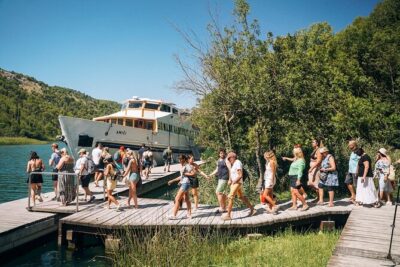
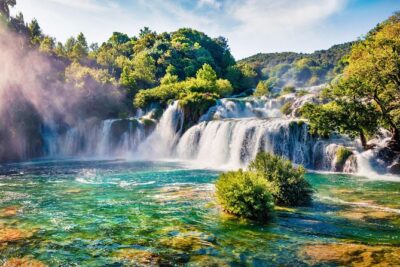
Krka National Park Tour with tour Guide & Wine tasting from Split & Trogir
Read our review →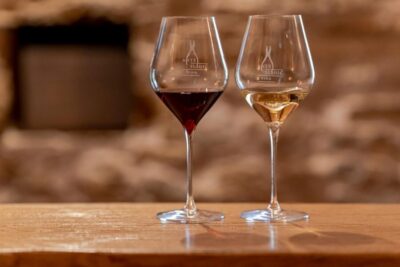
Krka Waterfalls With Boat Cruise, Wine and Olive Oil
Read our review →
Split/Trogir: Krka National Park Day Trip with Wine Tasting
Read our review →

Browse the lists this tour appears in