
Reviewed · HVAR TOURS
Back to the Roots – Ancient Island Interactive Experience
Old Hvar comes alive by hand. In the village of Vrisnik, Terra Arhaica turns a 150-year-old family home into a working lesson in island life, where you grind wheat, handle old tools, taste local food, and hear stories tied to the house and land. I like the hands-on format, especially making flour, working with fishing nets, and learning how a peka fire shaped daily cooking. I also like the warm family welcome from Lana, Magdalena, and Jacob, who bring energy to what could otherwise feel like a quiet museum visit.
The main drawback is the price: $155.33 per person for about 75 minutes is a serious outlay, even with food and private access included. You are paying for a personal cultural encounter and a meal-style tasting, not a long tour with several Hvar sights. If your budget is tight, this may feel expensive. If you want a short, focused look at rural Croatian traditions, it offers something difficult to arrange on your own.
In This Review
- Key points at a glance
- Arriving in Vrisnik and stepping into family life
- Grinding wheat and learning the power of the peka
- Pressing grapes and using the tools of island work
- Salting fish and picking vegetables from the garden
- Figs, weaving, cookies, and the small work of daily life
- Why the 75-minute schedule works, and where it feels tight
- Is $155.33 a fair price for Hvar?
- Who will enjoy Terra Arhaica most?
- Booking details you should know before going
- Should you book this ancient island experience?
- FAQ
- Where does the experience take place?
- How long does the experience last?
- How much does it cost?
- Is the experience offered in English?
- Is this a private activity?
- What food can I expect to taste?
- What practical activities are included?
- What is the cancellation policy?
Key points at a glance
- Grind wheat and taste warm bread: You take part in the old process instead of simply watching a demonstration.
- Learn island food traditions: Olive oil, salted sardines, garden vegetables, cookies, and a farmer’s and fisherman’s lunch connect the activities to real meals.
- Enter a 150-year-old family home: The setting gives the stories a personal link to past generations.
- Try practical village skills: You can handle tools used for wine making, mend a fishing net, weave, and learn how clothes were once ironed with embers.
- Private and English-language: Only your group participates, with an English presentation and a mobile ticket.
- Best for curious eaters and families: Children aged 10 and 12 have enjoyed the mix of food, craft, and history, but the short visit may not suit anyone seeking a full-day tour.
Arriving in Vrisnik and stepping into family life
The experience begins at 5M32+9F Vrisnik, in the inland village of Vrisnik on Hvar. The tour ends at the same meeting point, so you do not need to arrange a second pickup location.
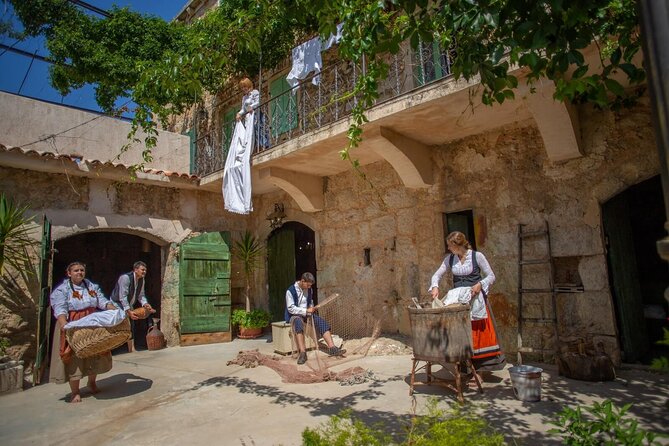
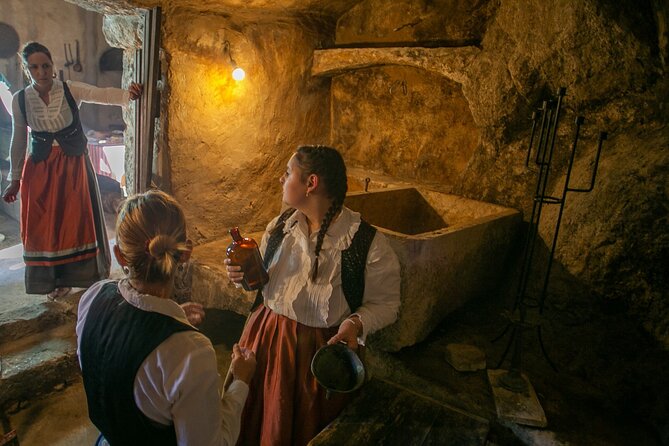
The setting matters. Hvar is often sold through beaches, boats, wine, and bright coastal towns. Vrisnik gives you a different island: stone buildings, working traditions, family land, and the practical routines that supported rural households for generations. You are not just looking at old objects behind glass. You are entering a family home connected to the people who lived there.
Lana, Magdalena, and Jacob welcome you in traditional clothing, then help explain how the property functioned. That personal touch is one of the strongest reasons to choose this activity. The house is not presented as a lifeless historic shell. The family uses stories, tools, food, and demonstrations to show how the place worked.
You should expect a social visit rather than a formal lecture. The hosts speak English, and the activity is private, so your group can ask questions and spend more time with the tasks that interest you. The private format is especially helpful if you are visiting with children or relatives who prefer to learn by doing.
A few more Hvar trips worth comparing
- Blue Cave & Vis Island speedboat tour from Hvar
★ 5.0 · 890 reviews - From Hvar: Vis Island and Blue Cave Speedboat Tour
★ 4.8 · 773 reviews - Blue Cave and Pakleni Islands group Tour from Hvar
★ 5.0 · 490 reviews
Grinding wheat and learning the power of the peka
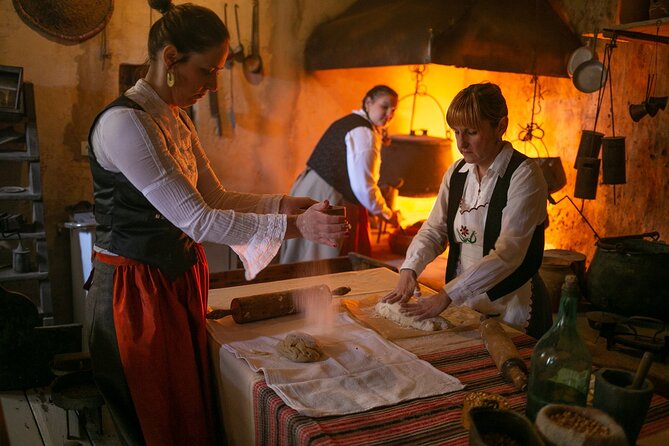
One of the clearest sections focuses on bread. You grind your own wheat and learn how ancestors prepared bread under the peka, the covered cooking method associated with fire-heated food in the region.
Grinding grain sounds simple until you consider the labor behind one loaf. This activity helps you understand the work hidden inside an ordinary meal. A cup of flour once required time, muscle, tools, and fuel. Even coffee, as one part of the experience makes clear, depended on a long chain of effort in earlier rural life.
The fire and fireplace receive special attention. In a traditional home, the hearth was not only a cooking spot. It offered heat, light, and a place where household life gathered. The peka also shows how cooking relied on timing and control rather than modern temperature settings.
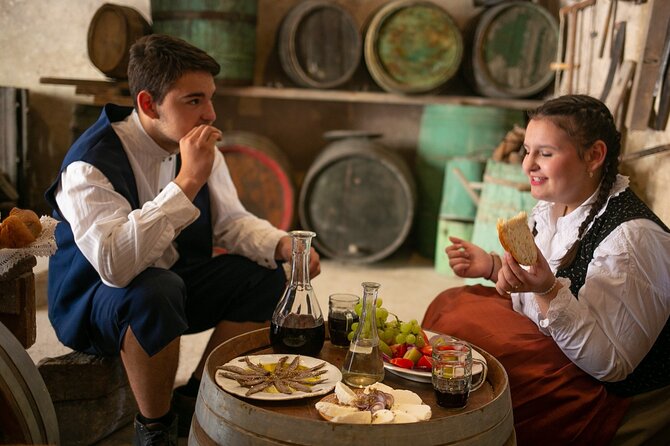
The best part is that the activity stays practical. You are not asked to memorize a list of dates. You handle the process, then taste the result. Warm bread with olive oil taken from a stone vessel is one of the signature food moments. I find this pairing especially effective because it links the tool, the fire, the grain, and the local olive harvest in one bite.
Pressing grapes and using the tools of island work
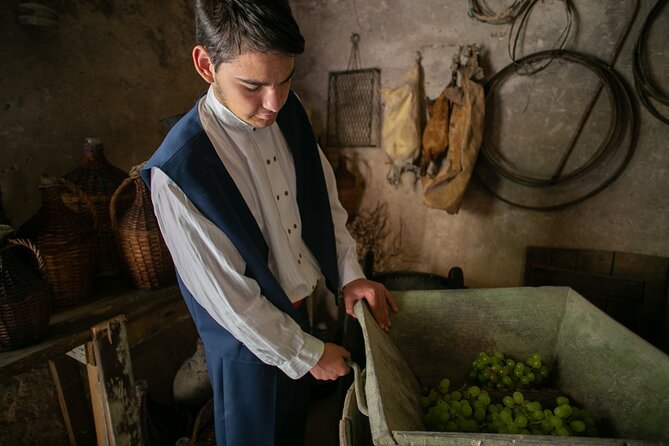
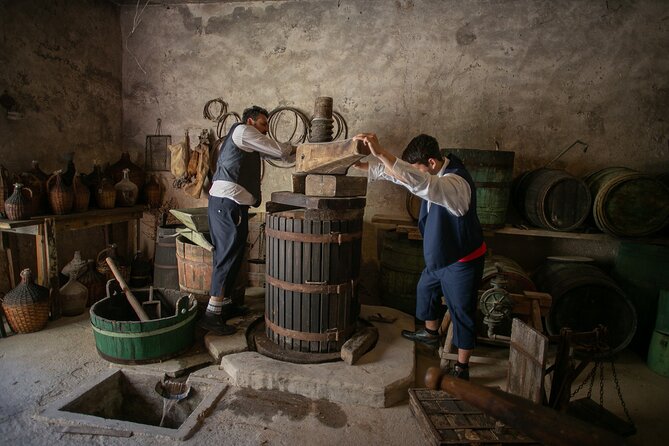
Wine is another part of the visit. You learn how grapes were pressed and how juice became wine, using the kind of tools that once supported household production.
Hvar has a strong wine identity, so this section fits naturally into a wider understanding of the island. Still, the focus here is not a polished winery visit. You are looking at the labor and equipment behind wine made in a family setting. That makes the activity useful for anyone who enjoys wine but wants to understand the process before it reaches a tasting room.
You also get a short look at the cooper’s craft. Trying the skill for a moment gives you a sense of how much work went into making and maintaining wooden containers. The activity is brief, but it adds another layer to the story. Bread, wine, olive oil, and preserved fish all depended on containers and tools that had to be made, repaired, and reused.
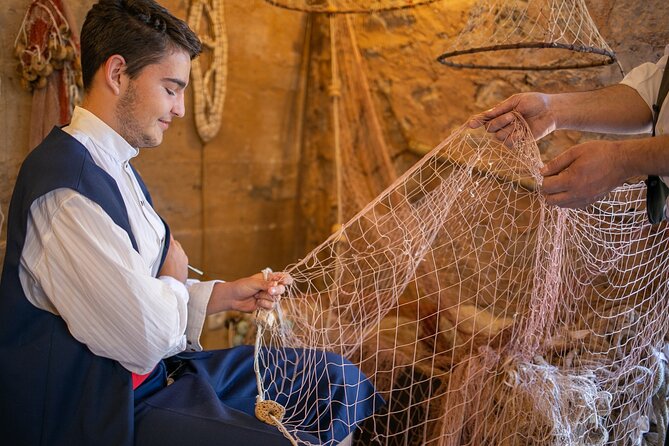
The tour also explains the tools used by fishermen. You can learn how to mend a fisherman’s net and become familiar with the basic equipment. This is a good counterpoint to the farming activities. Rural island life was not one single trade. Families relied on gardens, animals, fishing, olive trees, grapes, and careful preservation.
Salting fish and picking vegetables from the garden
Food is not treated as a final reward tacked onto the end. It is part of the teaching. You learn how to salt your own fish, then combine salted sardines with fresh tomatoes and zucchini picked from the garden.
That contrast is the point. Salted fish reflects storage and survival, while fresh vegetables show what could be gathered close to home. The meal brings those two sides together. You are tasting the reason preservation mattered, not simply sampling an unusual dish.
The food also gives the visit a clear sense of place. Fresh bread, olive oil, sardines, tomatoes, and zucchini are straightforward ingredients, but the activities explain how each reached the table. I like this approach because it avoids treating local cuisine as a string of restaurant plates with no story attached.
The food portion can become substantial. The planned tasting includes a combination of a farmer’s and fisherman’s lunch, and the wider meal format has included starters, a main course, traditional sweets, and after-dinner drinks. One traditional main dish was once made with small birds and is now prepared with chicken, a practical change that preserves the style without using the original ingredient.
Exact portions and dishes can vary, so do not book this expecting a fixed restaurant menu. The emphasis is on traditional flavors, family recipes, and food prepared in the spirit of the house.
Still Hvar, at a slower pace:
- From Hvar: Blue and Green Cave Day Tour
★ 4.3 · 479 reviews - From Hvar: Boat Tour to Pakleni Islands on a Comfort Yacht
★ 4.8 · 424 reviews - Boat Tour at Delfina Hvar
★ 5.0 · 243 reviews - Blue cave group tour with swimming and snorkelling from Hvar
★ 5.0 · 227 reviews
Figs, weaving, cookies, and the small work of daily life
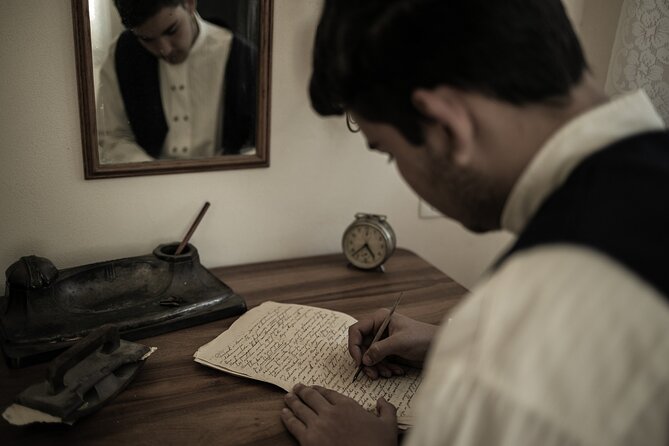
Some of the most memorable lessons concern tasks that are easy to overlook. You learn how figs were dried, how to weave a scarf or bracelet, and how clothes were ironed with embers.
These details show the quiet ingenuity of earlier households. Drying figs created a way to keep fruit beyond the harvest. Weaving turned available fibers into useful or decorative items. Ironing with embers required a completely different routine from plugging in an appliance.
The activities are short, but they help you picture daily life beyond the kitchen. A historic house becomes easier to understand when you see how food was stored, clothes were cared for, and simple objects were made by hand.
The paprenjok cookie adds a lighter, more playful section. You taste this traditional Croatian cookie and learn its secret recipe. Another part of the experience has included making cookie designs and decorating them with traditional techniques. This is a strong fit for families, since children can take part without needing a long attention span for a formal history talk.
The food and craft elements also make the visit accessible to people who do not normally seek out heritage sites. You can enjoy the cooking, the tasting, or the tools even if you have limited background in Croatian history.
Why the 75-minute schedule works, and where it feels tight
The experience lasts about one hour and 15 minutes. That is long enough for a series of demonstrations and tastings, but short enough to fit into a day exploring Hvar.
I see the compact schedule as both a benefit and a limit. You can add it to a day trip, and one account places the property about 30 minutes by car from the port. You do not need to give up an entire day for a single village visit. On the other hand, the number of subjects is ambitious: bread, wine, fishing, salting, fire, figs, weaving, cooperage, ironing, cookies, and lunch-style tasting.
Do not expect a long, slow workshop in every skill. You are sampling many traditions rather than mastering one craft. The value comes from the range and the family storytelling. If you want to bake an entire loaf from start to finish or spend an hour repairing a net, this is not that kind of class.
The private format helps make the short schedule more useful. Your group is the only group participating, so the hosts can keep the pace comfortable and answer questions. A larger public tour might move more quickly from one station to another.
Is $155.33 a fair price for Hvar?
At $155.33 per person, this is not a casual add-on. You should compare it with what you would pay for a standard meal, a guided cultural visit, and a private workshop combined.
The price includes more than a talk. You receive direct contact with a local family, access to a historic home, practical demonstrations, hands-on tasks, and several food experiences. Warm bread, olive oil, sardines, vegetables, cookies, and a traditional lunch-style tasting give the visit a strong culinary element.
Still, the duration is only about 75 minutes. The cost per hour is high if you judge it as a simple sightseeing tour. The value improves if you care about private access, family storytelling, local food, and activities that you cannot easily reproduce without a host.
I would recommend budgeting for it as a special cultural meal rather than as a basic attraction. It makes the most sense for a couple, family, or small private group that wants one memorable island activity. It makes less sense if your main goal is to see as many Hvar sights as possible for the lowest cost.
Who will enjoy Terra Arhaica most?
I would choose this for people who want context with their food. You learn why the ingredients matter and how much work once went into preparing them.
Families are a good match. Children can grind grain, handle selected tools, decorate cookies, and try simple weaving activities. The visit has enough variety to keep younger participants involved, although children who dislike unfamiliar foods may prefer the bread and cookies to the sardines.
History fans should also enjoy it, especially those who prefer homes and objects connected to real family life over formal museums. The strongest feature is the direct link between the house and the family members presenting it.
Food-focused visitors will find plenty to enjoy. The olive oil and warm bread are simple but memorable. The combination of salted sardines, tomatoes, and zucchini gives you a clear taste of preserved and fresh island ingredients. Traditional cookies and after-dinner drinks add to the meal-like quality.
I would be more cautious if you want scenery, hiking, swimming, or a full wine tour. Those are not the focus here. You are coming to Vrisnik for rural customs, food, craft, and conversation.
The activity is also a good choice for a day trip from Split or a short Hvar visit. If you have extra time on the island, the family also runs a bed and breakfast, so you may want to consider staying longer, but the supplied details do not establish the accommodation’s price or availability.
Booking details you should know before going
You receive a mobile ticket, and the activity is offered in English. Confirmation arrives within 48 hours of booking, subject to availability, so leave room in your plans until the booking is confirmed.
The meeting point is in Vrisnik, and the activity returns there. Plan your route carefully because the experience does not finish at another Hvar sight or port.
Service animals are allowed. Only your group participates, which makes this a private activity rather than an open group tour.
Free cancellation is available if you cancel at least 24 hours before the local start time. Cancellations or changes made less than 24 hours before the start are not accepted for a refund. The activity is often booked well ahead, with an average booking time of 54 days in advance, so reserving early is sensible during busy island periods.
Should you book this ancient island experience?
Book it if you want to meet a local family, taste food tied to its source, and take part in old household skills. Terra Arhaica is at its best when you slow down and pay attention to the work behind ordinary things: flour, bread, wine, fish, clothes, cookies, and fire.
Skip it if $155.33 feels too high for a 75-minute activity or if you want a broad tour of Hvar’s coast and major sights. For the right audience, though, this is a memorable way to see the island from the inside, through a family kitchen and a set of tools that still carry their purpose.
FAQ
Where does the experience take place?
It takes place in Vrisnik, Hvar, Croatia. The listed meeting point is 5M32+9F Vrisnik, and the activity ends back at the same meeting point.
How long does the experience last?
The activity lasts approximately one hour and 15 minutes.
How much does it cost?
The listed price is $155.33 per person.
Is the experience offered in English?
Yes. The experience is offered in English.
Is this a private activity?
Yes. Only your group participates.
What food can I expect to taste?
The experience includes warm bread with olive oil, salted sardines with fresh tomatoes and zucchini, a farmer’s and fisherman’s lunch combination, and a traditional paprenjok cookie. Other traditional meal items and drinks may also be part of the food experience.
What practical activities are included?
You can grind wheat, learn about peka bread making, press grapes, mend a fishing net, salt fish, handle wine-making tools, learn about drying figs, try weaving, experience a cooper’s craft, and learn how clothes were ironed with embers.
What is the cancellation policy?
You can cancel for a full refund up to 24 hours before the experience’s start time. Cancellations or changes made less than 24 hours before the start time are not accepted for a refund.
Just added around Hvar
- Cycle Hvar Tour★ 5.0 · 131 reviews
- Tuk Tuk Sightseeing Tour of Hvar★ 5.0 · 68 reviews
- Wine Lovers tour from Hvar★ 5.0 · 5 reviews
- Jewels of Hvar – Private Walking Tour★ 4.5 · 6 reviews
- Private Speed Boat Tour of Hvar South Shore & Pakleni islands★ 5.0 · 20 reviews
- Water Taxi Ride from Hvar to Split Airport★ 5.0 · 5 reviews
- Speedboat transfer from Hvar town (Water taxi transfer) to Airport Split★ 5.0 · 4 reviews
- Sunset Kayak Tour in Hvar Town, Croatia★ 5.0 · 4 reviews
Hvar Tours, compared.
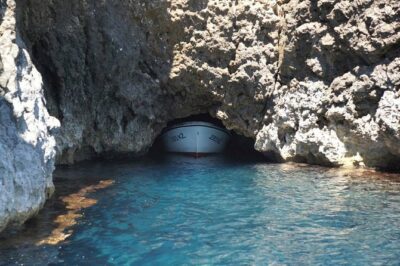
Blue Cave & Vis Island speedboat tour from Hvar
Read our review →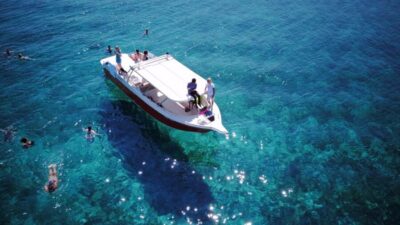

Blue Cave and Pakleni Islands group Tour from Hvar
Read our review →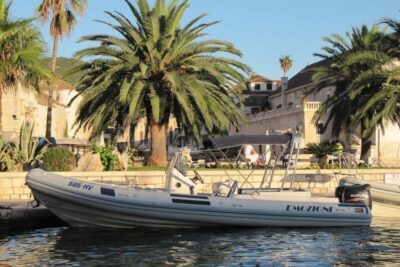

Boat Tour to Pakleni Islands on a Comfort Yacht
Read our review →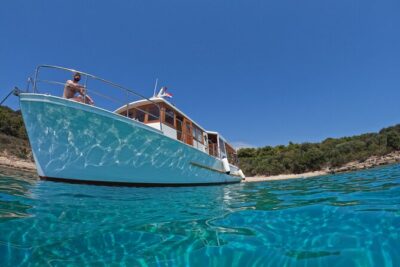
Blue cave group tour with swimming and snorkelling from Hvar
Read our review →
Browse the lists this tour appears in