
Reviewed · WINE TOURS
Hvar: Wine Lovers Tour to 3 Wineries with Local Tastings
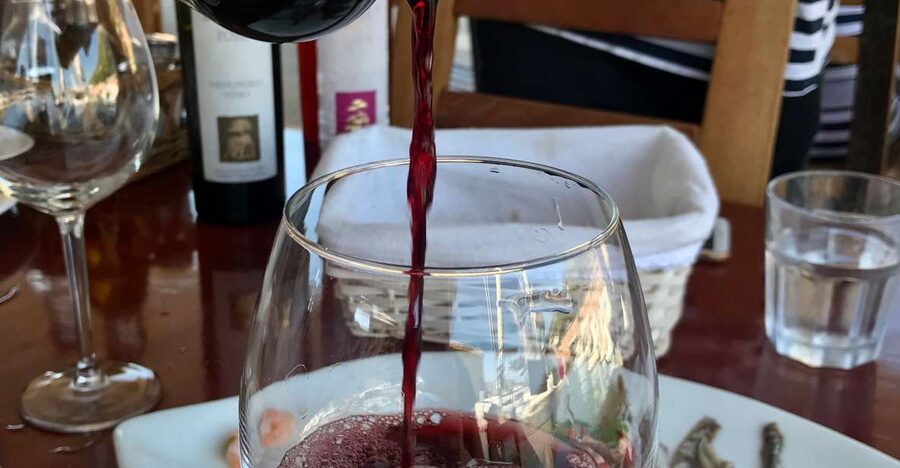
Hvar has more to offer than beach bars. This wine tour takes you into the island’s smaller villages, where you taste native grapes, meet passionate producers, and learn how farming shaped Hvar. I especially like the three-winery format, which gives you a useful range of styles, and the chance to try local foods with the wine rather than tasting in isolation. I also like the way the guide adds context about Hvar’s pine trees, lavender, agriculture, and shrinking village populations. The main drawback is that the three wineries depend on availability, so you cannot count on visiting a particular producer.
The tour costs $259 per person. That is not a casual afternoon purchase, but it includes private transportation, a driver-guide, tastings at three wineries, and appetizers or snacks. If you are not renting a car, the price becomes easier to justify, especially since you reach inland villages and smaller wine estates that are awkward to visit on your own. The minimum booking requirement is two people, and the tour is conducted in English.
In This Review
- Key points to know before booking
- Why this tour shows you a different Hvar
- Understanding Hvar’s native grapes and wine traditions
- Possible stop: Plenković in Sveta Nedjelja
- Possible stop: Tomić and the Prošek tradition in Jelsa
- Possible stop: Dubokovic-Medvid in Jelsa
- Possible stop: Ventus in Vrisnik
- Possible stop: Plančić in Vrban
- Possible stop: Carić in Vrboska
- What the guide adds to the day
- Food, olive oil, and buying bottles
- Is $259 a fair price?
- Who will enjoy this Hvar wine tour most?
- Final call: Should you book?
- FAQ
- Where does the wine tour take place?
- How many wineries will I visit?
- How many wines are included?
- Are food pairings included?
- Is transportation included?
- Is the tour offered in English?
- Will I taste Prošek?
- Can I buy wine at the wineries?
- How many people are required for the tour to operate?
- Can I cancel the booking?
Key points to know before booking
- Three wineries, one island story: You visit three producers selected from a group that includes old family estates, young boutique makers, and ambitious newcomers.
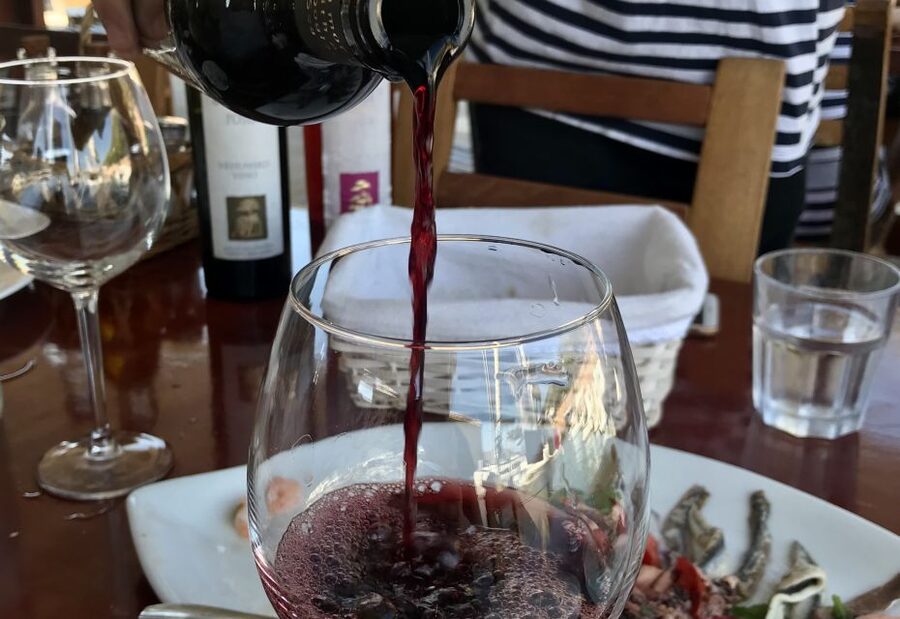
- Four to five wines: Tastings focus on Hvar’s indigenous grapes, along with local styles such as Prošek.
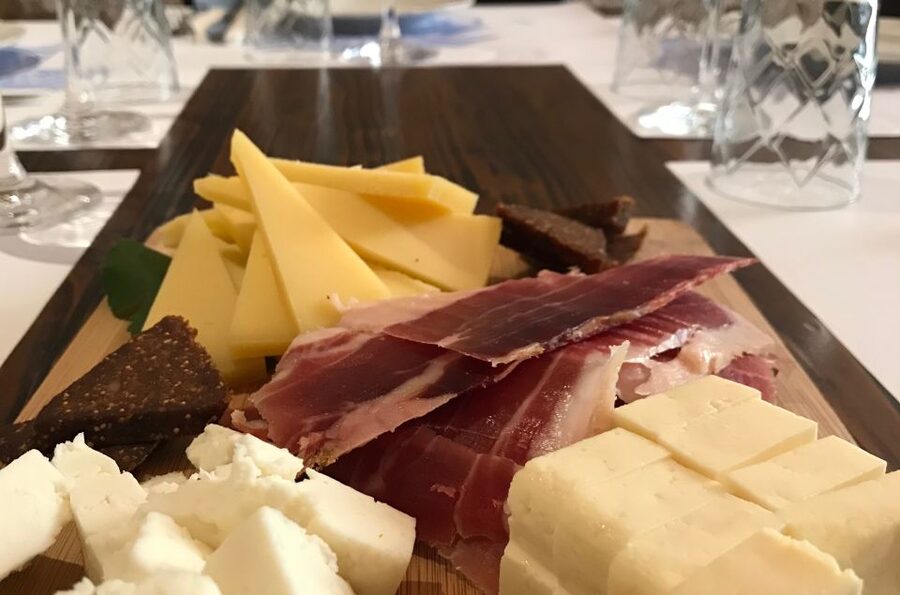
- Food comes with the wine: Expect regional appetizers, charcuterie, olive oil, and other local snacks depending on the winery.
- Dinko adds useful context: His tour commentary covers Hvar’s agriculture, tourism changes, lavender cultivation, pine trees, and local population decline.
- Wine stops vary: Plenković, Tomić, Dubokovic-Medvid, Ventus, Plančić, and Carić are among the possible wineries, but availability determines the final route.
- Plan for country roads and villages: Comfortable shoes matter, and cash is sensible for personal purchases.
Why this tour shows you a different Hvar
Hvar Town can make the island feel like a polished seaside resort. This experience changes the picture. You travel toward villages such as Jelsa, Vrisnik, Vrban, Vrboska, and Sveta Nedjelja, where grape growing remains tied to family land, local weather, and old agricultural habits.
That change of setting is one of the tour’s best features. You are not simply drinking four or five glasses in one tasting room. You are comparing different families, different methods, and different ideas about what Hvar wine should be.
The guide also helps connect the vineyards to wider island issues. Dinko has been praised for explaining the spread of non-native pine trees, the decline of lavender cultivation, and the falling population in some communities. Those details matter because Hvar’s wine culture is not just about bottles. It is part of a changing rural economy.
You may also see places such as Little Venice and the Stari Grad plain from the old road, depending on the route and timing. These extra views give the drive more purpose. You are getting a look at the island away from the main waterfront, not simply being shuttled from one tasting room to another.
More Wine Tours in Hvar
- Hvar: Hvar Wine Tasting Experience
★ 4.8 · 128 reviews - Hvar Wine tasting small group experience
★ 4.5 · 80 reviews - Hvar: Island tour with Wine and Olive Oil Tasting
★ 4.9 · 77 reviews
Understanding Hvar’s native grapes and wine traditions
Hvar has an old wine-making tradition, but the tour does not treat that tradition as frozen in time. Some producers focus on indigenous grapes. Others buy grapes from local farmers, test newer ideas, or use modern cellar techniques while keeping local varieties at the center.
The tasting count is listed as four or five wines, not a fixed number from every winery. That means the experience is likely to vary with the producers visited and the wines available that day. You should expect a guided introduction rather than a formal wine course.
One style worth watching for is Prošek. This is a traditional Dalmatian wine made from carefully selected grapes of high local quality. It can be an important part of understanding the region because it shows how Dalmatian winemaking includes more than the dry table wines most visitors first seek.
The food pairing also helps. Local appetizers, charcuterie, olive oil, and snacks give you something to eat between pours and show how wine fits into everyday Dalmatian hospitality. These pairings are not merely a practical fix for an afternoon of alcohol. They help you judge the wines in a local setting.
Possible stop: Plenković in Sveta Nedjelja
Sveta Nedjelja sits by the water and is home to the Plenković family winery. The family began its horticultural company in 1986, and the estate is known for producing Croatia’s only Grand Cru.
The unusual feature is the underwater wine cellar, which looks out toward the seabed. That makes Plenković one of the more distinctive possible stops on the route. It is a good fit if you like wine with a strong sense of place and a little engineering drama.
The drawback is simple: this is only a possible winery. You should not book the tour solely because you want to see the underwater cellar. The final three stops depend on availability, and the experience may take you to other producers instead.
Possible stop: Tomić and the Prošek tradition in Jelsa
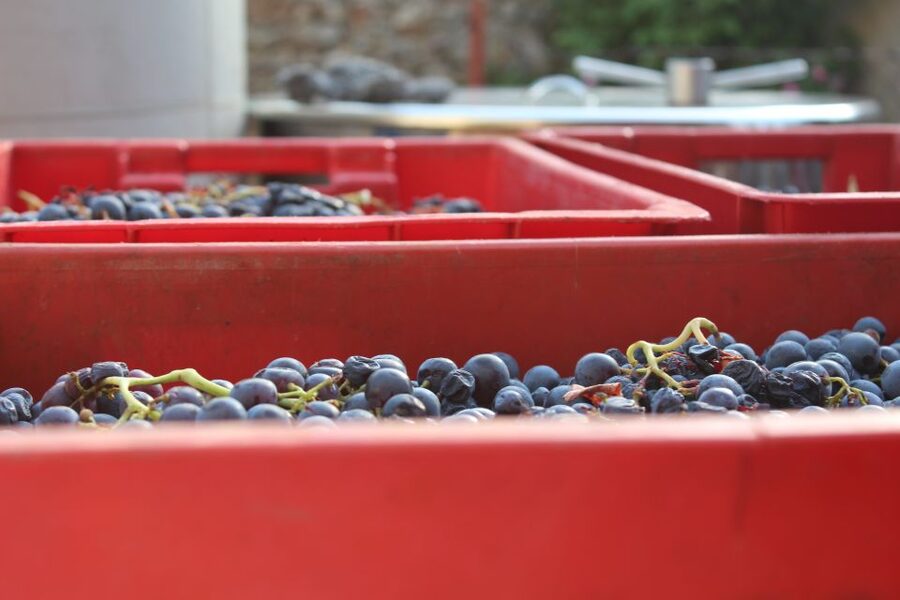
Jelsa has a long connection with wine, and the Tomić family works with indigenous grapes while also experimenting with new ones. The winery is especially associated with Prošek, the traditional Dalmatian wine made from selected high-quality grapes.
This stop would suit you if you want to learn how older local styles fit into modern winemaking. The appeal is not just the tasting itself. It is the chance to compare a traditional sweet or dessert-style wine with other wines served during the day.
Because the exact tasting lineup is not provided, you should not assume that Prošek will always be poured. Ask your guide or host what you are tasting and how it differs from the dry wines in your glass. That small question can turn a pleasant pour into a useful lesson.
Still Hvar, at a slower pace:
- Blue Cave & Vis Island speedboat tour from Hvar
★ 5.0 · 890 reviews - From Hvar: Vis Island and Blue Cave Speedboat Tour
★ 4.8 · 773 reviews - Blue Cave and Pakleni Islands group Tour from Hvar
★ 5.0 · 490 reviews - From Hvar: Blue and Green Cave Day Tour
★ 4.3 · 479 reviews
Possible stop: Dubokovic-Medvid in Jelsa
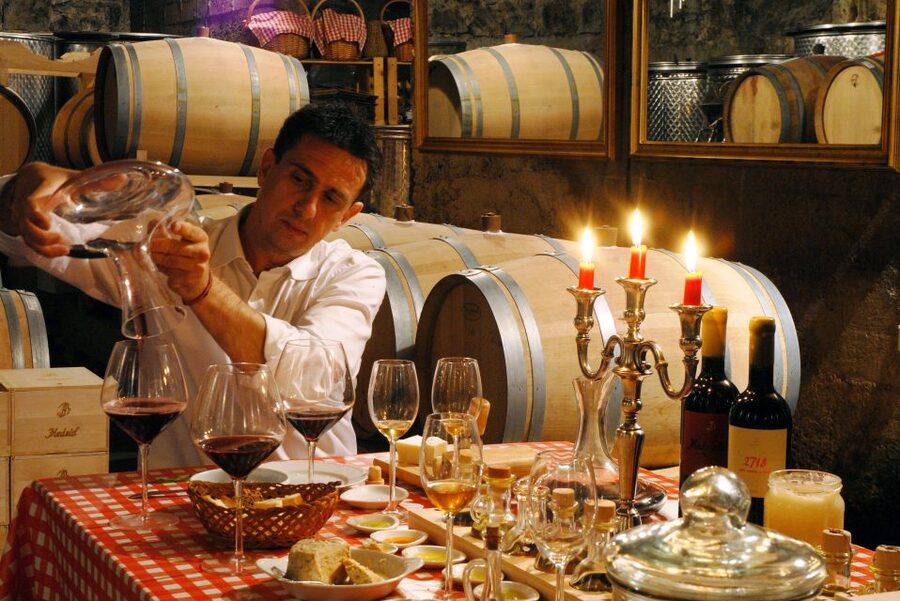
Dubokovic-Medvid represents a younger kind of Hvar wine business. The producers work with very small land plots and buy grapes from other farmers. Their regular vintage wines have become some of the most expensive in Croatia.
That detail makes this a particularly interesting stop for anyone curious about status, scarcity, and pricing in wine. A producer does not need to own a huge estate to command attention. Small vineyard holdings, carefully selected grapes, and a strong reputation can support a high price.
Do not assume that an expensive bottle will be your favorite. Taste first, then decide. One advantage of visiting wineries in person is that you can compare cellar prices with those in Hvar Town, where bottles may cost more. Douglas, who praised the tour’s value for drivers and wine buyers, specifically noted that winery prices were lower than prices in town.
Possible stop: Ventus in Vrisnik
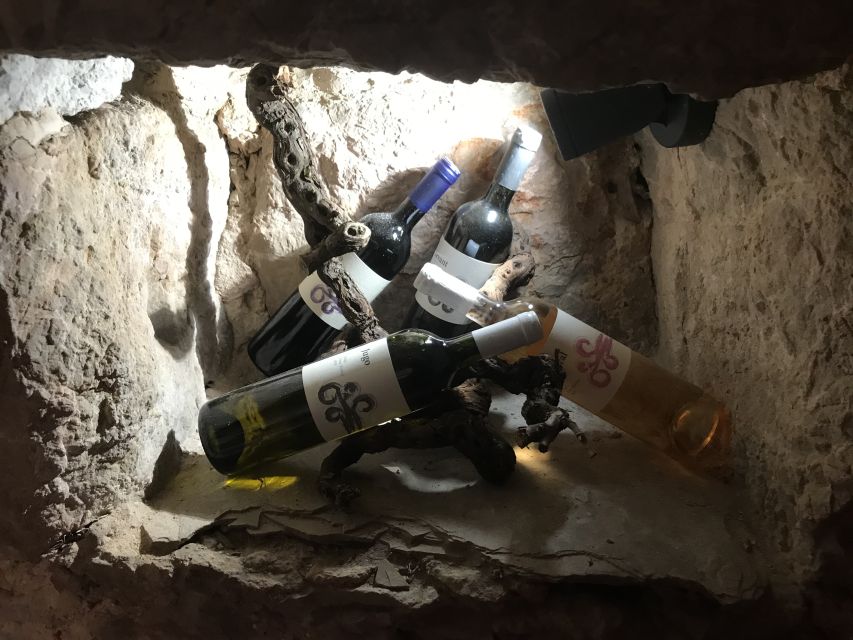
Ventus is a boutique winery that opened in Vrisnik in 2019. It was created by two friends, making it one of the newer businesses in the group.
The winery’s branding follows the island’s wind patterns. Its logo is based on a wind rose, and each wine is named for a wind associated with the vineyard’s location. That is a smart way to connect a modern label with the natural conditions that shape grape growing.
A stop here gives you a contrast with the older family estates. You can see how younger producers use design, small-scale production, and a clear identity to enter Hvar’s wine scene.
The limitation is that a young boutique winery may not offer the same long family story or large selection as an established producer. That difference is part of the point, though. Three varied stops are more useful than three nearly identical estates.
Possible stop: Plančić in Vrban
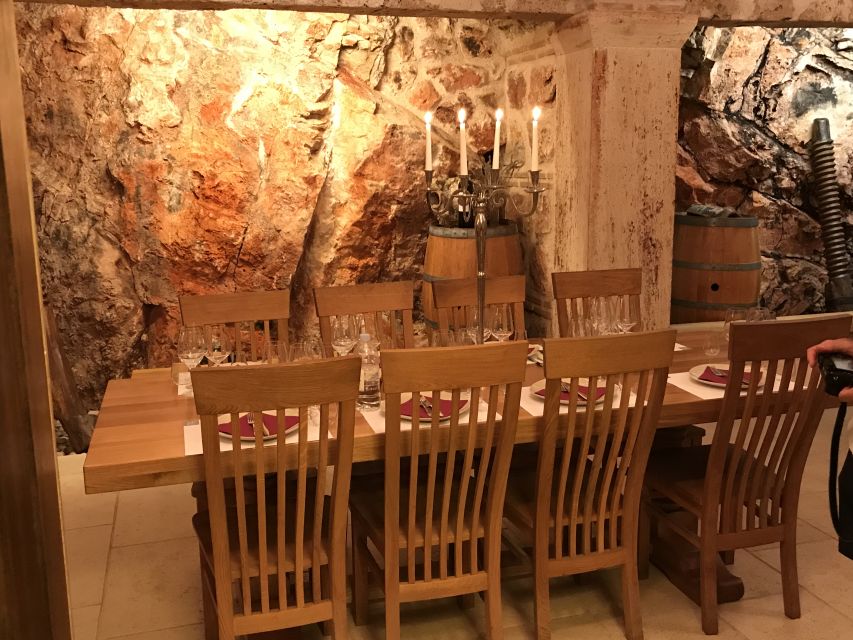
The Plančić family has worked with wine since 1919 in the village of Vrban. Its approach combines family tradition with modern oenological methods, while continuing to emphasize indigenous grape production.
This is the kind of stop that helps explain why Hvar wine is more than a tourism product. A family business with more than a century of experience has had to adjust over time, yet it still presents each glass as an expression of the grapes, the protected local environment, and the character of the island.
If you prefer producers with a long family connection to the land, Plančić may be one of the most appealing possible visits. Again, the route is not fixed, so treat it as a bonus rather than a guarantee.
Possible stop: Carić in Vrboska
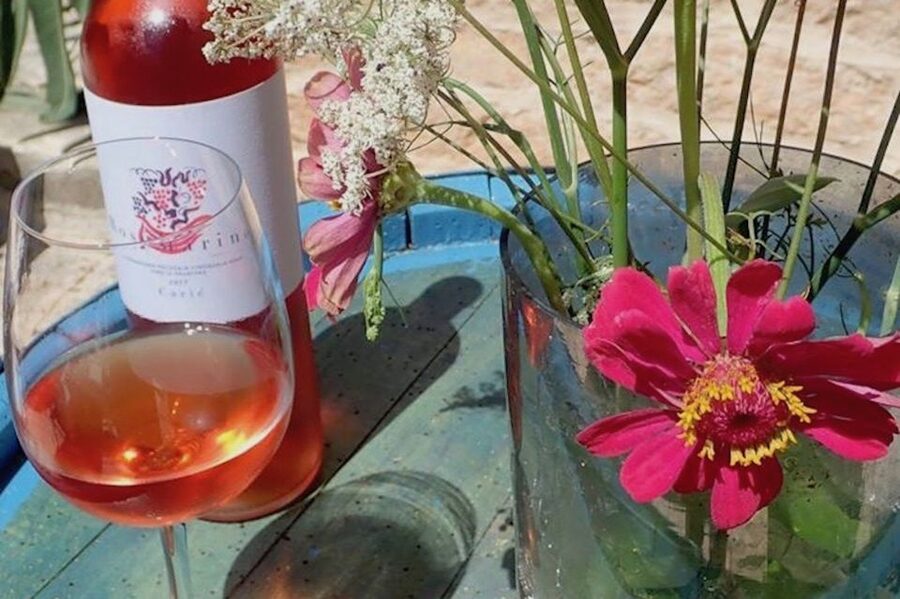
The Carić family has a long connection with vineyards and owns more than five hectares in the designated wine-growing area called Vinogorje Hvar. The family began making its own Carić wines after the creation of Vino Hvar.
This story gives you another useful comparison. Some families grow grapes for generations before shifting toward their own branded production. That move changes the business, the identity of the winery, and the way visitors experience the wine.
Vrboska also adds another village to the route. If you spend most of your island time around Hvar Town, a stop in or near Vrboska can show you a quieter side of Hvar’s wine country.
What the guide adds to the day
The guide can make or break a tasting tour. Here, Dinko receives especially strong praise for his commentary and relaxed manner. He explains local history and current island changes rather than filling the drive with generic facts.
His discussion of non-native pine trees and the near disappearance of lavender cultivation is particularly useful. Those subjects show that Hvar’s rural identity has shifted under pressure from tourism, changing agriculture, and population loss.
Dinko also appears to leave room for the day to breathe. One couple celebrating a 26th wedding anniversary appreciated that they were not rushed between stops and did not feel pushed to buy wine. That matters. A good winery tour gives you time to taste, ask questions, and look around without turning every stop into a sales pitch.
Marijo, who hosted the first tasting for one group, was praised for his enthusiasm and strong wine knowledge at a young age. Emily, at the final winery, was also noted for her friendly and informed presentation. Since the winery lineup changes, you may not meet these exact hosts, but the pattern is encouraging: the local hosts are part of the experience, not just background staff.
Food, olive oil, and buying bottles
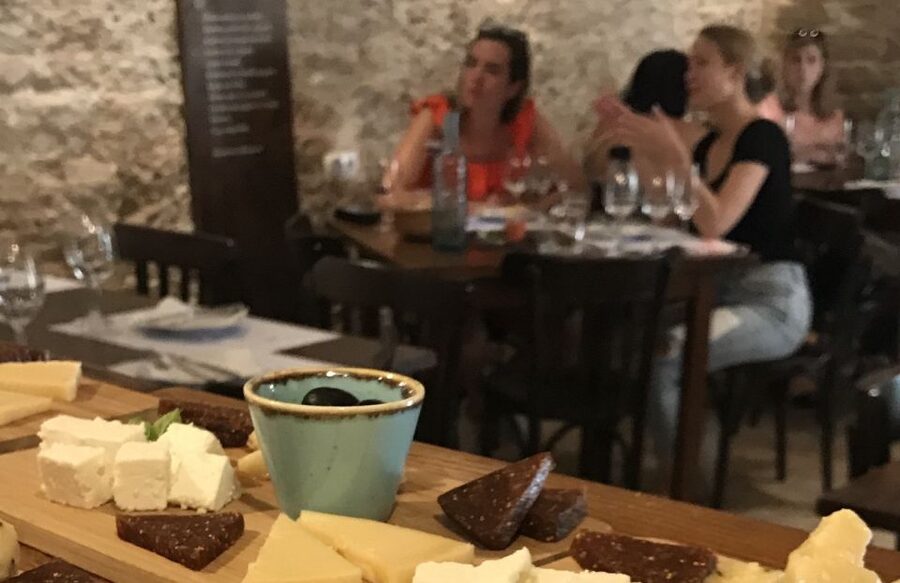
The tour includes appetizers and snacks, with local foods served alongside the wines. One account specifically praised the food and olive oils, while another described the tastings as including charcuterie.
That makes the tour more practical for a full day of drinking. Still, eat a proper meal before departure if you know wine affects you quickly. The included food is a pairing, not a promise of a full lunch.
You will likely have chances to buy bottles. There is no pressure to do so, which is welcome. If you find something you like, buying at the winery can be good value, since bottles may cost less there than in Hvar Town.
Bring cash as advised. The tour information does not say which wineries accept cards or whether every producer has the same payment options. A camera is also worth carrying, especially for the village roads, coastal settings, vineyards, and unusual cellar features.
Is $259 a fair price?
At $259 per person, the tour is aimed at people who value convenience and access rather than the cheapest possible tasting. You are paying for transportation around Hvar, an English-speaking driver-guide, three winery visits, four or five wines, and local snacks.
The price looks stronger if you are not renting a car. Driving after several tastings is a poor plan, and arranging separate taxis to villages such as Vrisnik, Vrban, Vrboska, Jelsa, or Sveta Nedjelja could be inconvenient and costly. The tour also saves you from planning which wineries are open and how to connect them in one day.
If you already have a rental car and only want one tasting, this may feel expensive. If you want three different producers and a guide who explains the island beyond wine, the package is easier to defend.
The strongest value comes from the combination of transport and access. You are not paying only for wine. You are buying a structured way to see agricultural Hvar without worrying about roads, directions, or drinking and driving.
Who will enjoy this Hvar wine tour most?
I would recommend it to wine lovers who want to compare producers rather than sit in one tasting room. It also suits couples, small groups, and anyone marking a special occasion. The relaxed pace and lack of pressure to buy are helpful for a celebratory day.
It is also a smart choice if you are staying in Hvar Town and want to reach inland villages. You get a fuller picture of the island, including its farming traditions and current problems.
You may want to skip it if you dislike wine, have little interest in village life, or need a tightly fixed itinerary with guaranteed stops. The tour does not promise one exact trio of wineries, and the experience centers on tastings rather than sightseeing at major monuments.
Book at least two people together, since that is the minimum requirement. There is a possibility of cancellation if too few passengers are available, with an alternative offered when possible or a full refund otherwise. You can reserve now and pay later, and cancellation is allowed up to 24 hours in advance for a full refund.
Final call: Should you book?
I would book this tour if you want to see Hvar beyond the waterfront and prefer someone else to handle the driving. The combination of three different winery styles, local food, village roads, and Dinko’s island commentary gives the day real substance.
The key is to accept the flexible route. You are booking a broad Hvar wine experience, not a guaranteed visit to Plenković, Tomić, Dubokovic-Medvid, Ventus, Plančić, or Carić. For most people, that is a fair trade. The variety is the main attraction, and the tour’s strongest quality is the way wine opens a door onto the island’s changing rural life.
FAQ
Where does the wine tour take place?
The tour explores Hvar Island in Dalmatia, Croatia. Possible stops include wineries in Sveta Nedjelja, Jelsa, Vrisnik, Vrban, and Vrboska.
How many wineries will I visit?
You will visit three different wineries. The specific three depend on availability.
How many wines are included?
The experience includes four to five wine tastings.
Are food pairings included?
Yes. Local appetizers or snacks are included with the tastings. Charcuterie and olive oil may be part of the food served.
Is transportation included?
Yes. Transportation and a driver-guide are included in the tour price.
Is the tour offered in English?
Yes. English is the listed tour language.
Will I taste Prošek?
Prošek is associated with the Tomić winery in Jelsa, which may be one of the three selected stops. Since the wineries depend on availability, the tour does not guarantee that you will visit Tomić or taste Prošek.
Can I buy wine at the wineries?
Yes, you may have opportunities to purchase bottles at the wineries. Cash is recommended, and there is no stated requirement to buy anything.
How many people are required for the tour to operate?
At least two people are required per tour. The tour may be canceled after confirmation if there are not enough passengers.
Can I cancel the booking?
Yes. You can cancel up to 24 hours in advance for a full refund. You can also reserve your place and pay later.
Just added around Hvar
- Cycle Hvar Tour★ 5.0 · 131 reviews
- Tuk Tuk Sightseeing Tour of Hvar★ 5.0 · 68 reviews
- Wine Lovers tour from Hvar★ 5.0 · 5 reviews
- Private Speed Boat Tour of Hvar South Shore & Pakleni islands★ 5.0 · 20 reviews
- Water Taxi Ride from Hvar to Split Airport★ 5.0 · 5 reviews
- Jewels of Hvar – Private Walking Tour★ 4.5 · 6 reviews
- Speedboat transfer from Hvar town (Water taxi transfer) to Airport Split★ 5.0 · 4 reviews
- Sunset Kayak Tour in Hvar Town, Croatia★ 5.0 · 4 reviews
Wine Tours, compared.
Krka National Park Tour with tour Guide & Wine tasting from Split & Trogir
Read our review →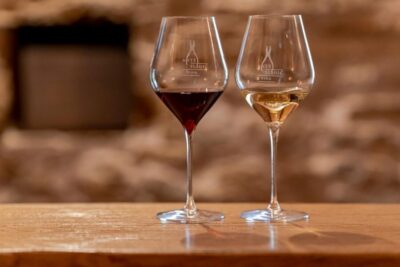
Krka Waterfalls With Boat Cruise, Wine and Olive Oil
Read our review →
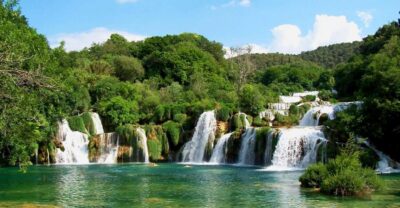
Split/Trogir: Krka National Park Day Trip with Wine Tasting
Read our review →
Browse the lists this tour appears in