
Reviewed · SIBENIK TOURS
The beauty of the Middle Ages-Šibenik
Šibenik rewards slow looking. This 90-minute walk brings you through medieval gates, narrow stone lanes, noble palaces, old fraternities, and Croatia’s celebrated St. James Cathedral. I like the route’s clear sense of place, and I especially like that it ends with the cathedral rather than treating it as a quick photo stop. The main caution is the many stairs, which can make this a tiring outing for anyone with limited mobility.
I also like the small group limit of 10 people. Guide Dario Mikulandra has earned strong praise for his enthusiasm and detailed explanations, particularly about Šibenik’s churches and sacred art. Still, one booking record reports a 30-minute wait with no guide appearing, so I would confirm the meeting details shortly before setting out.
In This Review
- Key points about the Šibenik medieval walk
- Starting by the coast with St. Michael’s Fortress in view
- St. Francis Monastery and the 1762 Nakić organ
- Noble palaces, family coats of arms, and the Šibenik meter
- Gorica, St. Luca, and the city’s unusual May tradition
- Four Wells Square and the old cistern
- St. James Cathedral, the tour’s main reward
- What Dario adds to the experience
- Is $32 a fair price for 90 minutes?
- Who should book this Šibenik walk?
- Final verdict: a strong choice for history-minded visitors
- FAQ
- How long does the Šibenik medieval tour last?
- What languages are available?
- How large is the group?
- Is entry to St. James Cathedral included?
- Where is the meeting point?
- Can I cancel the tour for a full refund?
Key points about the Šibenik medieval walk
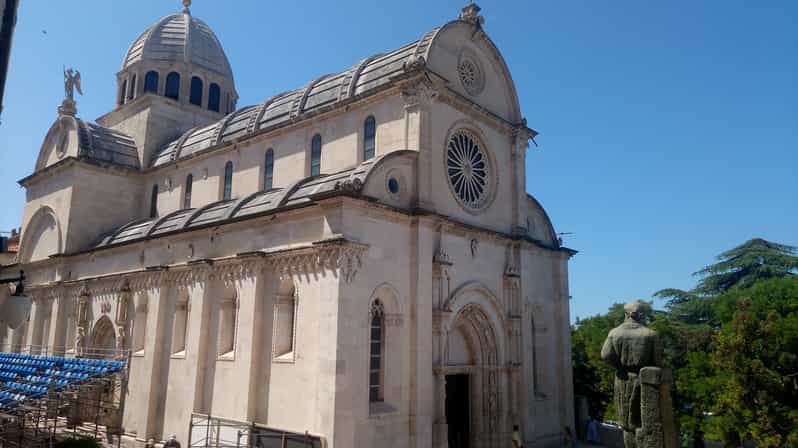
- A cathedral-focused finale: Your included entry to St. James Cathedral gives the tour a proper centerpiece.
- A small group of up to 10: This should make it easier to hear explanations and ask Dario questions.
- A route through several layers of the old town: You visit St. Francis Monastery, the noble quarter, Gorica, St. Luca Monastery, Four Wells Square, and the cathedral.
- The 1762 Nakić organ: You get to see one of Šibenik’s most valuable organs inside the monastery of St. Francis.
- A stair-heavy walk: The route includes climbs and a descent through the old streets, so good walking ability matters.
- A strong value at $32: For 90 minutes, a professional guide, monastery visits, and cathedral admission are included.
Starting by the coast with St. Michael’s Fortress in view
The walk begins on the waterfront, looking toward Šibenik’s old town and the fortress of St. Michael. This is a useful opening because you first see the city as a whole before entering its tight medieval core.
I like this kind of beginning. The old town can feel like a maze once you are among the stone lanes, so the coastal view gives you a quick sense of how the historic center fits together. It also sets up the city’s defensive story without requiring a long history lecture before you start walking.
From there, you enter through the eastern city gates. That transition matters. You leave the open coast behind and move into streets shaped by centuries of foot traffic, church life, noble families, and local trade.
The route is not a flat stroll along a promenade. You should expect uneven stone streets, narrow passages, and plenty of stairs. One particularly useful warning from the tour feedback is that the steps are substantial enough to rule out the walk for some people. Wear shoes with a firm grip and avoid bringing anything bulky.
A few more Sibenik trips worth comparing
- From Split: Krka National Park Tour
★ 4.7 · 2,359 reviews - Vodice: Krka Waterfalls National Park Boat Tour
★ 4.6 · 250 reviews - Split: Krka Waterfalls Guided Day Trip with Swim & Boat Tour
★ 4.5 · 170 reviews
St. Francis Monastery and the 1762 Nakić organ
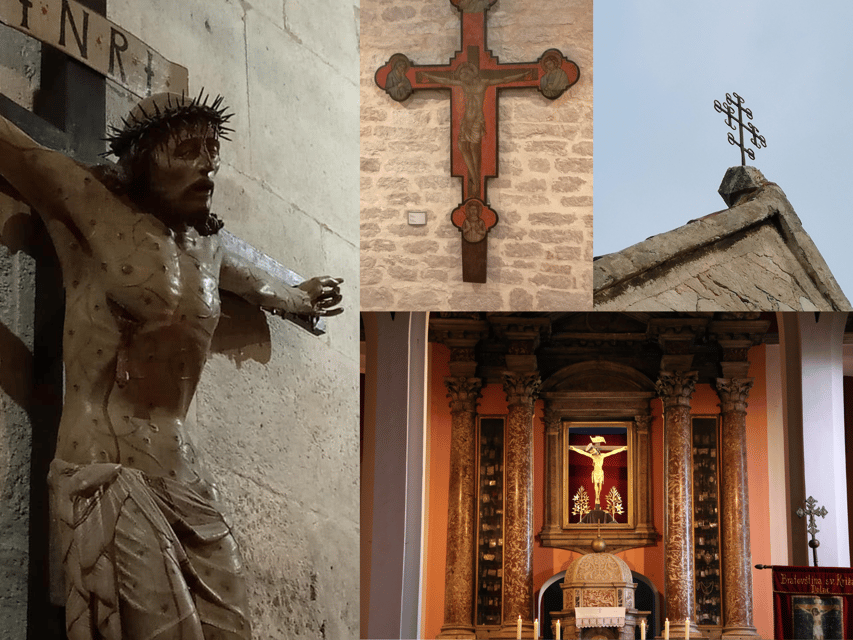
The first major stop is the monastery and church of St. Francis. The monastery is almost seven centuries old, and the guide uses it to explain the religious institutions that helped shape Šibenik.
This is more than a quick church visit. The focus includes the monastery’s age, its place in the city, and the secrets connected with its long history. Dario’s background in sacred art is particularly useful here, since the details of a religious building can otherwise be easy to miss.
The standout object is the organ built by Petar Nakić in 1762. It gives the stop a concrete point of interest. Instead of hearing only about dates and architectural styles, you have a specific piece of craftsmanship to look at and a reason to consider how music once filled this church.
The amount of time spent inside the cathedral later in the tour may be greater, but the monastery helps widen the picture. Šibenik’s story is not only about one famous building. It is also about monasteries, churches, confraternities, and the people who supported them.
Noble palaces, family coats of arms, and the Šibenik meter
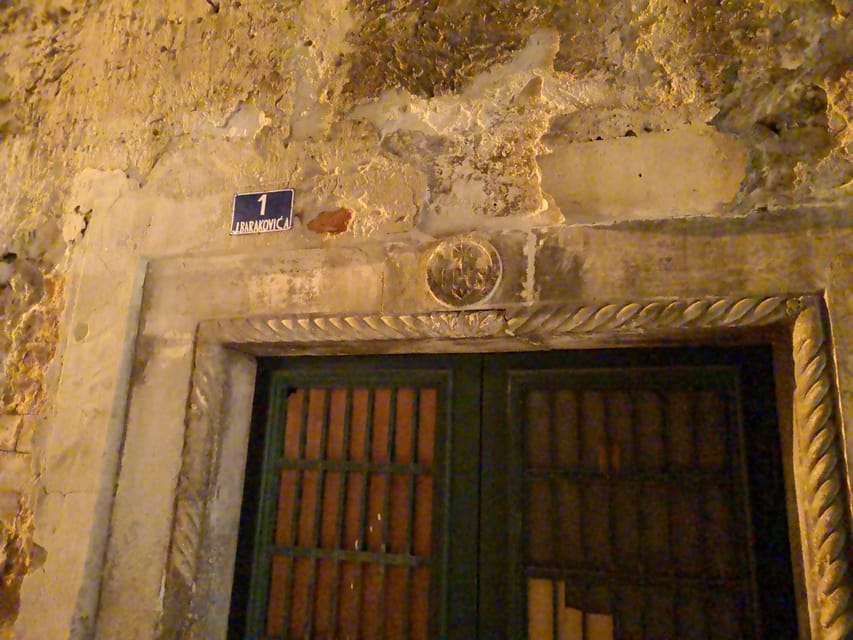
After St. Francis, the route moves through the old town’s noble quarter. Here, the details are close to eye level: old portals, carved coats of arms, and the façades of palaces connected with Šibenik’s noble families.
This is where a guide adds real value. On your own, you might admire the stonework but miss the clues that separate a noble entrance from an ordinary doorway. Dario points out the symbols and explains how the city’s prominent families marked their place in public life.
The tour also introduces the Šibenik meter, a distinctive local measurement connected with the city. It is an enjoyable detail because it takes you away from grand monuments and into the practical life of an old Dalmatian town. Small facts like this help turn a walk through beautiful streets into a lesson about how the city functioned.
You also learn about four of Šibenik’s most important medieval fraternities. These groups were part of the city’s religious and social fabric. The subject may appeal most to visitors who enjoy local institutions and church history, but it also gives useful context for the buildings you are seeing.
The narrow streets are a major part of the experience. They are atmospheric, but they can also slow the group and require careful footing. If you prefer broad streets, easy access, and constant forward progress, this is not that kind of tour. The old town’s character comes from its tight, irregular layout.
Gorica, St. Luca, and the city’s unusual May tradition
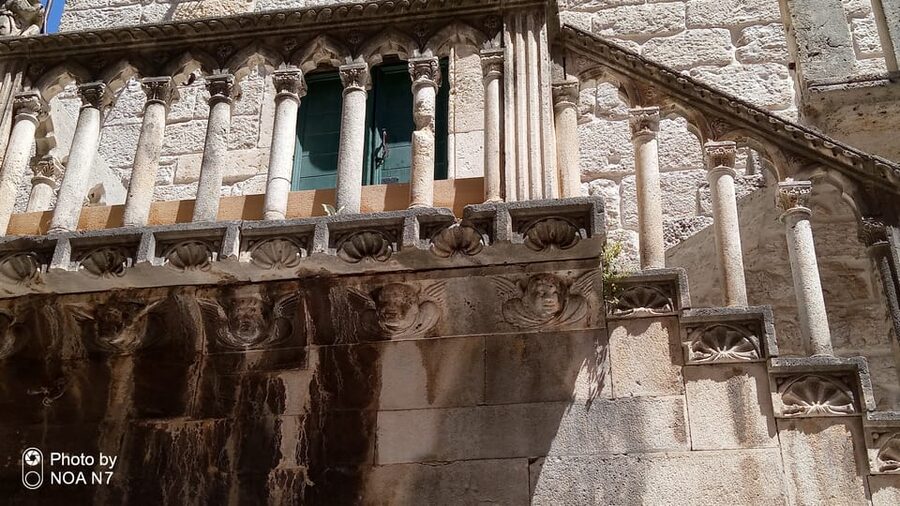
The next section takes you through Gorica, another part of the historic city that can be easy to pass through without understanding. You visit the Benedictine monastery of St. Luca and hear about the local belief or custom explaining why weddings are not held in Šibenik in May.
That story is one of the tour’s more memorable touches. It connects the city’s religious traditions with everyday customs and gives you a local detail to remember after the larger monuments have blurred together.
The route then brings you to the Lurd cliff, described as a scenic point in the heart of the city. This offers a pause from the close walls and narrow lanes. You get a view within the old town itself, not just a distant panorama from outside it.
I would pay attention here to the contrast between the route’s enclosed sections and its open viewpoints. Šibenik works best when you see both sides: the protected, stone-built medieval center and the glimpses outward toward the city and its fortifications.
Still Sibenik, at a slower pace:
- Split: Krka National Park Full-Day Tour with Wine Tasting
★ 4.9 · 142 reviews - Private Sibenik Walking Historical Morning or Evening Tour
★ 5.0 · 93 reviews - Kornati Experience small group (12 pax) boat tour
★ 5.0 · 89 reviews - Šibenik Riviera boat tour: Zlarin + Prvić + Tijat
★ 4.5 · 71 reviews
Four Wells Square and the old cistern
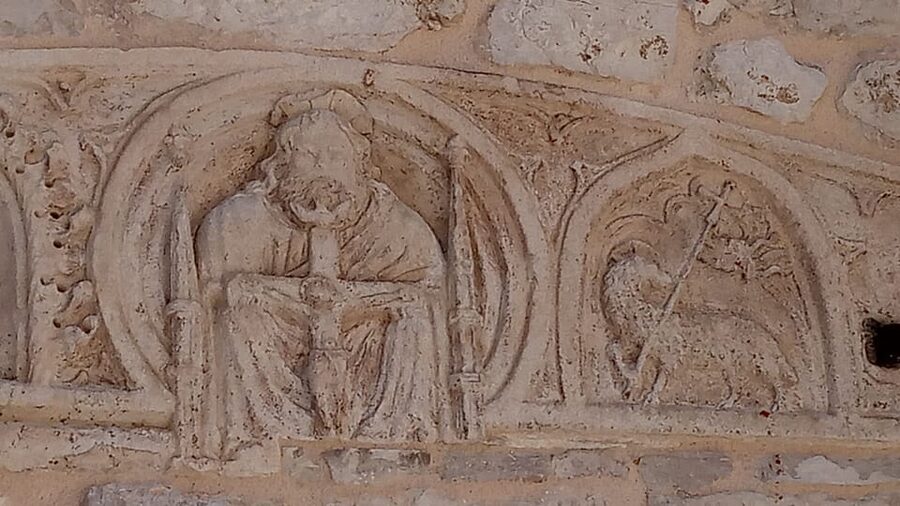
The walk continues down stairs to Four Wells Square. The name points to the old water system beneath the city, and the tour takes you into the largest cistern.
This stop adds a practical layer to the story. Medieval cities needed reliable water, and an underground cistern tells you something about daily survival that a palace façade cannot. It is the sort of place that makes the old town feel lived in rather than merely preserved.
The descent is also a reminder that the route has real physical demands. You go down stairs here, and other climbs come earlier in the walk. Since the full experience lasts only 90 minutes, the pace may feel brisk if you need frequent rests.
Still, the variety works well. In one short route, you move from the waterfront to a city gate, from a monastery organ to noble coats of arms, then from a local viewpoint to an underground water source. The experience covers plenty without requiring a full morning.
St. James Cathedral, the tour’s main reward
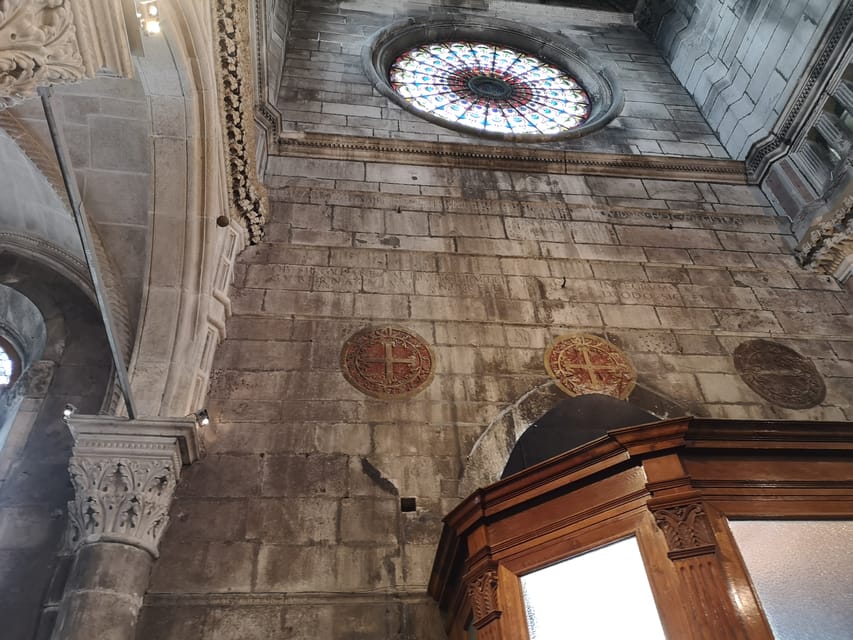
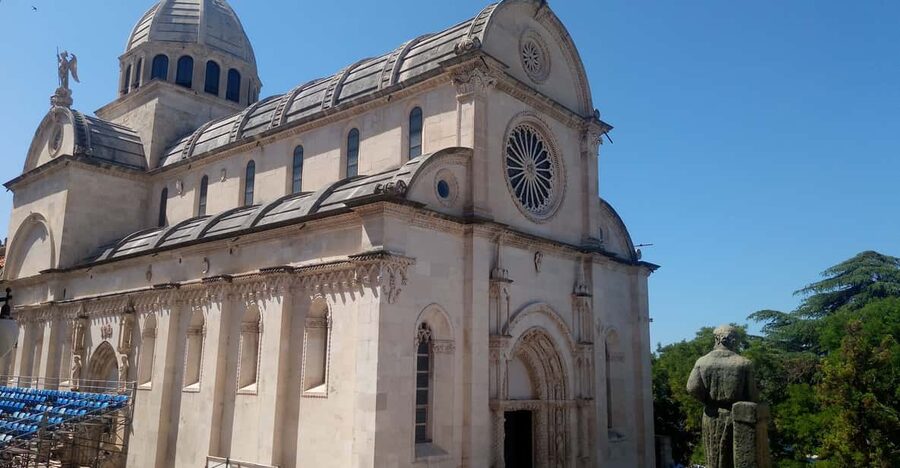
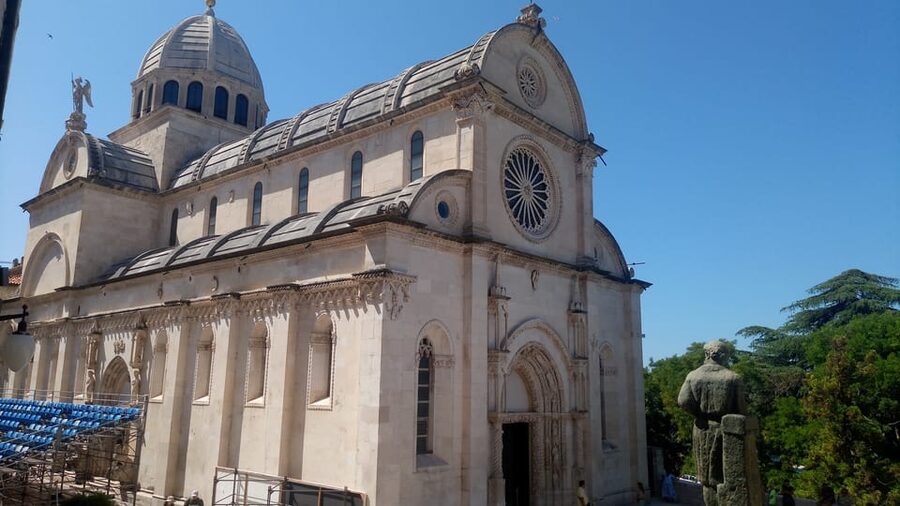
The final stop is St. James Cathedral, known locally as the Cathedral of St. James. This is the part that gives the walk its strongest reason for booking.
The tour includes entry, and the guide covers the cathedral’s secrets, beauty, and fine details. That is important because the building deserves more than a quick look at the exterior. The tour is designed to explain why it is regarded as one of Croatia’s most beautiful cathedrals and why it matters so much to Šibenik.
A cathedral visit can be frustrating when a guide rushes through it with a list of dates. This experience appears to take the opposite approach, spending meaningful time inside. One guest specifically found that the cathedral received a good amount of attention, which suited them. If you want a fast city orientation with only a brief church stop, you may find the balance too focused on the cathedral.
For me, that focus makes sense. The cathedral gathers many of the tour’s themes in one place: sacred art, local craftsmanship, civic pride, noble patronage, and Šibenik’s place in medieval Dalmatia. Ending here gives the walk a clear finish instead of leaving you with a collection of unrelated stops.
The meeting point is at the cathedral’s main west-facing entrance portal, opposite the statue of sculptor Juraj Dalmatinac. Do not use the cathedral doors with the lions. That distinction is practical and worth checking before you arrive, since meeting at the wrong entrance could create needless confusion.
What Dario adds to the experience
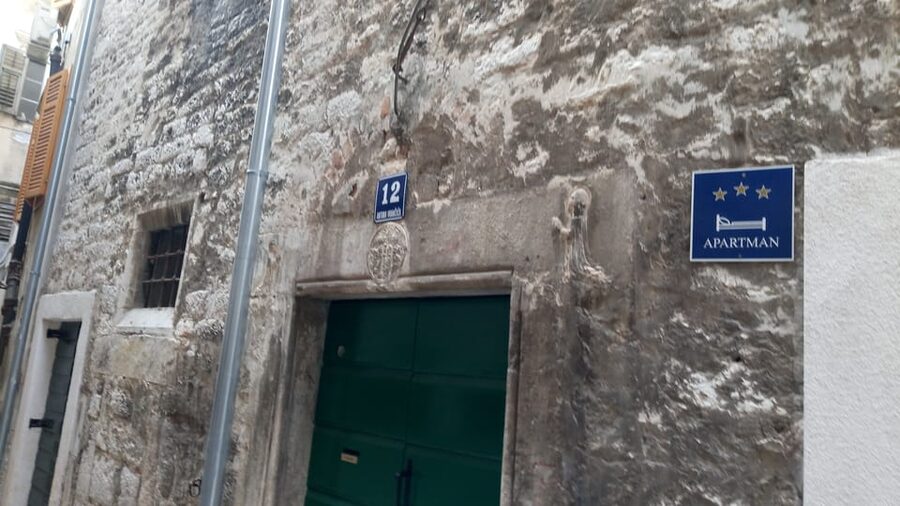
The guide is listed as Dario Mikulandra, owner of Magnificat. The strongest feedback centers on his enthusiasm for Šibenik and his ability to explain the city in detail.
That enthusiasm matters on a history walk. Churches, palaces, and coats of arms can look impressive but silent. A guide who cares about the place can help you notice why a doorway, organ, monastery, or old custom deserves your attention.
Dario is also described as a history enthusiast and specialist in sacred art. That combination suits this particular route. The experience is not limited to architecture, and it is not only a religious tour. It moves between civic history, local tradition, family identity, and church art.
The language options are English and Croatian. The group is limited to 10 people, a useful size for narrow streets and indoor visits. You should have more opportunity to hear the guide clearly than you would in a large group, although the actual feel will depend on how many places are booked.
One serious service issue should not be ignored. A booking from July 2023 records that the guide did not appear and left the participant waiting for half an hour. The overall score is 4.7 out of 5 from seven bookings, and the other detailed comments are highly favorable, but I would still verify the time and meeting point in advance.
Is $32 a fair price for 90 minutes?
At $32 per person, this is not the cheapest way to wander around Šibenik, but it offers solid value if you want interpretation rather than a self-guided walk.
You are paying for a professional guide, a small group, the monastery and church portion of the route, and entry to St. James Cathedral. The cathedral ticket alone is part of the value, while Dario’s focus on sacred art adds something you would not get from simply walking past the buildings.
The tour also covers a lot of ground in a short time. You see the waterfront approach, eastern gates, St. Francis, the noble quarter, Gorica, St. Luca, Lurd cliff, Four Wells Square, and St. James Cathedral. That makes the price easier to justify for a first visit or a short stay.
The tradeoff is time. Ninety minutes is enough for an introduction, not for a relaxed study of every church and palace. You will need to keep moving, and the stairs may make the schedule feel more demanding. If you want long pauses for photography, quiet reflection, or independent exploration, a self-guided visit may suit you better.
Free cancellation up to 24 hours before the start and the option to reserve now and pay later reduce the financial risk. Hotel pickup may also be arranged, but it is not part of the standard inclusions, so ask about it before booking if you need that service.
Who should book this Šibenik walk?
I would choose this tour if you want a compact introduction to the old town with strong attention to churches and local history. It suits first-time visitors, cruise passengers with limited time, and anyone who wants an expert to connect small details with the larger story.
It is also a good fit if you enjoy medieval architecture, religious art, old city customs, and urban history. The Nakić organ, the fraternities, the Šibenik meter, and the cistern give the route more variety than a basic monument walk.
You should think twice if stairs are difficult for you. The tour includes narrow streets and several stair sections, including the descent toward Four Wells Square. The route may also be less satisfying if you want a broad survey of modern Šibenik, food, shopping, or the interiors of many different buildings.
The cathedral receives the grand finale, so book this with the right expectation. You are not simply taking a general orientation walk. You are taking a medieval Šibenik tour built around sacred places, old stone streets, and the city’s finest church.
Final verdict: a strong choice for history-minded visitors
I would book The Beauty of the Middle Ages, Šibenik if I had 90 minutes and wanted the old town to make sense quickly. The route is well chosen, the small group is useful, cathedral entry is included, and Dario’s reported passion for his city gives the experience a personal touch.
The best parts are the combination of major sights and overlooked details: St. Francis Monastery, the 1762 organ, noble coats of arms, the May wedding custom, the Four Wells cistern, and the cathedral finale. Just plan for stairs, confirm the meeting arrangements, and do not expect a slow-paced visit.
For $32, it is a worthwhile introduction to Šibenik, especially for visitors who would rather understand the stones than simply photograph them.
FAQ
How long does the Šibenik medieval tour last?
The tour lasts 90 minutes.
What languages are available?
The live guide conducts the tour in English or Croatian.
How large is the group?
The group is limited to 10 participants.
Is entry to St. James Cathedral included?
Yes. Entry to St. James Cathedral in Šibenik is included.
Where is the meeting point?
Meet at the cathedral’s main entrance portal facing west, opposite the statue of sculptor Juraj Dalmatinac. Do not use the cathedral doors with the lions.
Can I cancel the tour for a full refund?
Yes. You can cancel up to 24 hours in advance for a full refund.
Just added around Sibenik
- Šibenik : Zipline Šibenik – Čikola Canyon★ 5.0 · 3 reviews
- Sibenik: Guided Walking Tour★ 5.0 · 8 reviews
- Šibenik walking tour in one hour!★ 5.0 · 6 reviews
- Sibenik: Full-Day Kornati National Park Boat Tour★ 5.0 · 19 reviews
- RIVIERA TOUR FROM ŠIBENIK, ZLARIN, PRVIĆ AND TIJAT★ 4.6 · 14 reviews
- Private Krka Waterfalls Tour from Split with stop in Trogir★ 5.0 · 5 reviews
- Panorama & Wine tour – Eco City Tour Šibenik★ 5.0 · 4 reviews
- Panorama Tour – Eco City Tour Šibenik★ 4.8 · 31 reviews
Sibenik Tours, compared.
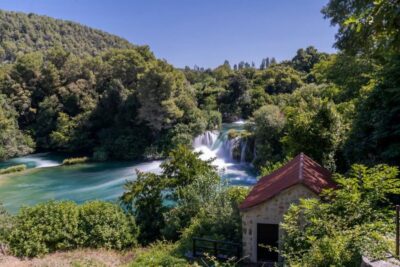
Krka Waterfalls Guided Day Trip with Swim & Boat Tour
Read our review →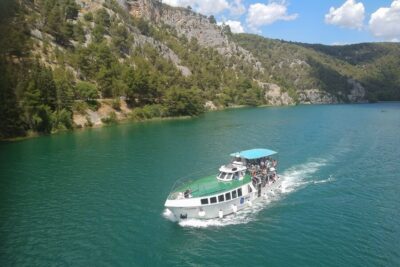
Krka National Park Full-Day Tour with Wine Tasting
Read our review →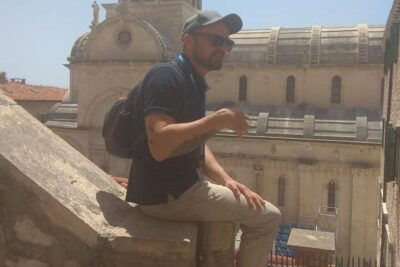
Private Sibenik Walking Historical Morning or Evening Tour
Read our review →
Kornati Experience small group (12 pax) boat tour
Read our review →
Šibenik Riviera boat tour: Zlarin + Prvić + Tijat
Read our review →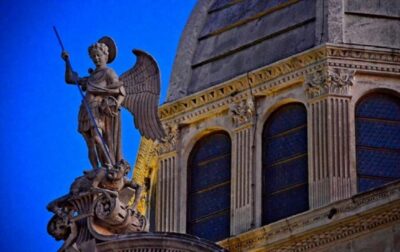
Browse the lists this tour appears in