
Reviewed · WINE TOURS
Red (Wine Tasting) Tour
Wine tastes better with a story. This half-day outing takes you beyond Hvar’s busy waterfront and into the island’s vineyard country, where guide Grgo Matković connects local wine with family, farming, old villages, and everyday island life. You visit working wineries, sample several Croatian wines, and finish in a traditional family cellar.
I like the small group limit of eight, which gives the afternoon a personal feel, and I like that the tour includes more than a tasting room. Grgo’s family connection, visits to places such as Stari Grad, and homemade food and drinks give you a closer look at Hvar. The main drawback is the price, $186.24 per person, which may feel high if you mainly want a few glasses of wine rather than a broader island tour.
In This Review
- Key points to know before booking
- Leaving Hvar’s waterfront for the vineyard hills
- Why Hvar’s vines grow in difficult soil
- The first winery: more than a row of tasting glasses
- Stari Grad and the island’s older way of life
- Inside the family konoba and cellar
- What makes Grgo’s guiding style different
- How much value do you get for $186.24?
- Who should book this afternoon?
- Booking, timing, and cancellation tips
- Should you book the Natural Hvar wine tour?
- FAQ
- Where does the tour take place?
- What time does the tour start?
- How long does the wine tour last?
- Is pickup available?
- How many people can join?
- Is the tour offered in English?
- What is the minimum age?
- What kinds of wine will I taste?
- Does the tour include food?
- Can I cancel for a full refund?
Key points to know before booking
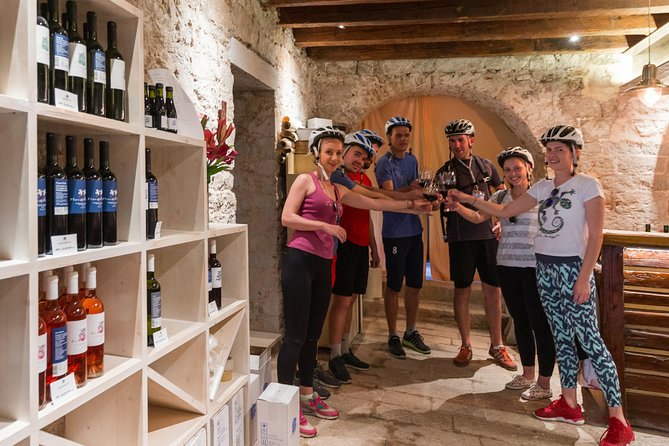
- A wine tour with island context: You see more than vineyards, including old settlements, rural roads, family farmland, and traditional production spaces.
- Hosted by a local winemaking family: Grgo and his family share personal stories and show you their own cellar and wines.
- Two winery experiences: The afternoon includes a visit to a well-known winery and a stop at a family-run konoba or cellar.
- Small groups matter: With a maximum of eight people, questions and conversation are easier than on a large coach tour.
- Afternoon pickup is convenient: The listed start time is 3:30 pm, with pickup available in front of your accommodation.
- Best for adults who enjoy wine and conversation: Every participant must be at least 18 years old.
Leaving Hvar’s waterfront for the vineyard hills
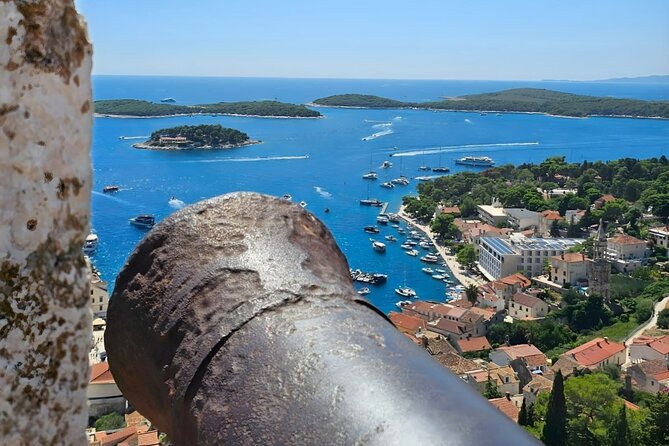
Hvar is easy to associate with bright beaches, boats, and evening crowds. This tour gives you a reason to leave that polished coastal setting behind. After pickup, you travel into quieter parts of the island, where the focus shifts from swimming and nightlife to vineyards, old stone buildings, and agriculture.
That change of scene is one of the strongest reasons to book. The tour is not simply a ride to a winery and back. Grgo guides you through parts of Hvar that many short-stay visitors never see, including the area around Stari Grad and the northern parts of the island.
The drive itself is part of the experience. You can expect narrow older roads, hills, and broad views across the countryside. The route also gives Grgo room to explain how people live on Hvar, how tourism has changed the island, and why farming remains difficult on dry, thin soil.
This is not a formal history lecture. The storytelling is personal and local. Grgo speaks about his family, the pressures facing island communities, agricultural land, fires, and the effort required to keep old traditions alive. That direct connection makes the scenery easier to understand. You are not just looking at a vineyard. You are seeing a working part of island life.
More Wine Tours in Makarska Riviera:
- Wine Tasting Grabovac Tour From Makarska
★ 5.0 · 63 reviews - From Split: Krka Waterfalls, Food & Wine Tasting Tour
★ 5.0 · 9,326 reviews - From Split: Krka Waterfalls, Food & Wine Tasting Tour
★ 4.9 · 6,598 reviews
Why Hvar’s vines grow in difficult soil
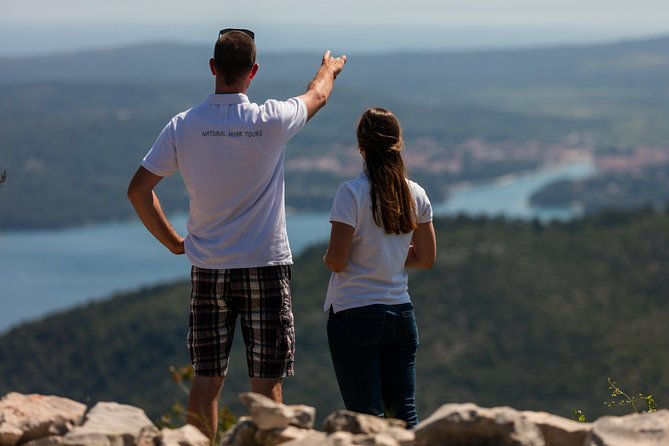
Hvar has cultivated grapes for centuries. The tour presents that long wine tradition through the island’s original grape varieties and the methods used by local producers. The soil is described as meager, yet vineyards continue to survive there through careful work and inherited knowledge.
You learn about how grapes are grown, how wine is made, and why smaller producers may work differently from larger commercial wineries. The emphasis is on local methods and family practice, not on a polished display designed only for tourists.
That distinction matters. At a large estate, you might learn the basic steps of fermentation and bottling. Here, you also see how wine fits into a family’s land, home, and daily routine. The experience connects the drink in your glass with the people who plant, harvest, store, and serve it.
The focus is on red wine, but the tasting can include several styles. One detailed account describes sampling a light sparkling wine, white wine, rosé, red blend, and an older single-variety wine. Another group tasted eight different wines at one winery. The exact selection may vary, but you should expect a broad introduction rather than a tasting limited to one red.
Many regional wines are young and intended to be enjoyed that way. If you usually look for heavily aged wines, ask questions and keep an open mind. The value here is learning what local producers make well and how those wines fit Hvar’s food and farming culture.
The first winery: more than a row of tasting glasses
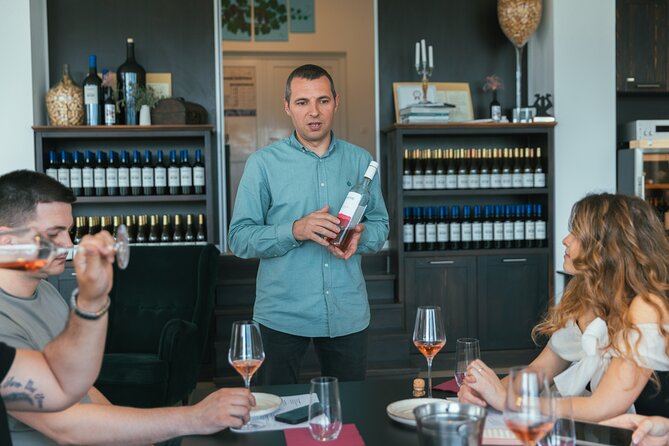
The first winery gives you an introduction to the island’s current wine production. You can expect the winemakers to explain their process and the qualities of the wines you taste. This makes the stop useful even if you know little about Croatian wine.
Wine may be served with olive oil and local food. Cheese, bread, fig cake, and prosciutto have all been part of the tasting experience described by past participants. These pairings are not a minor extra. They show how Hvar’s wine is traditionally enjoyed, with simple local foods rather than elaborate restaurant courses.
I particularly like this approach because food slows down the tasting. You are less likely to rush from one sample to the next, and you get a better sense of how the wines work at the table. Fig-based sweets and salty cured meat can make the differences between wines easier to notice.
The stop also lets you compare a professional winery with the smaller family setting later in the afternoon. One may have a more established presentation and a wider selection. The other offers a closer look at home production and family tradition.
You should not expect a grand estate with extensive visitor facilities. The appeal is the wine itself and the chance to meet people involved in making it. If you want architecture, formal tours, and a highly staged tasting room, this may feel modest. If you prefer personal contact, that modesty is part of the charm.
Stari Grad and the island’s older way of life
Stari Grad adds historical and cultural weight to the afternoon. The tour may stop there while Grgo explains the town and the wider island. This is helpful because Hvar can seem divided between its famous harbor and everything else.
The older settlements and rural areas show a slower side of the island. You may see stone construction, old roads, agricultural plots, and homes that reflect a long connection to the land. The tour also includes discussion of water systems and older ways communities managed scarce resources.
The point is not to rush through a checklist of monuments. Instead, the stops give you a sense of how people built a life on an island where water, transport, medical care, and farming can all present challenges. Grgo’s own stories make those issues concrete.
The pace is also worth noting. The tour lasts about four to six hours, so the schedule has room for conversation and unexpected pauses. One afternoon extended well beyond a simple winery visit because of discussions, field visits, and time spent in the family cellar.
That flexibility can be a benefit, but it also means you should not expect a tightly timed itinerary. If you have a ferry, dinner reservation, or another activity immediately afterward, leave plenty of extra time.
More Food and Drink Tours in Makarska Riviera:
- Split: Blue Lagoon and 3 Island Cruise with Food and Drinks
★ 4.8 · 1,969 reviews - Krka National Park Tour with tour Guide & Wine tasting from Split & Trogir
★ 5.0 · 1,625 reviews - Split/Trogir: Krka National Park Day Trip with Wine Tasting
★ 4.7 · 925 reviews - Full-Day Catamaran Cruise to Hvar & Pakleni Islands with Food and free Drinks
★ 5.0 · 670 reviews
Inside the family konoba and cellar
The most personal part of the experience takes place at Grgo’s family property. A traditional konoba is a rustic cellar or farm space used for food, wine, and family life. Here, you see how a smaller producer makes and stores wine, then sample bottles from the family’s own production.
The setting is more intimate than the first winery. You may walk through fields and vineyards before settling into the cellar. The family connection is central, and Grgo explains the work inherited from earlier generations.
Past groups have met family members, seen crops being tended, and sampled homemade food such as cookies and sugar-coated almonds. Homemade refreshments are also part of the advertised experience, giving you a break from the wine and a taste of local hospitality.
The family wines may not have the same polished branding as bottles from a larger winery. Some have been described as still awaiting labels or names. That can be a drawback if you want to buy a clearly packaged souvenir, but it also shows that this is a working family tradition rather than a staged product.
A walnut brandy, locally called rakija, may also appear alongside the wines. It is a strong drink, so take small sips and pace yourself. The tour is a tasting, not a contest.
This stop has the strongest emotional pull. You are welcomed into a real family setting, and conversations can range well beyond wine. Grgo speaks with clear affection for Hvar and its future, including the need for sustainable tourism and the preservation of local customs.
What makes Grgo’s guiding style different
Grgo is the key to the experience. His guiding style is conversational, energetic, and personal. He does not simply recite facts about grapes. He talks about his family, the island’s changes, farming problems, local friendships, and the work required to keep rural life going.
That approach suits people who enjoy asking questions and listening to stories. You may find the afternoon feels more like being shown around by a well-connected local than joining a standard wine excursion.
The small group size helps. With no more than eight people, you can ask about grape varieties, farming, family history, or the places you pass. Pickup can also be arranged in front of your accommodation, and previous outings have included pickup at a marina or bus station when timing allowed.
Still, a personal guide means the experience can vary with the group. If everyone wants an informal afternoon, the conversation will flow easily. If you prefer a strict schedule with technical tasting notes and little discussion, the style may feel loose.
The guide’s passion is one of the most praised parts of this outing. He brings warmth and humor, but also talks frankly about island pressures, including fires, shrinking agricultural activity, and the effects of tourism and climate change. That honesty adds substance to the wine tasting.
How much value do you get for $186.24?
At $186.24 per person, this is not a budget wine stop. The price makes more sense when you view it as a private-feeling island excursion with transportation, guiding, several tasting stops, food, and local interpretation.
You are paying for more than the wine in the glass. The tour includes pickup, a four to six hour afternoon, a small group capped at eight, time in rural Hvar, visits to wineries, and access to a family property. You also avoid arranging transport on narrow island roads and trying to connect several places yourself.
The value is strongest for couples, families with adult children, and small groups who want an experience built around local contact. It is less compelling for someone who only wants a quick tasting or who already has winery visits arranged.
The amount you drink is not the only measure of value. You also learn how local producers work, taste regional foods, and see how wine fits into family life. If those details matter to you, the price can be justified.
Before booking, confirm the exact pickup point, final duration, and wineries for your date. The starting time is listed as 3:30 pm, while the general description says the start time is arranged by agreement. That small difference suggests some flexibility, but it is worth settling in advance.
Who should book this afternoon?
I would recommend this tour if you want to understand Hvar beyond its beaches and nightlife. It suits adults who enjoy wine, rural scenery, informal conversation, and stories about how people actually live in a popular island destination.
It is also a good choice for anyone staying in Hvar who does not want to rent a car. Pickup removes some transport hassle, and the small group makes the drive more comfortable than a large organized excursion.
Families with adult children can fit well, since the minimum age is 18. The experience has enough variety to keep nonexperts interested, even if one person in the group knows much more about wine than everyone else.
You may want to skip it if you do not drink alcohol, need a highly predictable schedule, or prefer a formal wine school with detailed technical instruction. The experience centers on local hospitality and conversation, not on certification-level tasting skills.
The activity is offered in English. Most people can participate, and it is near public transportation, but the provided details do not promise a fully accessible route through vineyards, older roads, or a traditional cellar. Ask the operator about specific mobility needs before booking.
Booking, timing, and cancellation tips
Confirmation is sent within 48 hours, subject to availability. Since the starting time may be agreed in advance, contact Natural Hvar Tours before the day of the tour if you need a particular pickup arrangement.
The listed start time is 3:30 pm. Plan for four to six hours, and avoid scheduling a ferry or fixed dinner too soon afterward. Island roads, conversations, and family visits can make the afternoon run at the longer end.
You can cancel for a full refund if you do so at least 24 hours before the local start time. Cancellations or changes made within 24 hours are not accepted for a refund.
Should you book the Natural Hvar wine tour?
Book it if you want a personal introduction to Hvar’s wine country, not just a succession of tasting samples. The combination of Stari Grad, rural roads, two different winery settings, local food, and Grgo’s family cellar gives the afternoon real range.
The strongest reason to go is the human side. You see how wine connects to farming, family, and the survival of older island customs. The main caution is cost and pace. At $186.24, it asks you to value the stories and access as much as the wine, and its relaxed format will not suit every schedule.
For an adult who has already seen Hvar’s waterfront and wants to understand the island behind it, this is a very good use of an afternoon.
FAQ
Where does the tour take place?
The experience focuses on Hvar Island, including vineyard areas, rural parts of the island, Stari Grad, wineries, and a family cellar.
What time does the tour start?
The listed start time is 3:30 pm. The general tour information also says the start time and location can be arranged by agreement.
How long does the wine tour last?
The tour lasts approximately four to six hours.
Is pickup available?
Yes. Pickup can be arranged in front of your accommodation. Pickup has also been provided from places such as a marina or bus station.
How many people can join?
The maximum group size is eight participants.
Is the tour offered in English?
Yes. The tour is offered in English.
What is the minimum age?
All participants must be at least 18 years old.
What kinds of wine will I taste?
You can expect local Hvar wines, with tastings potentially including red, white, rosé, sparkling, blended, and single-variety wines. The exact selection can vary.
Does the tour include food?
Local food may accompany the tastings, including items such as cheese, bread, fig cake, prosciutto, cookies, and sugar-coated almonds. Homemade refreshment drinks are also included in the experience.
Can I cancel for a full refund?
Yes. You must cancel at least 24 hours before the local start time for a full refund. Changes or cancellations made less than 24 hours before departure are not accepted for a refund.
Just added around Makarska Riviera
- Zip line Tucepi★ 5.0 · 51 reviews
- 3 Islands Speedboat Tour: Golden Horn, Blue Lagoon & Jelsa Town★ 5.0 · 17 reviews
- 3 Hour Biokovo Skywalk Tour★ 4.0 · 22 reviews
- Wine Tasting Grabovac Tour From Makarska★ 5.0 · 63 reviews
- Makarska: Baggy Skywalk & Biokovo viewpoint Tour★ 5.0 · 50 reviews
- Sunset Speedboat Tour in Makarska with swim stop on island Brač★ 5.0 · 25 reviews
- BRELA Bikini Dive *Try SCUBA DIVING*★ 5.0 · 100 reviews
- Quad Tour to skywalk biokovo Makarska by Amigos★ 5.0 · 21 reviews
Wine Tours, compared.
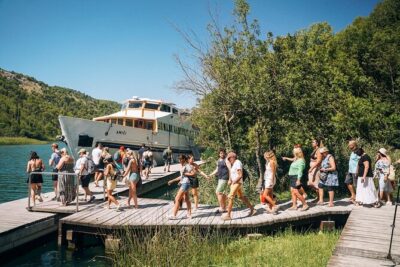
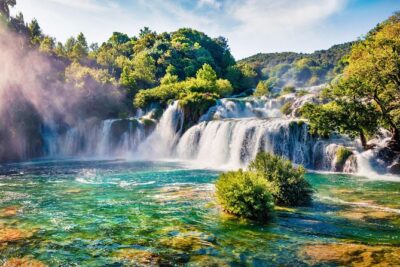
Krka National Park Tour with tour Guide & Wine tasting from Split & Trogir
Read our review →
Krka Waterfalls With Boat Cruise, Wine and Olive Oil
Read our review →
Split/Trogir: Krka National Park Day Trip with Wine Tasting
Read our review →
Browse the lists this tour appears in