Reviewed · PRIVATE
Pearls of the Balkans from / to Dubrovnik; Semi – Private Tour
Eight days, six countries, countless border crossings. This small-group Balkan tour links Dubrovnik with Kotor, Tirana, Ohrid, Skopje, Prizren, Mostar, and more, using private transport and a maximum of 10 people. I like the broad range of places and the chance to see Albania and Kosovo alongside better-known Montenegro and Bosnia. I also like the local food stops, especially Mrizi i Zanave, where farming and regional cooking are part of the visit. The main concern is comfort: the three-star hotels can be uneven, and one trip was slowed by an electric car’s charging needs.
This is a fast-moving trip, not a leisurely stay in each city. You cross several borders, spend long periods on the road, and often have only an hour or two at a stop. But with a good tour leader, you get a useful first look at a corner of Europe that can be awkward to plan independently. Guides named Migen A. and Gesi were praised for flexibility, care, local suggestions, and handling unexpected car problems.
In This Review
- Key points at a glance
- What the $3,434 price really covers
- Day 1: Kotor and Budva bring the Adriatic farewell
- Day 2: Tirana moves from dictatorship to daily life
- Day 3: Berat and Ohrid provide the strongest scenery
- Day 4: Skopje and Prizren show two sides of the region
- Day 5: A farm lunch and Shkodra’s Venetian touch
- Day 6: Lake Skadar and a quiet hour in Virpazar
- Day 7: Blagaj and Mostar tell Bosnia’s most powerful story
- Day 8: A practical return through the Croatian border
- Guides, vehicles, and hotel comfort
- Who should book this Balkan route?
- Should you book the Pearls of the Balkans tour?
- FAQ
- How long is the Pearls of the Balkans tour?
- Where does the tour start and finish?
- Is hotel pickup included?
- What pickup times are available?
- How many people can join the tour?
- What countries does the tour visit?
- Are meals included?
- Is a private room available?
- Is travel insurance included?
Key points at a glance
- Maximum 10 people: Small enough for a more personal experience than a large coach tour.
- Six countries in eight days: Croatia, Montenegro, Albania, North Macedonia, Kosovo, and Bosnia & Herzegovina are covered.
- Private transport and border support: The tour handles the driving, road fees, insurance, petrol, and border transfers.
- Strong food element: Tirana includes a culinary experience, while Mrizi i Zanave offers farm produce and traditional food.
- Shared three-star rooms: The $3,434.13 price is based on double, twin, triple, or quadruple occupancy, with a single-room supplement.
- Some rough edges: Hotel quality may disappoint, and car trouble or charging stops can affect the schedule.
What the $3,434 price really covers
At $3,434.13 per person, this is not a budget tour. The price includes accommodation and breakfast, private transport, a professional tour leader, entry tickets for the listed paid sites, tourist taxes, international car insurance, road taxes, and petrol.
That package has real value if you want to see six countries without arranging rental cars, border crossings, hotels, parking, and regional driving yourself. The Balkans can be simple to explore in one country, but a multi-country route adds paperwork and logistics. Here, you pay for someone else to handle the complicated parts.
The price is based on shared rooms in three-star hotels. A single room costs 50 euros extra per night. Lunches, dinners, drinks, snacks, souvenirs, and personal spending are not included. You should budget separately for meals, particularly because the tour includes several full sightseeing days.
There is one small inconsistency in the information provided: accommodation and breakfast are included throughout the trip, but the inclusions also specify six breakfasts. Confirm the exact number of included breakfasts before paying. Also confirm your pickup time. The main departure is listed as 7:30 am, while on-request pickup is listed as 9:00 am in Dubrovnik or 11:00 am in Kotor.
A few more Dubrovnik trips worth comparing
- Blue Cave Small-Group Boat Tour from Dubrovnik
★ 5.0 · 9,360 reviews - Full-Day Dubrovnik Elaphite Islands Cruise with Lunch and Drinks
★ 5.0 · 8,823 reviews - Dubrovnik: Epic Game of Thrones Tour + Lokrum & Saver Option
★ 4.9 · 5,995 reviews
Day 1: Kotor and Budva bring the Adriatic farewell
Your first morning begins with pickup in Dubrovnik, followed by a transfer to the border where you meet the tour leader. That handoff is worth understanding in advance. You do not necessarily spend the entire day with the same driver from your Dubrovnik hotel.
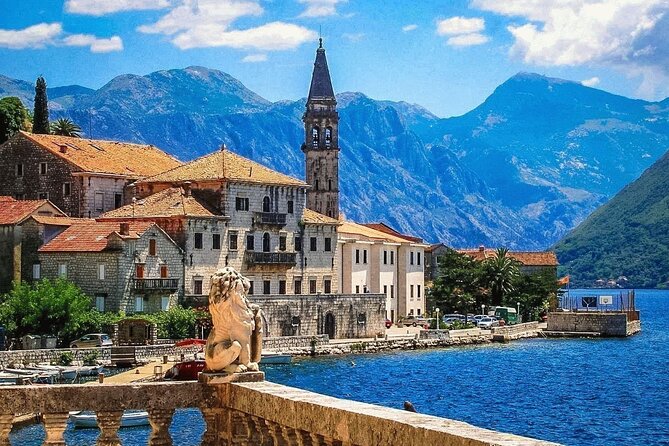
Kotor is the first major stop. Its UNESCO-listed old town is made for walking, with narrow stone lanes that twist between churches and old buildings. The confusing street plan was once useful for defending the town from raiders. Today, it gives Kotor a pleasing sense of discovery, although you should wear shoes suited to uneven cobblestones.
You spend about two hours in Kotor, including a visit to Saint Luke’s Church. The church matters locally as a symbol of unity. The visit is not built around a long list of paid attractions, so the value comes from the walking, the architecture, and the guide’s explanation of the town.
Budva gives you another two-hour old-town visit, this time with a more obvious resort setting. The modern part has shops, offices, restaurants, bars, and newer buildings. The old section has medieval lanes, the Church of Saint Ivan, and the small Church of Saint Mary.
The contrast is useful. Kotor feels tightly preserved and defensive. Budva mixes historic streets with a modern seaside economy. You see both sides quickly, but you do not have much free time for a beach visit or a slow dinner.
Day 2: Tirana moves from dictatorship to daily life
After breakfast, you head to Tirana, Albania’s capital. The schedule gives you time to check into your accommodation before the city visits begin, though the day still packs several stops into a short period.
Postblloku, also called Checkpoint, is one of the most serious stops on the route. This memorial honors political prisoners from Albania’s communist period. Its location opposite the government building makes the message even sharper. You get a brief introduction to a country that spent decades isolated from much of the outside world.
The Blloku neighborhood offers a strong change of mood. Once reserved for the communist leadership, including Enver Hoxha, it is now filled with cafes, boutiques, and street art. The point is not simply to admire the area. You see how Tirana has repurposed places connected to power and restriction.
Skanderbeg Square ties together several parts of the capital. The National Museum, Bank of Albania, Opera Theatre, Skanderbeg Statue, and Ethem Beu Mosque surround the square. From there, the walk continues to Tirana Castle, now a pedestrian area where older structures meet modern restaurants and shops.
The religious stops add welcome context. Albania was declared the world’s first atheist state in 1967, and religious practice was banned under the communist regime. Passing the Namazgah Mosque, Orthodox Cathedral, and Catholic Saint Paul’s Cathedral helps you understand the country’s religious variety and its difficult return to public worship.
The day includes a culinary experience, but the supplied details do not specify exactly what food is included or whether a meal is part of the price. Ask about that before planning your dinner budget.
Day 3: Berat and Ohrid provide the strongest scenery
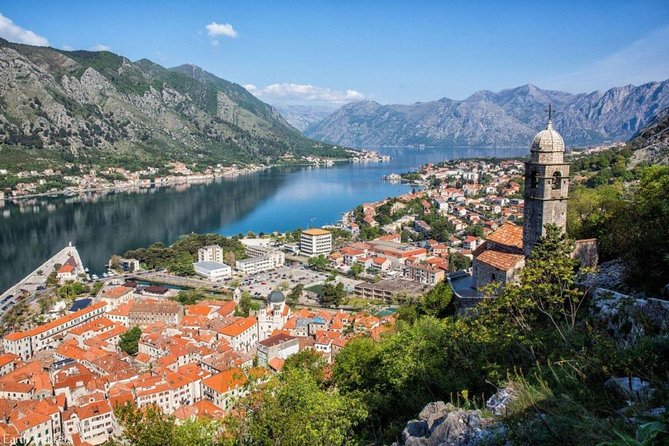
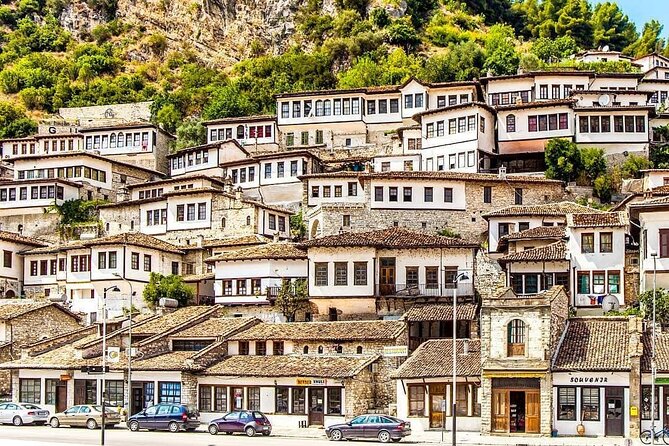
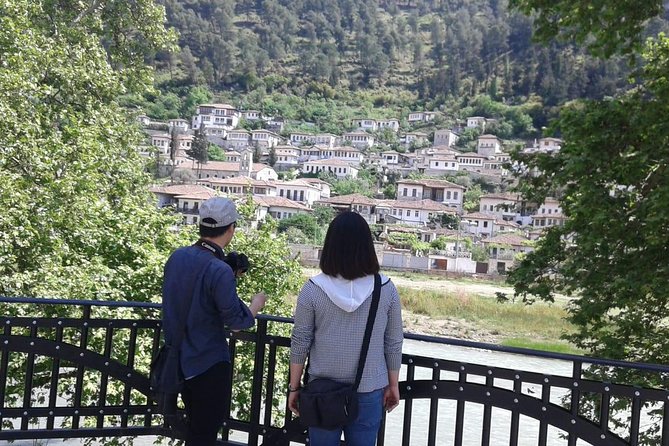
Berat is known as the town of 1,001 windows, a name earned by the old houses climbing the hillsides with rows of windows facing the valley. The streets are narrow and made of stone, and the town’s origins reach back to an Illyrian settlement from the sixth or fifth century BC.
The castle is the key stop. Berat Castle is unusual because people still live within its walls. You see medieval churches, mosques, old homes, museums, and traces of Albania’s communist period. The listed visit times are short, only about 30 minutes for Berat and 30 minutes for the castle, so you should not expect a museum-by-museum visit.
Ohrid changes the pace with its lake views and religious architecture. The city and Lake Ohrid have UNESCO status, and the lake was called Lyhnidas, or the Light Lake, by the Romans. The viewpoint at Saint John at Kaneo is the visual highlight, with the church positioned above the water.
Ohrid is also known for its 365 Orthodox churches, traditionally described as one for every day of the year. The old homes reflect Ottoman-era building patterns, with narrow lanes, tunnels, and small courtyards arranged on the hillside.
The National Workshop for Handmade Paper is a smart addition. You learn how paper is made by hand using methods associated with the time of Gutenberg, then have the chance to buy a sheet as a practical souvenir. It is a small stop, but it gives the day a craft element beyond churches and viewpoints.
Still Dubrovnik, at a slower pace:
- Dubrovnik: Elaphiti Islands Full-Day Cruise with Lunch
★ 5.0 · 5,938 reviews - Dubrovnik: Old Town Walking Tour
★ 4.8 · 5,174 reviews - Dubrovnik: The Original Game of Thrones Tour & Lokrum Option
★ 4.8 · 5,064 reviews - Dubrovnik Game of Thrones Tour & Optional Lokrum Island Visit
★ 5.0 · 4,702 reviews
Day 4: Skopje and Prizren show two sides of the region
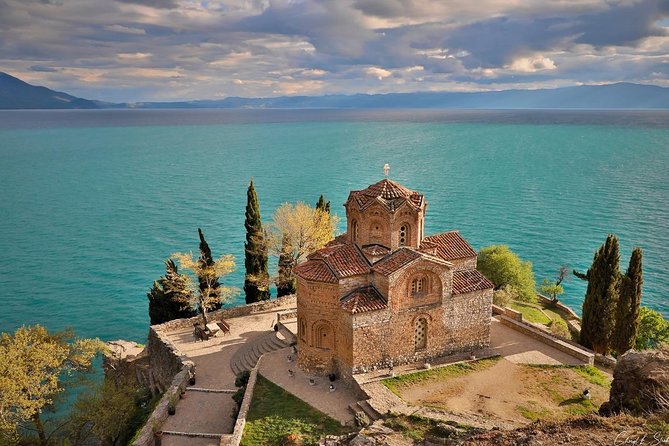
Skopje is a city of mixed influences, with European, Ottoman, and Asian elements in its public spaces and older quarters. The Stone Bridge links the newer section with the Old Bazaar, making it a useful starting point for understanding the city.
The Alexander the Great statue and Art Bridge are impossible to miss. The Art Bridge leads toward the Archaeological Museum and is lined with statues of artists and musicians. The design is grand and theatrical, so you may find it fascinating, excessive, or both.
The Old Bazaar is the more rewarding part for many people. It is described as the largest bazaar in the Balkans and combines shops, streets, and historic buildings. The sightseeing time in Skopje is limited, about 90 minutes across the listed stops, so you will get an introduction rather than a full city visit.
Prizren feels more intimate. The river runs through the old town beneath its many bridges, while Ottoman and Byzantine influences appear in the buildings and street plan. The city is presented as Kosovo’s cultural capital, with a strong connection to food, religion, and regional history.
The Sinan Pasha Mosque is the main interior visit. Its arabesque color and patterns make it worthwhile even if you have seen Ottoman mosques elsewhere. Then you climb to Kalaja Fortress for a wide view over Prizren. Allow for an uphill walk and sensible footwear.
This is another day when the tour’s main strength is access. You can cross into Kosovo and see its most important historic center without managing the route yourself. The tradeoff is time. Skopje and Prizren each deserve longer stays than this schedule allows.
Day 5: A farm lunch and Shkodra’s Venetian touch
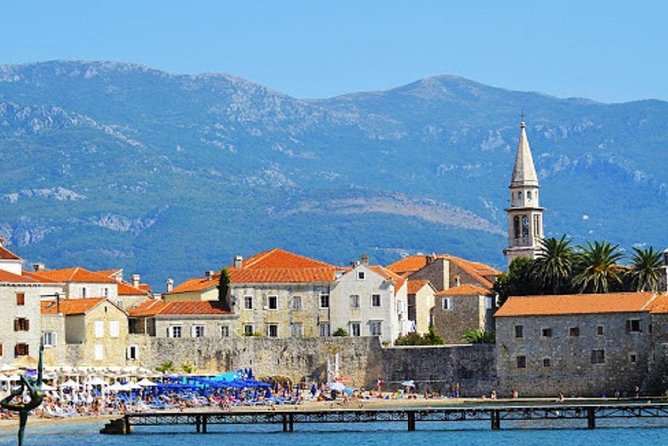
Mrizi i Zanave is one of the most distinctive stops on the whole trip. It is an agro-tourism farm built around regional ingredients, food preservation, and local employment. You tour the farm, hear how the family business developed, and see how old communist buildings were reused for storage.
The farm has created jobs for more than 400 people in nearby communities. That makes the visit more than a meal stop. It gives you a look at how rural business can connect farmers, food makers, and visitors.
You have free time to eat a traditional lunch or buy fresh products. Lunch is not included, so this is a good place to spend part of your food budget. If local cooking matters to you, this may be one of the best-value moments in the trip, even with the extra cost.
Shkodra is one of Albania’s oldest cities and gives its name to the lake shared by Albania and Montenegro. The city has a long settlement history, and the oldest wall of Shkodra Castle dates to the first millennium BC. The stop is only about an hour, so you will get the broad outline rather than a full exploration.
The Venice Art Mask Factory adds an unexpected artistic note. Papier-mache masks are made and painted by hand, with designs ranging from traditional Venetian carnival styles to newer creations. The admission is included, and you can purchase a mask if you want a souvenir with a clear connection to the region’s craft traditions.
Day 6: Lake Skadar and a quiet hour in Virpazar
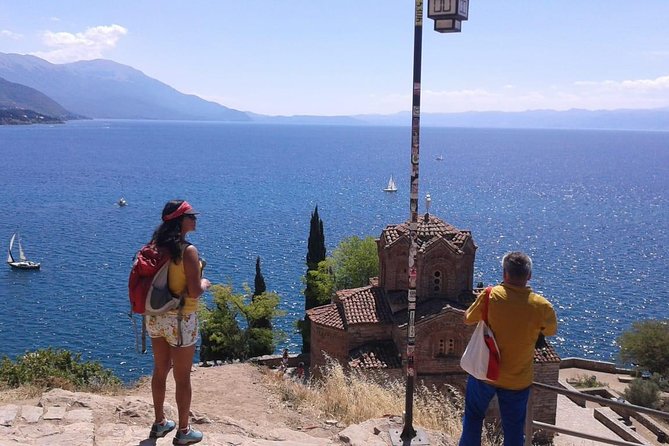
The route continues north into Montenegro beside Lake Skadar, also called Shkodra Lake. It is the largest lake in the Balkans and a protected natural area shared by Albania and Montenegro.
The lake supports more than 260 bird species, including pelicans and herons, along with fish and unusual plant life. The scheduled visit is about an hour, so think of it as a scenic nature stop rather than a boat trip or full national park excursion. No boat ride is listed.
Virpazar is a small lakeside village and a gateway to the national park. Its stone bridges and traditional houses give you a quieter break after several urban visits. You can walk through the local market or stop for coffee or Montenegrin wine while looking across the water.
Podgorica follows as a brief stop and overnight base. The listed sightseeing time is only 30 minutes, although you may have the evening to explore the Millennium Bridge, Old Ribnica River, Independence Square, or local restaurants.
This day is lighter on formal attractions. That is a welcome change, but the schedule still depends on border conditions and road time.
Day 7: Blagaj and Mostar tell Bosnia’s most powerful story
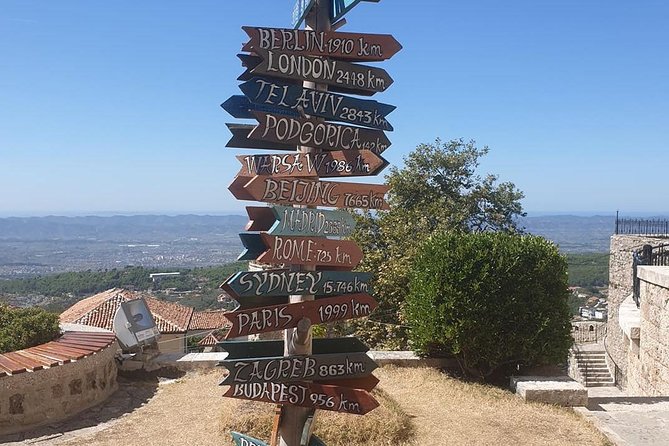
After crossing into Bosnia & Herzegovina, you visit Blagaj, just outside Mostar. The town sits below a cliff beside the blue waters of the Buna River spring. Its Ottoman-era setting and natural surroundings make it a calm introduction to Bosnia before the larger sights of Mostar.
Mostar’s Old Bridge, Stari Most, is the day’s major landmark. The sixteenth-century bridge is part of the UNESCO-listed old town and reflects Islamic architectural influence. You walk through the Old Bazaar, where stone streets, small shops, and bridges frame the river.
The words Don’t Forget appear around town, a reminder that Mostar’s beauty cannot be separated from its wartime past. That emotional weight gives the visit more meaning than a simple photo stop.
Bišćevića Kuća offers a close look at Ottoman residential life. This seventeenth-century riverside home was built for a wealthy family and remains well preserved. It is a more personal experience than a grand monument, showing how people lived inside the city’s historic setting.
The Mostar visit lasts about two hours. You will see the central sights, but you may wish for more time to sit by the river or browse the bazaar. Still, the combination of Blagaj and Mostar makes this one of the strongest days on the route.
Day 8: A practical return through the Croatian border
The final day transfers you back toward Croatia. Your tour leader takes you to the border, where a local driver shuttles you to your hotel in Dubrovnik. The activity ends back at the meeting point.
This arrangement works best if you have not booked an important flight immediately after the return. Border crossings can affect timing, and the tour itself warns that weather, strikes, holidays, temporary closures, and other outside events can change the schedule.
Guides, vehicles, and hotel comfort
The human side of this tour matters. Migen A. was praised for adapting the schedule and accommodation arrangements, while Gesi received especially strong praise for food recommendations, care, and local knowledge. Both names are worth noting when you receive your guide details.
Unexpected vehicle problems have occurred. One electric car needed charging stops that interfered with the route and caused long walks for the guide. On another occasion, a car problem on the first day led Choose Balkans to provide a replacement car and guide so the group would not miss Mostar while the original issue was handled.
That response is encouraging, but the risk is still real. Ask what vehicle will be used and how charging or replacement arrangements work if an electric car is assigned.
Hotel quality is the clearest weakness. The accommodation is three-star and shared occupancy keeps the price lower, but room size and breakfast quality may vary. If you care strongly about hotel comfort, pay the single supplement only after confirming what room standard you will receive.
Who should book this Balkan route?
I would recommend it to you if you want a broad first look at the western Balkans, prefer not to drive, and value a small group with a local leader. It suits curious adults who can handle early starts, uneven streets, border waits, and several nights in different cities.
It is less suitable if you want long stays, beach time, luxury hotels, or detailed museum visits. The pace is brisk, and several highlights receive only 30 minutes to two hours.
The experience is non-refundable, so check your dates carefully before booking. Bring travel insurance, as every participant is responsible for having their own health and travel coverage. Tipping your tour leader and driver is optional but a customary way to recognize good service.
Should you book the Pearls of the Balkans tour?
Book it if convenience and range matter more to you than slow travel. For one organized price, you cover an impressive stretch of the Balkans, from Dubrovnik and Kotor to Tirana, Ohrid, Prizren, Lake Skadar, and Mostar.
I would book only after confirming the pickup time, included breakfasts, hotel locations, and vehicle type. If those details suit you, the tour offers a strong introduction to a complicated and rewarding region. If you have more than eight days, consider staying longer in Tirana, Ohrid, Mostar, or Kotor after the group trip ends.
FAQ
How long is the Pearls of the Balkans tour?
The tour lasts approximately eight days, beginning and ending in the Dubrovnik area.
Where does the tour start and finish?
It starts in Dubrovnik, Croatia, and returns to the meeting point near Dubrovnik at the end.
Is hotel pickup included?
Hotel pickup and drop-off are included in Dubrovnik or Kotor. Pickup must be requested at least 12 hours before departure.
What pickup times are available?
The main start time is listed as 7:30 am. On request, pickup is listed at 9:00 am in Dubrovnik or 11:00 am in Kotor. Confirm the exact time before departure because both schedules are provided.
How many people can join the tour?
The maximum group size is 10 people.
What countries does the tour visit?
The route covers Croatia, Montenegro, Albania, North Macedonia, Kosovo, and Bosnia & Herzegovina.
Are meals included?
Breakfast is included, with the inclusions specifying six breakfasts. Lunches, dinners, drinks, snacks, and personal purchases are not included.
Is a private room available?
Yes. The listed supplement for single-room occupancy is 50 euros per night per person in a three-star hotel.
Is travel insurance included?
No. Every participant is responsible for arranging their own health and travel insurance.
Just added around Dubrovnik
- Elaphiti Islands Private Dubrovnik Boat Unique Experience★ 5.0 · 10 reviews
- Full- Day Private Speedboat Tour in Dubrovnik on Elaphiti Islands★ 5.0 · 21 reviews
- PRIVATE Wine Tour to Konavle country side★ 5.0 · 11 reviews
- Wine Lover’s Tour of Peljesac Peninsula★ 5.0 · 150 reviews
- Wine tour peninsula Pelješac★ 5.0 · 3 reviews
- Parasailing in Cavtat★ 5.0 · 62 reviews
- Welcome to Dubrovnik Walking Tour★ 5.0 · 36 reviews
- Dubrovnik at War 1991-1992 Private Walking Tour★ 5.0 · 4 reviews
Private, compared.
Mostar and Kravice Waterfalls Tour from Dubrovnik (Semi-Private)
Read our review →
Blue & Green Caves Private Boat Tour with Drinks
Read our review →
Dubrovnik Private Speedboat Tour to Elaphite Islands with Drinks
Read our review →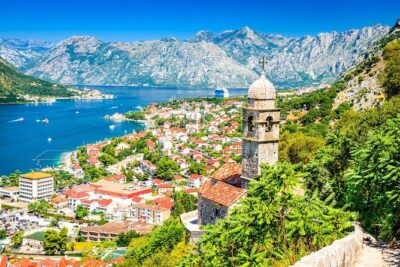
Private Tour: Montenegro Day Trip from Dubrovnik
Read our review →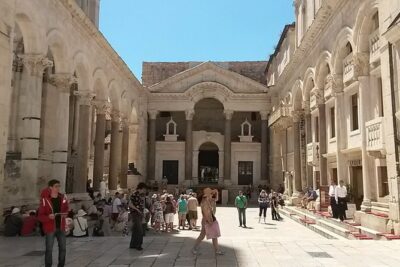
PRIVATE Walking Tour of Diocletian’s Palace & Old Town
Read our review →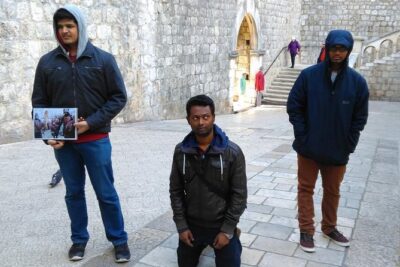
Tour The Game of Thrones – Private Walking Tour
Read our review →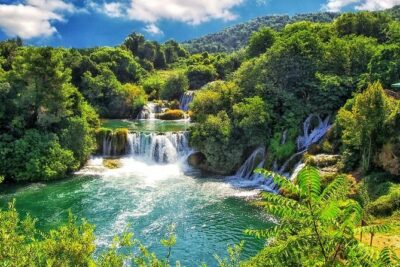
Private Krka Waterfalls tour with 30min Boat Cruse
Read our review →