Reviewed · PRIVATE
Dubrovnik to Tirana; Semi – Private Tour with Tour Leader & Car
Borders make the Balkans fascinating. This eight-day trip links Croatia, Bosnia and Herzegovina, Montenegro, Kosovo, and Albania with a small group, a tour leader, and private road transport. I like the mix of famous sights and local encounters, especially the Ottoman homes of Mostar and the food-focused final day in Tirana. The main drawback is the pace: you cover a lot of ground, and several days include long drives and short visits.
I also like the maximum group size of 10, which should make border crossings, meals, and walking tours easier than on a large coach. The tour includes seven breakfasts, three-star accommodation, petrol, road taxes, and tourist taxes. At $3,433.11 per person, it is not a budget trip, so you need to value the convenience of having transport, hotels, and a tour leader arranged for you.
In This Review
- Key points to know before booking
- Starting in Dubrovnik and crossing into Bosnia
- Sarajevo combines empire, war, and coffee
- Blagaj and Kotor bring nature and stone towns
- Budva, Sveti Stefan, and Shkoder
- Slow food at Mrizi i Zanave and an afternoon in Prizren
- Gjakova, Decan, and the vineyards of Rahovec
- Kruja tells Albania’s resistance story
- Tirana ends with byrek, markets, and raki
- What the $3,433.11 price really buys
- Practical concerns before you commit
- Who should book this Balkan route?
- FAQ
- How long is the Dubrovnik to Tirana tour?
- What time does pickup begin in Dubrovnik?
- How many people can join the tour?
- What accommodation is included?
- Are meals included?
- Is the tour suitable for people with limited mobility?
Key points to know before booking
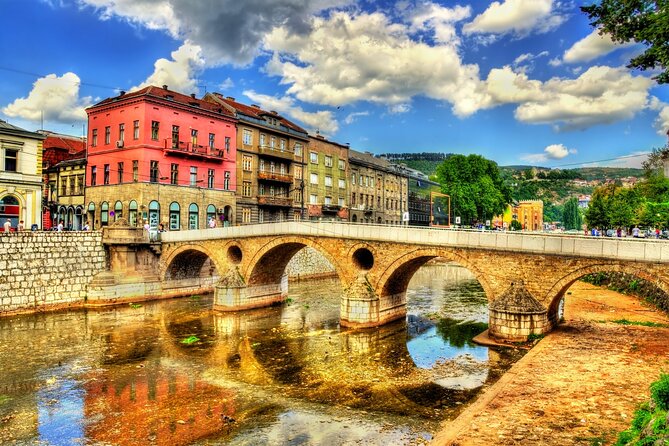
- Five countries in eight days: You travel from Dubrovnik to Tirana through Bosnia and Herzegovina, Montenegro, Kosovo, and Albania.
- Small-group format: The group is capped at 10 people, with a professional tour leader and company-provided transport.
- Strong Ottoman and Balkan history: Mostar, Sarajevo, Prizren, Kruja, and several religious sites give the trip a clear cultural focus.
- Food is part of the trip: You get an Ottoman-style coffee or tea in Sarajevo and a dedicated food tour in Tirana.
- Several UNESCO-related stops: Mostar’s Old Bridge, Kotor, and the Monastery of Decan add major heritage sites to the route.
- Expect extra spending: Lunches, dinners, drinks, snacks, souvenirs, and personal purchases are not included.
Starting in Dubrovnik and crossing into Bosnia
Your day begins at 7:00 am with pickup from your hotel in Dubrovnik Town. Cars cannot enter every part of the old town, so you may need to walk to the nearest pickup point. A local driver takes you toward the border, where you meet the tour leader for the main journey.
This arrangement is practical, but allow extra time for the handoff. You are not simply stepping onto one vehicle outside your hotel. The Dubrovnik pickup and border meeting are separate parts of the morning.
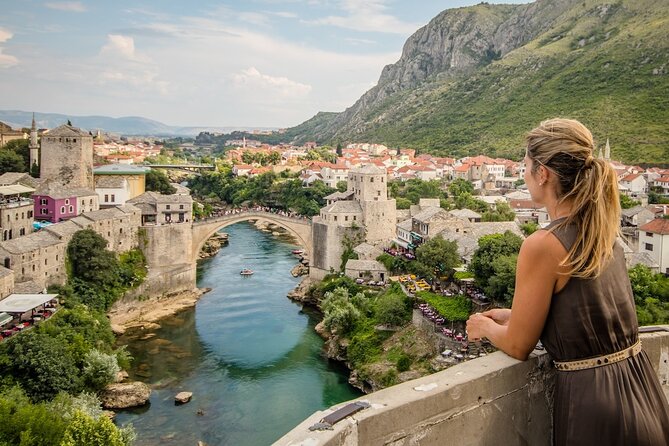
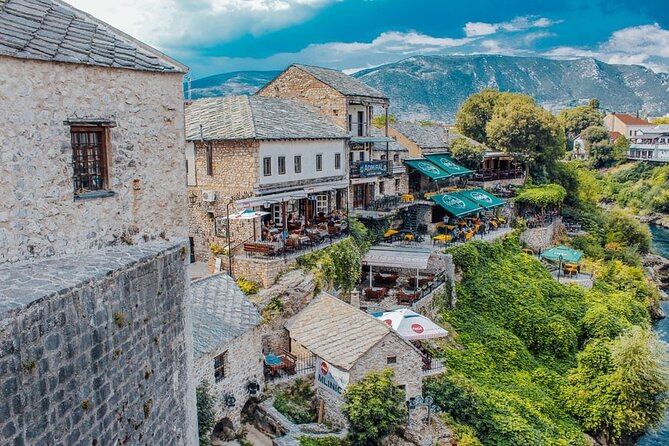
Mostar is the first major stop. The city is famous for Stari Most, the graceful 16th-century bridge that arches over the Neretva River. It is a beautiful sight, but the surrounding Old Bazaar gives you more reason to stay. Cobblestone lanes, old mosques, Turkish-style shops, and the town’s mix of Ottoman and modern buildings show how layered Mostar can be.
Look for the repeated Don’t Forget message around town. It refers to Mostar’s wartime destruction and the effort to remember what happened. The two-hour visit gives you enough time for a guided introduction and some independent wandering, though not enough for a slow museum day.
The visit to Bišćevića Kuća adds a more intimate note. This 17th-century riverside home is an example of Ottoman residential architecture, with a preserved interior that helps you picture domestic life rather than only public monuments. The stop lasts about 30 minutes and admission is included.
A few more Dubrovnik trips worth comparing
- Blue Cave Small-Group Boat Tour from Dubrovnik
★ 5.0 · 9,360 reviews - Full-Day Dubrovnik Elaphite Islands Cruise with Lunch and Drinks
★ 5.0 · 8,823 reviews - Dubrovnik: Epic Game of Thrones Tour + Lokrum & Saver Option
★ 4.9 · 5,995 reviews
Sarajevo combines empire, war, and coffee
The drive from Mostar to Sarajevo brings a shift in tone. Sarajevo’s walking tour covers the medieval Bosnian Kingdom, the Ottoman period, the Austria-Hungarian era, and the scars left by the Yugoslav War.
You will walk on uneven ground and see bullet holes and cannon marks in parts of the city. This is not a polished heritage district separated from modern life. Mosques, churches, synagogues, markets, and Austro-Hungarian buildings sit close together, which explains Sarajevo’s long-standing description as a European Jerusalem.
The two-hour city visit is followed by an hour at Latin Bridge. This modest bridge is linked to the assassination of Archduke Franz Ferdinand, an event that helped trigger the First World War. The bridge itself is not grand, so the value comes from the explanation of its location and the city quarter it once connected.
An included coffee or tea at Caffe Divan gives the day a welcome pause. Turkish coffee is strong, thick, and served slowly, which is exactly how it should be handled after a morning of history and walking. This small inclusion is one of the trip’s better touches because it creates time for conversation instead of rushing from monument to monument.
The Sarajevo schedule is compact. If you want museums, extra religious buildings, or a longer look at the wartime history, you may wish for more free time.
Blagaj and Kotor bring nature and stone towns
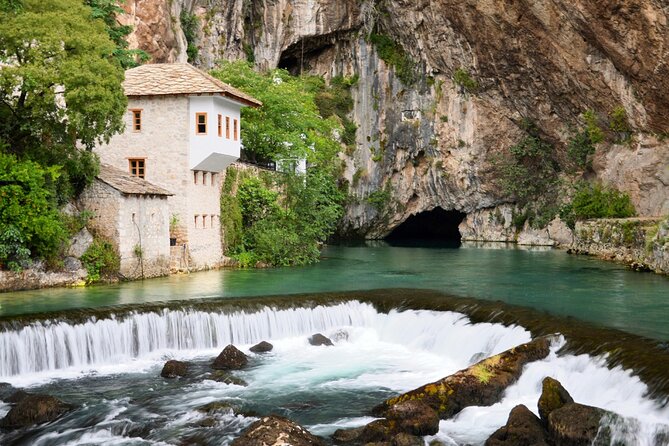
Day three begins with Blagaj, a short distance from Mostar. The town sits below a cliff beside the blue-green spring of the Buna River. It is a quieter stop, focused on scenery and the Ottoman setting rather than a long formal tour.
You get about an hour here. That is enough to see the spring and absorb the setting, but not enough to linger over every corner or build a full day around the area.
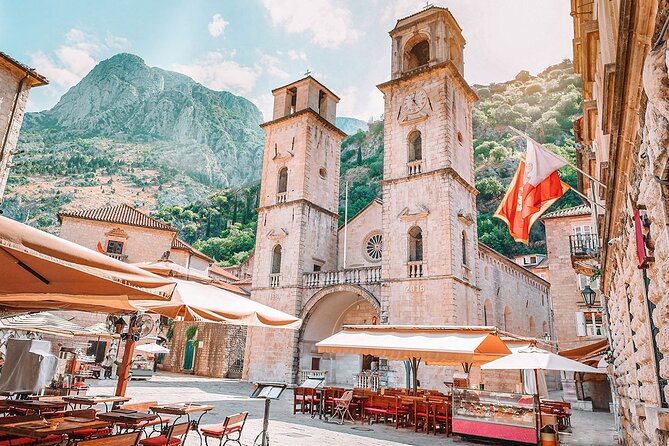
Later, the route enters Montenegro and reaches Kotor, a UNESCO World Heritage site. Its old town is enclosed by stone walls and packed with narrow streets. The confusing street plan was useful in the past, since it made the town harder for attackers to navigate. Today, it gives your walk a pleasant sense of discovery.
You visit St. Luke’s Church, which has meaning for local residents as a symbol of unity. After the two-hour guided portion, the afternoon is yours. This free time matters because Kotor rewards slow wandering. You can retrace streets, pause in a square, or simply look up at the old building dates and original uses marked on plaques.
The schedule works well here because Kotor is best experienced on foot. Still, the day involves border travel and a change of country, so the actual free time can feel shorter if road conditions or crossings take longer than expected.
Budva, Sveti Stefan, and Shkoder
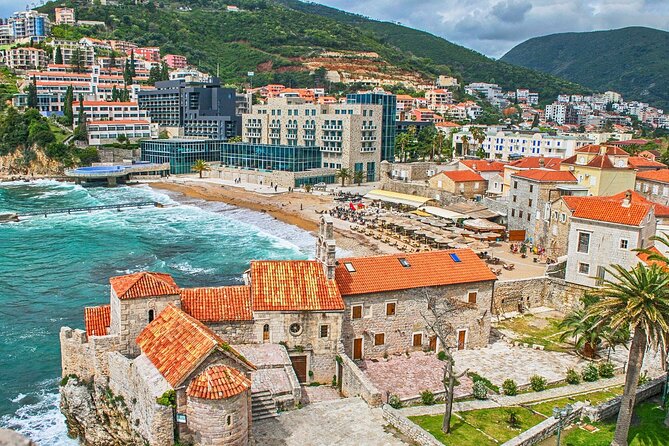
Budva is a short stop, lasting about 30 minutes in the main schedule. The town has a modern section filled with offices, shops, restaurants, and bars, plus an older walled center with medieval buildings and churches.
You then visit St. Ivan Church and the old town for another 30 minutes. That is enough for a quick orientation and photographs, but not a full exploration. If your priority is beach time or a longer look at Budva’s old center, this tour will feel too brief.
The photo stop near Sveti Stefan is also short. The former fishing village now functions as an exclusive residential resort, and the island cannot be visited. You see it from the coast, so treat this as a scenic pause rather than a sightseeing visit with access inside.
Crossing into Albania, you reach Shkoder, one of the country’s oldest cities. Rozafa Castle is the major attraction. From the hill, you can look over the lake and the places where three rivers run toward the Adriatic Sea. The city also has Venetian architectural influence.
The Venetian Art Mask Factory is a more unusual addition. You see papier-mâché masks being made and decorated by hand, from traditional carnival designs to newer artistic styles. This is the kind of stop that gives the route personality. It is not a standard Balkan checklist site, and the one-hour visit lets you see a working craft business rather than only an old building.
Still Dubrovnik, at a slower pace:
- Dubrovnik: Elaphiti Islands Full-Day Cruise with Lunch
★ 5.0 · 5,938 reviews - Dubrovnik: Old Town Walking Tour
★ 4.8 · 5,174 reviews - Dubrovnik: The Original Game of Thrones Tour & Lokrum Option
★ 4.8 · 5,064 reviews - Dubrovnik Game of Thrones Tour & Optional Lokrum Island Visit
★ 5.0 · 4,702 reviews
Slow food at Mrizi i Zanave and an afternoon in Prizren
Mrizi i Zanave is one of the strongest food and community stops on the route. This agrotourism farm collects, prepares, and preserves local organic products. You tour the farm, learn how the family adapted old communist buildings for storage, and hear how the operation created jobs for more than 400 people in the surrounding area.
You have free time for a traditional lunch or for buying farm products. Lunch is not included, so plan to pay separately. Even so, this is a valuable stop because it connects what you eat with local farming, family business, and regional employment.
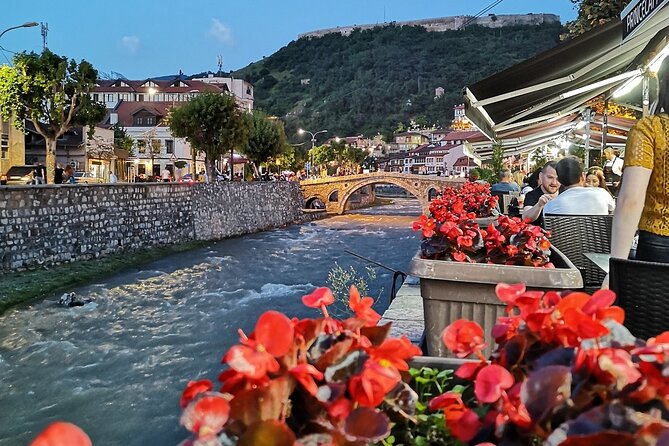
In the afternoon, you continue to Prizren in Kosovo. The city is often treated as Kosovo’s cultural capital, and its old center is easy to explore on foot. A river runs through town beneath several bridges, while medieval houses, Ottoman buildings, and religious sites crowd the streets.
Sinan Pasha Mosque is the principal included religious visit. Its arabesque colors and patterns make it a memorable interior, but dress and behavior should be respectful. The group then reaches Kalaja Fortress, where the hilltop view gives you a broad look over Prizren.
The schedule allows free time in the afternoon. You can shop for filigree metalwork, walk beside the river, or return to a street that caught your eye earlier. Prizren is one of the places where the tour’s balance improves: the guide provides context, then you get room to follow your own interests.
Gjakova, Decan, and the vineyards of Rahovec
Gjakova brings another side of Kosovo. Its bazaar is described as the oldest and largest in the country, though it has been destroyed and rebuilt after several conflicts. Today, the rebuilt market has shops, local crafts, and artisan workshops.
You get about an hour, so use it actively. Look for handmade work and watch craftspeople where workshops are open. This is a better place for meaningful souvenirs than buying generic items at a roadside stop.
The Monastery of Decan is a major cultural visit. Orthodox monks still live there and produce food such as cheese. Its frescoes earned UNESCO recognition in 2004, and the paintings show both 14th-century life and changes in Byzantine art.
Because this remains a functioning monastery, follow the tour leader’s instructions and treat the site as a religious place first. The visit lasts about an hour and is listed without a separate admission charge.
The day ends in Rahovec Valley, Kosovo’s main wine area. Grapes have been cultivated here since Illyrian times, and vineyards sit on gentle hills between 350 and 520 meters above sea level. The schedule allows about an hour, enough for an introduction to the region. A wine festival takes place each September, but the tour does not state that a festival visit is included. Wine and other drinks are also not included in the tour price.
Kruja tells Albania’s resistance story
Kruja is the main stop before Tirana. The city sits on rocky ground at about 560 meters above sea level and is associated with Albanian resistance to Ottoman expansion in the 15th century.
The old bazaar is one of the best places on this route for shopping. Wooden houses line narrow streets, and the shops sell carpets, jewelry, and handmade souvenirs. You have an hour here, which is enough to browse, but serious shoppers may want more time.
Kruja Castle is included, and the tour leader takes you along paths once used by locals to leave the fortress without being seen during attacks. The castle was built on a difficult hilltop position, so expect some uphill walking and uneven surfaces.
After the castle, you get free time for lunch and more shopping. Lunch is not included, so you can choose according to your budget and appetite. This flexible hour is useful after a busy morning, though the visit remains an overview rather than a full study of Kruja’s museums and history.
Tirana ends with byrek, markets, and raki
The final day changes from historical touring to food and daily life. A local companion leads you through Tirana, and the advice to arrive hungry is sensible. The food tour includes a taste of byrek, a thin pastry filled with options such as cheese, meat, or spinach.
At Tregu Çam, you see a local market selling clothing, kitchen goods, produce, and other everyday items. Bargaining is part of the experience. The point is less about collecting souvenirs and more about seeing how residents shop and spend their day.
The schedule includes time in smaller local food spots, market lanes, and Tirana neighborhoods. You may try seasonal fruits and vegetables before continuing to Pazari i Ri, the New Bazaar. There, a traditional Albanian meal made with regional products is included, along with a tasting of Albanian grape raki.
This is a fitting finish because it shifts the focus from grand sites to food, conversation, and ordinary city life. The day includes several food-related entries that overlap in description, but the intended experience is clear: small local tastings, market browsing, and a final meal.
What the $3,433.11 price really buys
The price is based on double, twin, triple, or quadruple room occupancy in three-star hotels. Solo guests should confirm how the room arrangement affects the final cost, since the published amount is calculated around shared occupancy.
You are paying for more than admission tickets. The package includes accommodation and breakfast each night, transport, a professional tour leader, petrol, road taxes, tourist taxes, Dubrovnik hotel pickup, Sarajevo coffee or tea, and the Tirana food tour.
The value depends on how much planning you want to avoid. Five countries, several border crossings, changing hotels, and a route through areas where transport connections may be awkward would take substantial work to arrange alone. On the other hand, lunches, dinners, drinks, snacks, and souvenirs remain your responsibility.
The high price makes this a better fit for someone who wants a guided, organized overview than for someone who is happy using buses, booking simple rooms, and planning independently. Group discounts may be available, and the small maximum group size adds real value compared with a large bus trip.
Choose Balkans has received strong praise for communication and organization. Sirma helped with planning and last-minute logistics in one account, while guides named Ana, Taulant, Nelly, and Gezim were praised in separate company experiences for care, professionalism, and support. Your assigned tour leader is not named in the available details, so do not book based on expecting one particular person.
Practical concerns before you commit
This is a physically moderate trip. You will walk on cobblestones, uneven ground, old fortress paths, and hills. Kruja Castle, Rozafa Castle, Kotor, and the monastery visit all call for sensible shoes.
The early start in Dubrovnik is another factor. Pickup begins at 7:00 am, and the first morning includes a transfer to the border before the main tour begins. You should also expect days where the driving time feels greater than the sightseeing time.
The schedule can change because of weather, strikes, bank holidays, temporary closures, or other events outside the company’s control. That matters on a route with multiple borders and outdoor sites.
The experience is non-refundable and cannot be changed after booking. That is a serious condition for an eight-day trip, so check your dates, room arrangement, passport requirements, and personal schedule before paying.
Who should book this Balkan route?
I would choose this tour if you want a broad first look at the western Balkans without handling every hotel, road journey, and border crossing yourself. It suits people who enjoy history, food, old towns, craft workshops, religious buildings, and a steady rhythm of short visits.
I would be more cautious if you prefer slow travel. Mostar, Budva, Shkoder, Gjakova, and Kruja receive limited time, while several days involve substantial driving. You will see a great deal, but you will not fully explore every place.
If the idea of crossing five countries, sampling byrek and raki, visiting Ottoman and Orthodox sites, and ending in Tirana appeals to you, the route offers a strong cultural sweep. Book it for convenience and breadth, not for long stays in each town. For the right person, that tradeoff makes the price easier to accept.
FAQ
How long is the Dubrovnik to Tirana tour?
The tour lasts approximately eight days, beginning in Dubrovnik and ending in Tirana.
What time does pickup begin in Dubrovnik?
Pickup begins at 7:00 am. A local representative collects you from your hotel or the nearest accessible point in Dubrovnik Town and takes you to the border to meet the tour leader.
How many people can join the tour?
The tour has a maximum group size of 10 people.
What accommodation is included?
The price includes bed-and-breakfast accommodation in three-star hotels. Rates are calculated for double, twin, triple, or quadruple room occupancy.
Are meals included?
Seven breakfasts are included. Lunches, dinners, drinks, and snacks are not included, but an Ottoman-style coffee or tea in Sarajevo and a food tour in Tirana are included.
Is the tour suitable for people with limited mobility?
The tour requires a moderate level of physical fitness. It includes uneven walking surfaces, cobblestone streets, fortress paths, and some hill walking, including visits to sites such as Kruja Castle and Rozafa Castle.
Just added around Dubrovnik
- Elaphiti Islands Private Dubrovnik Boat Unique Experience★ 5.0 · 10 reviews
- Full- Day Private Speedboat Tour in Dubrovnik on Elaphiti Islands★ 5.0 · 21 reviews
- PRIVATE Wine Tour to Konavle country side★ 5.0 · 11 reviews
- Wine Lover’s Tour of Peljesac Peninsula★ 5.0 · 150 reviews
- Wine tour peninsula Pelješac★ 5.0 · 3 reviews
- Parasailing in Cavtat★ 5.0 · 62 reviews
- Welcome to Dubrovnik Walking Tour★ 5.0 · 36 reviews
- Dubrovnik at War 1991-1992 Private Walking Tour★ 5.0 · 4 reviews
Private, compared.
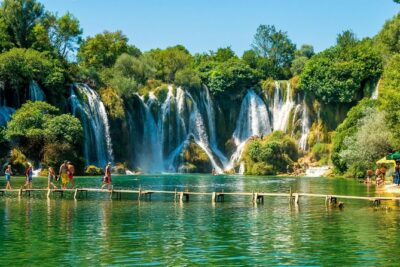
Mostar and Kravice Waterfalls Tour from Dubrovnik (Semi-Private)
Read our review →
Blue & Green Caves Private Boat Tour with Drinks
Read our review →
Dubrovnik Private Speedboat Tour to Elaphite Islands with Drinks
Read our review →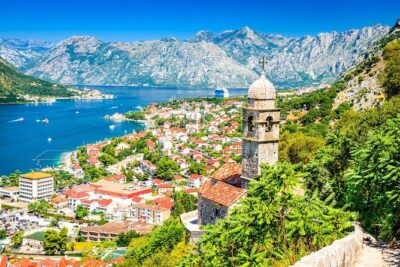
Private Tour: Montenegro Day Trip from Dubrovnik
Read our review →
PRIVATE Walking Tour of Diocletian’s Palace & Old Town
Read our review →
Tour The Game of Thrones – Private Walking Tour
Read our review →
Private Krka Waterfalls tour with 30min Boat Cruse
Read our review →