Reviewed · PRIVATE
Dubrovnik to Athens; Semi – Private tour with Tour Leader & Car
The Balkans reward the curious and patient. This 14-day journey links Croatia, Bosnia and Herzegovina, Montenegro, Albania, Kosovo, North Macedonia, and Greece by private car, with a tour leader handling the borders, hotels, tickets, and daily logistics. I like the way the route mixes famous sights such as Mostar, Ohrid, Berat, and Meteora with smaller stops such as a paper workshop, a family winery, and a farm producing regional food.
I also like the small group size, capped at 10 people, and the strong local flavor. You will drink Ottoman-style coffee in Sarajevo, taste Albanian dishes in Tirana, walk through old bazaars, and see towns that do not appear on every standard European itinerary. The main drawback is the pace. Some days involve long drives, and a few major places receive only a short visit.
In This Review
- Key points before you book
- What the $6,020.56 price really covers
- Days 1 and 2: Mostar, Sarajevo, and the stories written in stone
- Days 3 and 4: From Blagaj to the Montenegrin coast
- Days 4 through 6: Northern Albania, Kosovo, and food with a sense of place
- Days 7 and 8: Kruja and Tirana through Albanian food
- Days 9 and 10: Ohrid, Saint Naum, and quiet water
- Days 11 and 12: Berat and Gjirokaster, Albania’s stone towns
- Days 13 and 14: Ioannina, Meteora, and the final transfer
- Comfort, pace, and practical concerns
- Who should book this Balkan route?
- FAQ
- How long is the Dubrovnik to Athens tour?
- How many people can join the tour?
- Are hotels and breakfasts included?
- Is transportation private?
- Are lunches and dinners included?
- Where does pickup take place in Dubrovnik?
- Can the tour end in Corfu instead of Athens?
- Should you book it?
Key points before you book
- Seven countries in 14 days: You cross from the Adriatic coast through the inland Balkans and finish in Greece.
- Private transportation: A dedicated car or vehicle makes border crossings and small-town stops easier than public transport.
- A maximum of 10 people: This is more personal than a large coach tour, though exact group size may vary.
- Strong food connections: Tirana includes a food tour, while Sarajevo, Kosovo, Albania, and Greece add plenty of local tastes.
- UNESCO sites at the center: Mostar, Kotor, Ohrid, Berat, Gjirokaster, Deçan, Meteora, and other major sites shape the route.
- Three-star hotels and breakfast: Accommodation is included, but lunches, dinners, drinks, and snacks are extra.
What the $6,020.56 price really covers
At $6,020.56 per person, this is an expensive trip. The price is based on double, twin, triple, or quadruple occupancy in three-star hotels, so solo travelers should ask about the single supplement before paying. The cost includes 13 breakfasts, private transport, fuel, road taxes, tourist taxes, international car insurance, a professional tour leader, hotel pickup in Dubrovnik, and hotel drop-off in Athens.
That package has real value in this part of Europe. You are crossing several borders, traveling through countries where public transport connections can be slow, and reaching hill towns, monasteries, wineries, and rural food producers that are not always simple to visit independently. Someone else also handles the route, tickets, parking, and border logistics.
Still, the price does not cover most meals or personal spending. You should budget for 13 lunches, 13 dinners, drinks, snacks, souvenirs, and any optional purchases. The included breakfast helps, but this is not an all-inclusive holiday.
The semi-private format is important. With no more than 10 people, you avoid the slow loading and unloading of a large coach. Past departures have also benefited from especially helpful staff. Guides named Sokol, Eri, Gerion, Neli, and Juli have been praised for history, restaurant advice, safety, internet help, and a friendly approach. Your guide may be different, but the quality of the person leading the trip will shape your experience.
A few more Dubrovnik trips worth comparing
- Blue Cave Small-Group Boat Tour from Dubrovnik
★ 5.0 · 9,360 reviews - Full-Day Dubrovnik Elaphite Islands Cruise with Lunch and Drinks
★ 5.0 · 8,823 reviews - Dubrovnik: Epic Game of Thrones Tour + Lokrum & Saver Option
★ 4.9 · 5,995 reviews
Days 1 and 2: Mostar, Sarajevo, and the stories written in stone
Your Dubrovnik pickup starts at about 7:30 a.m. A local driver collects you at the nearest reachable point to your hotel, since cars cannot enter some parts of the old town. The driver takes you to the border, where you meet the tour leader.
That handoff is worth understanding in advance. You do not simply step out of your Dubrovnik hotel and remain with the same driver all day. Confirm the pickup point and allow extra time for the border crossing.
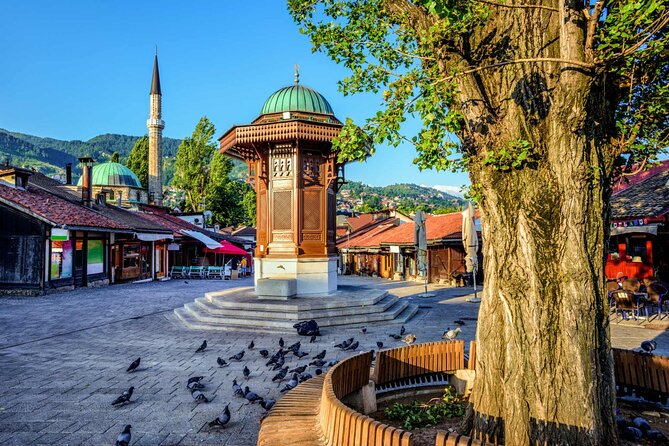
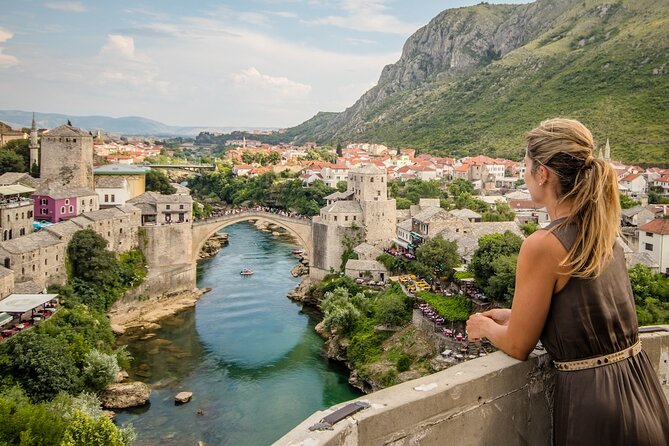
In Mostar, the famous Stari Most is the main event. The sixteenth-century bridge, built in an Islamic architectural style, arches over the Neretva River and links the old parts of town. You will walk through the Old Bazaar, with its stone lanes, shops, mosques, and Turkish influence.
The visit is scheduled for about an hour, which is enough to see the bridge and get a first feel for Mostar, but not enough for a slow exploration. Bišćevića Kuća adds a useful contrast. This seventeenth-century riverside house shows how an affluent Ottoman family lived, with a more intimate scale than the grand bridge.
On Day 2, Sarajevo brings a heavier mood and a wider historical frame. You will see Ottoman and Austro-Hungarian quarters, religious buildings, markets, and traces of the Yugoslav War. Bullet holes and cannon marks remain visible in parts of the city. The walking includes uneven ground, so sturdy shoes matter.
Latin Bridge is the natural place to discuss the assassination of Archduke Franz Ferdinand and the event that helped trigger World War I. The planned stop lasts two hours and includes time at Caffe Divan for complimentary Turkish coffee or tea. That small pause is more than a refreshment. It gives you a chance to sit in the city rather than race through another monument.
Days 3 and 4: From Blagaj to the Montenegrin coast
Blagaj is a brief but lovely stop near Mostar. The town sits beside the spring of the Buna River, below a cliff, with clear blue water and Ottoman-era buildings. The visit lasts about an hour, so expect a scenic look rather than a full day in the area.
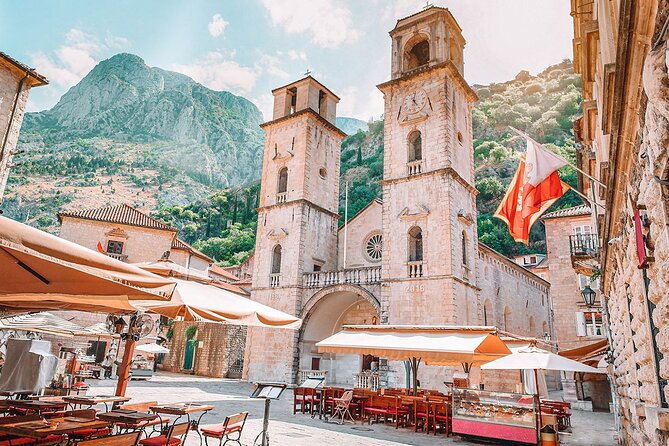
Kotor then changes the mood completely. Its old town is enclosed by mountains and walls, with narrow cobbled lanes arranged in a deliberately confusing pattern. Churches and older buildings carry small plaques showing their construction dates and former use. Saint Luke’s Church is included, and you have free afternoon time to explore on your own.
That free time is valuable because Kotor rewards wandering. You can pause in a square, inspect the stonework, or find a quiet lane away from the main path. The tradeoff is that the tour does not provide a long climb or a full mountain excursion. If the upper fortress views matter to you, ask how much free time and walking you will have.
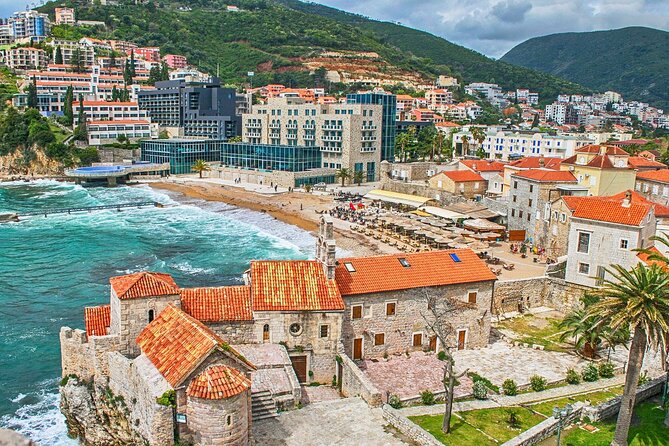
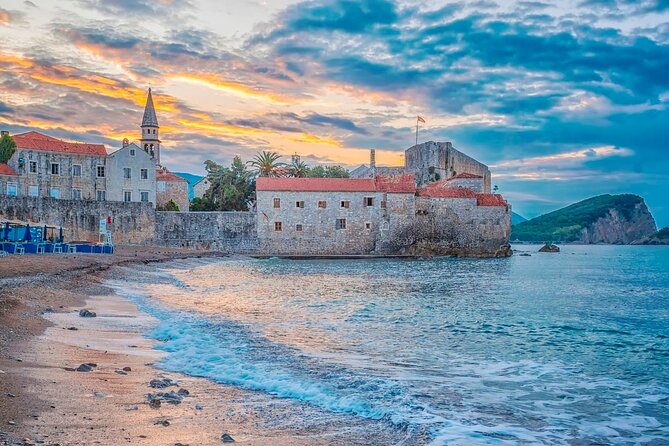
Budva on Day 4 offers another old town, this time paired with a modern resort area of shops, offices, restaurants, bars, and newer buildings. The historic center contains Saint Ivan Church, Saint Mary’s Church, and medieval buildings. The scheduled visit is about an hour, giving you a compact introduction rather than a beach holiday.
The stop near Sveti Stefan is made for photographs. The former fishing village occupies a small island and now operates as an exclusive residential resort that cannot be visited. You see it from the coast, so keep your expectations modest.
Days 4 through 6: Northern Albania, Kosovo, and food with a sense of place
Shkoder introduces Albania with a thousand-year-old city, Venetian influence, and Rozafa Castle. From the castle, you can see the lake and the point where three rivers meet before flowing toward the Adriatic. The visit is short, but the setting gives the stop weight.
The Venetian Mask Factory is a pleasing surprise. Papier-mâché masks are shaped, painted, and decorated by hand in a small workshop. It is a genuine craft stop rather than a generic souvenir shop, though you should expect only about 30 minutes there.
On Day 5, Mrizi i Zanave offers one of the best food-centered moments of the trip. This slow-food farm gathers, preserves, and prepares regional organic products. You will hear how the family adapted old communist buildings for storage and built a business that created work for more than 400 people in the surrounding area.
You have time to tour the farm, eat a traditional lunch, or buy local products. Lunch is not included, but this is a place where spending extra money supports the purpose of the visit and gives you a better taste of northern Albania.
Prizren is one of the route’s most appealing towns. The river cuts through the old center, passing beneath bridges and beside Ottoman-era houses. Filigree work in precious metals is a local craft, and the narrow streets are ideal for a slow walk.
The Sinan Pasha Mosque is the main interior visit. Its colored arabesque patterns offer a strong example of Ottoman religious art. Above town, Kalaja Fortress provides a broad view, followed by free time in Prizren. If you like old markets, Islamic architecture, and lively evening streets, this is a place where you may wish the schedule allowed another night.
Day 6 brings Gjakova’s rebuilt bazaar, where artisans sell handmade goods and traditional crafts. Deçan Monastery offers a different religious tradition. Orthodox monks still live there and produce food such as cheese, while the fourteenth-century frescoes show daily life and Byzantine painting under the Palaeologan renaissance.
The day ends in Rahovec Valley, Albania’s wine center near Prizren. Grapes have been grown here since Illyrian times, and vineyards sit on low hills between 350 and 520 meters above sea level. If you visit in September, the annual wine festival may add extra energy, though the trip does not promise festival dates.
Still Dubrovnik, at a slower pace:
- Dubrovnik: Elaphiti Islands Full-Day Cruise with Lunch
★ 5.0 · 5,938 reviews - Dubrovnik: Old Town Walking Tour
★ 4.8 · 5,174 reviews - Dubrovnik: The Original Game of Thrones Tour & Lokrum Option
★ 4.8 · 5,064 reviews - Dubrovnik Game of Thrones Tour & Optional Lokrum Island Visit
★ 5.0 · 4,702 reviews
Days 7 and 8: Kruja and Tirana through Albanian food
Kruja is tied to Albania’s resistance against Ottoman expansion in the fifteenth century. The medieval bazaar climbs through narrow lanes lined with wooden houses and offers one of the best places on the route for carpets, jewelry, and handmade souvenirs.
Kruja Castle sits on a rocky hill and includes hidden routes once used by residents during attacks. The visit lasts about an hour, then you have time for lunch and shopping. The castle and bazaar work well together: one explains the town’s military past, the other shows its living craft tradition.
Tirana is less about grand monuments and more about daily life. A local food companion leads you through small food stops and markets. You begin with byrek, the flaky Albanian pastry filled with cheese, meat, spinach, or other ingredients.
At Tregu Çam, you can browse clothing, kitchen goods, produce, and other everyday items while learning how to bargain. Pazari i Ri adds a traditional Albanian meal and a taste of grape raki. Come hungry. This is one of the clearest examples of the tour turning food into a way to understand a city.
The Tirana day includes two hours at the New Bazaar area, but it is not a formal museum tour. You will get more from it if you enjoy markets, food, street scenes, and conversation. If you prefer major landmarks and long guided explanations, this may feel less structured.
Days 9 and 10: Ohrid, Saint Naum, and quiet water
Struga is a short stop beside the source of the Drini River. Then the route continues to Ohrid, one of the trip’s natural pauses. Ohrid and its lake have UNESCO status, and the town is known for Orthodox churches, hillside houses, narrow passages, and views over the water.
The Church of Saint John at Kaneo is the main viewpoint. Ohrid is traditionally said to have 365 Orthodox churches, one for each day of the year. You will not see all of them, but the old town’s mix of Byzantine, Ottoman, and local architecture gives the place a distinct character.
The National Workshop for Handmade Paper adds a small, hands-on cultural stop. The workshop demonstrates paper-making methods linked to the period of Gutenberg, and you can buy a sheet as a useful souvenir. This is a good example of the trip’s scale: not every stop is famous, but many provide a direct connection to local work.
St. Naum Monastery follows on Day 10. It sits near the source of the Crni Drim River in Galicica National Park, where spring water reflects the surrounding trees and mountain peaks. The stop is scenic and religious, so modest clothing and respectful behavior are sensible.
Across the border in Tushemisht, you can meet local sellers offering preserves, honey, herbs, and handmade items. Drilon National Park then brings you to a small spring-fed lake shaded by willow trees. After several busy old towns, this slower hour gives the route some breathing room.
The two-night Lake Ohrid section is one of the itinerary’s smartest choices. It prevents the trip from becoming a string of one-night hotel changes and gives you time to enjoy the lake area at a gentler pace.
Days 11 and 12: Berat and Gjirokaster, Albania’s stone towns
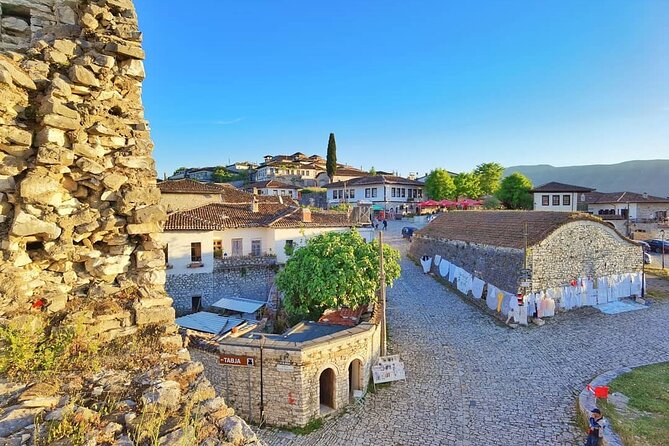
Berat is known for its 1001 windows, with old houses stacked across the hillsides. The castle is unusual because people still live within its walls. Inside, you will find churches, mosques, museums, and remnants of Albania’s communist period.
The National Iconographic Museum Onufri focuses on the famous church painter and the distinctive red color associated with his work. Gorica Bridge and the Gorica neighborhood provide another view of Berat and its old houses.
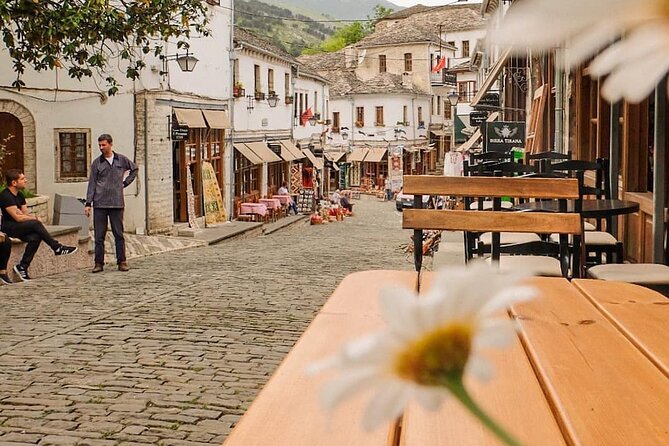
Gjirokaster, the Stone City, is even more fortress-like. Houses rise on steep ground, built with heavy stone and defensive shapes. The castle began in the fourth century and is among the best-preserved medieval towns in the Balkans.
The old bazaar comes before the castle, with narrow stone streets and local crafts. A preserved traditional house gives you a look inside domestic life, rather than only another panoramic view. Every five years, Gjirokaster hosts a major folklore and traditional music gathering, but dates are not guaranteed for your departure.
The Barrels winery is a family-run vineyard where you can have lunch in a rural setting. It is another optional-cost meal, but the stop fits the route well after a morning of stone streets and history.
Days 13 and 14: Ioannina, Meteora, and the final transfer
Ioannina brings you into Greece through an old town shaped by Byzantine and Ottoman periods. The castle contains narrow streets and historic buildings, while nearby cafés offer Greek dishes and local specialties. The scheduled visit is about an hour, so you will get an overview rather than a full study of the city.
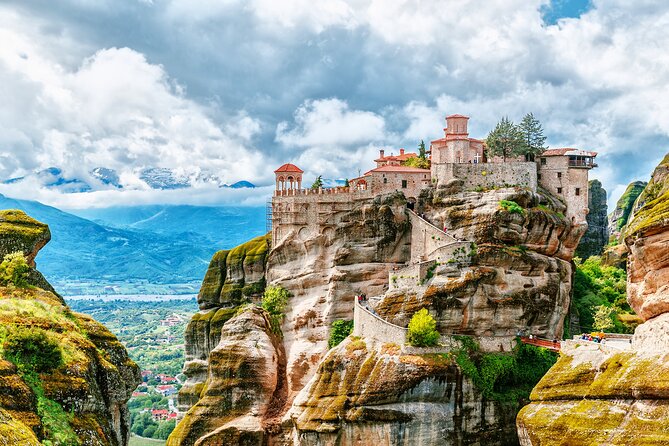
Meteora is the visual high point of the final stretch. Monasteries sit on towering rock formations, and the itinerary aims for a sunset view. The sight is extraordinary, but timing matters. One detailed account of the route found there was too little time to visit the mountaintop monasteries properly, so ask whether your schedule includes monastery interiors or mainly viewpoints.
The last day involves a long drive from the Meteora area to Athens. Your tour leader drops you at your Athens hotel. An alternate ending is available for a drop-off at Igoumenitsa Port, with ferry tickets included for the crossing to Corfu. Confirm your final destination before booking, since these are different endings.
Comfort, pace, and practical concerns
Breakfast and three-star hotels are included. The hotels are generally described as small and family-run, and some are modernized historic buildings. That can be more pleasant and local than a standardized chain, but room size and facilities may vary.
The vehicle is one of the strongest parts of this journey. A good driver matters on narrow roads, steep streets, mountain routes, and congested city approaches. Eri, one driver praised for this route, was especially helpful with restaurant suggestions and practical matters such as internet access.
You should be comfortable with frequent border crossings and changes in currency, language, and road conditions. The company requires you to carry your own health and travel insurance. Weather, strikes, holidays, closures, or other outside events can alter the schedule.
The trip is non-refundable and cannot be changed after booking, so check your dates, room arrangement, final destination, and passport requirements carefully before paying. Most people can participate, but the itinerary includes uneven ground, hills, castle paths, and long drives.
Who should book this Balkan route?
I would choose this tour if you want a broad first look at the Balkans and prefer someone else to manage the complicated transport. It suits people who enjoy castles, mosques, churches, monasteries, markets, local food, and changing scenery more than long stays at one resort.
I would be cautious if you need leisurely mornings, extensive free time, or a deep visit to every major city. Pristina and Skopje receive limited attention on the route, and the drive from the Prizren area to Ohrid can be especially long. Meteora also deserves a clear time check.
FAQ
How long is the Dubrovnik to Athens tour?
The tour lasts approximately 14 days, beginning in Dubrovnik and ending with hotel drop-off in Athens, unless you select the Igoumenitsa Port and Corfu ending.
How many people can join the tour?
The maximum group size is 10 people.
Are hotels and breakfasts included?
Yes. Accommodation in three-star hotels and 13 breakfasts are included. The price is calculated using double, twin, triple, or quadruple room occupancy.
Is transportation private?
Yes. Private transportation, fuel, road taxes, and international car insurance are included.
Are lunches and dinners included?
No. Lunches, dinners, drinks, snacks, souvenirs, and personal spending are not included.
Where does pickup take place in Dubrovnik?
Pickup is from the nearest reachable point to your hotel within Dubrovnik Town. Some parts of the town cannot be reached by car. The stated meeting point is Platska ul. 7, Dubrovnik, and the start time is about 7:30 a.m.
Can the tour end in Corfu instead of Athens?
Yes. The tour can end with drop-off at Igoumenitsa Port, where you take the included ferry to Corfu Port. Another option is hotel drop-off in Athens.
Should you book it?
Book this journey if you value variety, local food, small groups, and efficient travel across several Balkan countries. The strongest parts are the personal transport, the many UNESCO sites, the food experiences in Albania and Sarajevo, and the chance to see places such as Prizren, Berat, Gjirokaster, and Ohrid in one carefully linked route.
Do not book it expecting a slow holiday. You will spend long hours in the car, pay separately for most meals, and sometimes wish for more time at major sights. For an ambitious first trip through the Balkans, though, the route offers remarkable value in time and access, especially if your alternative is trying to arrange seven countries on your own.
Just added around Dubrovnik
- Elaphiti Islands Private Dubrovnik Boat Unique Experience★ 5.0 · 10 reviews
- Full- Day Private Speedboat Tour in Dubrovnik on Elaphiti Islands★ 5.0 · 21 reviews
- Wine Lover’s Tour of Peljesac Peninsula★ 5.0 · 150 reviews
- Wine tour peninsula Pelješac★ 5.0 · 3 reviews
- PRIVATE Wine Tour to Konavle country side★ 5.0 · 11 reviews
- Parasailing in Cavtat★ 5.0 · 62 reviews
- Welcome to Dubrovnik Walking Tour★ 5.0 · 36 reviews
- Dubrovnik at War 1991-1992 Private Walking Tour★ 5.0 · 4 reviews
Private, compared.
Mostar and Kravice Waterfalls Tour from Dubrovnik (Semi-Private)
Read our review →
Blue & Green Caves Private Boat Tour with Drinks
Read our review →
Dubrovnik Private Speedboat Tour to Elaphite Islands with Drinks
Read our review →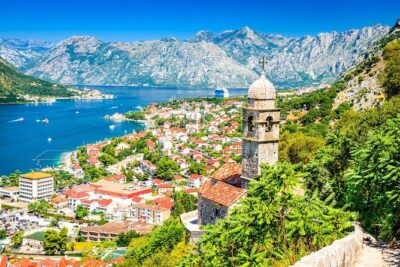
Private Tour: Montenegro Day Trip from Dubrovnik
Read our review →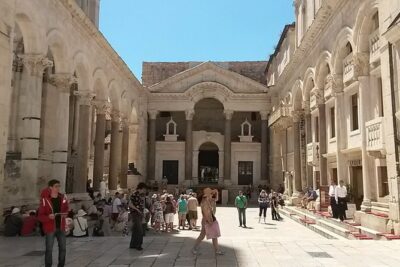
PRIVATE Walking Tour of Diocletian’s Palace & Old Town
Read our review →
Tour The Game of Thrones – Private Walking Tour
Read our review →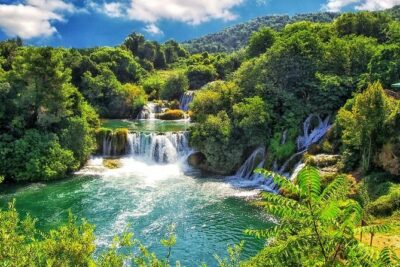
Private Krka Waterfalls tour with 30min Boat Cruse
Read our review →